Something Fresh in the State of Denmark
October 06, 2026




















The Technion’s story has been intertwined with Israel’s for more than a century, from laying the foundations for a new nation to shaping its future.

Step inside Israeli innovation at the David and Janet Polak Visitors Center. Experience our 360° immersive movie and tech exhibition. Open to individuals and groups.
Learn More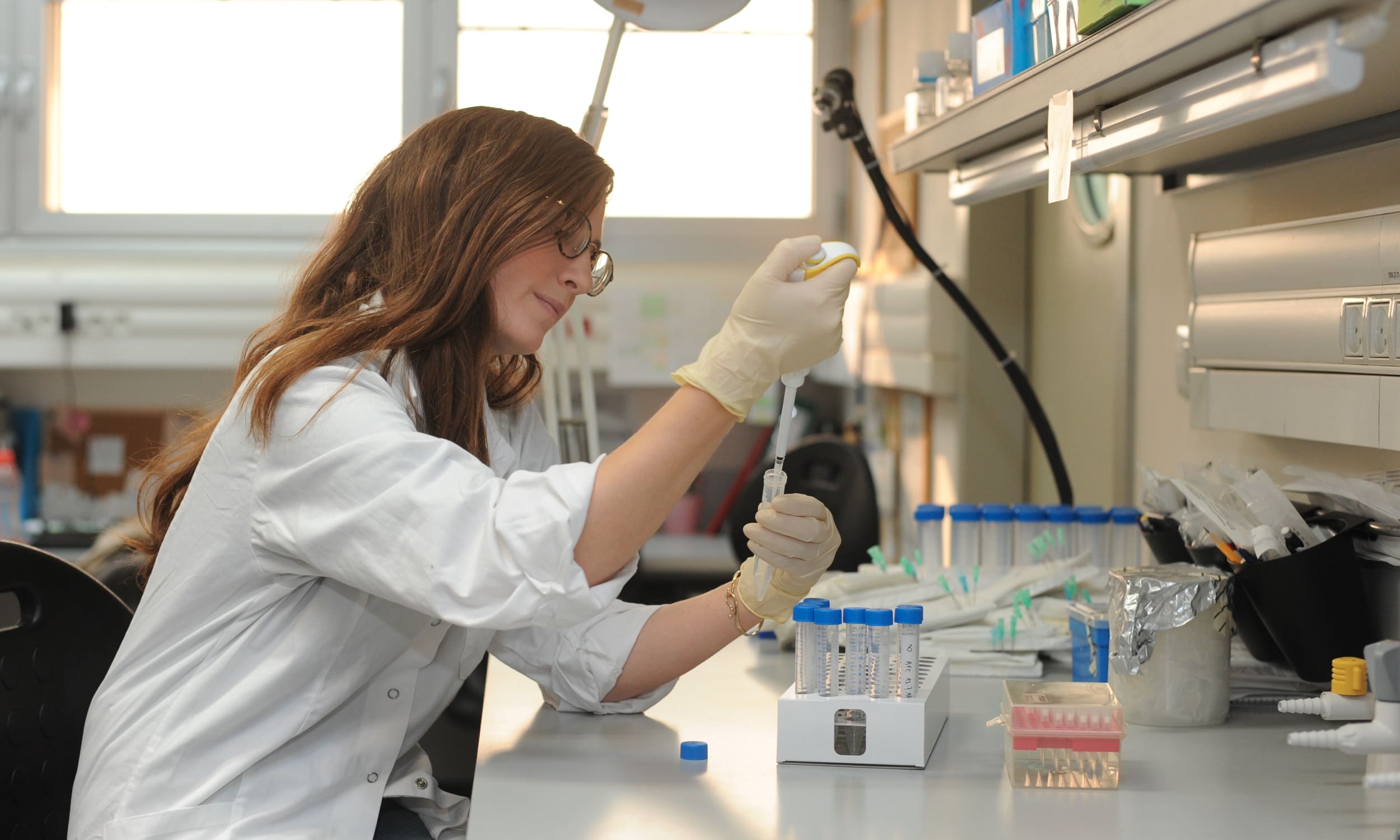

Scientists at the Technion have come upon a surprising discovery that could help frustrated would-be fathers determine their fertility. If validated in humans, this discovery could lead to a reliable, fast, and simple method for diagnosing male infertility, and “could predict the success of assisted reproductive techniques such as IVF or evaluate the fertility of stud animals,” said Technion Professor Benjamin Podbilewicz. The result came unexpectedly, when baby hamster kidney cells surprisingly merged into a single giant cell with multiple nuclei. Scientists discovered that the ability of mice sperm to merge those cells corresponded to the sperm’s fertilizing potential –…

Most of us recognize the tell-tale signs of ADHD (Attention-Deficit Hyperactivity Disorder) — the fidgety child who blurts out an answer before the question is completed; the adult who starts new tasks before finishing the old. Still, there is no clear-cut diagnosis, and students have faked symptoms to receive medication that helps them focus and pull all-nighters. Now technology based on 12 years of research conducted at the Technion appears to accurately detect, measure, and quantify impaired attention by observing eye-blinking patterns to particular sounds. Israeli company MindTension, which narrowly escaped tragedy on October 7, developed a medical device that…

Associate Professor Shenhav Shemer from the Technion’s Faculty of Biology has joined the DREAMS team, a European Union-funded project to discover treatments for five rare neuromuscular disorders. DREAMS (Drug REpurposing and Artificial intelligence for Muscular disorderS) will focus on treatments for Duchenne muscular dystrophy, centronuclear myopathy, Emery-Dreifuss muscular dystrophy, Pompe disease, and Danon disease. Approximately 400,000 people worldwide suffer from these diseases. “My group is engaged in various phases of the project, including the key phases of identifying biomarkers and therapeutic targets, assessing the efficacy of molecules as novel drugs to inhibit these targets and address the disease, validating…
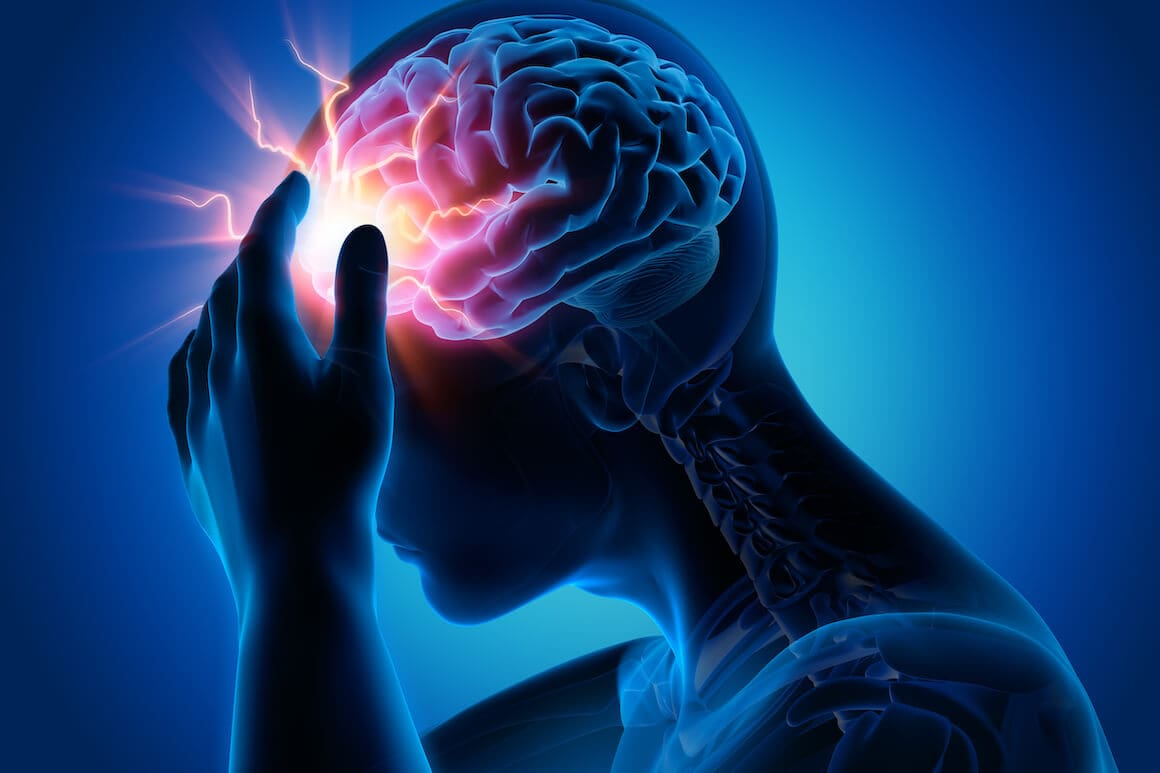
American non-profit health insurer Highmark has added an Israeli migraine treatment band to the items covered by its insurance policies. The Nerivio Remote Electrical Neuromodulation (REN) migraine band, developed by Netanya-based Theranica, is placed on the upper arm as soon as a migraine starts (or even used as a preventative measure), and vibrates at an intensity just below the patient’s pain threshold. It causes nerve fibers in the body to deliver a message to the brain, where it decides that the sensation is harmless and releases neurotransmitters to prevent the sufferer from feeling pain – including in their head. The…
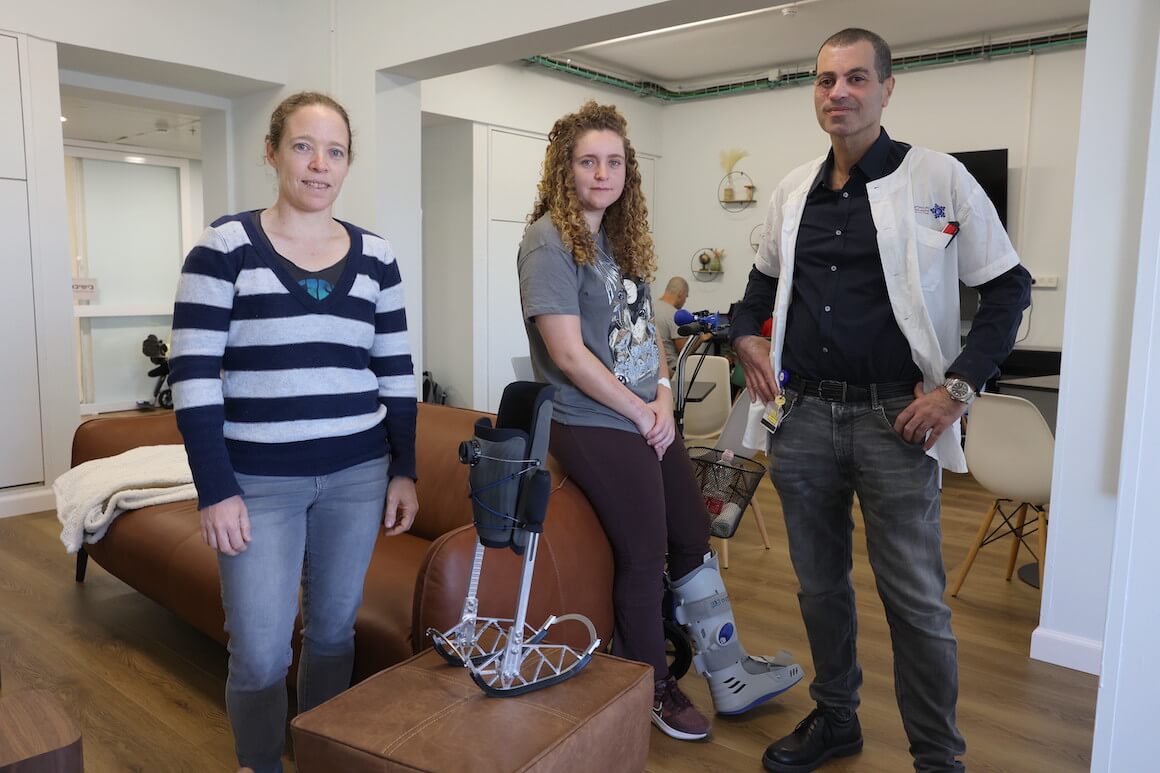
Kfar Aza resident Neta Portal woke up to the sound of warning sirens in her apartment with her partner Santiago on the morning of October 7. Despite hiding out in their safe room, terrorists penetrated the door with bullets before throwing a grenade that forced Neta and Santiago to flee from the apartment through a window. While escaping, Neta retained seven gunshot wounds to her legs while Santiago suffered from a gunshot to his back. The couple was ultimately rescued and treated in the hospital, but both still have a long way to go to heal. Now, Neta is back…
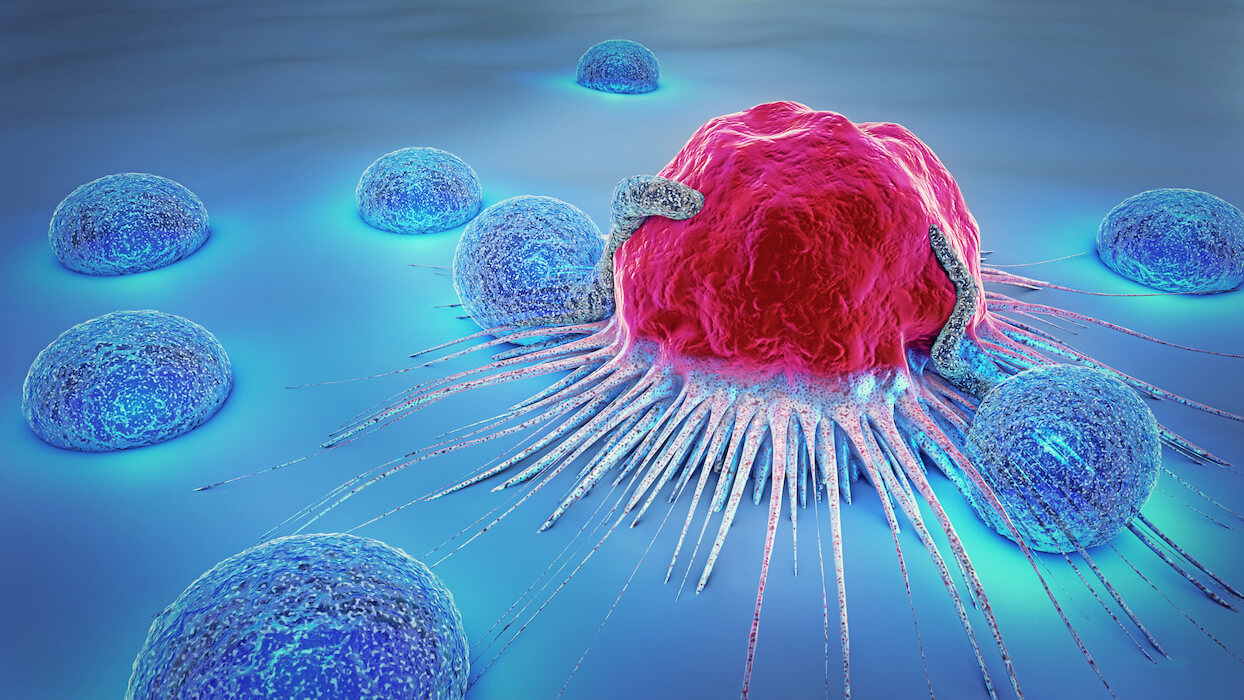
Researchers in the Technion’s Faculty of Materials Science and Engineering and Rappaport Technion Integrated Cancer Center have developed a new patented technology to treat tumors. They estimate it could accelerate the development of personalized treatments for various types of cancer. Typical cancer treatments, such as chemotherapy and radiation, often cause serious side effects, because in addition to attacking the cancerous cells, they damage healthy ones. Moreover, certain types of cancer don’t respond well to chemotherapy. Professor Alejandro Sosnik and doctoral student Ivan Zlotver have developed a treatment that combines sonodynamic therapy with a special formula of nanoparticles. Sonodynamic therapy is…

Ra’anana-based Inspira Technologies today announced the signing of a non-binding Letter of Intent with Shamir Medical Center (Assaf Harofeh), a step the company hopes will lead to providing better respiratory care both here in Israel and in the global community. “With the anticipated FDA approval on the horizon, I am confident that this prospective collaboration with Shamir Medical Center will enhance the efficacy of life-support care and establish a pathway for its adoption in both local and international markets,” president of Inspira Technologies Joe Hayo said in a press release. The Letter of Intent (LOI) with Shamir will test the performance of the INSPIRA…

Soon, cancer patients will have an additional treatment option, moving away from relying solely on chemotherapy, which often has deleterious side effects. The current one-size-fits-all approach to treating many diseases will soon be replaced by personalized (or precision) medicine. Essentially, the patient’s DNA will be sequenced, to analyze subclass diseases and identify the cause of the mutation. With a better understanding of disease mechanisms, patients can be diagnosed with great precision and the treatment can be tailored specifically to the target. For breast cancer alone, there will be more than 20 drugs designed to cure each specific type. Thai PBS…

To bring a new drug to market costs on average $1.3 billion, according to a recent report in the Journal of the American Medical Association, and takes up to 20 years. These astronomical sums do factor in the billions of dollars and years of research invested in what potentially promising therapies that ultimately lead nowhere, according to David Harel, the co-founder and CEO of CytoReason, an Israeli startup using AI and reams of data on the human body to create computational models of diseases affecting mankind. “Developing new drugs is very, very expensive. And the reason it’s expensive is not only…

A frustrating experience as a caregiver for her then-boyfriend with cancer made Maayan Cohen realize that non-medical personnel in a medical setting needed help understanding the information in front of them. Despite dutifully tracking his treatment herself, Cohen realized that noting down his vitals in a binder full of papers was not helping her understand his condition or manage his medical records. Many others in a similar situation, she realized, were also tracking the vital signs of sick loved ones. But without a doctor at hand, it was hard to know what could help or hinder the condition.

In a study conducted at the University of Twente, Technion-Israel Institute of Technology and the Open University of Israel, researchers have developed a novel approach to address the environmental challenges posed by perchlorate salts, which have been identified as persistent pollutants with potential impacts on human health. The researchers published their findings in an article titled “Selective Perchlorate Sensing Using Electrochemical Impedance Spectroscopy with Self-Assembled Monolayers of semiaza-Bambusurils,” in the journal Chemistry—A European Journal. Perchlorate salts are a type of anion—slightly negatively charged molecules—which have raised concerns due to their ability to interfere with the proper functioning of the thyroid gland, leading to…

By the time Sara Smolley was born, her grandmother was unable to talk to her. She had been diagnosed with early onset Parkinson’s disease at the age of just 40, which stripped her of much of her motor capabilities. “More than anything, it was her speech that was impacted,” says Smolley, the co-founder and VP Partnerships of Voiceitt, an Israeli speech recognition platform for people who have non-standard speech. “Of course, that affected her ability to build a relationship with my brothers and me, as we couldn’t understand what she was saying,” she tells NoCamels. The AI-powered Voiceitt platform is designed…