Why the Perfect Pitch is Your Biggest Mistake
September 23, 2026





















The Technion’s story has been intertwined with Israel’s for more than a century, from laying the foundations for a new nation to shaping its future.

Step inside Israeli innovation at the David and Janet Polak Visitors Center. Experience our 360° immersive movie and tech exhibition. Open to individuals and groups.
Learn More

Since October 7, tens of thousands of wounded soldiers and civilians in Israel have embarked on rehabilitation processes. According to relevant professionals, a large share of them is not only coping with physical challenges but also with anxiety, depression, post-traumatic stress disorder (PTSD), problems adapting, problems communicating, and psychotic conditions. Consequently, it’s crucial to find efficient solutions related to mental resilience. To that end, the Technion’s Henry and Marilyn Taub Faculty of Computer Science dedicated its annual social–technological hackathon, CS Hack: Doing Good, to developing solutions to improve mental resilience. Each year, the hackathon chooses a theme for innovation that…

This month, 136 new doctors received their medical diplomas from the Ruth and Bruce Rappaport Faculty of Medicine at the Technion. Twenty-six of them graduated with honors, five with special distinction, and 14 completed the prestigious M.D.–Ph.D. program, which combines medicine and research. Three of the outstanding graduates claim proud family legacies at the Technion and in medicine.

There’s a common situation that occurs during a doctor’s visit. The patient comes in with an ailment, perhaps it’s a cough, a congested chest or ear ache. The doctor raises possibilities of what could be causing the sickness – pneumonia, strep throat, an ear infection and so on. Chests are listened to, ears are examined, noses are swabbed and some tests are sent off to the lab. In the meantime, as the results may take days to come in, the doctor recommends that the patient get started on a round of antibiotics, making an educated guess to diagnose a possible…

Modern medicine allows people to live longer and better, but with these life-enhancing therapies comes a risk of what clinicians call an adverse drug reaction (ADR) and laymen know as side effects. This is especially the case with polypharmacy (when patients take five or more drugs at the same time), says Liat Primor, veteran of the pharmaceutical industry and CEO and co-founder of FeelBetter, a startup dedicated to improving outcomes for patients taking multiple medications. “Sometimes patients have not only one condition, they have plenty – 10 or 15 – and they take so many medications,” Primor tells NoCamels. “They…
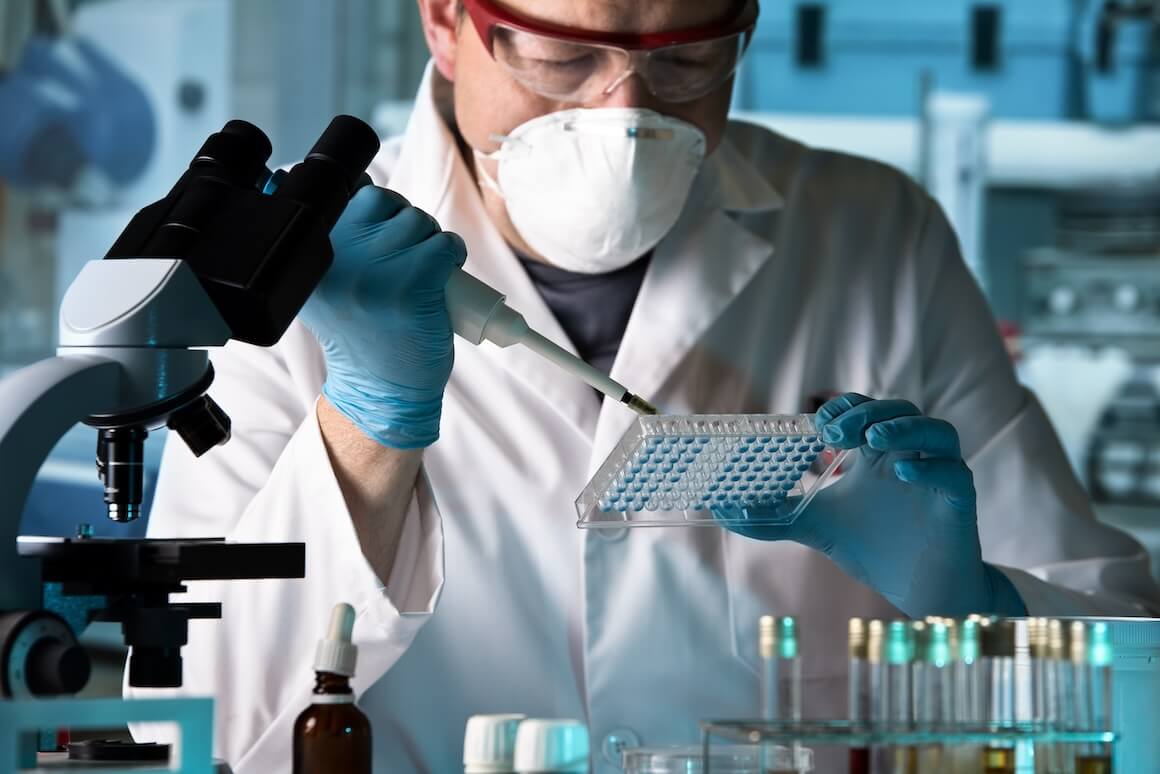
Back in ancient Greece, medical whiz kids like Hippocrates and Alcmaeon of Croton were hot on the idea that blood, phlegm, yellow bile and black bile — known as the body’s “humors” — held the keys to the kingdom of good health and a long life. While humorism theory has since fallen out of medical fashion, one of its core ideas has remained steadfast: There’s a lot to be gleaned from a closer look at the juices inside of our bodies. Those juices have so much potential, in fact, that in recent months medtech experts around the world and specifically…
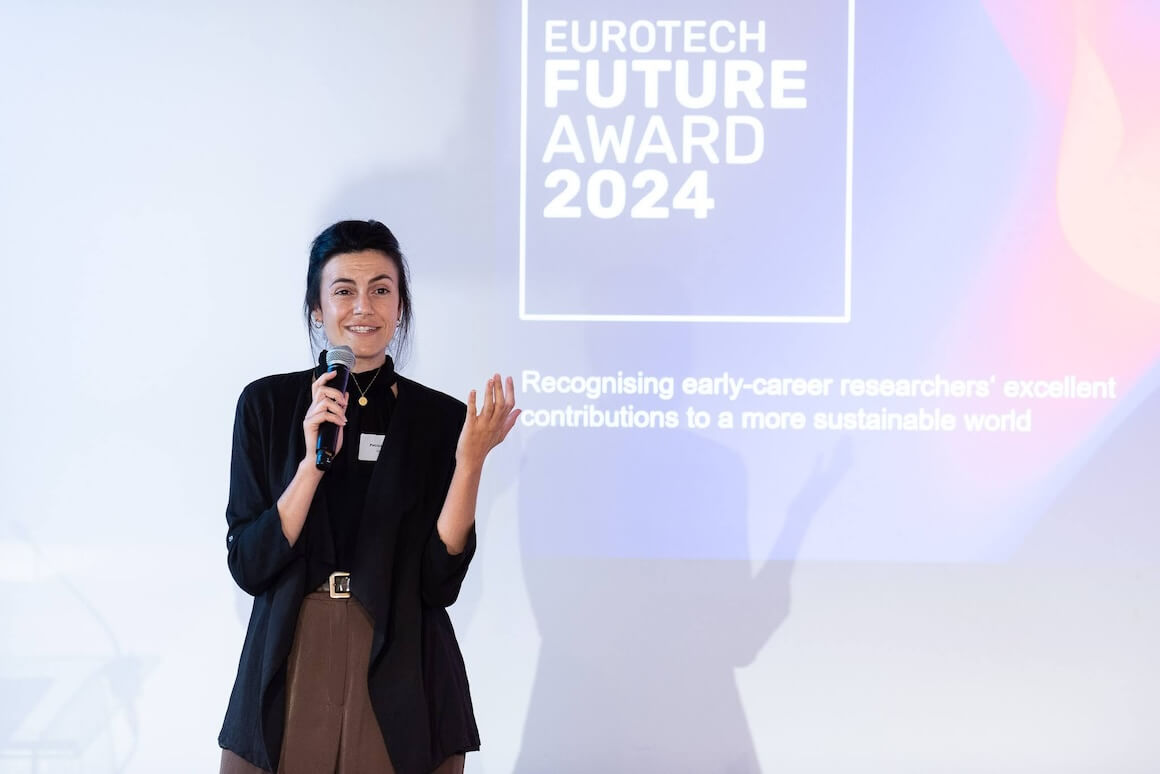
Imagine if music turned out to be the panacea for treating Alzheimer’s disease and other neurological disorders. Dr. Patricia Mora-Raimundo, a postdoctoral researcher in the Technion’s Wolfson Faculty of Chemical Engineering, is investigating the possibility. Like the Pied Piper, she developed a model to improve nanomedicine delivery directly to the injured parts of the brain through music. Nanometric drugs have the potential to produce much better treatment outcomes for neurological diseases than conventional treatments. However, one of the main challenges is the blood-brain barrier. This barrier protects the brain from infections but is also a complex obstacle to drug delivery….

A groundbreaking way of measuring fluid buildup in the body allows chronic heart failure patients to monitor their condition and treat it independently with a physician-approved response. Tel Aviv-based startup Vectorious has created a tiny pressure sensor that is implanted directly into the heart. It is the only sensor in the world that measures the pressure in the left atrium (one of the heart’s two upper chambers) and is able to identify increases in that pressure caused by a buildup of fluid in the body. This data on the left atrial pressure (LAP) is then transmitted to an app for…
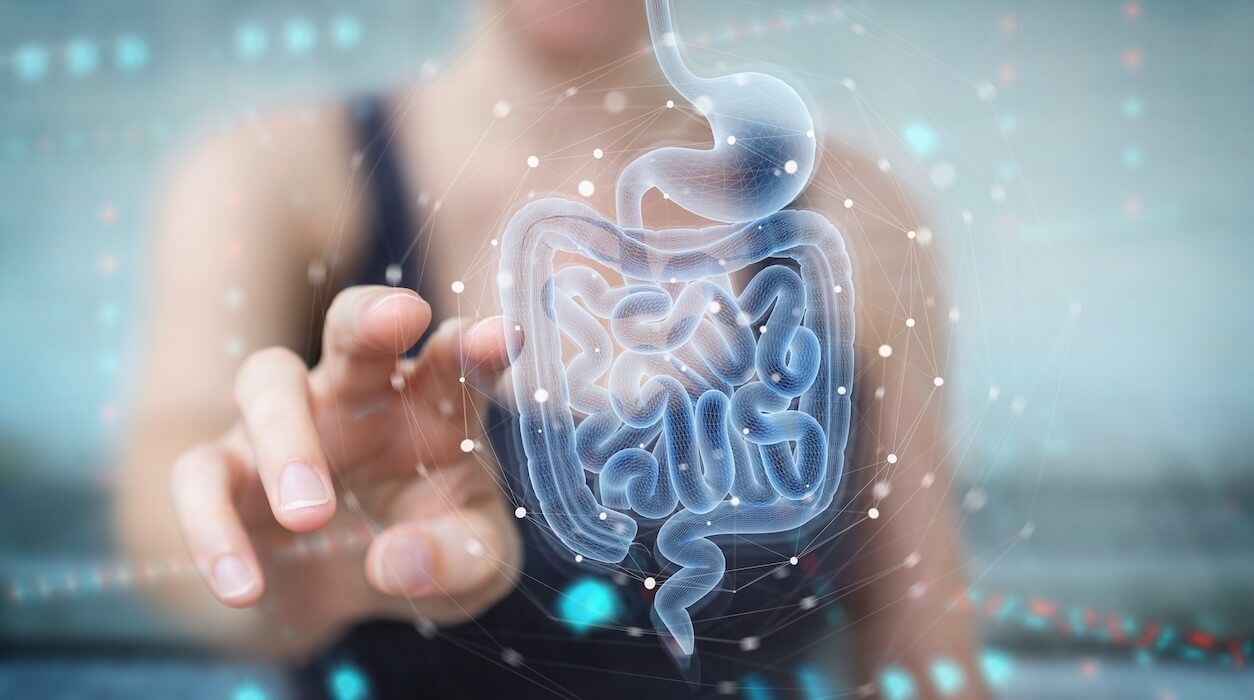
Gut bacteria is a hot topic in science today — and for good reason. Our intestines harbor more than 100 trillion bacteria and other gut microbial cells that influence our metabolism, nutrition, and general health and disease. Investigating a common bacterium in the intestine, Technion researchers have made a discovery that could lead to a better understanding and treatment of inflammatory bowel diseases (IBD) such as colitis and Crohn’s disease. In a process of co-evolution with humans over millions of years, gut bacteria became essential to the proper functioning of our immune system and health, and acquired the ability to…

An estimated 200 million women suffer the pain of a “forgotten” disease. Endometriosis is, in many cases, triggered by their first period, and it’s likely to stay with them until menopause. It’s a chronic and progressive condition characterized by the growth of tiny lesions in the pelvic cavity. It’s the number one cause of infertility and can spread to other organs, sometimes with fatal consequences. It is, however, widely seen as a neglected disease. The symptoms – painful and heavy periods, pain during or after sex, pain going to the toilet during a period, difficulty getting pregnant – are easily…

The Israeli developer of a belt-like device that monitors the health of both a pregnant woman and her fetus has merged with a U.S. firm to create a new combined company. Nuvo’s FDA-cleared device INVU is worn around the belly of the expectant mother and uses central and acoustic sensors to measure fetal movements, fetal heart rate and maternal heart rate. The Tel Aviv-based company has merged with California-headquartered LAMF Global Ventures, and the new entity will retain the Nuvo name and existing operational and management structure. It will also be publicly traded on the NASDAQ Stock Market as NUVO,…
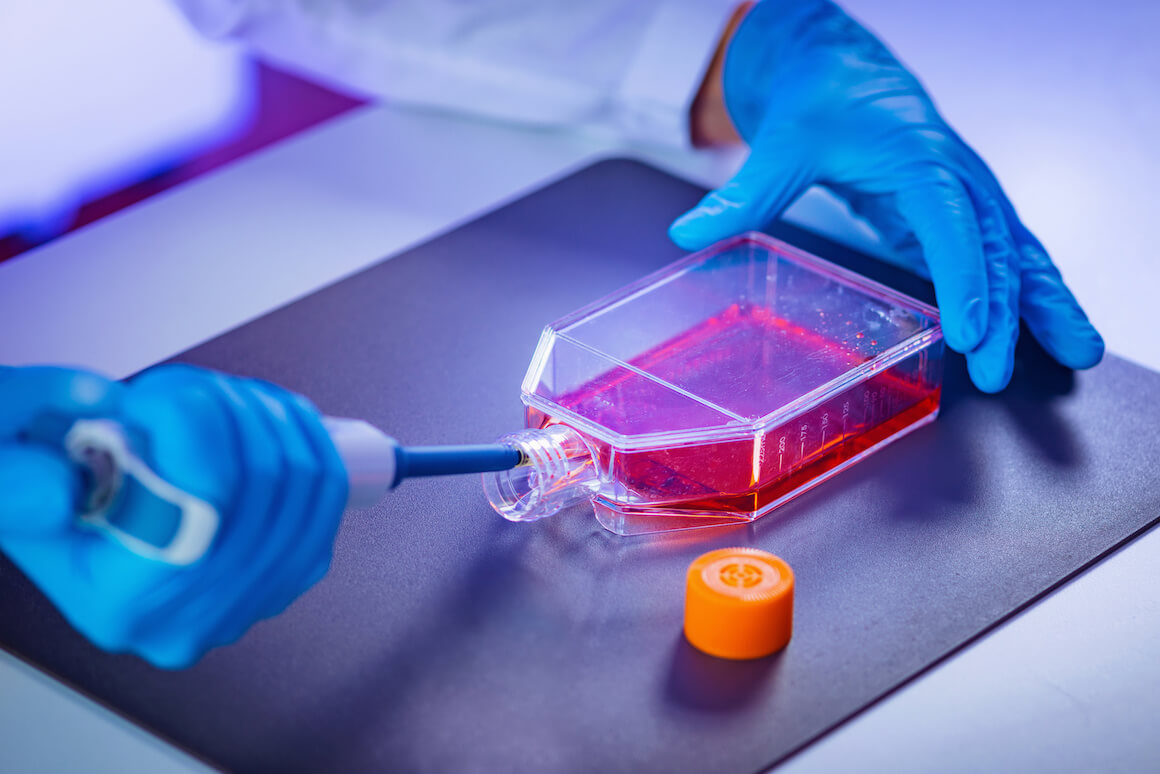
Imagine a lab being able to grow tissue from your own body to replace bone lost through damage or illness, and within a matter of weeks be able to fill the gap so well that once it was healed you would never know it had been there. Israeli medtech company Bonus Biogroup says it has created a way of doing just that – and aims to bring its tissue regeneration innovation to the market in the next couple of years. The company works in the fields of cell therapy and tissue engineering, growing live human tissue in vitro (outside of…
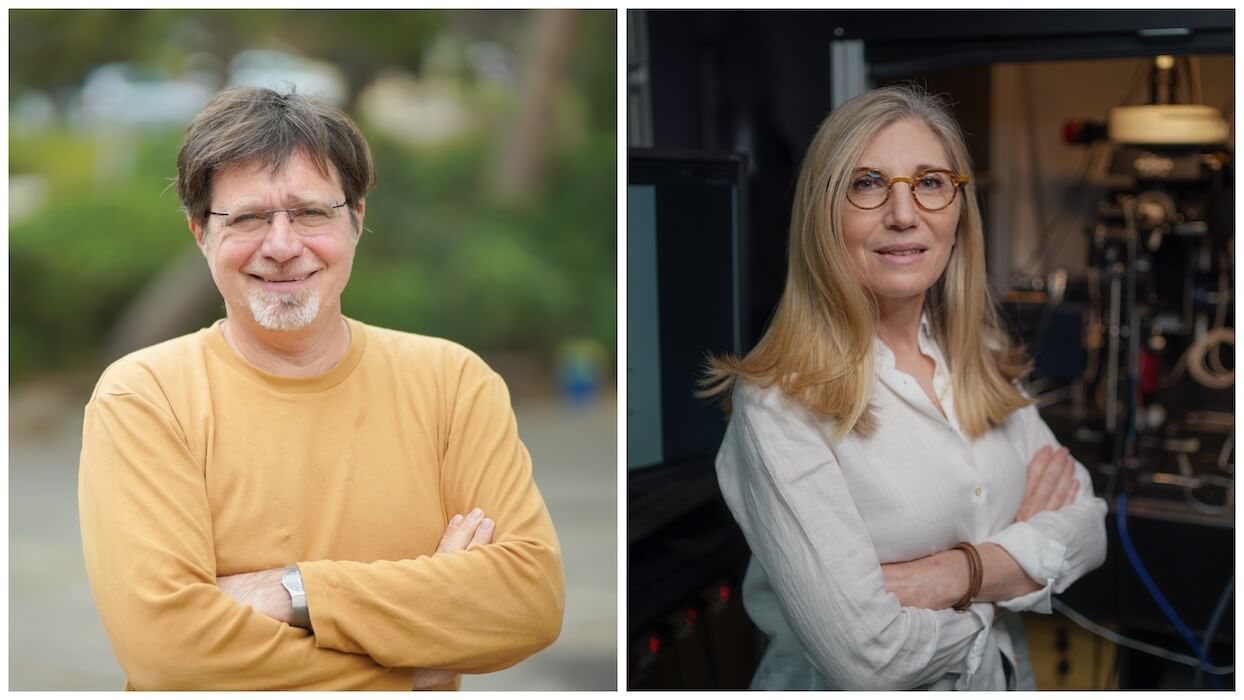
Prestigious grants from the European Commission’s Horizon Europe program were awarded to two Technion researchers to advance their decade-long research. Each of them will receive €2.5 million ($2.66 million). Coincidentally, both grants will further studies in brain science. Professor Michael Glickman, dean of the Faculty of Biology, was awarded for his work on an innovative model to study Alzheimer’s disease that uses nerve cells derived from human stem cells. His team’s research is based on the hypothesis that impairment of the ubiquitin system, which clears cells of damaged proteins, could lead to the development of Alzheimer’s. The grant will enable…