The Technion’s story has been intertwined with Israel’s for more than a century, from laying the foundations for a new nation to shaping its future.

From medicine to security, explore how the Technion is advancing Israel and improving lives around the world.
View All Impact Areas
Explore stories, news, insights, and data across articles, videos, and podcasts.
view all content types
among universities worldwide for producing undergrad entrepreneurs
locations
students
The Technion’s story has been intertwined with Israel’s for more than a century, from laying the foundations for a new nation to shaping its future.
Explore ATS, the Technion, and the people behind the breakthroughs redefining what's possible for Israel and the world.
Learn More About ATSATS is a community of supporters, innovators, and champions of possibility united by one mission: transforming Israel and the world through science and discovery.
Learn MoreFor more than 100 years, the Technion has been Israel's technological engine and leading driver of innovation, technology, and entrepreneurship, transforming ideas into impact.
Learn More
Step inside Israeli innovation at the David and Janet Polak Visitors Center. Experience our 360° immersive movie and tech exhibition. Open to individuals and groups.
Learn MoreFrom medicine to security, explore how the Technion is advancing Israel and improving lives around the world.
View All Impact AreasExplore stories, news, insights, and data across articles, videos, and podcasts.
view all content typesDiscover ways to support, connect, and help drive innovation.
Get InvolvedExplore ATS, the Technion, and the people behind the breakthroughs redefining what's possible for Israel and the world.
Learn More About ATS
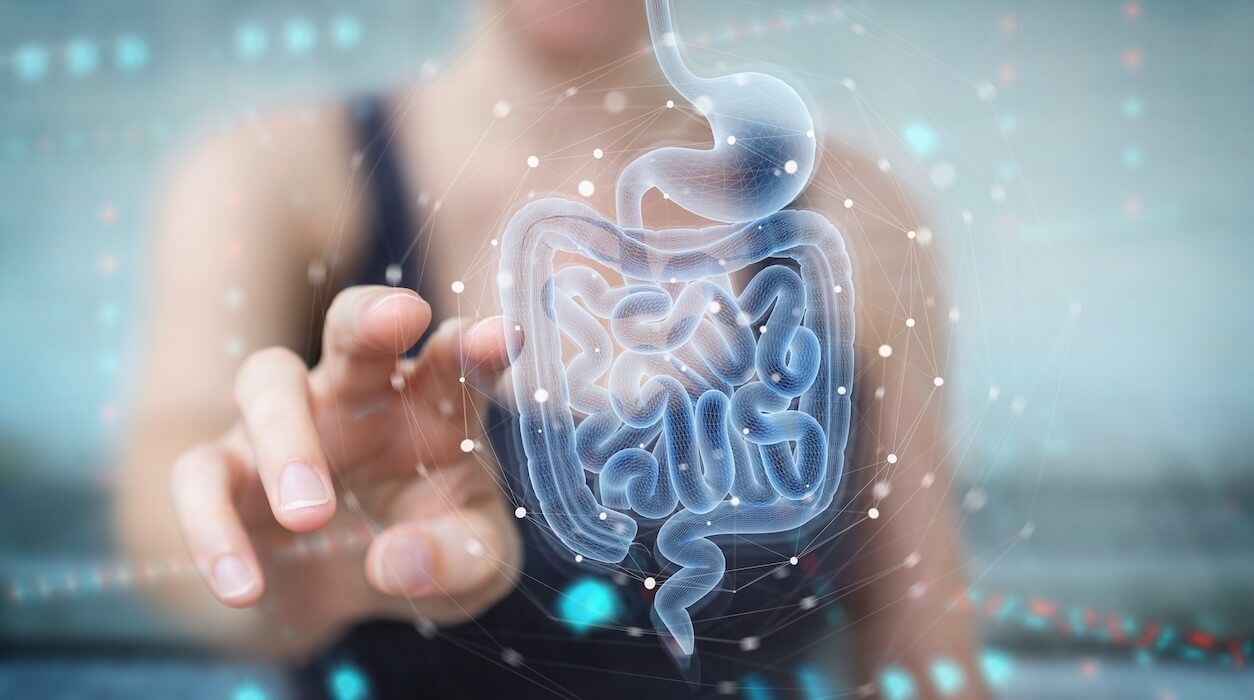
Gut bacteria is a hot topic in science today — and for good reason. Our intestines harbor more than 100 trillion bacteria and other gut microbial cells that influence our metabolism, nutrition, and general health and disease. Investigating a common bacterium in the intestine, Technion researchers have made a discovery that could lead to a better understanding and treatment of inflammatory bowel diseases (IBD) such as colitis and Crohn’s disease.
In a process of co-evolution with humans over millions of years, gut bacteria became essential to the proper functioning of our immune system and health, and acquired the ability to adapt to changes in their environment. The mechanism that enables such adaptation is their ability to undergo rapid genomic changes, due to a trait known as plasticity.
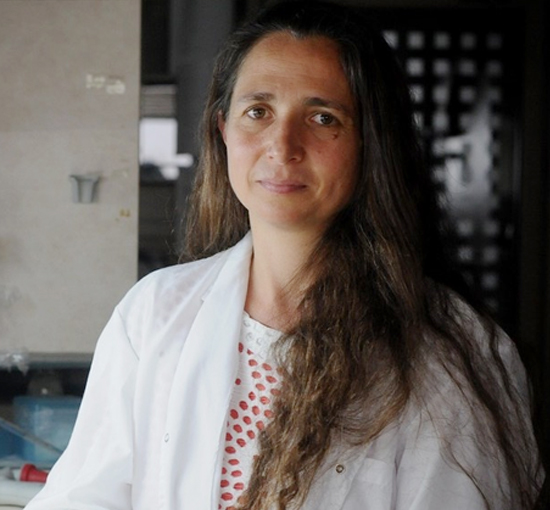
In analyses of more than 2,000 healthy and sick individuals and preclinical research in model mice, a team of scientists identified patterns of DNA reversible inversions that could switch ON or OFF the production of molecules responsible for inducing beneficial immune cells that suppress excessive inflammation and maintain gut homeostasis. The researchers, led by Professor Naama Geva-Zatorsky at the Rappaport Faculty of Medicine, also discovered the culprit: bacteriophages — viruses that infect bacteria, turning the switch OFF.
“This research offers critical insight into the intricate interactions between gut bacteria and the immune system in inflammatory bowel disease,” said Prof. Geva-Zatorsky. “The same genomic flexibility that was developed through evolution provides the bacteria with functional plasticity, thereby helping them to adapt to intestinal disease. It opens doors for targeted interventions aimed at restoring the balance of gut microbiota in IBD patients.”
The research was supported by the European Research Council (ERC), the Technion President’s Fund, the Ruth and Bruce Rappaport Cancer Research Center, the Dan and Betty Kahn Foundation, and various other noteworthy institutions.
June 10, 2024
Discover how research into gut bacteria is enhancing our understanding of inflammatory bowel diseases (IBD) and their management.
1 min
X (opens in a new tab) / Facebook (opens in a new tab) / LinkedIn (opens in a new tab) / Email / Copy Link
What if diagnosing cancer, Parkinson’s disease, or other serious illnesses could be as simple as breathing into a handheld device? That possibility is moving closer to reality thanks to the work of the Technion’s Prof. Hossam Haick, whose groundbreaking research is changing how diseases are detected around the world. In recognition of his extraordinary achievements, […]
Every year, the European Research Council (ERC) identifies some of the world’s most promising early-career researchers and gives them the freedom to pursue bold ideas. This year, two of those ideas came from the Technion – Israel Institute of Technology. From cancer research to artificial intelligence (AI), breakthroughs that shape the future often begin with […]
As more people turn to AI chatbots for companionship, life advice, or even as a stand-in for therapy, experts say the technology offers both new opportunities and risks when it comes to mental health. Prof. Tanzeem Choudhury is the chief of health innovation in the Joan & Irwin Jacobs Technion-Cornell Institute and has been studying AI and mental health for 15 years. She said AI tools are available any time, often at low cost, making it easier for people to access some form of mental health support.
Stay on top of the latest breaking scientific discoveries from Israel and the Technion. Subscribe to the ATS newsletter.