The Technion’s story has been intertwined with Israel’s for more than a century, from laying the foundations for a new nation to shaping its future.

From medicine to security, explore how the Technion is advancing Israel and improving lives around the world.
View All Impact Areas
Explore stories, news, insights, and data across articles, videos, and podcasts.
view all content types
of the student body are Arab Israeli
in Europe and #21 in the world for aerospace engineering*
of the student body are women
The Technion’s story has been intertwined with Israel’s for more than a century, from laying the foundations for a new nation to shaping its future.
Explore ATS, the Technion, and the people behind the breakthroughs redefining what's possible for Israel and the world.
Learn More About ATSATS is a community of supporters, innovators, and champions of possibility united by one mission: transforming Israel and the world through science and discovery.
Learn MoreFor more than 100 years, the Technion has been Israel's technological engine and leading driver of innovation, technology, and entrepreneurship, transforming ideas into impact.
Learn More
Step inside Israeli innovation at the David and Janet Polak Visitors Center. Experience our 360° immersive movie and tech exhibition. Open to individuals and groups.
Learn MoreFrom medicine to security, explore how the Technion is advancing Israel and improving lives around the world.
View All Impact AreasExplore stories, news, insights, and data across articles, videos, and podcasts.
view all content typesExplore ATS, the Technion, and the people behind the breakthroughs redefining what's possible for Israel and the world.
Learn More About ATS
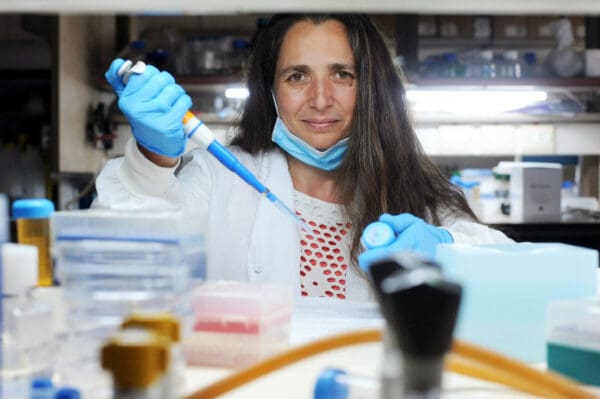
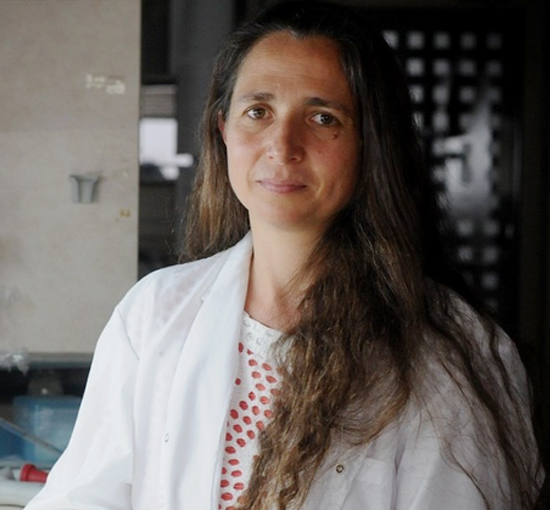
The Geva-Zatorsky lab, established nearly three years ago, studies the interaction of gut microbes and the host immune system in health and disease. She has characterized the host response to a variety of intestinal microbes and has developed an approach that fluorescently labels the microbes to visualize them live inside organisms. Other research projects in her lab focus on antibiotic-resistant bacteria; the emerging field of the gut-brain axis, which explores the interaction between intestinal bacteria and the brain; and how gut bacteria can be used for cancer prevention and treatments.
Since the COVID-19 pandemic took hold, many of the researchers in the lab have been working with colleagues at the Rambam Health Care Center and Meir Medical Center to develop a coronavirus home test kit. The test is based on saliva samples and would be inexpensive, easy to use, and capable of delivering results in several minutes.
Prof. Geva-Zatorsky received her bachelor’s degree from Tel Aviv University in 2002, majoring in both biology and chemistry. She went on to the Weizmann Institute of Science to earn her master’s and doctoral degrees in systems biology, in 2005 and 2012, respectively. She conducted her postdoctoral work at Harvard Medical School, and then joined the Technion.
She has received numerous awards including the Alon Fellowship for outstanding young researchers, the International L’Oréal-UNESCO Prize for Women in Science, an EMBO Fellowship, the John F. Kennedy Prize for academic excellence and scientific accomplishments, and appointments as the CIFAR Azrieli Global Scholar 2018-2020.
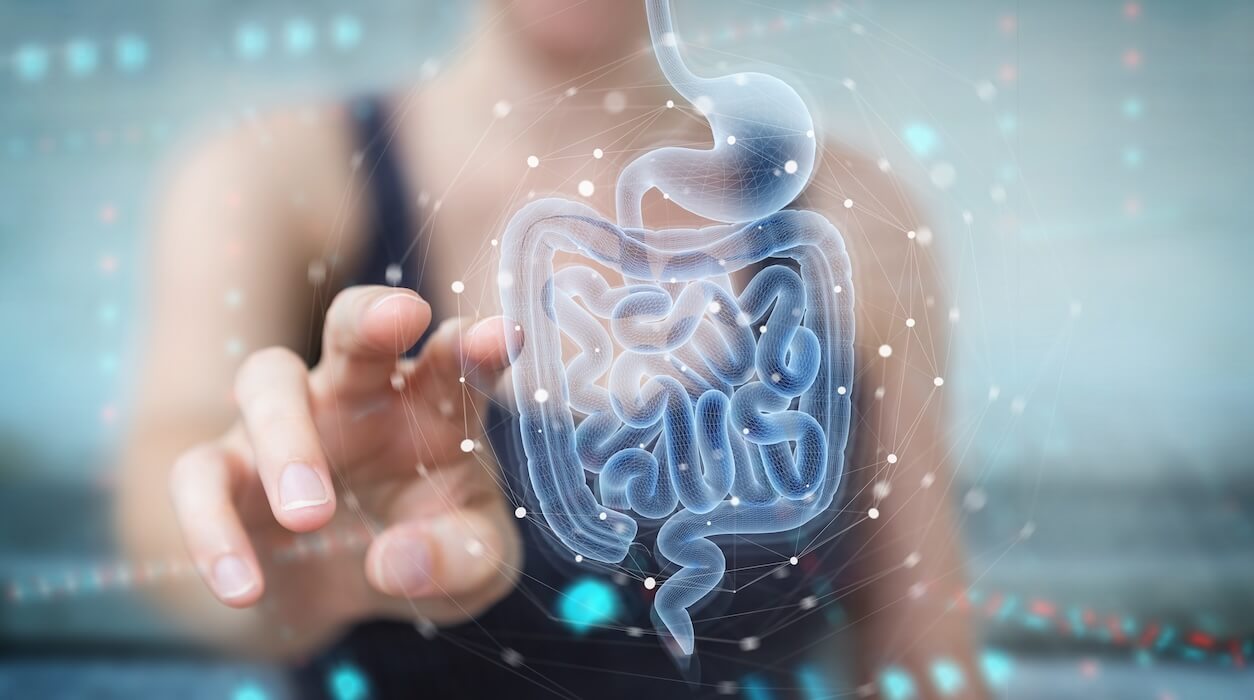
Gut bacteria is a hot topic in science today — and for good reason. Our intestines harbor more than 100 trillion bacteria and other gut microbial cells that influence our metabolism, nutrition, and general health and disease. Investigating a common bacterium in the intestine, Technion researchers have made a discovery that could lead to a better understanding and treatment of inflammatory bowel diseases (IBD) such as colitis and Crohn’s disease. In a process of co-evolution with humans over millions of years, gut bacteria became essential to the proper functioning of our immune system and health, and acquired the ability to…
Are you a morning lark or a night owl? Whether you’re a “morning person” or a “night person” may have something to do with your gut bacteria. A collaborative research project between the University of Haifa and the Technion has found that “morning people” and “night people” differ from each other in their gut microbiome – the bacterial populations that inhabit our digestive tract. The study was conducted in collaboration between researchers and a number of research groups at the two universities: Assistant Professor Naama Geva-Zatorsky, head of the Microbiome Research Lab of the Rappaport Faculty of Medicine at the…
Professor Na’ama Geva-Zatorsky takes you on a lab tour in the Ruth and Bruce Rappaport Faculty of Medicine at Technion – Israel Institute of Technology. As principal investigator in her laboratory at the Technion Integrated Cancer Center (TICC), she typically studies the interaction of gut microbes and the host immune system in health and disease. […]
Stay on top of the latest breaking scientific discoveries from Israel and the Technion. Subscribe to the ATS newsletter.