Something Fresh in the State of Denmark
October 06, 2026




















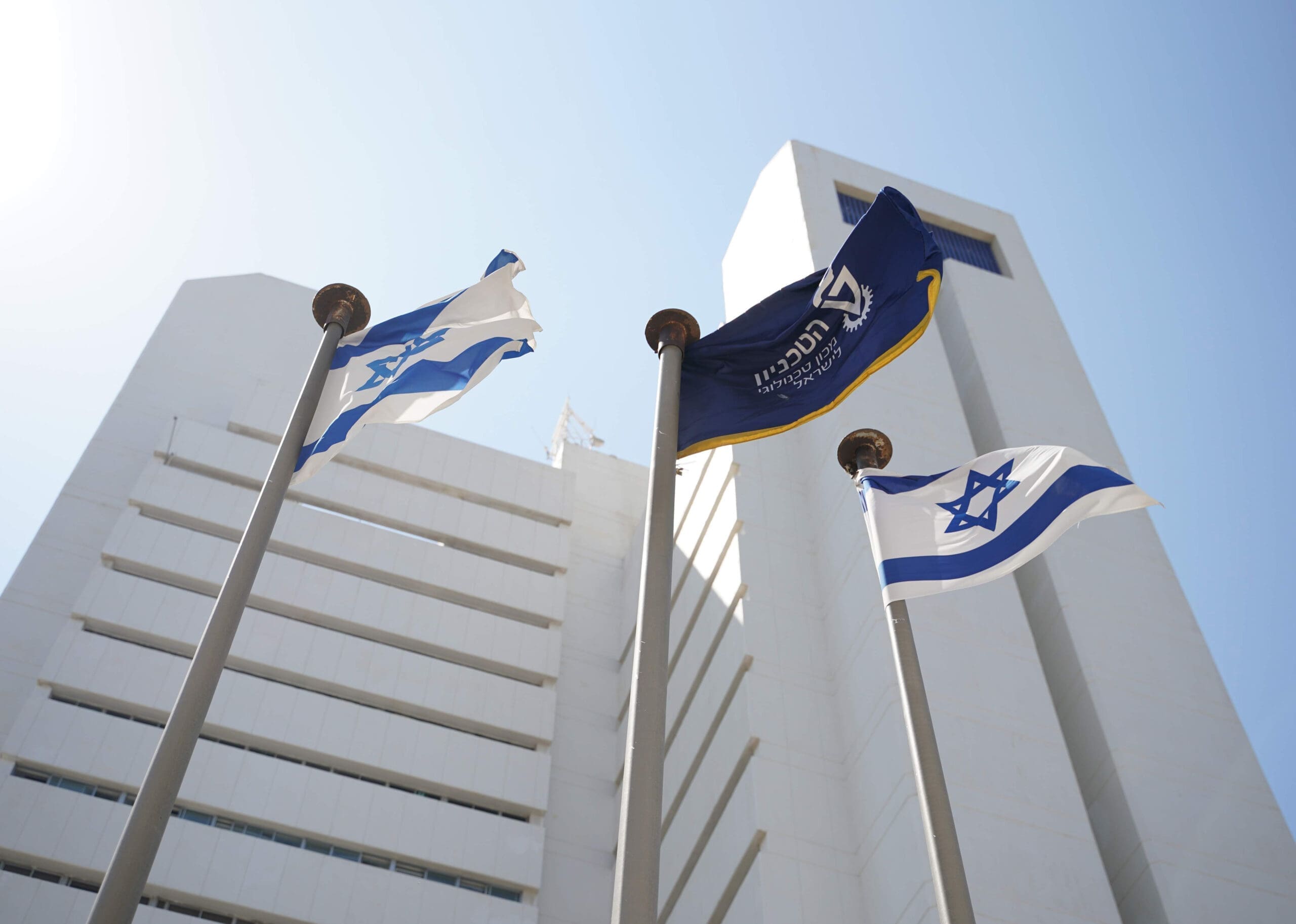








The Technion’s story has been intertwined with Israel’s for more than a century, from laying the foundations for a new nation to shaping its future.

Step inside Israeli innovation at the David and Janet Polak Visitors Center. Experience our 360° immersive movie and tech exhibition. Open to individuals and groups.
Learn More

LifeCord has a strong intellectual property (IP) portfolio, including 52 patent families pending worldwide and 21 issued or allowed patents. This IP position ensures market exclusivity and gives LifeCord a significant competitive edge. You can learn more about the company below. LifeCord is pioneering innovative solutions for mitral chordal repair, addressing mitral regurgitation, which affects approximately 2% of the global population. Our flagship product is a breakthrough leaflet-preserving device that avoids puncturing the leaflet and enables future interventions, aiming to disrupt the market with a safer, superior, and primary solution for degenerative mitral regurgitation (DMR) patients. The device offers a…

Researchers at the Technion, led by Professor Nabieh Ayoub and his team, are paving the way for future cancer treatments with a new study that could change how we tackle lung cancer. The team explored a specific form of lung cancer called lung adenocarcinoma (LUAD), which is often diagnosed in its advanced stages, leaving patients with limited […]

Researchers at the Technion – Israel Institute of Technology have created new materials that could improve magnetic resonance imaging (MRI) technology. In turn, this could lead to advancements in disease detection and potentially reduce the need for some radiation-based diagnostic procedures. The research team used a novel methodology called MMV (matrix magnetization vehicles), which uses engineered materials to enhance the detection of metabolites, small molecules that can indicate various health conditions. The MMV method increases the magnetic resonance signal strength by about four orders of magnitude, and extends the duration of the enhanced signal to approximately 10 minutes, compared to…

The emerging multidisciplinary field of mechanobiology is leading to advancements in constructing engineered tissues and organs, repairing and regenerating damaged tissue, providing therapy for diseases, improving plant growth and agricultural products, and developing new or self-repairing materials. The field studies how cells sense and respond to mechanical signals. New research in this field by Assistant Professor Joshua Grolman and Yifan Liao in the Technion’s Faculty of Materials Science and Engineering and Assistant Professor Charles Diesendruck in the Schulich Faculty of Chemistry demonstrates a strategy for measuring mechanical forces in biological processes. The development is expected to accelerate, streamline, and reduce…
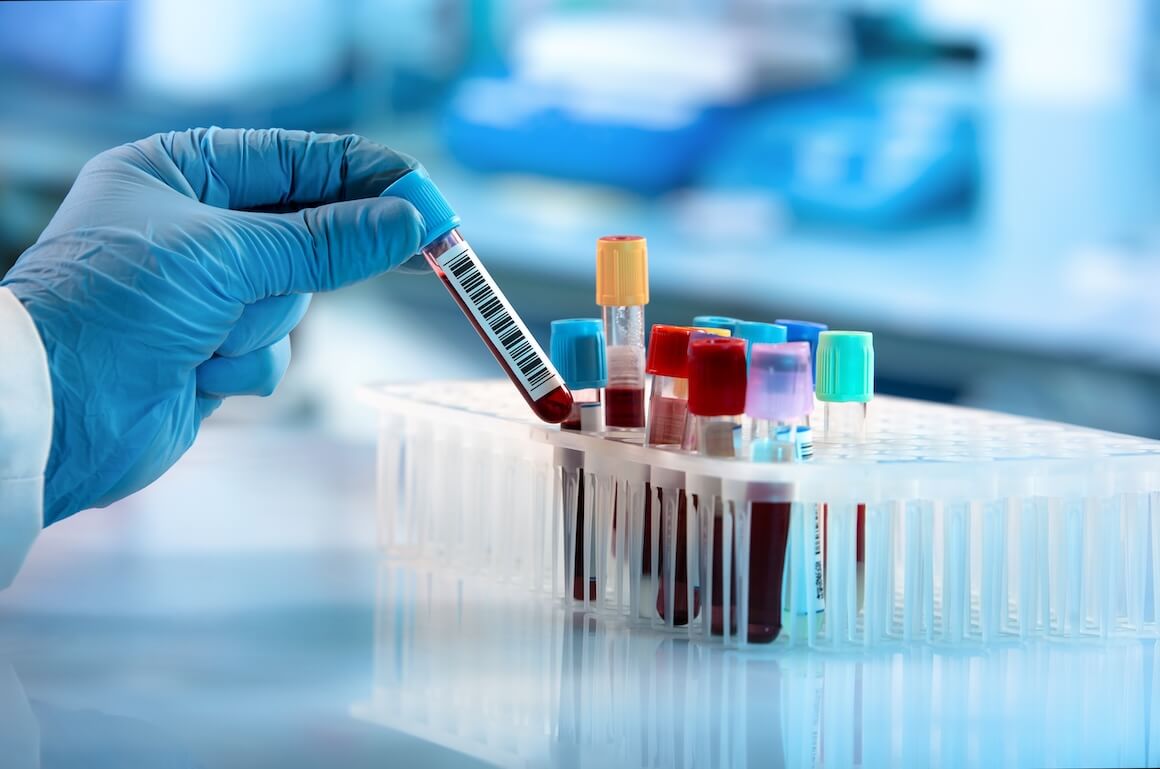
Israeli medical diagnostic company MeMed has announced the successful completion of the first randomized controlled trial in the US of its test to differentiate between bacterial and viral infections. The test could reduce the amount of use of antibiotics, which do not work on viral infections but whose prescription for them plays a part in the growing problem of antibiotic resistance in bacteria. The company says the trial of the MeMed BV test successfully demonstrates its clinical utility in promoting appropriate antibiotic use, highlighting its potential to improve patient outcomes and healthcare decision making. It also called the trial a…

The Biomed company Epitomee’s share value spiked this month (188%) after its new weight loss pill was approved by the FDA. The pill, which inherited its company’s name will join the fierce competition between weight loss pills in the market. In complete contrast to Novo Nordisk’s Wegovy and Eli Lilly’s Mounjaro, Epitomee’s capsule does not contain any active substance. It is a sophisticated pill that, after being swallowed and arriving at its intended destination, expands and changes its shape into a rigid triangle, in response to the acidic environment. In doing so, it mimics the presence of solid food, which…
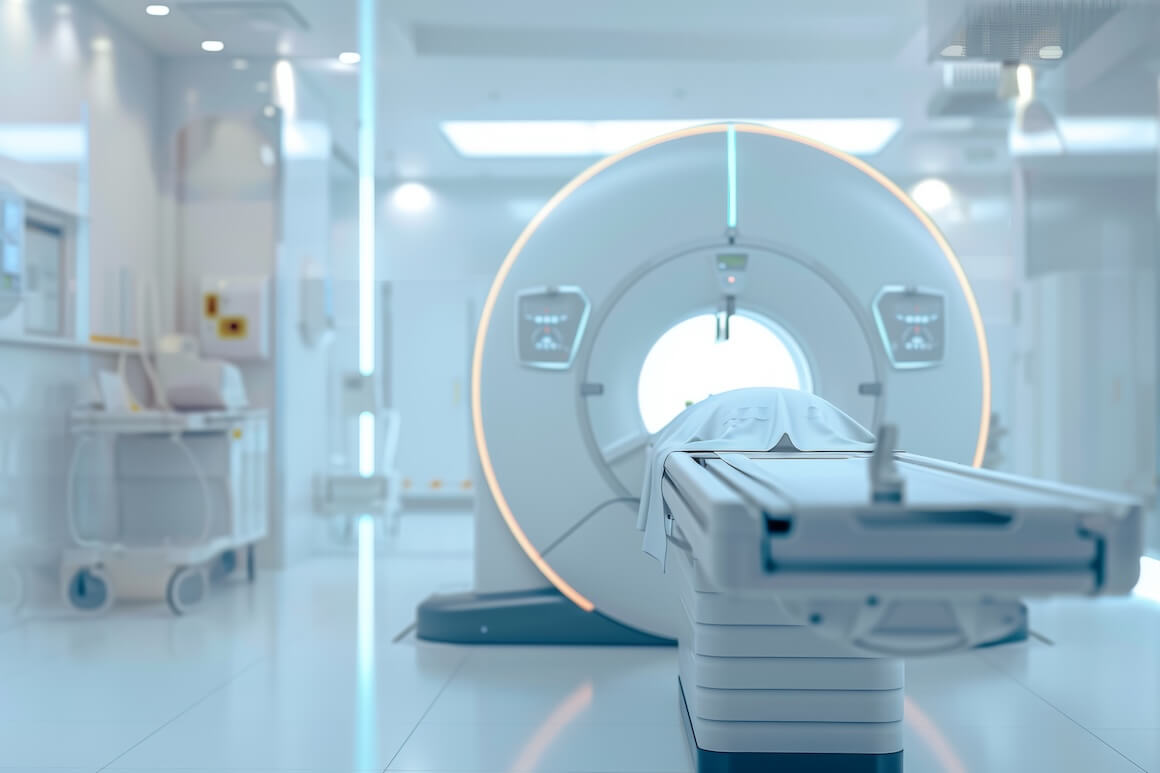
New materials developed by researchers at the Technion – Israel Institute of Technology are expected to significantly improve the performance of MRI scans, helping with early diagnosis for a range of diseases and reducing the need for some radiation-intensive tests. An MRI – or magnetic resonance imaging – is a noninvasive procedure used by clinicians to get an image of what is happening inside a person’s body, including their organs, bones and blood vessels. But one of the limitations of conventional MRI devices is that they struggle to detect metabolites – small molecules involved in the body’s chemical processes –…
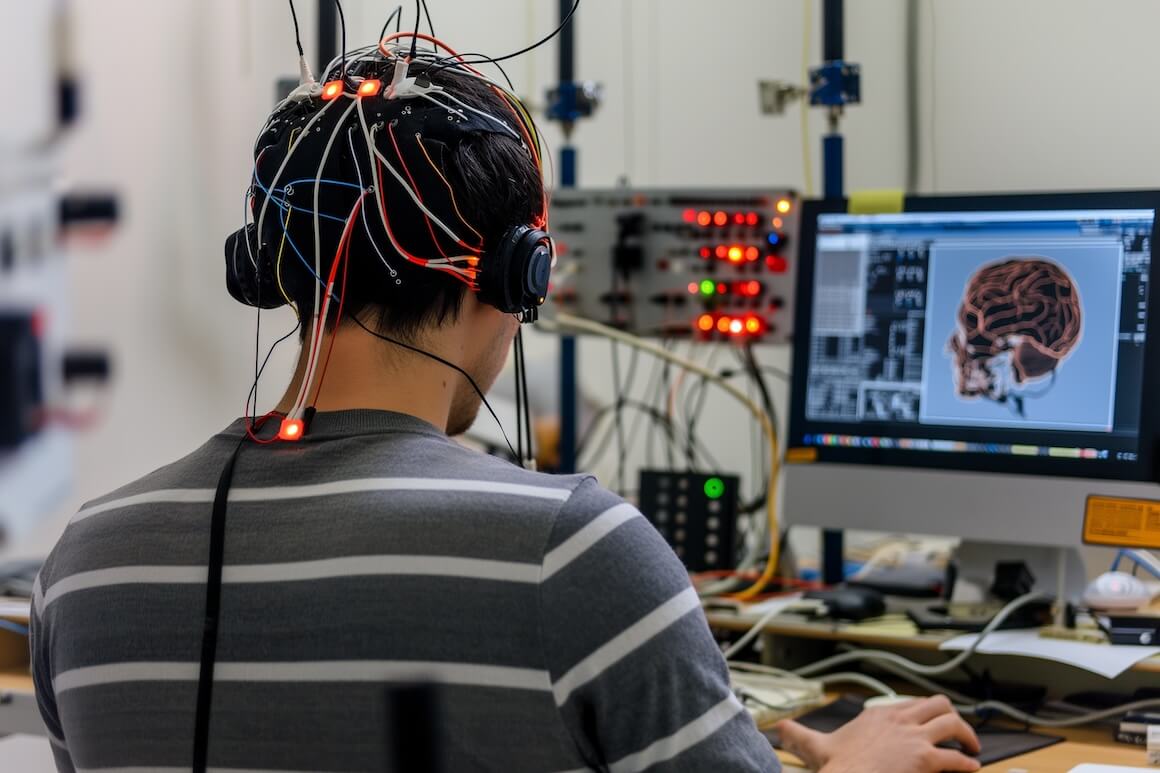
Two health institutions in the United States have added an Israeli wearable device to their roster of treatments for post-traumatic stress disorder. The FDA-approved Prism device – an electrodes-laden cap that fits snugly over the head – was developed by GrayMatters Health, a Haifa-based company that develops digital training therapies to help the brain regulate mental health care. Home Base, the largest private US clinic of its kind treating veterans and service members, is adding Prism to its existing PTSD programs at the National Center of Excellence in Charlestown, Massachusetts, while New York-based Fermata interventional psychiatry practice is offering the…

A hunch by a respected Israeli biochemist about a molecule found in papaya has opened the door to revolutionize the treatment for metabolic and respiratory disorders, including cystic fibrosis (CF) in children. Inspired by the hunch, Israeli biotech startup ODE Pharma was founded with the mission of developing safe and cost-effective treatments for children suffering from the genetic disease. CF is caused by a defective gene that makes the body produce thick and sticky mucus in the lungs and other organs, which leads to a variety of serious lifelong issues, including chronic respiratory problems and recurrent lung infections. There is…

Israeli company DeepDense, which specializes in AI medical imaging, has teamed up with US firm Spectrum Dynamics Medical, a leading innovator in digital imaging, to develop innovative applications for analysis of cardiac and spine diseases. By working together, the two companies aim to use DeepDense’s advanced AI technology to improve diagnostic accuracy, streamline workflows, and improve patient care. The DeepDense AI applications will be added to Spectrum Dynamics’ portfolio of solutions, along with the former’s unique 3D labeling tools. “The integration state of the art digital SPECT technology with advanced AI features will open the path to new capabilities in…

The oldest and leading Arab-owned med-tech company in Israel started in a city in the Israeli periphery known more as Jesus’s hometown than a high-tech hub. But for Reem Younis, 59, who grew up in a working-class Christian family in Nazareth, there was no better location to found what has become a giant in Israel’s med-tech industry. In 1993, alongside her husband, Imad, she established Alpha Omega, one of the world’s top manufacturers of electrodes and other medical devices that record the activity of neurons from within the brain. Today, researchers and neurosurgeons worldwide use Alpha Omega equipment to guide…

In the time it takes to read this article, several people in the United States will likely experience a heart attack — according to the CDC, someone in the US suffers from one every 40 seconds. That morbid statistic highlights the importance of coronary artery disease detection methods, and companies developing them. One such company is Israeli startup AccuLine, which recently secured $4.2 million in seed funding for the development and commercialization of its CORA (Coronary Artery Risk Assessment) system, designed to improve the early detection of coronary artery disease (CAD), a leading cause of heart attacks. CORA detects two…