Something Fresh in the State of Denmark
October 06, 2026
















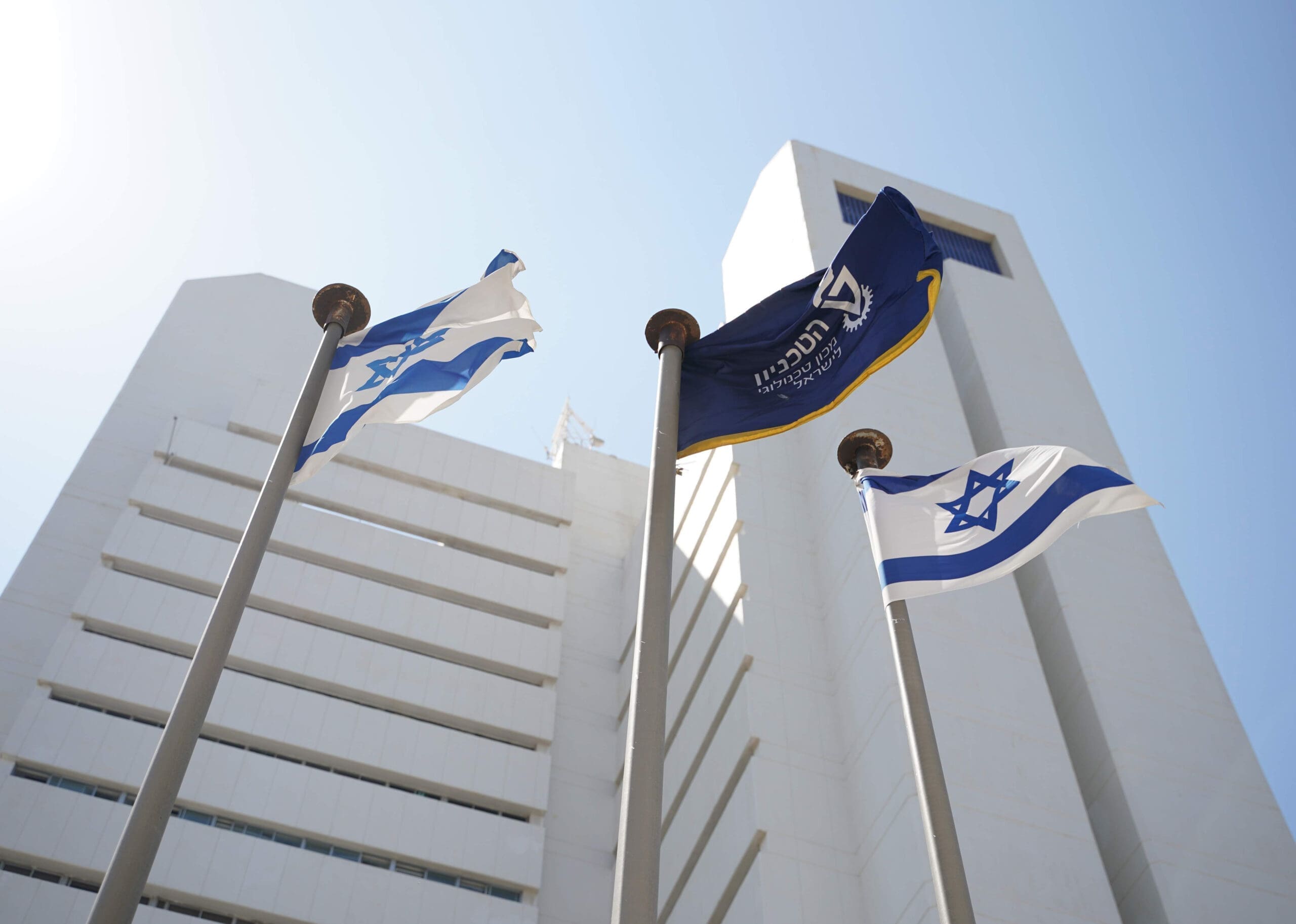





The Technion’s story has been intertwined with Israel’s for more than a century, from laying the foundations for a new nation to shaping its future.

Step inside Israeli innovation at the David and Janet Polak Visitors Center. Experience our 360° immersive movie and tech exhibition. Open to individuals and groups.
Learn More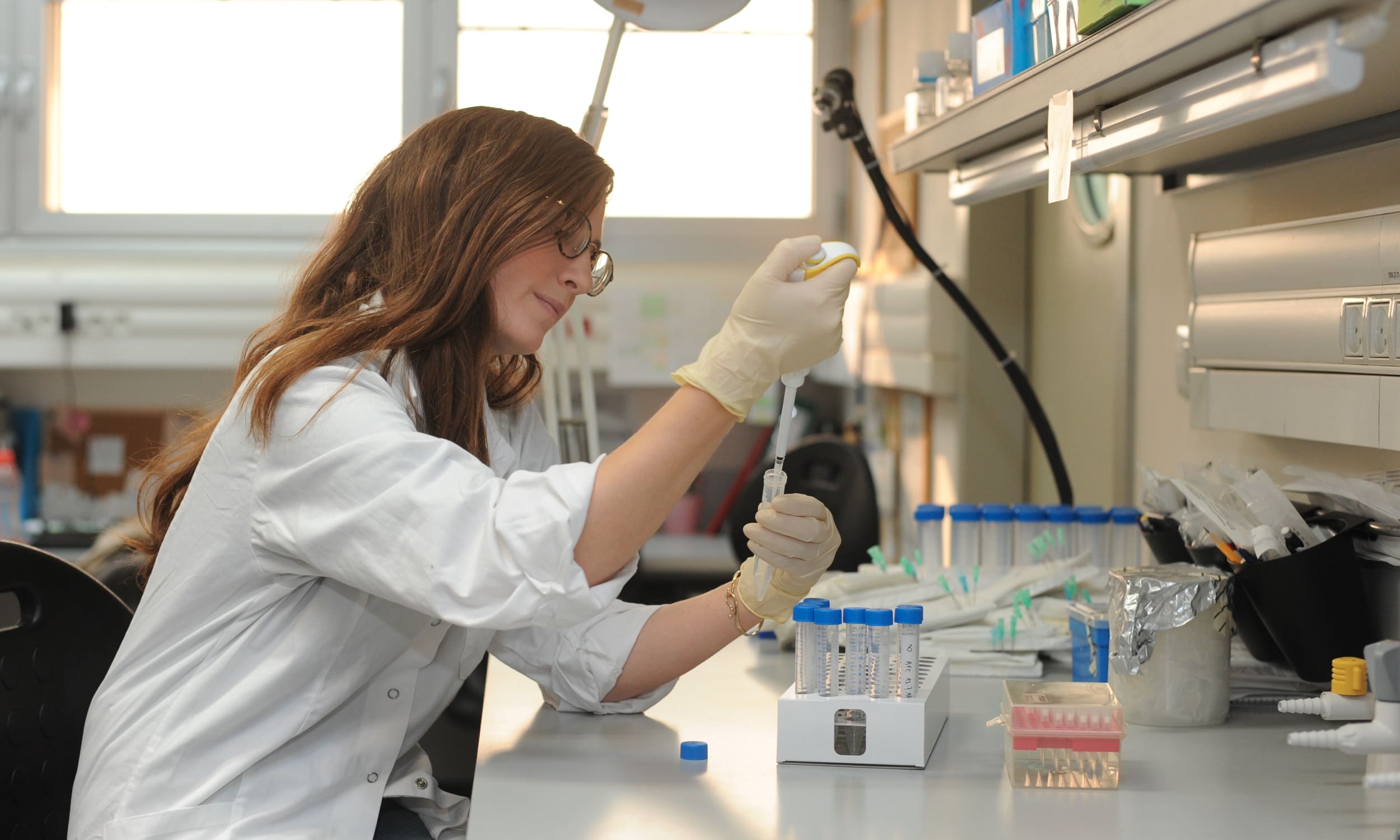
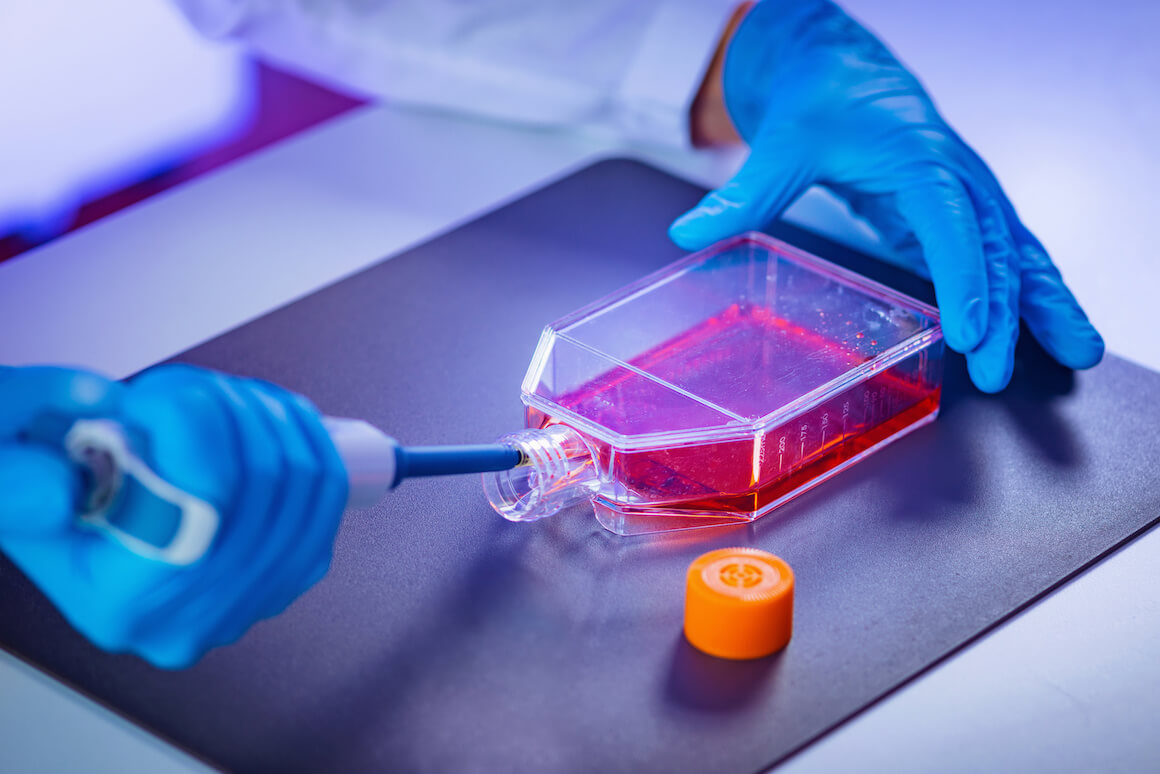
Imagine a lab being able to grow tissue from your own body to replace bone lost through damage or illness, and within a matter of weeks be able to fill the gap so well that once it was healed you would never know it had been there. Israeli medtech company Bonus Biogroup says it has created a way of doing just that – and aims to bring its tissue regeneration innovation to the market in the next couple of years. The company works in the fields of cell therapy and tissue engineering, growing live human tissue in vitro (outside of…
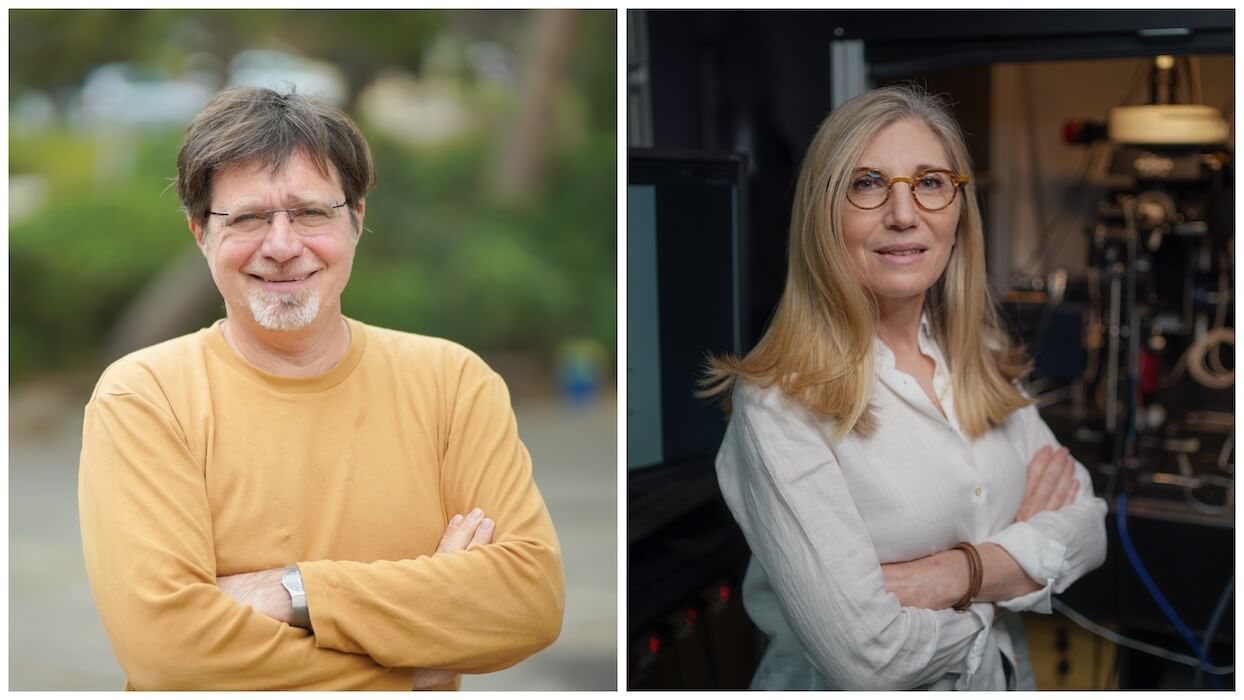
Prestigious grants from the European Commission’s Horizon Europe program were awarded to two Technion researchers to advance their decade-long research. Each of them will receive €2.5 million ($2.66 million). Coincidentally, both grants will further studies in brain science. Professor Michael Glickman, dean of the Faculty of Biology, was awarded for his work on an innovative model to study Alzheimer’s disease that uses nerve cells derived from human stem cells. His team’s research is based on the hypothesis that impairment of the ubiquitin system, which clears cells of damaged proteins, could lead to the development of Alzheimer’s. The grant will enable…
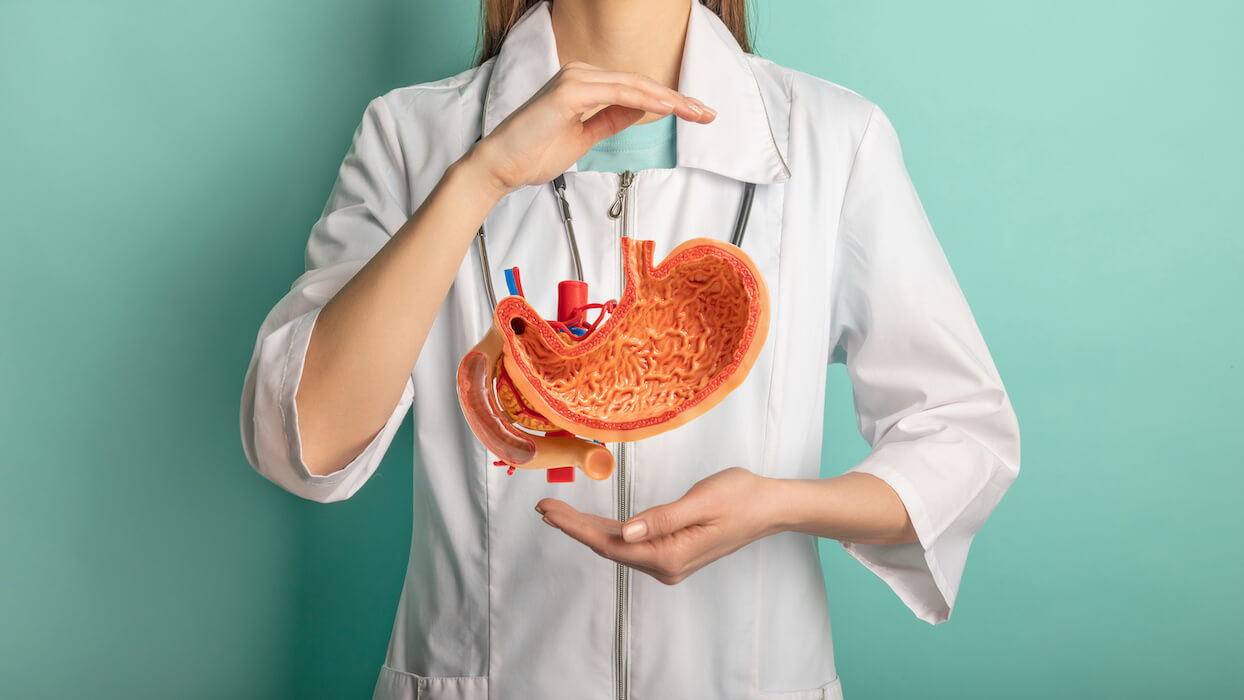
Undergoing major gastrointestinal (GI) surgery can be challenging enough for a patient without the worry of a grave yet common aftereffect that requires urgent corrective surgery and a lengthy hospital stay – or worse. Israeli startup Exero Medical has come up with a way of keeping tabs on the surgical site after such a procedure, looking for a localized rupture that has hitherto been extremely difficult to detect. Every year, millions of people undergo surgery in the digestive tract – in most cases, for the removal of a part of the digestive system due to issues such as cancer or diverticulitis, Exero…

The bacteria in the gut – known as the microbiome – have in recent years emerged as a focal point of scientific exploration, with their intricate roles in our metabolism, nutrition, and overall health coming into sharp focus. Researchers at the Technion-Israel Institute of Technology in Haifa have now made a discovery that could lead to a better understanding of and treatment for inflammatory bowel diseases (IBD) such as colitis and Crohn’s disease. Over millions of years of co-evolution with humans, gut bacteria have become indispensable for the proper functioning of our immune system. The gut is a constantly changing organ,…
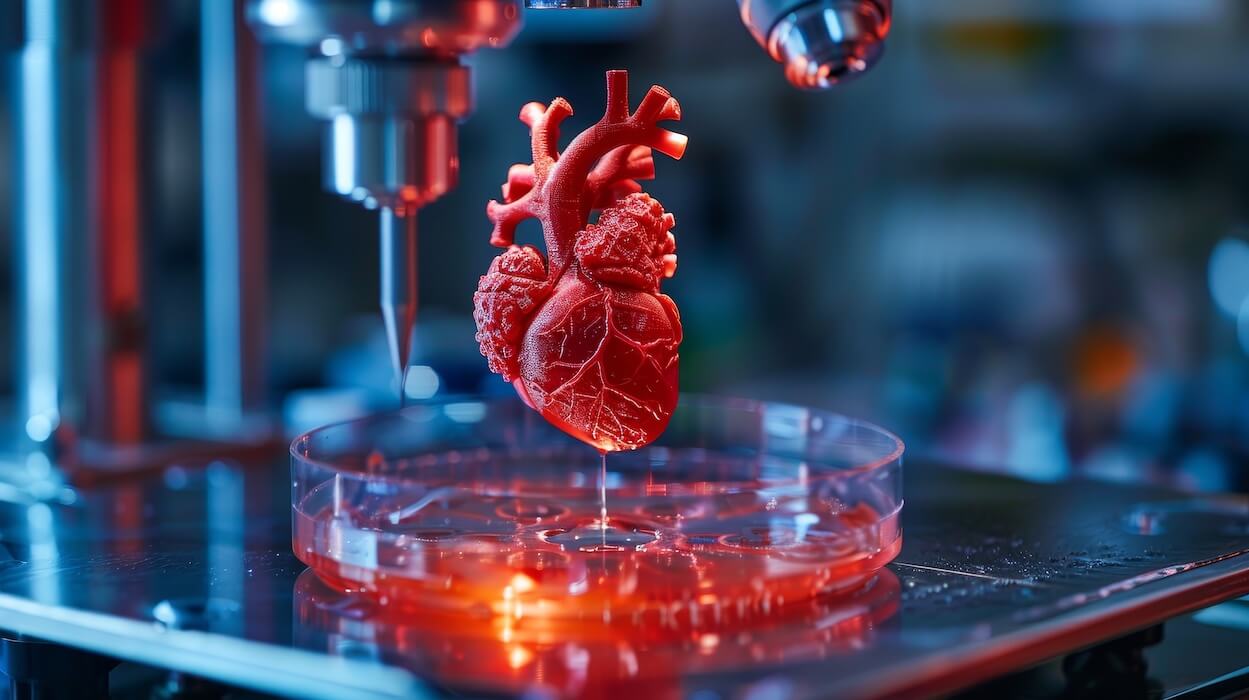
Globally, there is a persistent shortage of viable organs for transplantation. This unmet need has spurred the development of “engineered organs” — cultivated tissue that mimics the structure and function of livers, hearts, lungs and other vital viscera. While these in-vitro inside parts can be used to fill the gap in organ supply, it’s really hard to supply blood throughout the newly transplanted tissue. To solve this problem, Bonus Biogroup, an Israeli biotechnology company specializing in next-generation tissue regeneration therapies, has developed a method of producing a sophisticated network of artificial blood vessels that will enable reliable blood flow to transplanted artificial organs, drastically…

An Israeli medtech company whose novel therapy freezes and destroys malignant tumors has announced positive results in a trial of breast cancer patients. IceCure Medical’s ProSense system uses extremely cold liquid (cryoablation) to freeze and destroy abnormal tumors as an alternative to surgical removal. Its focus is currently on early-stage breast, lung, liver and kidney tumors. While cryoablation is not a new process, IceCure Medical’s system allows physicians to perform the procedure in their own offices, with no need for hospitalization. The company’s ICE3 study is the largest multicenter clinical trial performing cryoablation on low-risk and early-stage breast cancer tumors….
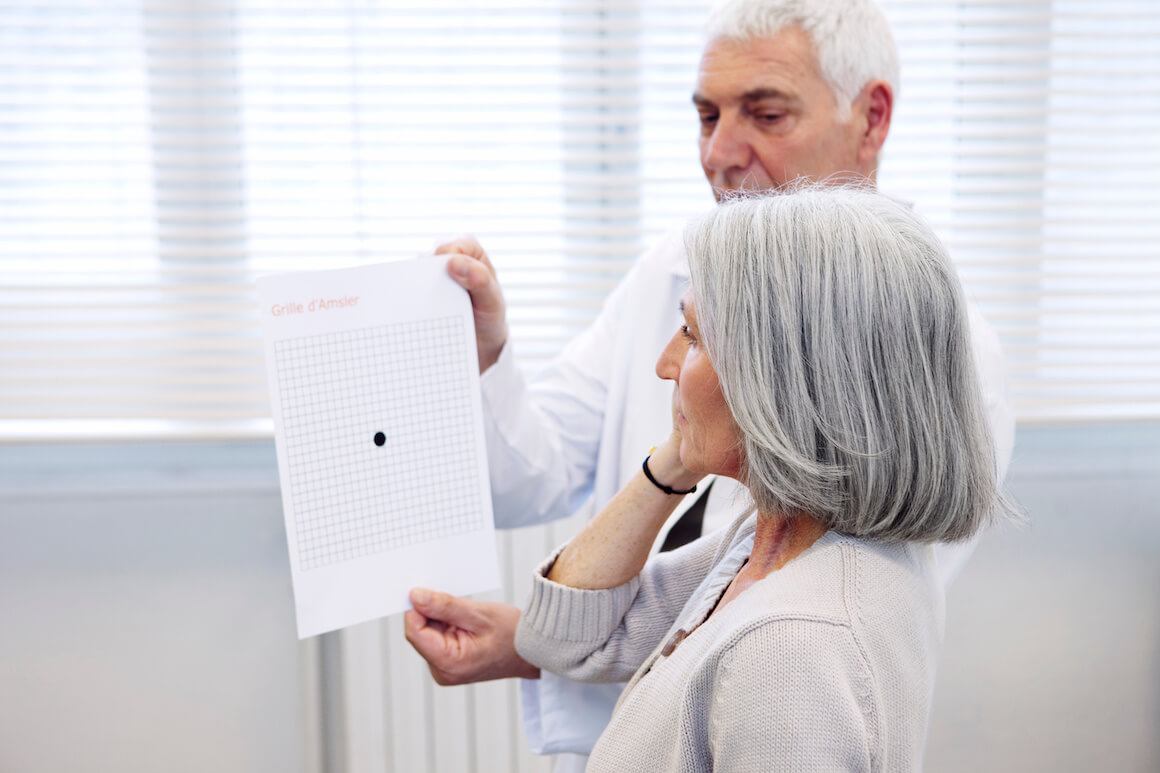
About 200 million people worldwide suffer from age-related macular degeneration (AMD), and that number is expected to increase to nearly 300 million by 2040. AMD is an eye disease that can blur central vision. It is the leading causes of blindness in Western countries, where people live long enough to experience such “first world” ocular issues. One in eight Westerners over the age of 60 can expect to develop AMD. Already in 2021, the market for AMD treatment was estimated at $7.4 billion. The United States made up 52% of that market, the European Union 41% and Japan just over…

An innovative, noninvasive Israeli medication administered through the nose hopes to be a life-changer for people suffering acute spinal cord injuries – even helping them to walk again. NurExone Biologic Inc. developed ExoPTEN, which treats damage to the nervous system, from a concept created by two members of its Scientific Advisory Board: Prof. Shulamit Levenberg of the Technion – Israel Institute of Technology and Prof. Daniel Offen from Tel Aviv University. (Another member of the board is Prof. Gabriel Zeilig, the head of the National Spinal Cord Injury Rehabilitation Unit at Sheba Medical Center, Israel’s largest and globally renowned hospital.)

Israeli AI-assisted colonoscopy technology has been given the seal of approval from the internationally respected Lancet Digital Health journal, following an extensive study of its capabilities. The novel polyp detection system developed by Haifa-based MAGENTIQ-EYE was studied by the Lancet over a 14-month period at 10 leading medical centers around the world, involving 31 endoscopists and 952 patients. The study, titled “A computer-aided polyp detection system in screening and surveillance colonoscopy: an international, multicentre, randomised, tandem trial,” found that the MAGNETIQ-EYE platform increases the average detection rate for adenoma (non-cancerous or pre-cancerous tumors) by 7 percent, and had a 17-percent lower rate of missed…
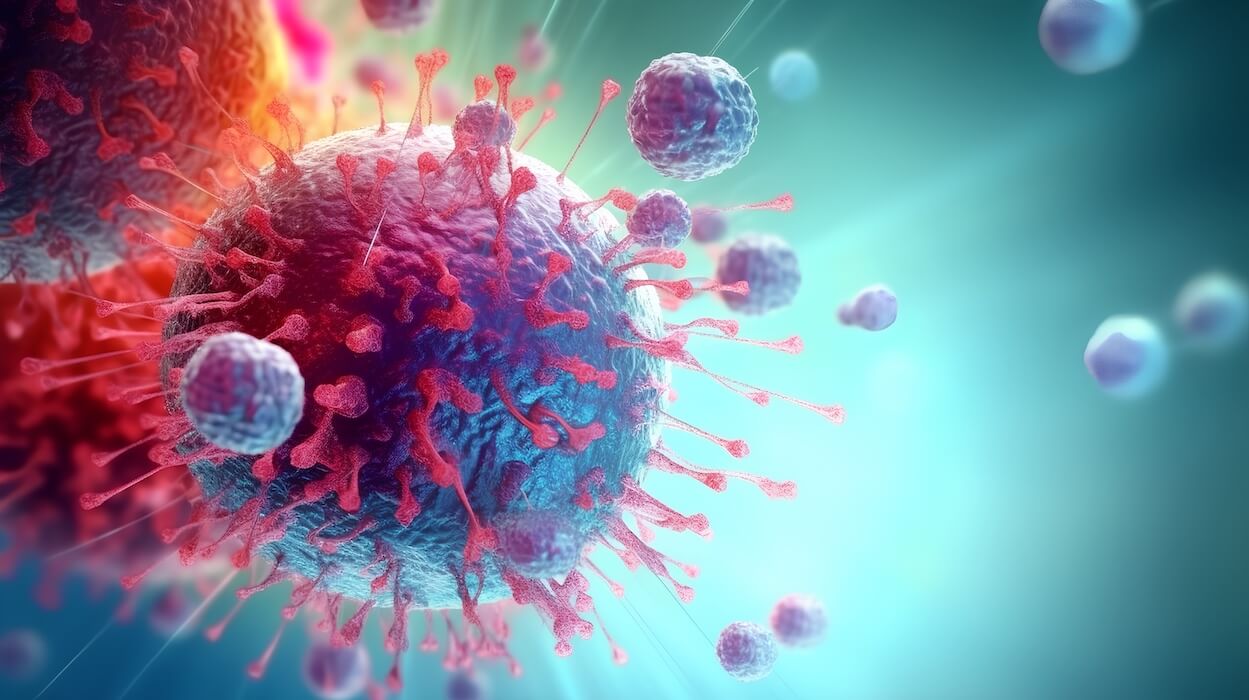
Hours in surgery, weeks in hospitals and months of recuperation – or a five-minute procedure under local anesthesia and straight back home with no side effects. That’s the difference that AI (artificial intelligence) developed in Israel will now be making for patients diagnosed with liver cancer. Techsomed, a medical imaging startup, allows physicians for the first time to see exactly what’s happening in real time while they destroy (or ablate) a tumor using targeted heat through a needle. Thermal ablation therapy, a minimally invasive procedure for small tumors, has huge benefits over surgery or chemotherapy for the patients.
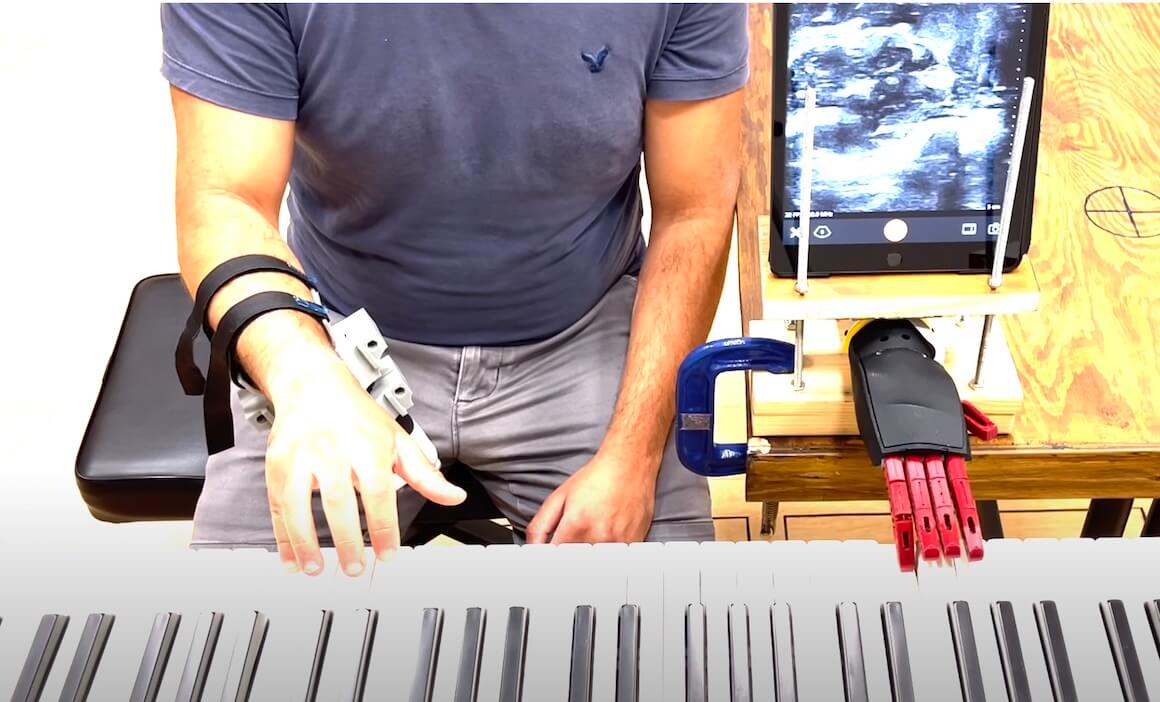
Despite advances in technology, providing amputees with prosthetics that mimic real limbs is an ongoing challenge. They may be more aesthetically pleasing than they used to be but are not necessarily practical. For example, a prosthetic hand may help wearers hold a cup and drink from it, but making the coffee, using a computer, or playing the piano involves much more complexity. “Many people who have lost a hand give up on the prosthesis after a short period because it is heavy, cumbersome, and its effectiveness is very limited,” said Dean Zadok, a Ph.D. student in the Henry and Marilyn…

A Technion Earth Day Webinar With the health of our planet failing, we need big ideas and innovative solutions to reverse the current environmental crisis. In this enlightening webinar, a distinguished panel of Technion scientists share their insights and research on topics that include sustainable development, renewable energy solutions, sustainable material innovations, and eco-friendly alternatives for chemical processes. Be inspired when you learn how Technion science can help forge a healthier planet and a better future for all. Executive vice president for research at the Technion Prof. Noam Adir moderates this can’t-miss webinar.