Something Fresh in the State of Denmark
October 06, 2026





























The Technion’s story has been intertwined with Israel’s for more than a century, from laying the foundations for a new nation to shaping its future.

Step inside Israeli innovation at the David and Janet Polak Visitors Center. Experience our 360° immersive movie and tech exhibition. Open to individuals and groups.
Learn More

Researchers at the Technion – Israel Institute of Technology in Haifa have developed a new tool to determine whether a cancer patient is predisposed to an advanced kind of treatment called immunotherapy. The immune system contains “checkpoints” to prevent it from attacking cancer cells too strongly, as this would also potentially damage nearby healthy cells. Immune checkpoint inhibitors (ICI) suppress this action and allow the immune system to attack the cancer cells, but they are only effective in less than 40 percent of patients and tools currently being used to predict the drug’s efficacy are not completely accurate. Keep reading at nocamels.com.
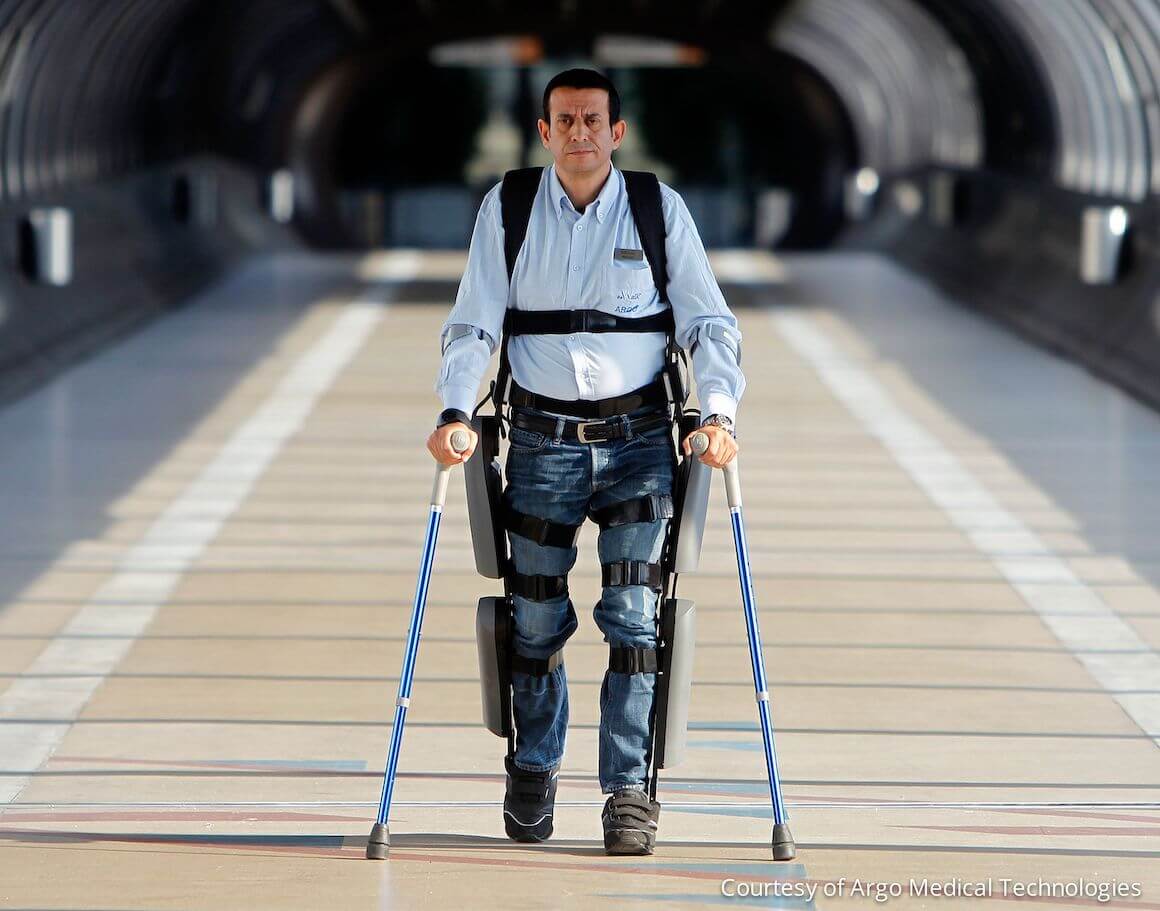
The US federal health insurance program Medicare has for the first time made a payment for Israeli-made exoskeleton ReWalk, a wearable robotic device that allows paraplegics to walk again. The ReWalk Personal Exoskeleton provides powered hip and knee motion for people with a spinal cord injury (SCI), allowing them to stand upright, walk, turn, and climb up and down stairs. The payment of $94,617 to ReWalk was made via Medicare administrative contractor Noridian Healthcare Solutions and signals the federal agency’s division to recognize the ReWalk Personal Exoskeleton as a medically necessary device for people with an SCI.
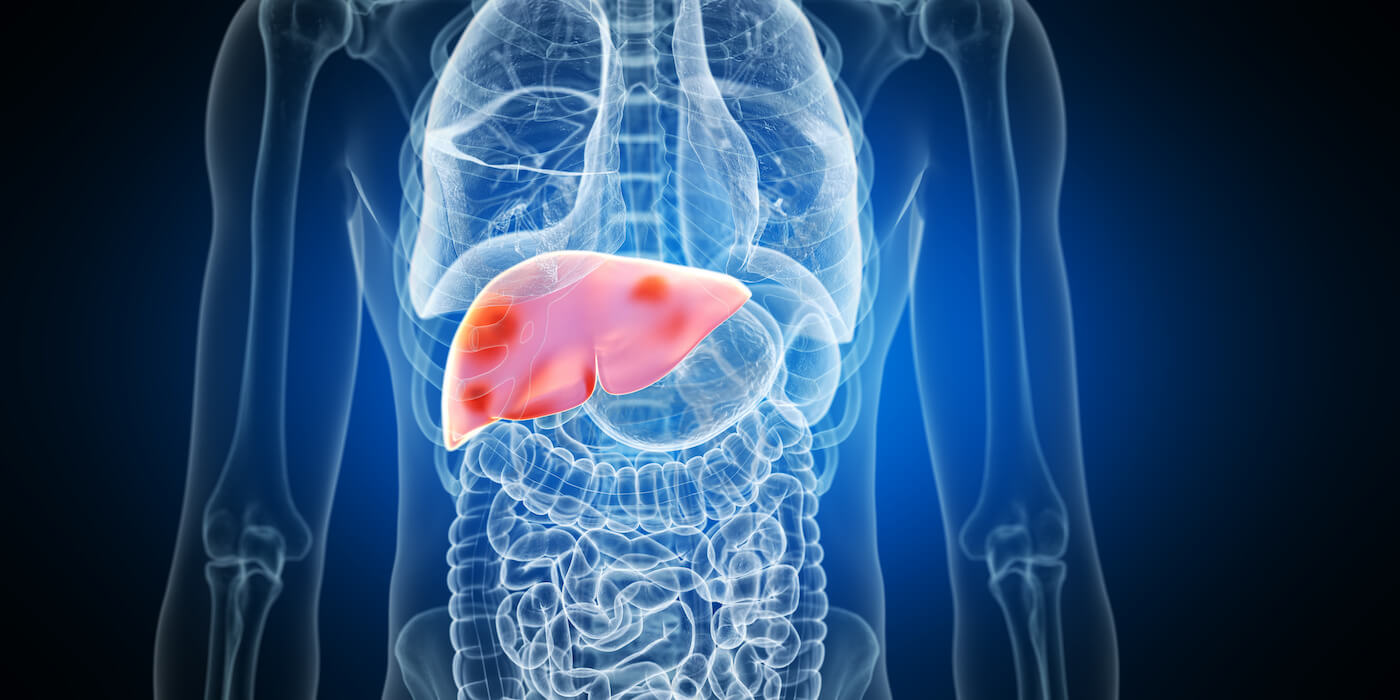
An Israeli company has been granted clearance from the US Food and Drug Administration (FDA) for its software used in the removal of liver tumors. The BioTracelO software created by Rehovot-based TechsoMed Medical Technologies received De Novo clearance from the FDA, which is approval granted to a novel system. The software is used during ablation therapy – a minimally invasive treatment that uses extreme temperatures to kill tumors – and is designed to predict the tissue response to the therapy. It is also designed to aid physicians who are performing liver tumor removal by providing real-time visuals with the ultrasound imaging.

Dental implants, made of titanium or titanium alloys, are widely used to provide a durable solution to missing teeth and restore functionality. While the long-term success rate is relatively high (75% at 20 years), the largest contributor to implant failure is peri-implantitis, an inflammatory disease affecting the soft and hard gum tissues around the implant, causing jawbone regression and gradual exposure of the implant’s threads. As of today, there is no viable clinical solution to delay or stop the progression of the disease. Moreover, the reasons for the development of peri-implantitis are not well understood. Patients may blame themselves for…
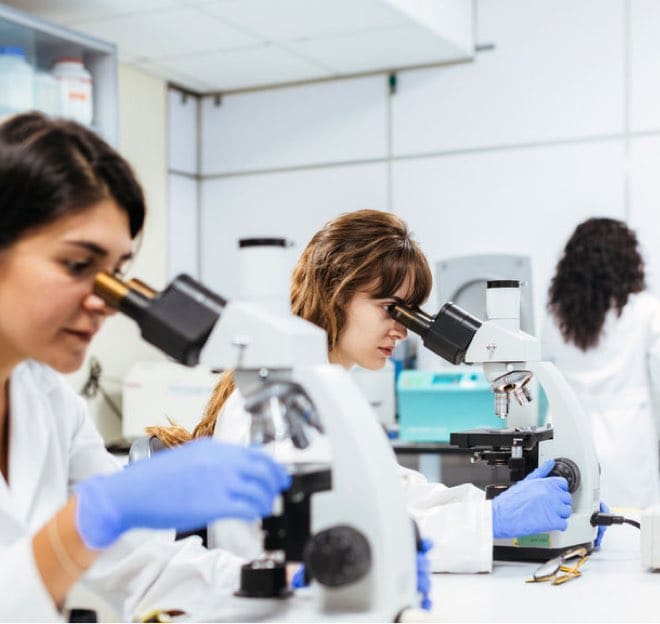
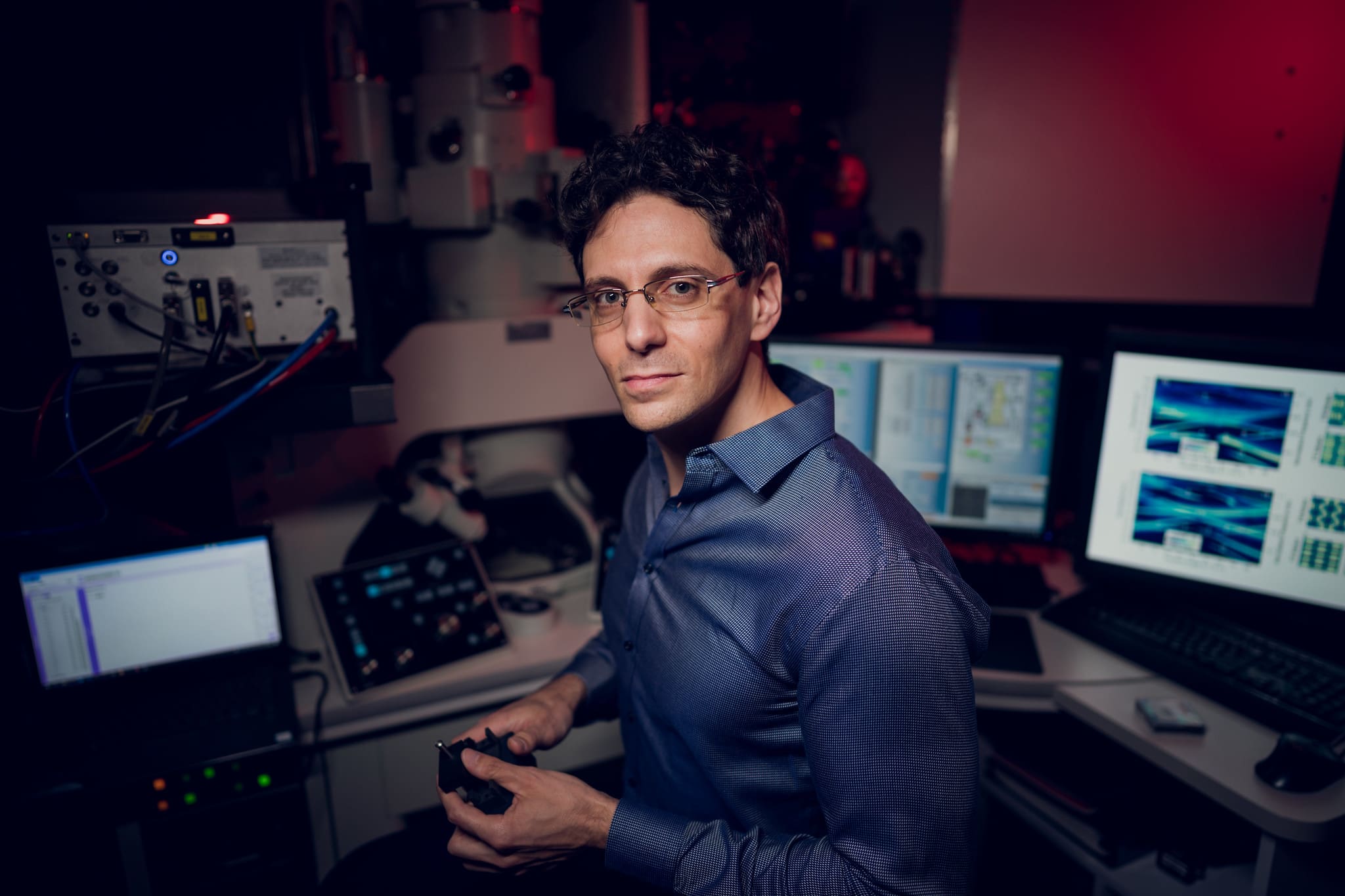
Hear From One of Technion’s Rising Stars Technion Associate Prof. Yoav Shechtman describes his work as: “how and why to ruin a perfectly good microscope?” Pushing the limits of microscopy, the nano-bioengineer develops technology that creates videos of the tiniest moving organisms inside cells, allowing scientists to better understand health and disease. Prof. Shechtman shares his personal story, describes his cutting-edge research, and offers a lively Q & A.

People suffering from narrowed or semi-blocked arteries in their legs can find themselves in a vicious cycle – not doing any exercise because of the pain it entails, but finding that the lack of activity only exacerbates the condition. A newly developed implant that sits just under the skin on the leg is intended to dilate and enhance blood flow through those narrowed arteries with ultrasonic waves, allowing crucial oxygen-rich blood to reach the lower limbs and ease the pain. Peripheral Artery Disease (PAD) is a condition that restricts the flow of oxygenated blood from the heart to the legs,…
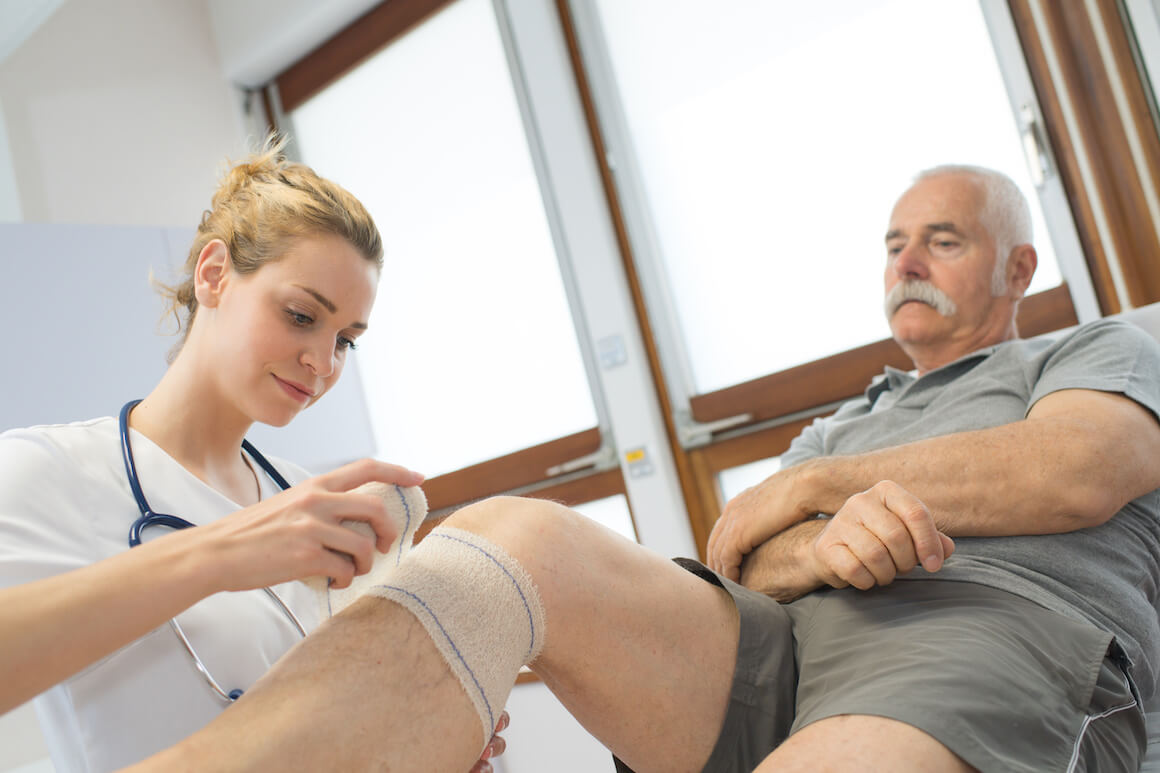
An Israeli developer of a handheld device that uses light to noninvasively detect pressure ulcers under the skin has received a patent from the country to support future commercial use. IR-MED‘s PressureSafe device is placed on the surface of the skin and exposes it with infrared light. It then evaluates the light intensity and patterns reflected by the different layers beneath the skin’s surface and uses an algorithm to determine whether the patient has a pressure ulcer. Pressure ulcers are sores that are caused by sustained pressure being placed on a particular part of the body, interrupting the blood supply…
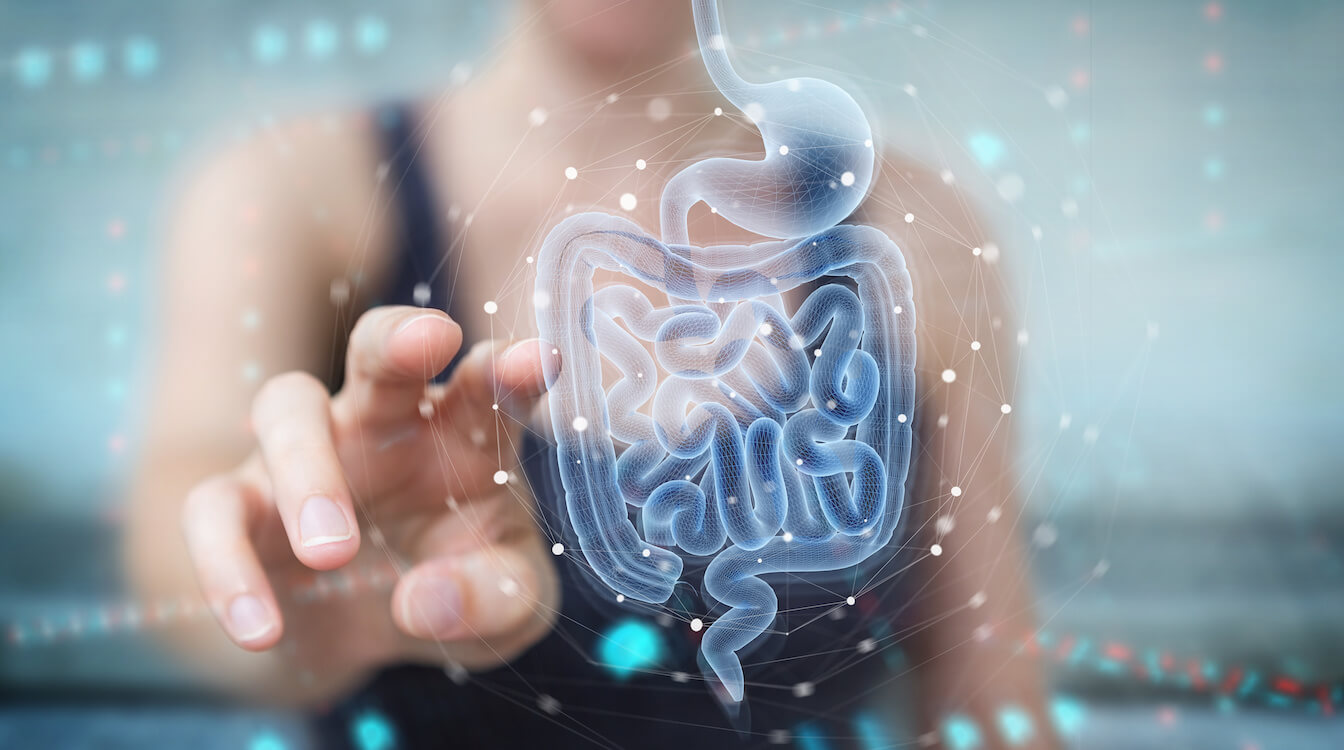
Supermarkets could soon be selling yogurts, milkshake powders and other products offering relief to the millions of people who have Crohn’s disease or colitis. An Israeli startup is preparing for clinical trials of a natural supplement derived from cow milk that will reduce inflammation – and reduce patients’ reliance on prescription medication. Scientists now know that mothers’ milk contains exosomes, tiny capsules of microRNA — the molecules that regulate protein production in their bodies – that combat inflammation and other symptoms associated with inflammatory bowel disease (IBD) such as Crohn’s and colitis.
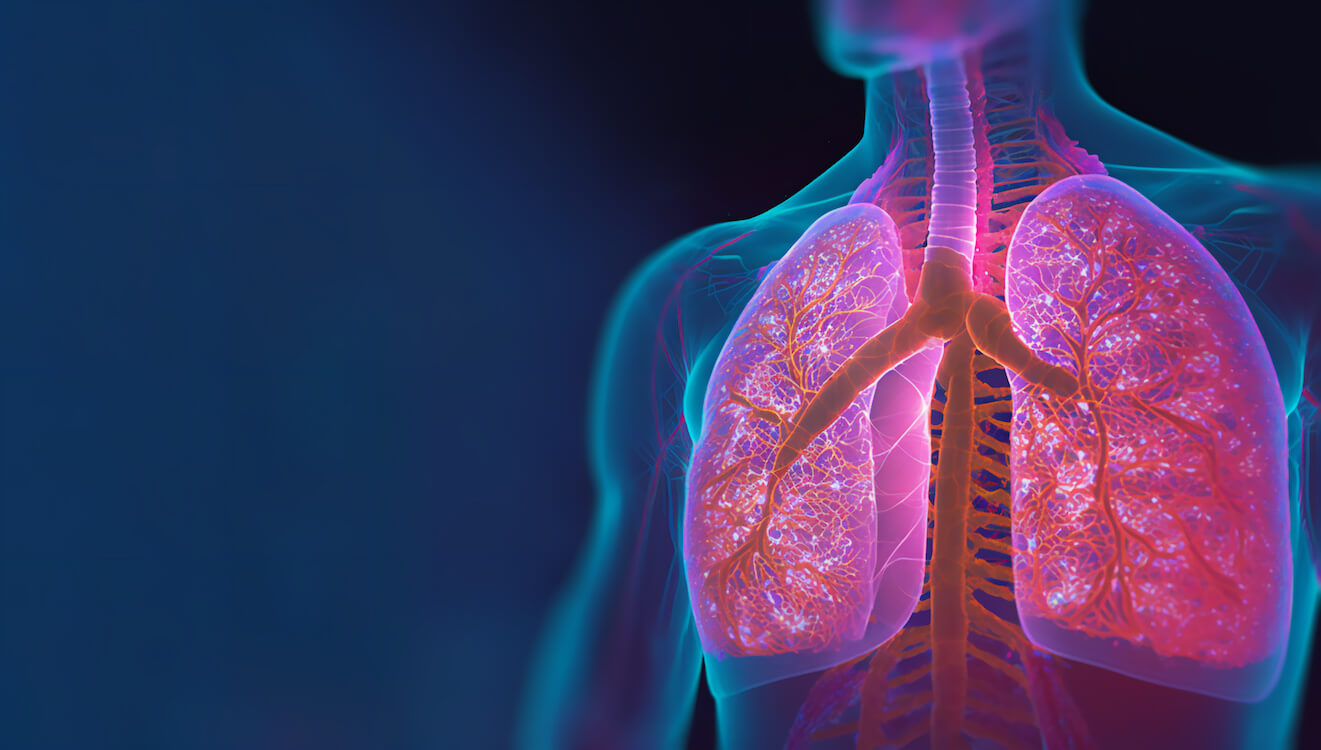
Israeli and US medtech companies have teamed up to create a program that uses artificial intelligence to identify patients at high risk for respiratory or pulmonary diseases such as lung cancer. The LungFlag AlgoMarker, which analyzes data from a patient’s electronic health record, is a collaboration between Medial EarlySign, a Hod Hasharon-based company that develops clinical predictive analytics, and Geisinger, an integrated healthcare system from Pennsylvania. Working with Geisinger, Medial EarlySign developed the program to facilitate earlier invention, which is a key feature of the American healthcare provider’s care model as it helps improve clinical outcomes, creates higher patient satisfaction and reduces…
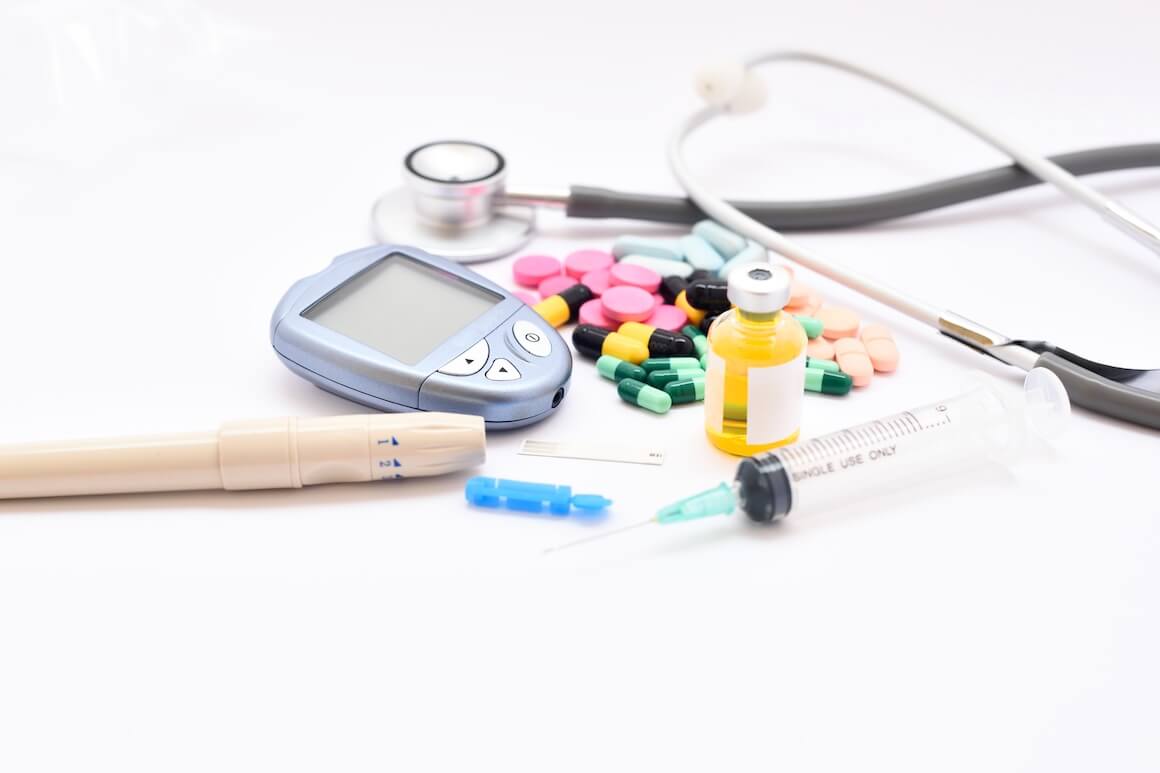
An Israeli startup that uses artificial intelligence to help manage treatment courses for diabetics has received a fifth clearance from the US Food and Drug Administration (FDA) for its endo.digital platform. The new FDA clearance allows DreaMed to expand the scope of its recommended care plans for diabetics on a fixed regimen of insulin doses that are administered via pump or injection. The endo.digital platform provides an automated total care plan for people with diabetes. The company says it is compatible with most devices used by diabetics to monitor their blood glucose levels and to administer insulin.

VR headsets loaded with software aimed to calm anxiety, stress and PTSD, as well as a handheld anxiety-reducing device, are on their way to Israeli citizens as a gift from their manufacturers to help alleviate emotional suffering during wartime. XRHealth, headquartered in Boston with R&D in Tel Aviv, has been distributing hundreds of its headsets to patients in 30 hospitals, nursing homes, assisted living facilities and mental health centers throughout Israel. XRHealth’s Patient Xperience software guides patients in meditation, self-relaxation, and stress and anxiety relief in 53 different virtual-reality environments.

Machine-learning analysis of CT scans during admission to the emergency enables earlier detection of intracerebral hemorrhages and reduces mortality rate by over 30 percent, according to a study published in the International Journal of Emergency Medicine. Intracerebral hemorrhage, commonly known as bleeding into the brain, is the second most common cause of strokes (15-30%) and the most deadly. The research, conducted by Dr. David Orion, director of the Acute Stroke & Neuro-Endovascular Department of Sheba Medical Center in Israel, involved 587 patients and used Aidoc’s algorithm to analyze CT scans of their heads.