Something Fresh in the State of Denmark
October 06, 2026

















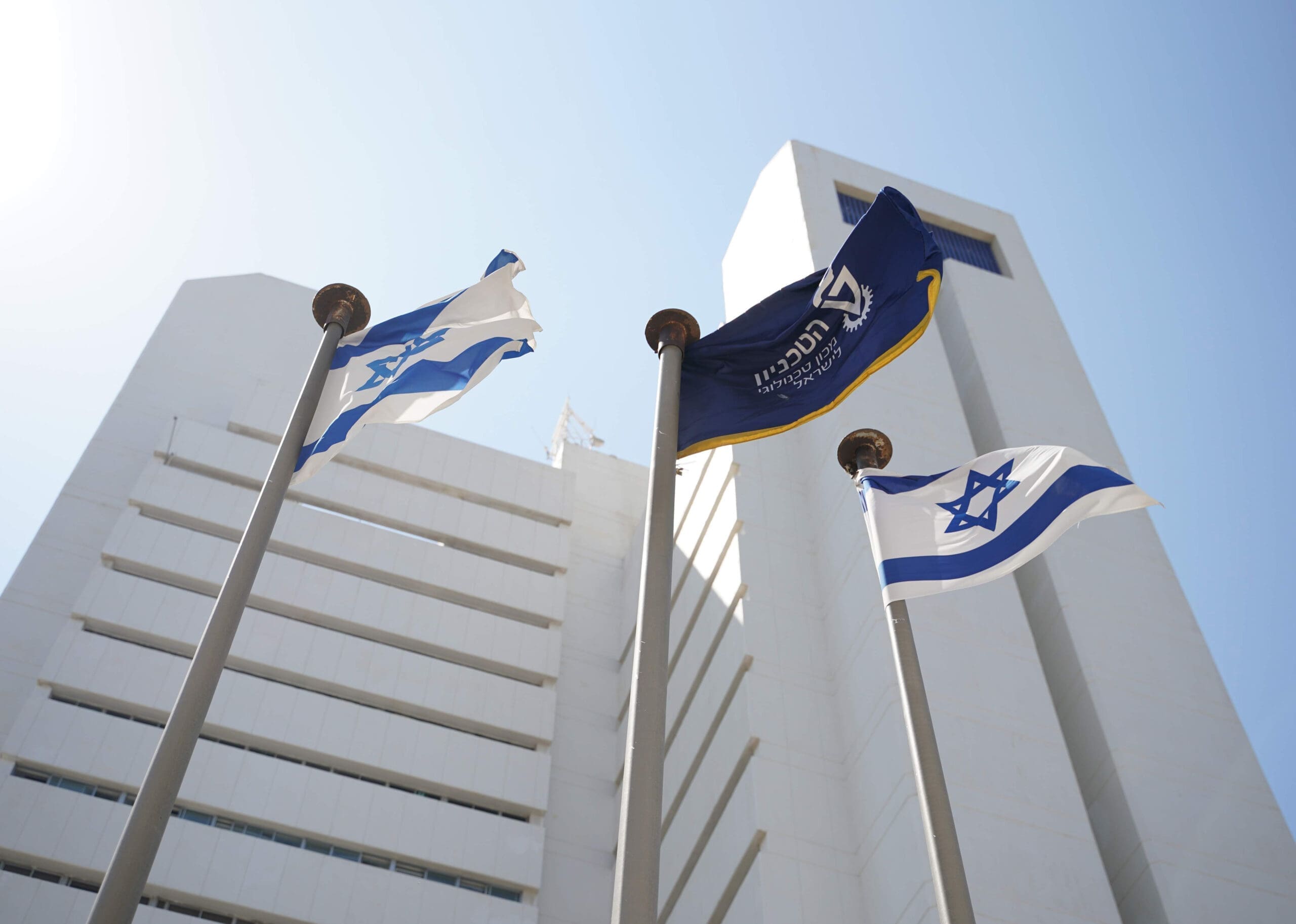





The Technion’s story has been intertwined with Israel’s for more than a century, from laying the foundations for a new nation to shaping its future.

Step inside Israeli innovation at the David and Janet Polak Visitors Center. Experience our 360° immersive movie and tech exhibition. Open to individuals and groups.
Learn More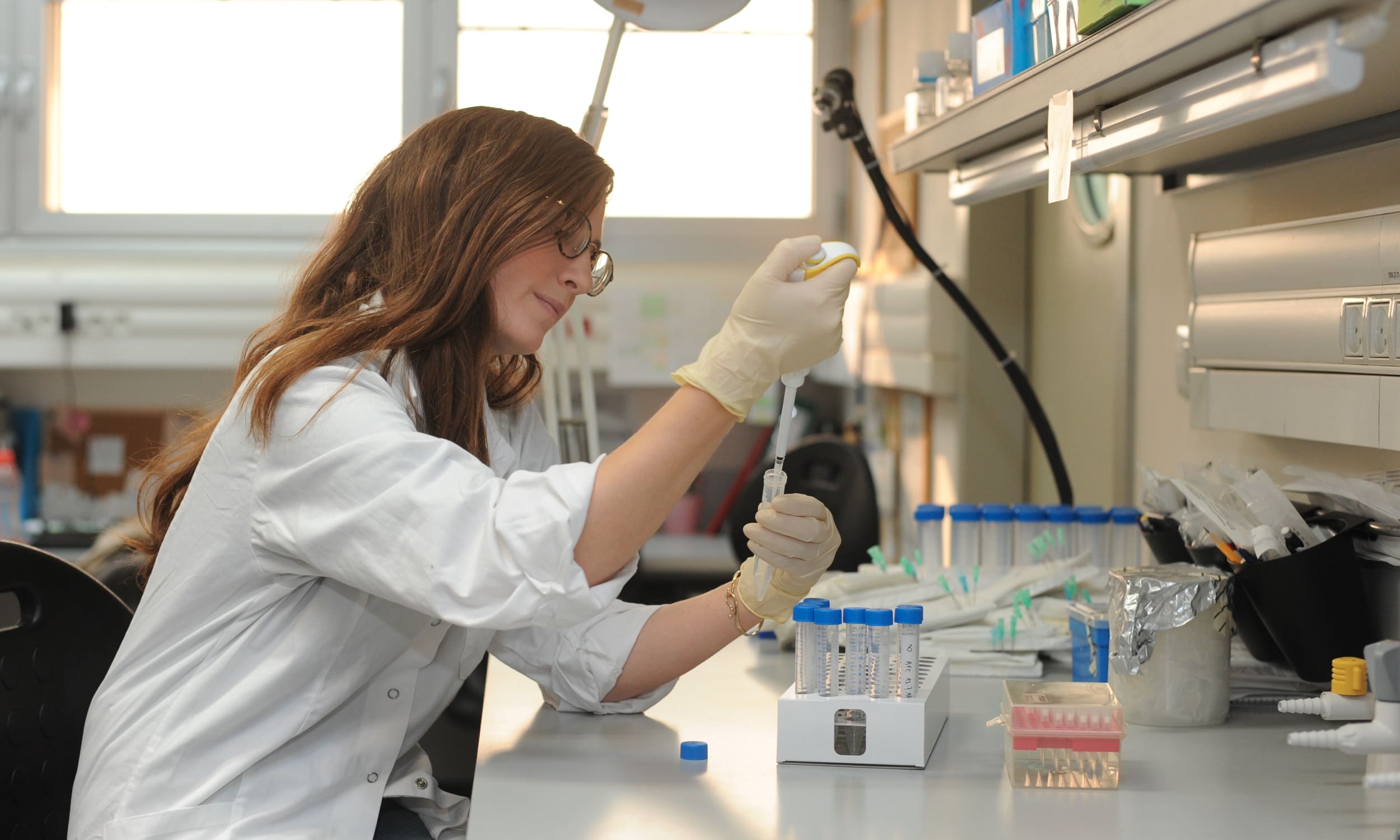

Diagnosing urinary tract infections is easy. Most people know themselves when they have one. But identifying the type of antibiotic needed to cure that infection requires a seven-hour test. It could be a day or two before the correct drug is prescribed. Usually, patients are started on a general antibiotic. But if it’s the wrong one, it must be changed. And that contributes to the problem of antibiotic resistance. Now, thanks to a team of Technion faculty, students, and alumni, led by Professor Ester Segal of the Technion Faculty of Biotechnology and Food Engineering, a clinical assay capable of detecting…

Could sustainable plant-based food created at the Technion help solve world hunger and mitigate the climate crisis? The Technion – Israel Institute of Technology’s Sustainable Protein Research Center is developing solutions to feed our growing population while cutting our carbon footprint. Gain insights from SPRC experts who are revolutionizing the field: Prof. Yoav D. Livney […]

Microscopes have long been invaluable tools for biologists but getting a clear look at the smallest sub-cellular structures has always been tricky. In recent years, scientists developed a method to obtain a single super-resolved image of the sub-cellular structure by capturing a video instead of a single shot. This comes with a price of longer […]
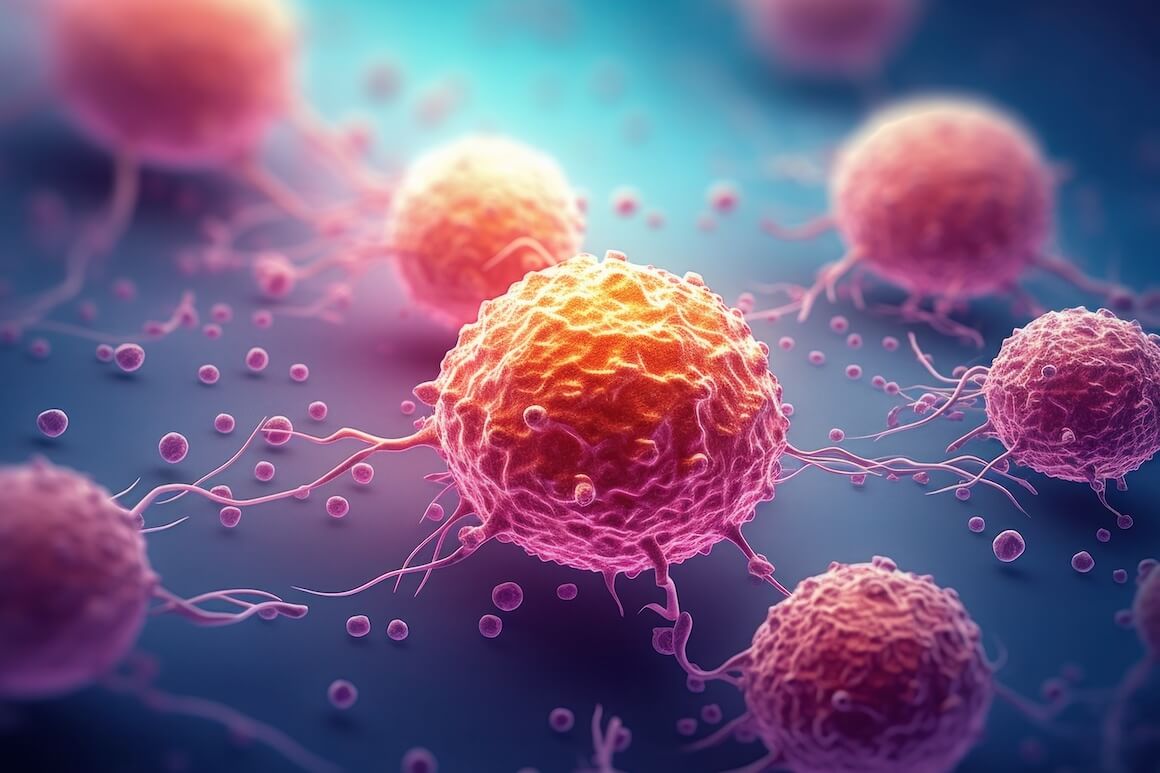
Multiple myeloma is the second most common cancer that impacts blood cells. It primarily affects people in their mid-60s or older. Over time, patients become resistant to current treatment drugs that are initially effective. That’s why UB-Therapeutics, a company founded and run by Technion alumni and faculty, is working on a new drug. Existing drugs target proteasomes, which maintain cellular function. The new drug aims to inhibit proteasome activity in cancer cells by binding to ubiquitin, a small regulatory protein found in most tissues. “By leveraging the cell’s own natural processes, we aim to develop a more selective and effective…
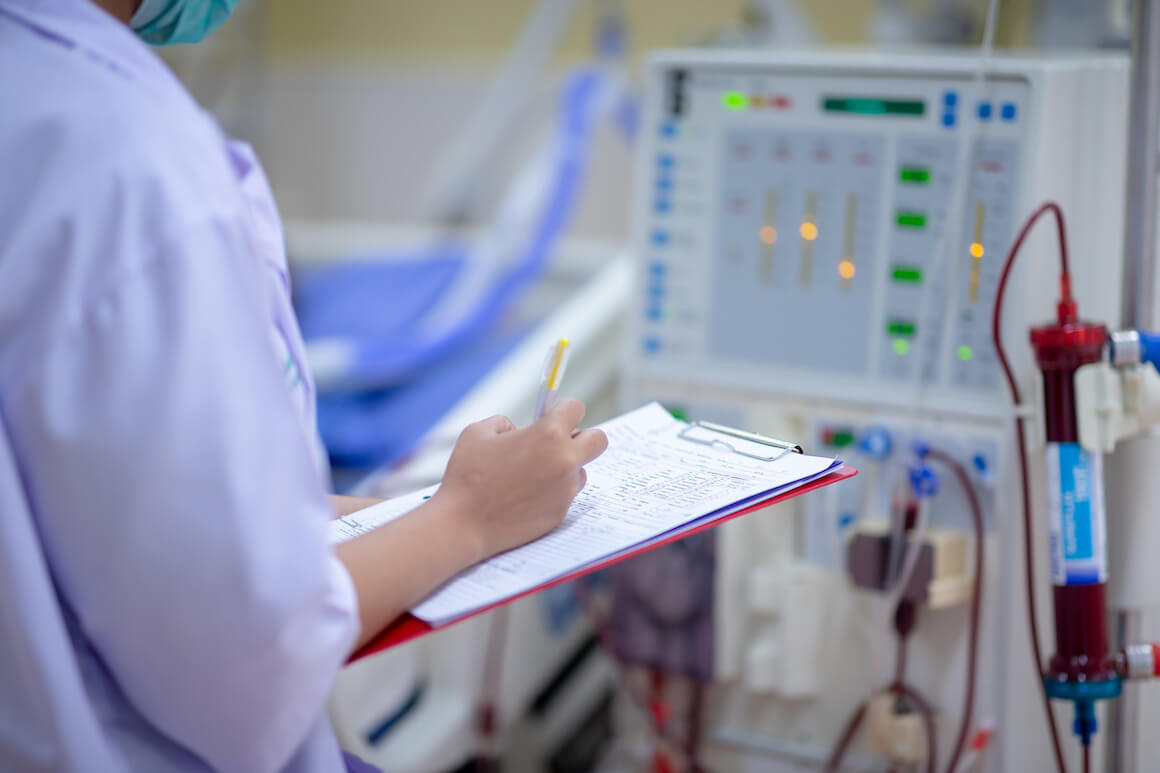
Chronic kidney disease (CKD) affects an estimated 10% of the world, which is just under 800 million people. According to the US-based National Kidney Foundation, 90% of people affected by the disease don’t know they have it at the early stages, allowing it to progress undetected. In some cases, CKD is caught only at “end stage,” when kidneys are failing and require either a transplant or dialysis — a grueling, weekly procedure to remove waste and excess fluid from the blood. The average survival rate of dialysis patients is five years. Curespec, based in Yehud-Monosson in Israel, claims its unique device, Nephrospec,…

A new approach that integrates a minimally invasive, painless microneedle platform may help monitor protein biomarkers in responses to a combination immunotherapy against melanoma. The platform is capable of absorbing the cell-surrounding, biomarker-containing fluid from deeper layers of the skin with an ultra-sensitive, single-molecule detection method (Simoa) that detects often rare, yet relevant biomarkers with higher sensitivity than conventional methods. The researchers provided proof-of-concept for their approach in a mouse melanoma model in which they treated cancerous lesions with a novel therapy. The therapy acts locally on tumor lesions in that it combines non-invasive focused ultrasound (FUS), which generates heat…
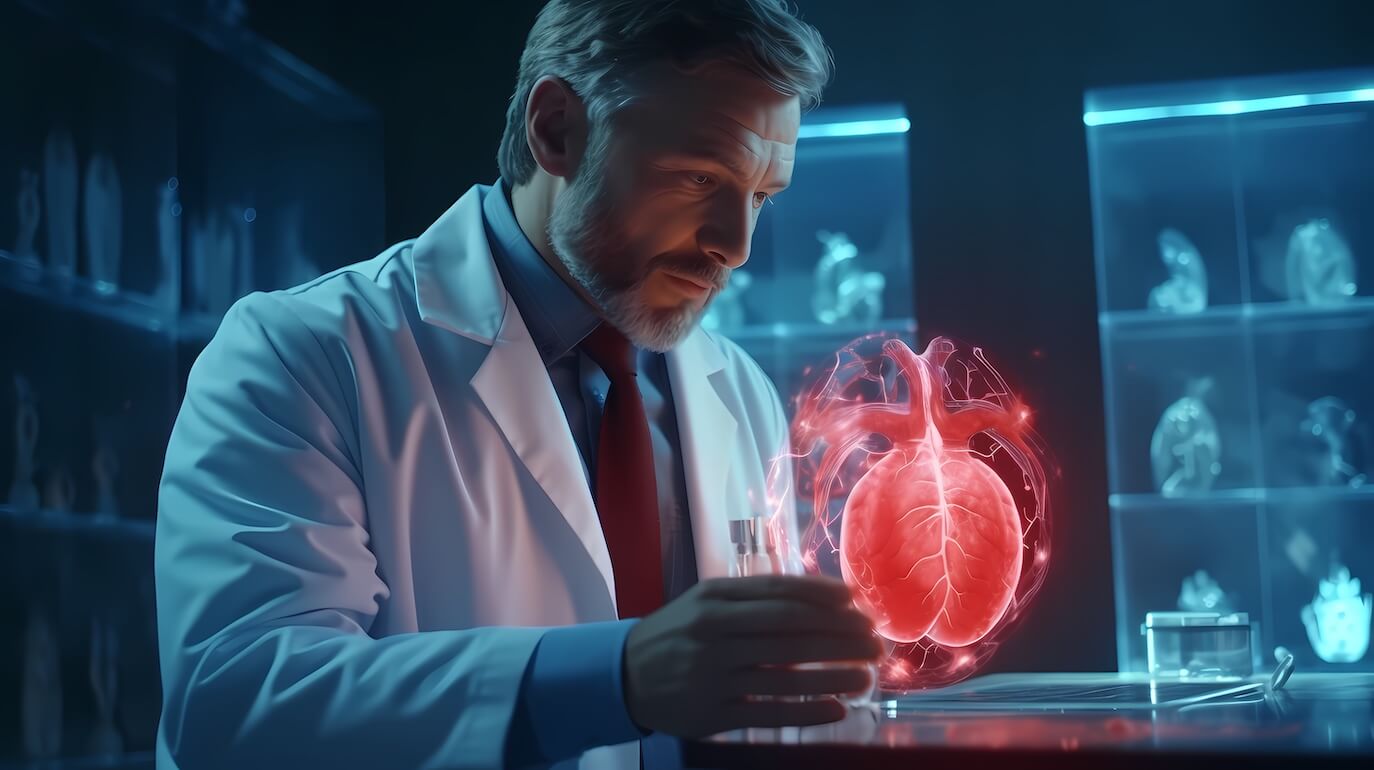
Israeli researchers have unveiled a new miniature model of the human heart that they say could be a “game changer” in transforming drug testing and cardiovascular research. The model is a self-paced, multi-chambered replica of the human heart that is no larger than a grain of rice. According to the researchers, it will revolutionize the study of the heart and its functions. The team comprised researchers from The Hebrew University of Jerusalem; the Technion – Israel Institute of Technology in Haifa; and Rehovot-based biotech company Tissue Dynamics Ltd. They were led by Prof. Yaakov Nahmias, an award-winning biomedical engineer at The Hebrew University.

Evan Jordan can tell when you are stressed, even though he’s never met or interacted with you. An assistant professor of health and wellness design at Indiana University’s School of Public Health-Bloomington, Jordan and his team use GPS tracking to find connections between a person’s environment and their mental health. The data could be stunningly revealing. Why? Because where we are in the world and how much we move is a big indicator of our mental health. Studies suggest that if we take a lot of walks to the park, we’re statistically less likely to have anxiety and depression. If…

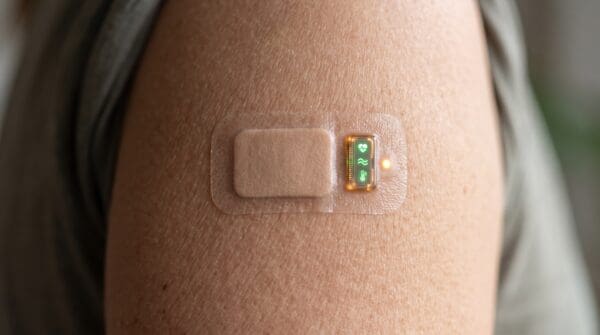
An Israeli startup has developed a wearable device that can predict the likelihood of an imminent stroke through changes in the carotid artery’s blood flow, potentially helping early intervention and preventing disablity. Strokes are most commonly caused by a clot blocking the essential supply of blood to the brain, and according to the World Health Organization are the second leading cause of death and the leading cause of disability across the globe. Over 100 million people have experienced a stroke worldwide, with one in four adults experiencing one in their lifetime. And for 50 percent of them, that means some form of…
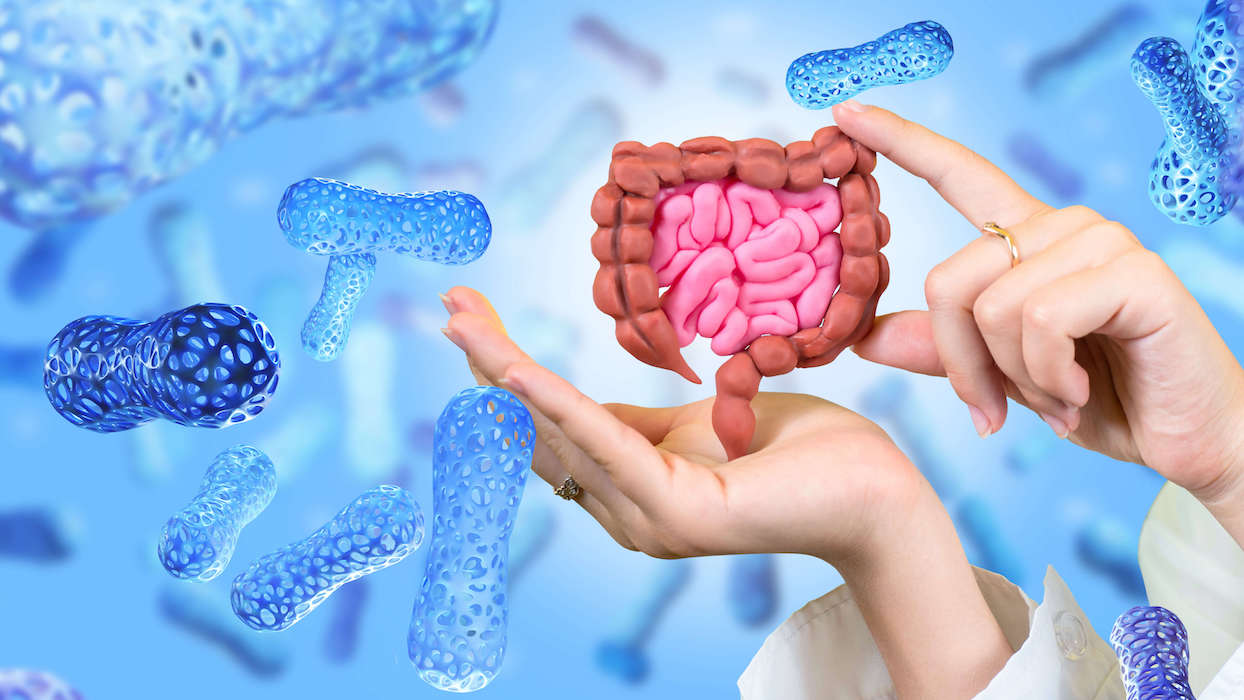
There are thousands of kinds of bacteria – microscopic, single-celled organisms that are among the earliest known life forms on earth and live in every possible environment all over the world. They might be airborne or found in water, plants, soil, animals and even humans, where some cause dangerous diseases such as salmonella, pneumonia, meningitis, tuberculosis, anthrax, tetanus and botulism. However, many bacteria, including the ones that comprise the human gut microbiome, do good rather than harm. Bacteria can even be turned into tiny factories that manufacture needed products. Now, researchers at the Faculty of Biotechnology and Food Engineering at…

The weight-loss market is, pun perhaps intended, huge. Recent years have seen the advancement of dieting drugs, but many of these include painful injections and a whole slew of side effects. An Israeli startup, meanwhile, enables people interested in losing a moderate amount of weight to take a pill that leaves them feeling full without drugs. “The idea was to develop a product that can be swallowed through the mouth and which opens up in the stomach to apply pressure on the stomach wall and so produce a feeling of satiety,” Epitomee CEO Dr. Dan Hashimshony tells ISRAEL21c. “That’s something that’s easy…
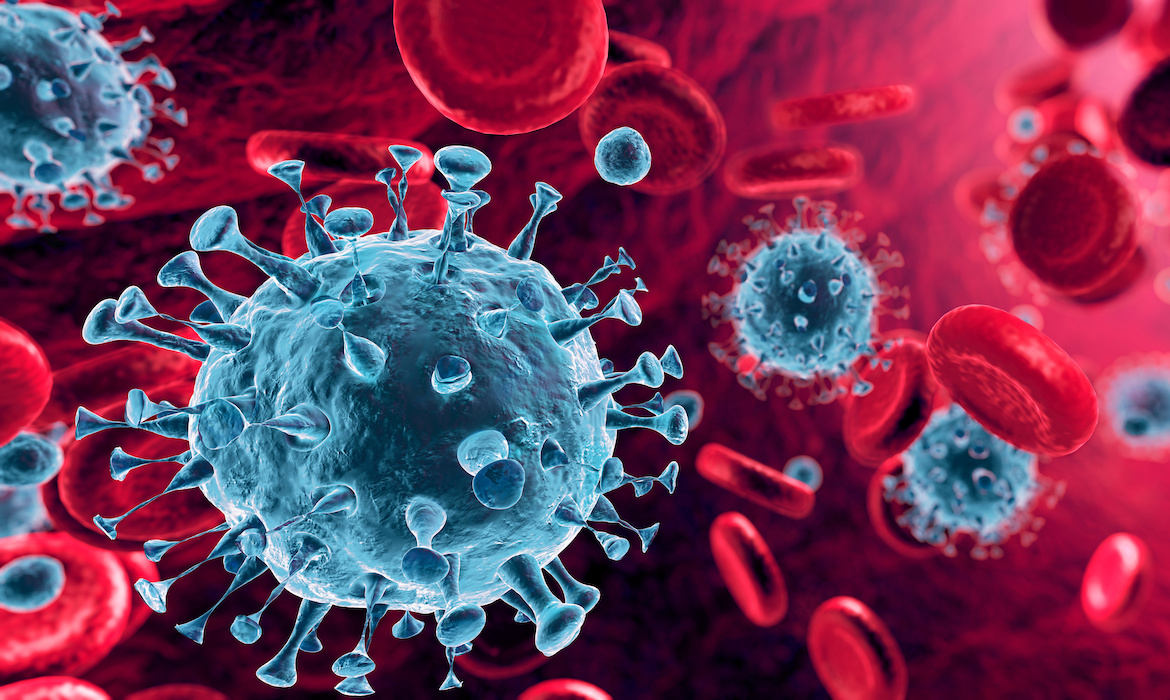
Did you know the average person encounters more than 60,000 germs every day? Different surfaces we touch, including countertops, remote controls, faucets, and phones harbor tons of bacteria we may not be aware of. What if a germ killer could be added to everyday items to help protect you and your health? Israeli startup Nanosono is doing exactly that. Led in part by COO and Technion alumnus Matan Benisty, the company has developed nanoparticles that can be embedded into paint, fabrics, plastics, and other materials to kill 99.999% of bacteria and viruses. Known as Quactiv, the germ killer is a…