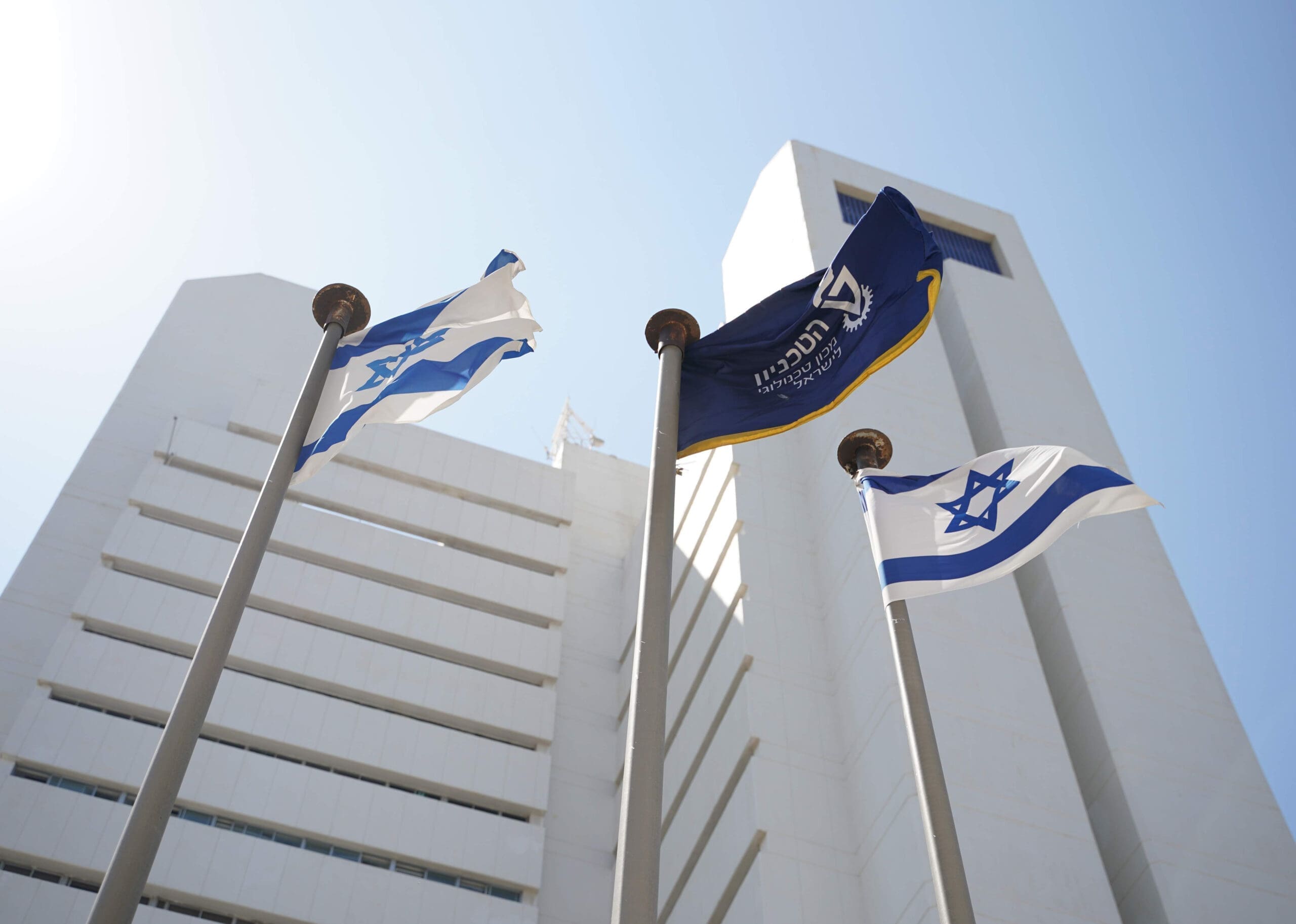
The Technion’s story has been intertwined with Israel’s for more than a century, from laying the foundations for a new nation to shaping its future.

From medicine to security, explore how the Technion is advancing Israel and improving lives around the world.
View All Impact Areas
Explore stories, news, insights, and data across articles, videos, and podcasts.
view all content types
companies founded by graduates and faculty in the last 10 years
among universities worldwide for producing undergrad entrepreneurs
of the student body are women
The Technion’s story has been intertwined with Israel’s for more than a century, from laying the foundations for a new nation to shaping its future.
Explore ATS, the Technion, and the people behind the breakthroughs redefining what's possible for Israel and the world.
Learn More About ATSATS is a community of supporters, innovators, and champions of possibility united by one mission: transforming Israel and the world through science and discovery.
Learn MoreFor more than 100 years, the Technion has been Israel's technological engine and leading driver of innovation, technology, and entrepreneurship, transforming ideas into impact.
Learn More
Step inside Israeli innovation at the David and Janet Polak Visitors Center. Experience our 360° immersive movie and tech exhibition. Open to individuals and groups.
Learn MoreFrom medicine to security, explore how the Technion is advancing Israel and improving lives around the world.
View All Impact AreasExplore stories, news, insights, and data across articles, videos, and podcasts.
view all content typesDiscover ways to support, connect, and help drive innovation.
Get InvolvedExplore ATS, the Technion, and the people behind the breakthroughs redefining what's possible for Israel and the world.
Learn More About ATSAs Seen in Phys.org
Marine viruses deploy a sophisticated Trojan horse maneuver that enables them to dismantle the energy systems of ocean bacteria and use the breakdown products for self-replication. This finding comes from a study conducted at the Technion Faculty of Biology published (opens in a new tab) in Nature.
The article is the result of a unique collaboration among three faculty members, Prof. Debbie Lindell, Prof. Oded Béjà, and Prof. Oded Kleifeld; and three young researchers — Dr. Omer Nadel, Dr. Rawad Hanna, and Dr. Andrey Rozenberg.
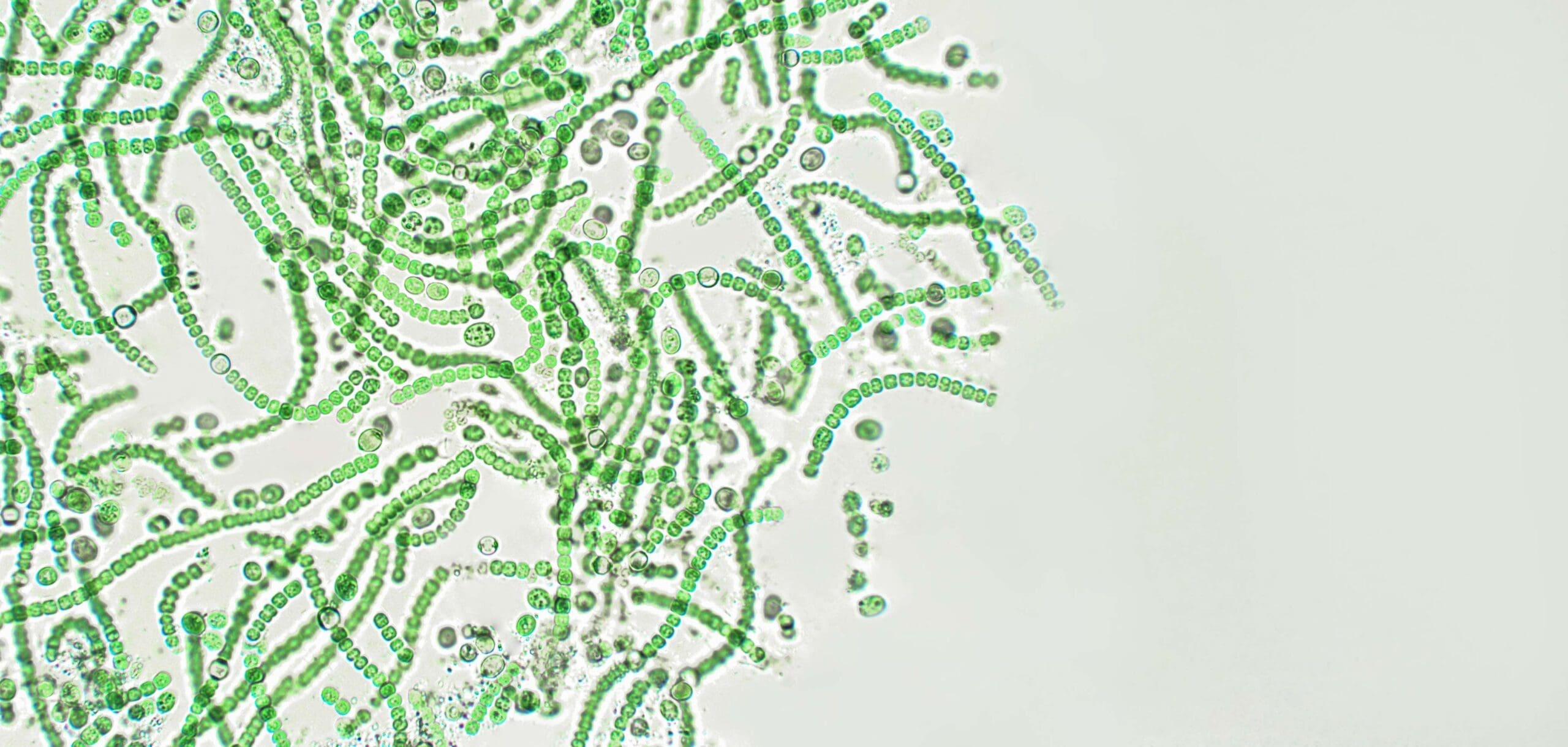
Tiny cyanobacterial cells that live in the oceans play a crucial role in the global ecosystem, as they carry out photosynthesis to produce the organic carbon that serves as the basis of the oceanic food web. In the process, they contribute significantly to oxygen production and carbon dioxide draw down from the atmosphere, influencing the global carbon cycle.
These essential bacteria are frequently attacked by viruses called cyanophages, which specialize in infecting and destroying marine cyanobacteria.
This study was conducted at the Technion Faculty of Biology.
by
phys.org (opens in a new tab)
on
November 25, 2025
Uncover the Technion's research on the impact of cyanophages, viruses that attack cyanobacteria, an essential organism for carbon production.
1 min
X (opens in a new tab) / Facebook (opens in a new tab) / LinkedIn (opens in a new tab) / Email / Copy Link
Artificial intelligence is not simply changing higher education — it is detonating old assumptions about how students learn and how professors teach. As universities worldwide grapple with how to respond, the Technion is working to confront the questions head-on. Here, AI is not treated as a threat but a catalyst, prompting careful reexamination at every […]
Galit Shmueli is the Tsing Hua Distinguished Professor at the Institute of Service Science, College of Technology Management, National Tsing Hua University in Taiwan.Prof. Shmueli also serves as Vice President for Global Affairs at the university, and is the author of multiple books. She is a truly world-renowned authority in her fields of data science […]
“I thought it was fake,” she recalled. “There was no chance.” As reports continued to emerge, reality became impossible to ignore. By 7 a.m., L.’s brigade commanders had convened an emergency call. Within 20 minutes, L. had packed her things and was helping mobilize reserve battalions, distribute weapons and equipment, and prepare soldiers to enter […]
Stay on top of the latest breaking scientific discoveries from Israel and the Technion. Subscribe to the ATS newsletter.