Something Fresh in the State of Denmark
October 06, 2026


















The Technion’s story has been intertwined with Israel’s for more than a century, from laying the foundations for a new nation to shaping its future.

Step inside Israeli innovation at the David and Janet Polak Visitors Center. Experience our 360° immersive movie and tech exhibition. Open to individuals and groups.
Learn More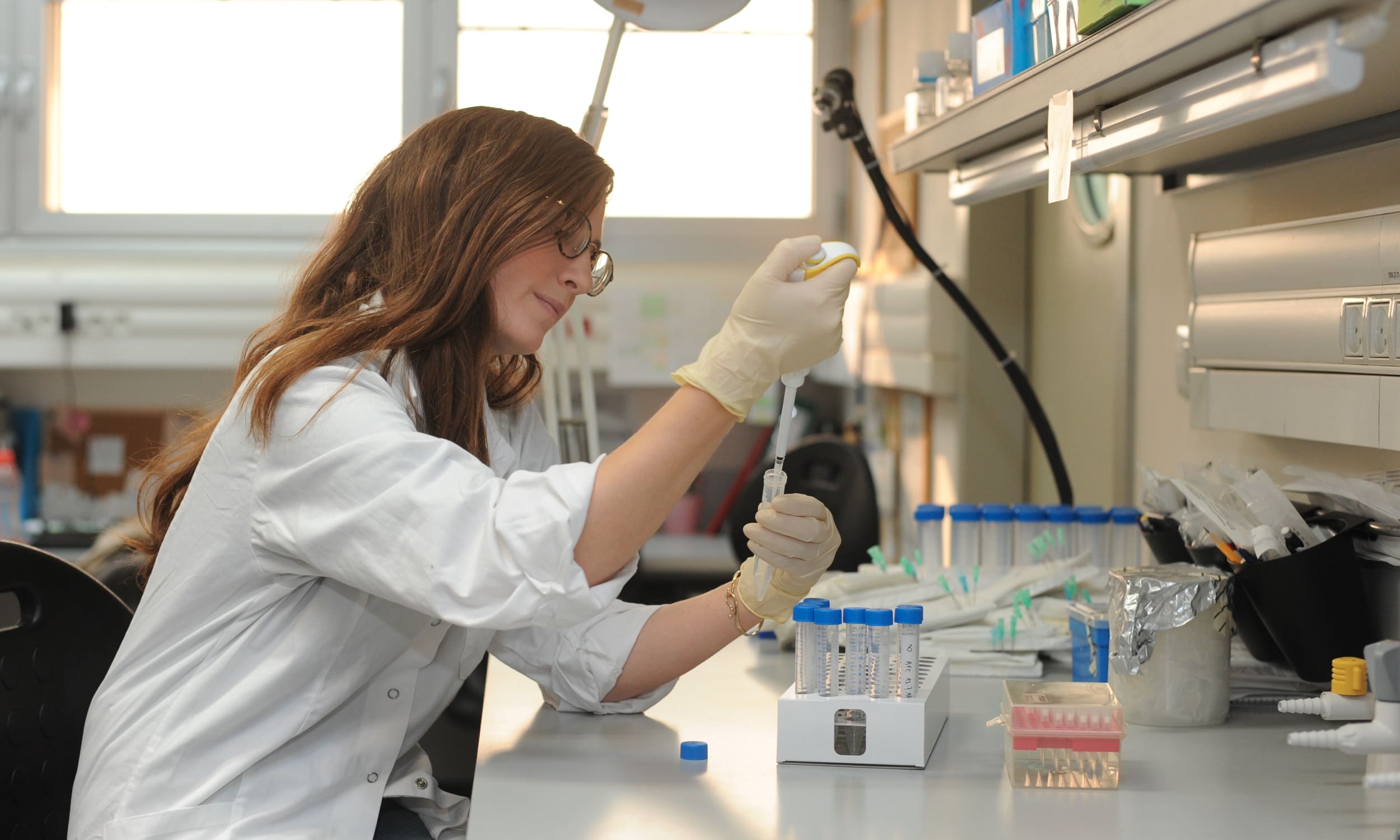
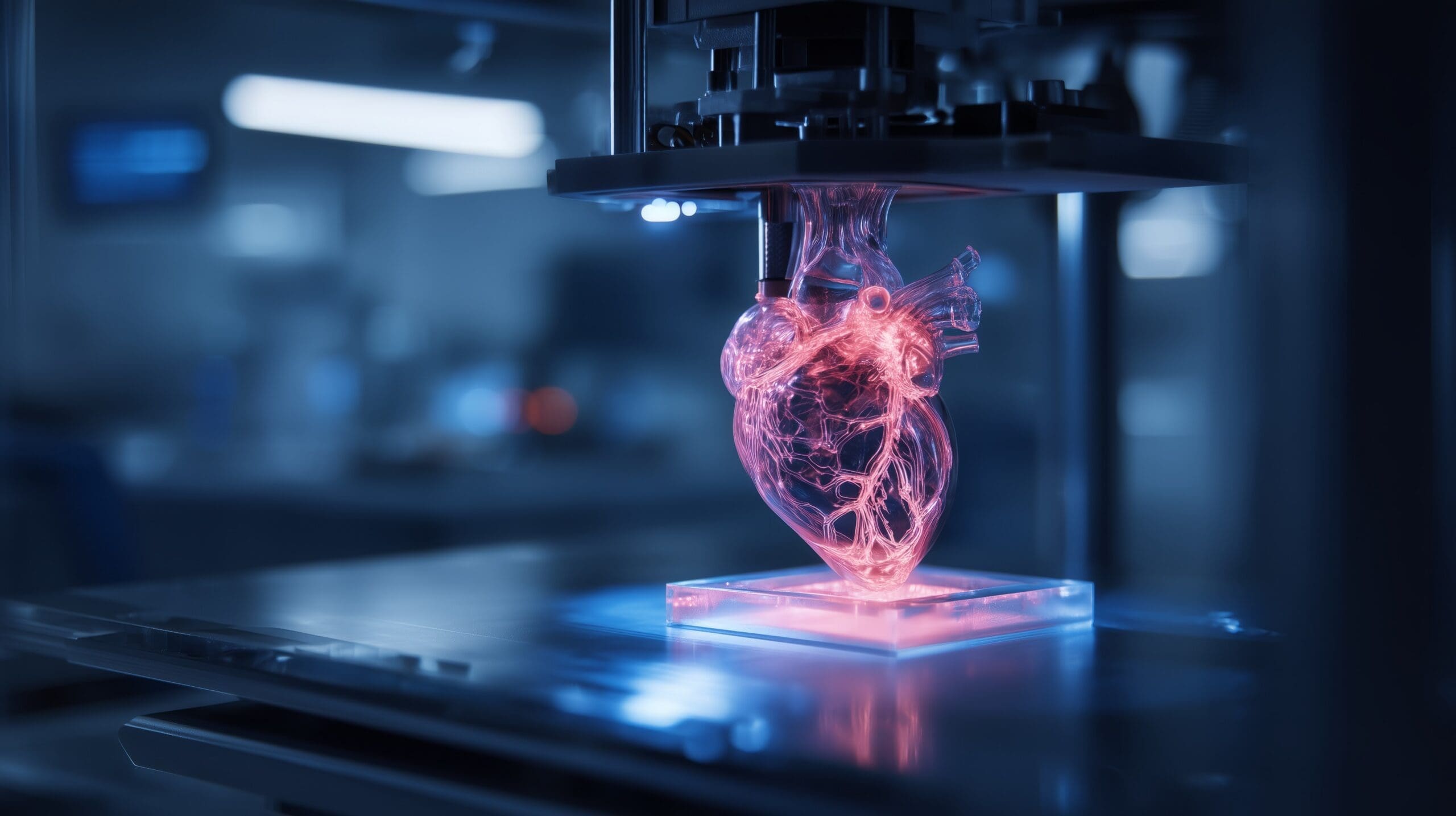
Researchers at the Technion — Israel Institute of Technology have developed a first-of-its-kind 3D engineered tissue implant that combines muscle and fat tissue with both blood vessels and a lymphatic network, a step they say could eventually help treat patients with major tissue loss from injuries, burns or cancer surgery. The findings were published in the journal Cell Biomaterials by an international team led by the Levenberg Laboratory in the Faculty of Biomedical Engineering at the Technion-Israel Institute of Technology. The current standard treatment for significant tissue loss is an autologous flap, in which tissue is taken from one part…
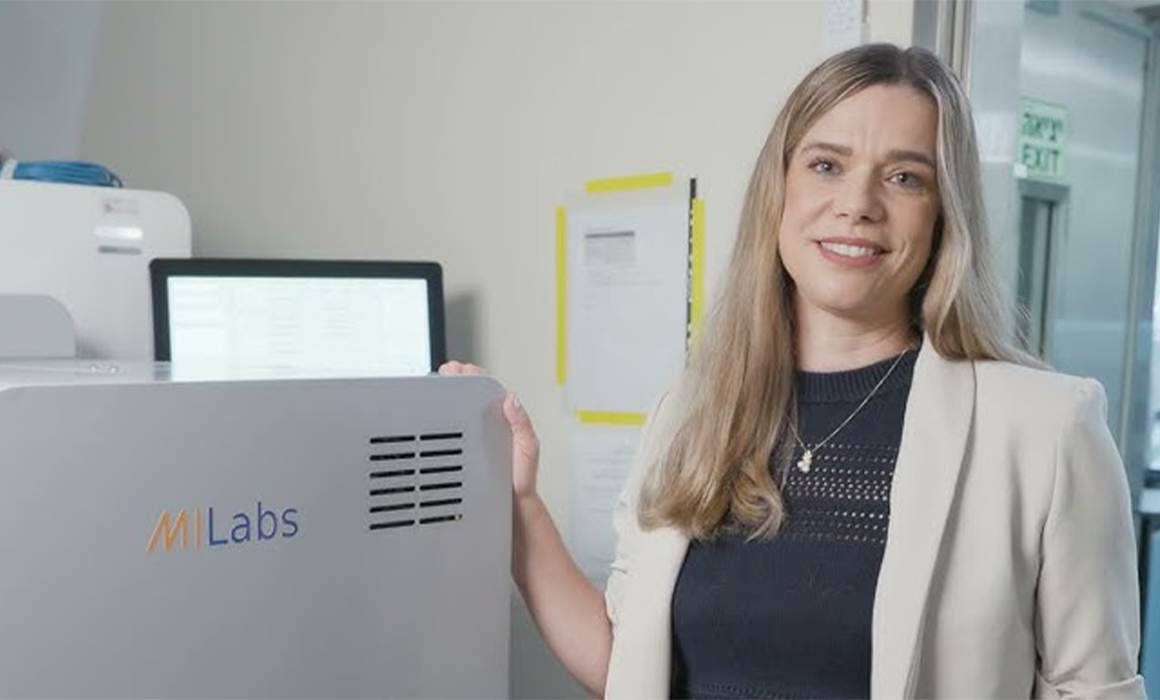
When Dr. Katrien Vandoorne first arrived in Israel to pursue her PhD at the Weizmann Institute of Science, she was struck by something that went far beyond laboratories and research facilities. “The people were very collaborative and warm and inspiring,” she recalled. “The science was really great for me, but also the Mediterranean climate, the food, all those things.” Originally from Belgium, Vandoorne said the country’s scientific culture felt very different from the academic environment she had known in Europe. “In Belgium it’s very hierarchical,” she said. “The professor is very high up, and you should always be very polite…
From regenerative implants to smarter therapies, Israel’s innovation ecosystem keeps delivering life-saving advances. Researchers from Haifa’s Technion – Israel Institue of Technology unveiled a breakthrough biological implant that could end daily insulin injections for millions with Type 1 diabetes by producing insulin inside the body without rejection. Hebrew University discovered a tiny RNA molecule that bacteriophages use to combat bacteria, offering fresh hope in the fight against antibiotic-resistant “superbugs.”

Put bluntly, we simply do not do the best job of feeding all 8.3 billion people on Earth. As the World Food Program explains, 318 million people worldwide are facing “acute hunger” due to conflicts, economic conditions, and, particularly, the climate crisis. According to the United Nations, plant health could be part of the solution to this issue. However, the UN also noted that plant disease is making it harder for us to maintain crops, with about 40% of the planet’s agricultural yield dying off before it ever reaches our plates. While pesticides have helped reduce pest populations, they have…

In recent decades, growing resources have been invested in the field of hydrogen as a raw material that aligns with the vision of a green economy and the use of sustainable energy. Hydrogen production is not a new process, but the aspiration to protect the environment and improve efficiency presents numerous technological challenges. A group of researchers at the Technion – Israel Institue of Technology and Sweden’s Chalmers University of Technology is presenting a breakthrough in the field – a development expected to significantly improve hydrogen storage capacity for future use. Growing awareness of the environmental damage caused by human…

When one of the world’s largest aerospace companies chooses an academic partner, it sends a powerful message. When that partner is the Technion – Israel Institute of Technology, the message is even clearer: world-changing innovation is happening in Israel — and it is being driven by excellence. Boeing and the Technion have marked a major […]

Artificial intelligence is so much more than the latest buzzword. By blurring the line between human and technology, AI has proven its staying power and will undoubtedly shape the future of life on Earth. It is also no secret that when it comes to AI innovation, Israel punches above its weight class. I recently called upon the brightest minds in Israel to take an active role in shaping AI applications on a global scale, setting ethical standards and ensuring that this technology is used for good. When I think of Israel’s AI prowess, I can’t help but place the Technion…

A new implant developed at the Technion – Israel Institute of Technology may offer a self-regulating treatment for diabetes, according to a new study in collaboration with MIT, Harvard, Johns Hopkins University, and the University of Massachusetts. The study, led by Assistant Professor Shady Farah of the Faculty of Chemical Engineering at the Technion, was peer-reviewed and was published in Science. It introduced a “living, cell-based implant” that works as a pancreas and is protected against immune rejection by a novel system. According to the statement, the implant “continuously senses blood-glucose levels, produces insulin within the implant itself, and releases…

At the Zimin Institute for AI Solutions in Health Care, innovation meets impact. Founded in 2022 through a partnership between the Zimin Foundation and the Technion’s Tech.AI.BioMed arm, the institute supports transformative research that applies artificial intelligence to real-world medical challenges. From diagnostics to drug discovery and patient care, AI is redefining what’s possible in […]

Led by a repeat founder and a world-renowned robotics pioneer, the Israeli startup EndoCure has developed a robotic platform capable of producing 3D images with 10 times the density of an MRI. “Current imaging methods, MRI, CT, and manual ultrasound, often fail to detect small or deep tumors, are highly operator-dependent, and are either expensive, invasive, or inconsistent,” says EndoCure. “This creates major gaps in diagnosis, delays in treatment, unnecessary surgeries, and poor patient outcomes.” Founded in 2023 by Dr. Hadas Ziso, a repeat founder with 20 years of MedTech experience, and Prof. Moshe Shoham, a robotics pioneer who was…
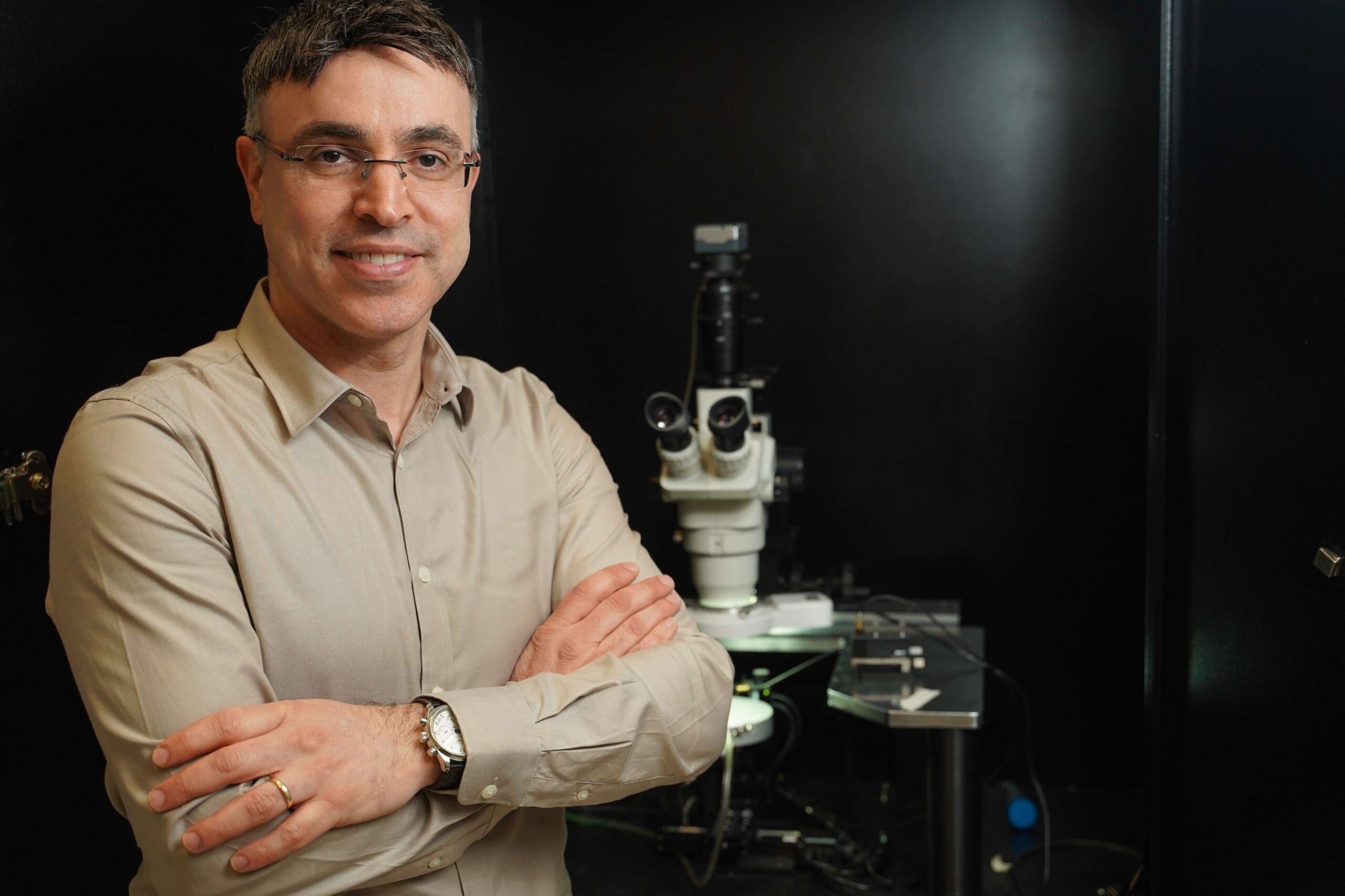
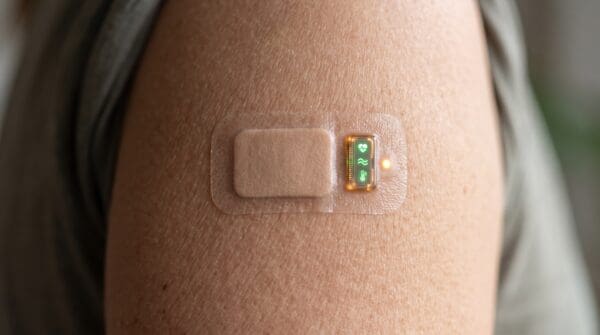
What if a single breath — or a small wearable patch — could reveal disease long before symptoms appear? For years, Prof. Hossam Haick of the Technion – Israel Institute of Technology has been turning that revolutionary idea into a reality. By identifying invisible chemical signals emitted by the human body, Prof. Haick has helped […]
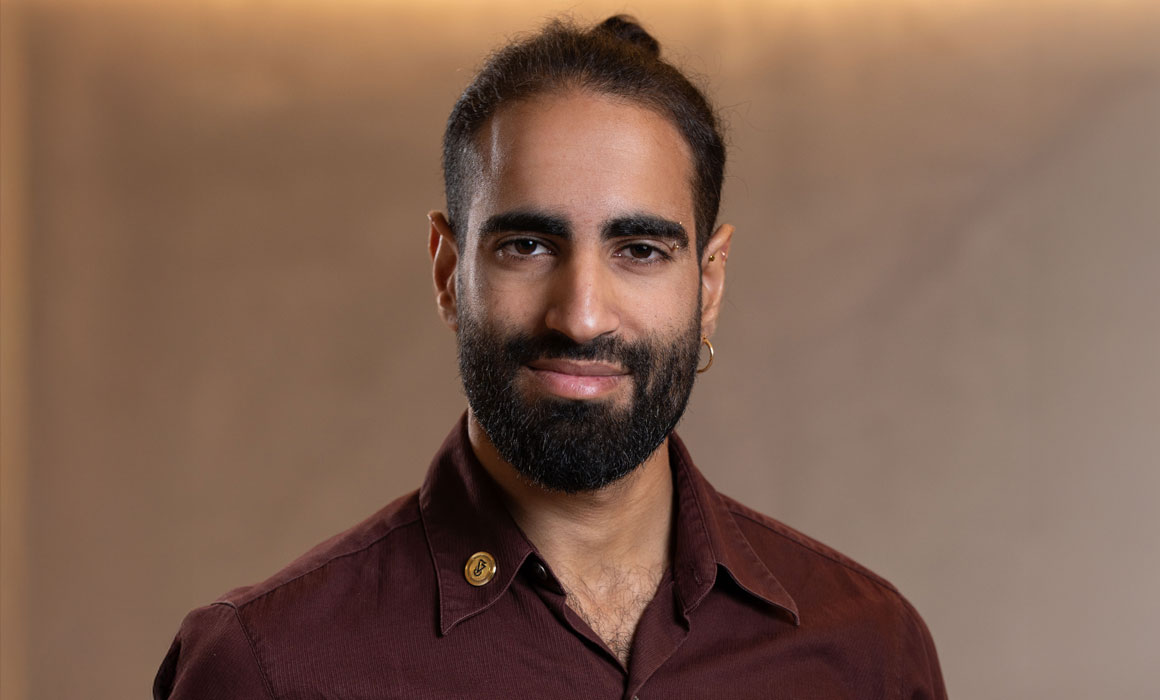
A Dream Realized Four years after first approaching the Technion, I was accepted. Then October 7 happened, postponing the start of classes. Today I am in perhaps the University’s toughest program: a 9-year track to earn an M.D. in the Ruth and Bruce Rappaport Faculty of Medicine and a bachelor’s degree in the Faculty of […]