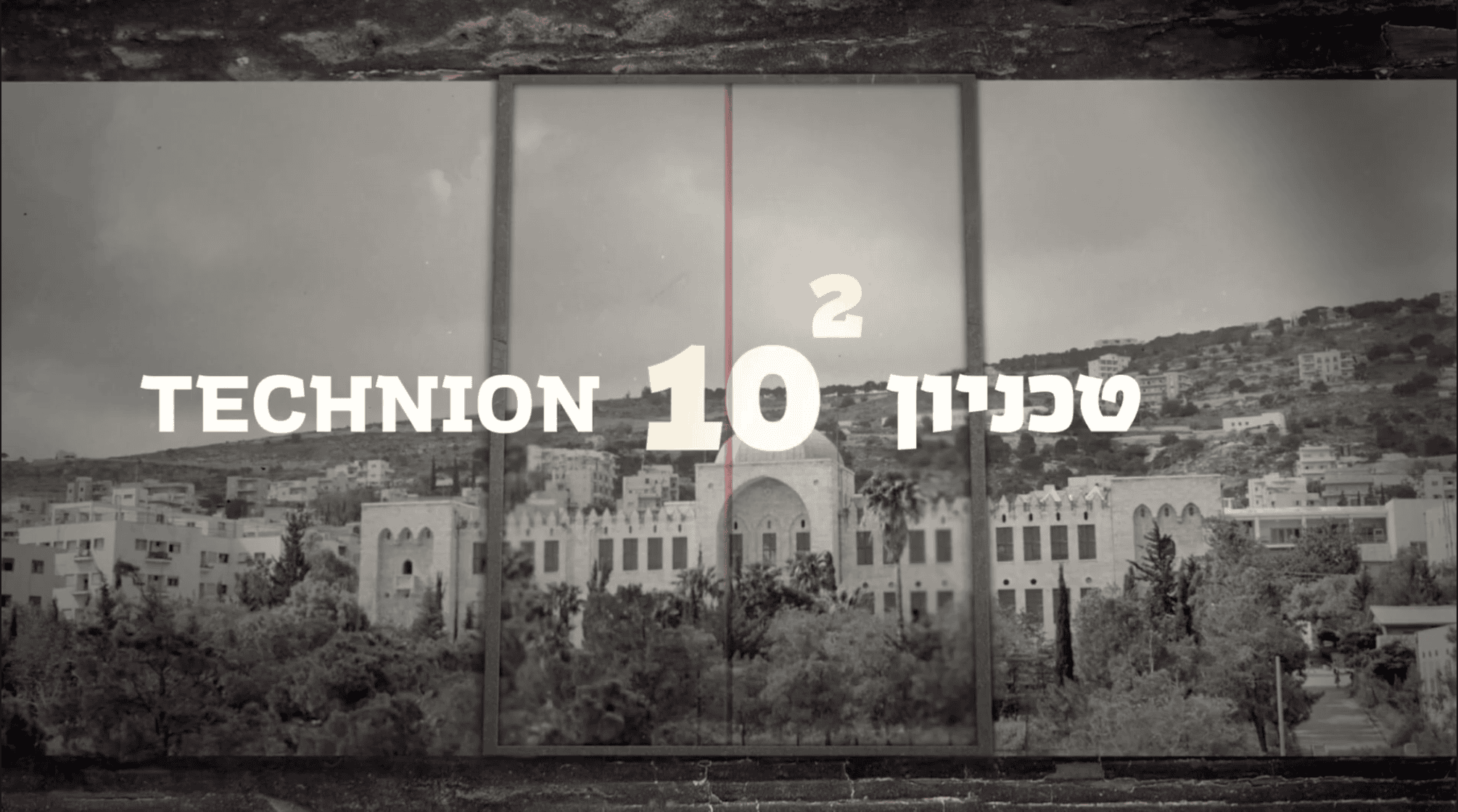
The Technion’s story has been intertwined with Israel’s for more than a century, from laying the foundations for a new nation to shaping its future.
From medicine to security, explore how the Technion is advancing Israel and improving lives around the world.
View All Impact Areas
Explore stories, news, insights, and data across articles, videos, and podcasts.
view all content types
of the student body are Arab Israeli
companies founded by graduates and faculty in the last 10 years
in Israel and Europe for research on artificial intelligence
The Technion’s story has been intertwined with Israel’s for more than a century, from laying the foundations for a new nation to shaping its future.
Explore ATS, the Technion, and the people behind the breakthroughs redefining what's possible for Israel and the world.
Learn More About ATSATS is a community of supporters, innovators, and champions of possibility united by one mission: transforming Israel and the world through science and discovery.
Learn MoreFor more than 100 years, the Technion has been Israel's technological engine and leading driver of innovation, technology, and entrepreneurship, transforming ideas into impact.
Learn More
Step inside Israeli innovation at the David and Janet Polak Visitors Center. Experience our 360° immersive movie and tech exhibition. Open to individuals and groups.
Learn MoreFrom medicine to security, explore how the Technion is advancing Israel and improving lives around the world.
View All Impact AreasExplore stories, news, insights, and data across articles, videos, and podcasts.
view all content typesDiscover ways to support, connect, and help drive innovation.
Get InvolvedExplore ATS, the Technion, and the people behind the breakthroughs redefining what's possible for Israel and the world.
Learn More About ATSAs Seen in Ynetnews.com
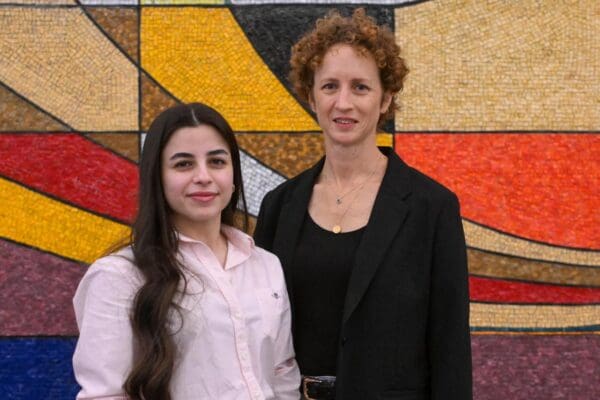
When Dr. Katrien Vandoorne first arrived in Israel to pursue her PhD at the Weizmann Institute of Science, she was struck by something that went far beyond laboratories and research facilities. “The people were very collaborative and warm and inspiring,” she recalled. “The science was really great for me, but also the Mediterranean climate, the food, all those things.”
Originally from Belgium, Vandoorne said the country’s scientific culture felt very different from the academic environment she had known in Europe. “In Belgium it’s very hierarchical,” she said. “The professor is very high up, and you should always be very polite and never question anything that is written in the book.”
How did you find Israel’s scientific culture in contrast?
“What I really like about Israel is that, as a master’s student, you can question the whole theory of your professor, and there is no problem with that,” she said. “Your professor will actually like it that the student is engaged and wants to make your theory fall.”
For Vandoorne, that openness was transformative. “No one will ever say, ‘That’s a stupid question,’” she said. “Everybody will say, ‘Hey, that’s a good question,’ and take it as a sport.” She believes this atmosphere encourages creativity and innovation. “The young people, they’re the ones with the, maybe, crazy ideas, but maybe also really solving things that the previous generations couldn’t solve.”
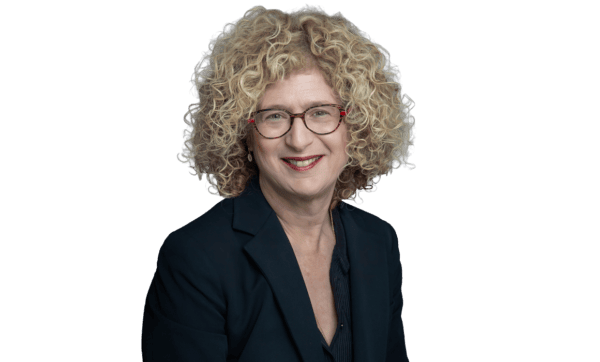
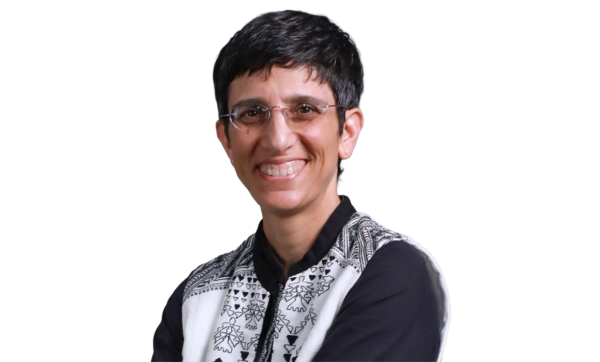
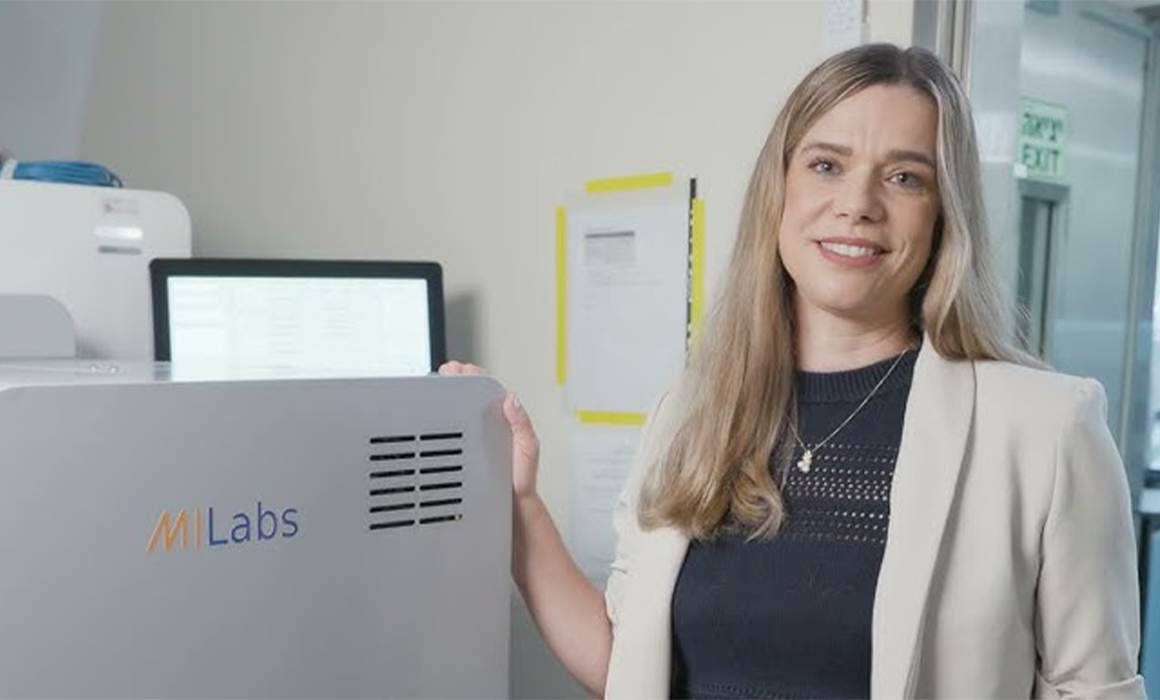
Prof. Katrien Vandoorne is head of the In Vivo Multiscale Imaging Lab in the Faculty of Biomedical Engineering in the Technion – Israel Institute of Technology.
by
www.ynetnews.com (opens in a new tab)
on
March 11, 2026
Discover how Katrien Vandoorne found inspiration in Israel's collaborative scientific culture while pursuing her doctorate.
1 min
X (opens in a new tab) / Facebook (opens in a new tab) / LinkedIn (opens in a new tab) / Email / Copy Link
Biotech / Engineering / Faculty / Women /
He was given a prosthesis and what followed was months of determination and rehabilitation at Beit HaLochem, the IDF Disabled Veterans Center. Then on a trip to the United States with a delegation from the B’lev Ehad association, Y. was shown an advanced prosthetic unlike his own. Later, he received the same one, transforming his […]
“I thought it was fake,” she recalled. “There was no chance.” As reports continued to emerge, reality became impossible to ignore. By 7 a.m., L.’s brigade commanders had convened an emergency call. Within 20 minutes, L. had packed her things and was helping mobilize reserve battalions, distribute weapons and equipment, and prepare soldiers to enter […]
When I read that Hackney Council had voted to begin ending its twinning arrangement with Haifa, I couldn’t help wondering: why Haifa? Whatever your views on the wider Middle East conflict, Haifa has always felt different. It is probably Israel’s most multicultural city – a place where Jews, Muslims, Christians, Druze and Baha’is live alongside one another. It’s a city where Hebrew and Arabic are heard every day, and where people from different communities don’t just coexist; they work, study and build lives together. It isn’t perfect, no city is. But if we’re looking for examples of what coexistence can…
Stay on top of the latest breaking scientific discoveries from Israel and the Technion. Subscribe to the ATS newsletter.