Something Fresh in the State of Denmark
October 06, 2026


























The Technion’s story has been intertwined with Israel’s for more than a century, from laying the foundations for a new nation to shaping its future.

Step inside Israeli innovation at the David and Janet Polak Visitors Center. Experience our 360° immersive movie and tech exhibition. Open to individuals and groups.
Learn More
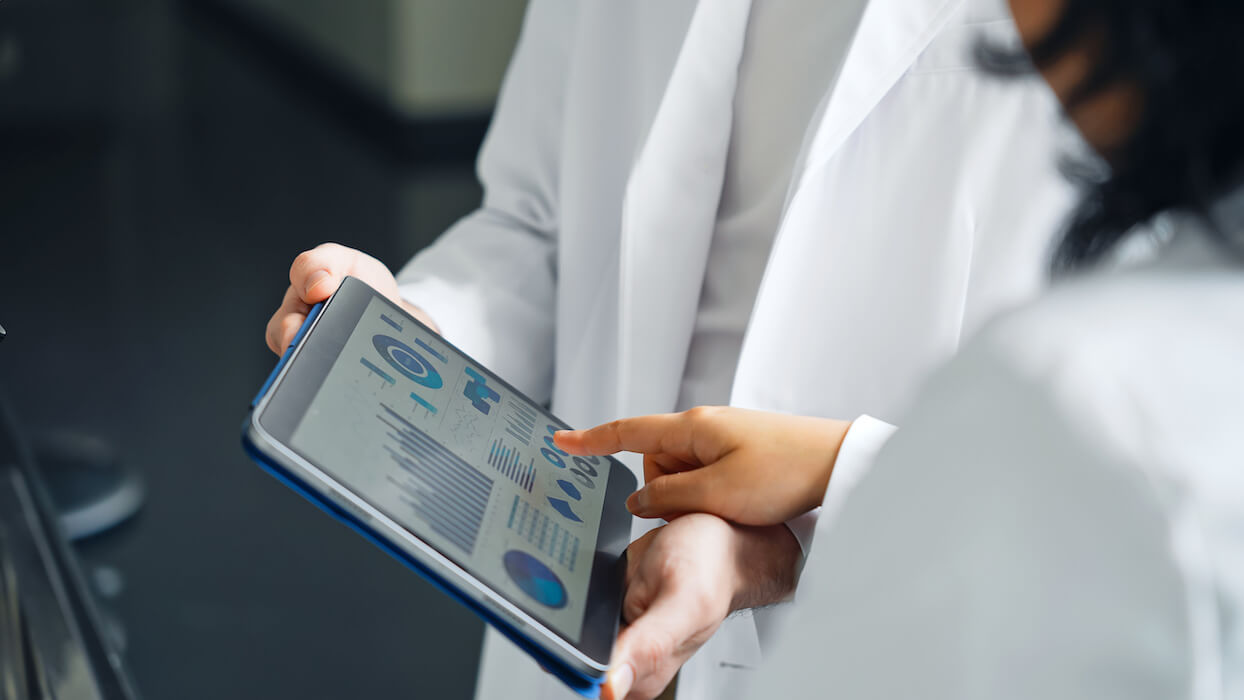
American-Israeli startup PhaseV is on a mission to overcome one of the most significant challenges of drug development: the clinical trial phase, the longest and most expensive part of the process. A recent Deloitte report reveals that, on average, a single new drug takes $2.3 billion and seven years to develop. Yet many candidates fail the clinical phase even if the biology works. That makes for a poor return on investment and wasted potential for treating diseases. “The development process for new drugs must therefore be transformed and could be made much more efficient with digital technologies,” the report urges.

Israeli and US medtech companies have teamed up to create a program that uses artificial intelligence to identify patients at high risk for respiratory or pulmonary diseases such as lung cancer. The LungFlag AlgoMarker, which analyzes data from a patient’s electronic health record, is a collaboration between Medial EarlySign, a Hod Hasharon-based company that develops clinical predictive analytics, and Geisinger, an integrated healthcare system from Pennsylvania. Working with Geisinger, Medial EarlySign developed the program to facilitate earlier invention, which is a key feature of the American healthcare provider’s care model as it helps improve clinical outcomes, creates higher patient satisfaction and reduces…
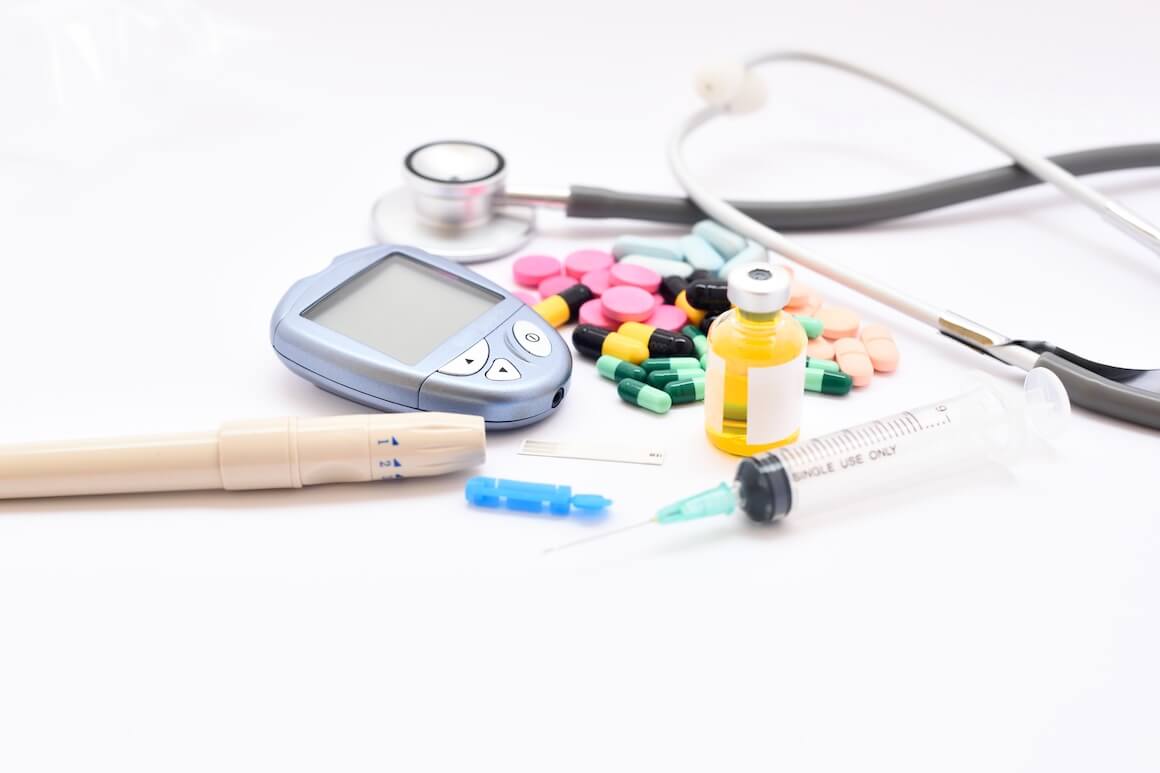
An Israeli startup that uses artificial intelligence to help manage treatment courses for diabetics has received a fifth clearance from the US Food and Drug Administration (FDA) for its endo.digital platform. The new FDA clearance allows DreaMed to expand the scope of its recommended care plans for diabetics on a fixed regimen of insulin doses that are administered via pump or injection. The endo.digital platform provides an automated total care plan for people with diabetes. The company says it is compatible with most devices used by diabetics to monitor their blood glucose levels and to administer insulin.

Parkinson’s disease is a complex, progressive neurological disorder affecting up to 10 million people worldwide. Probably caused by clumps of alpha-synuclein protein that damage dopamine-producing cells governing motor control, Parkinson’s is characterized by tremor, rigidity, poor posture and slow movement. About 150 Israeli startups are developing technologies to help prevent, stop or even cure Parkinson’s. Azilect (rasagiline), one of the most successful drugs for managing Parkinson’s symptoms, was developed in Israel by Prof. Moussa Youdim and is manufactured by Teva Pharmaceuticals.
Diagnosing urinary tract infections is easy. Most people know themselves when they have one. But identifying the type of antibiotic needed to cure that infection requires a seven-hour test. It could be a day or two before the correct drug is prescribed. Usually, patients are started on a general antibiotic. But if it’s the wrong one, it must be changed. And that contributes to the problem of antibiotic resistance. Now, thanks to a team of Technion faculty, students, and alumni, led by Professor Ester Segal of the Technion Faculty of Biotechnology and Food Engineering, a clinical assay capable of detecting…
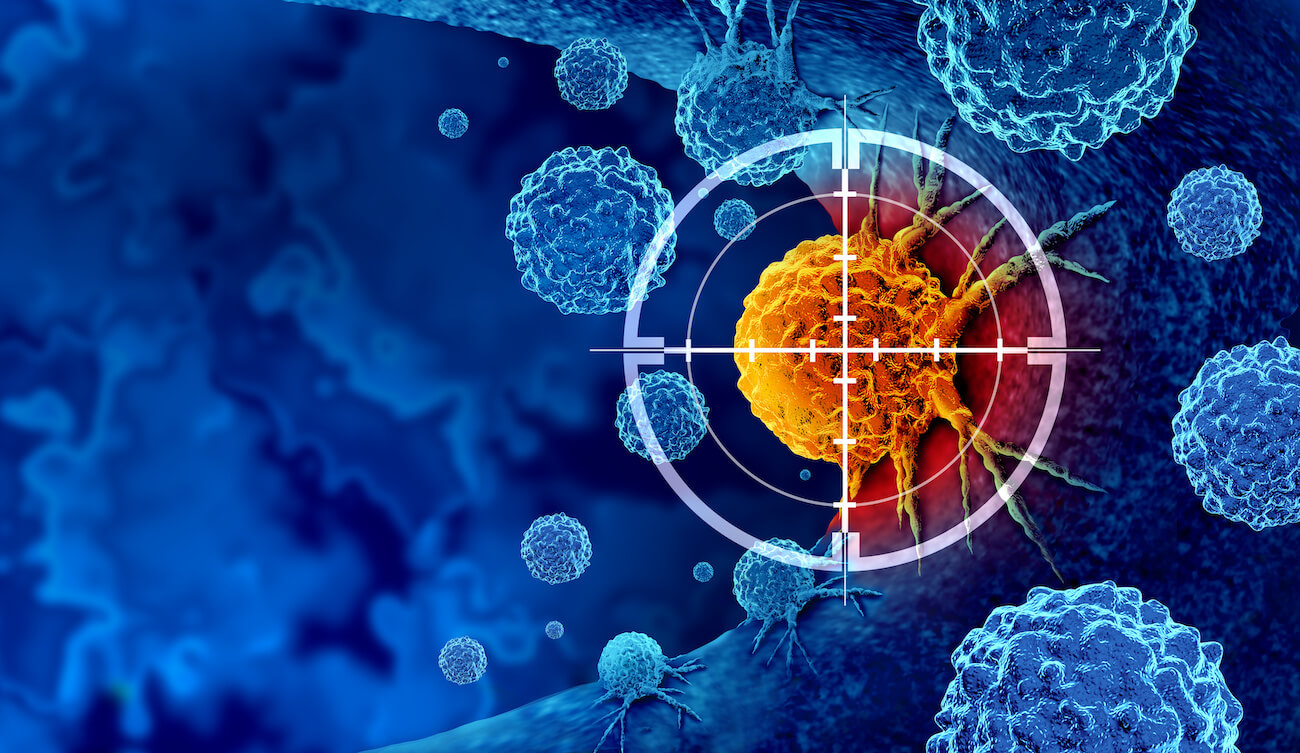
Researchers have developed a pioneering AI “matchmaker” that pairs together existing cancer drugs for use in nanomedicine. Prescribing a combination of two or more medications is already an established practice – known as combination therapy — that can prove highly effective. But a team at Technion – Israel Institute of Technology, in Haifa, has gone beyond simply identifying separate medications that will work well together.

Multiple myeloma is the second most common cancer that impacts blood cells. It primarily affects people in their mid-60s or older. Over time, patients become resistant to current treatment drugs that are initially effective. That’s why UB-Therapeutics, a company founded and run by Technion alumni and faculty, is working on a new drug. Existing drugs target proteasomes, which maintain cellular function. The new drug aims to inhibit proteasome activity in cancer cells by binding to ubiquitin, a small regulatory protein found in most tissues. “By leveraging the cell’s own natural processes, we aim to develop a more selective and effective…

A new approach that integrates a minimally invasive, painless microneedle platform may help monitor protein biomarkers in responses to a combination immunotherapy against melanoma. The platform is capable of absorbing the cell-surrounding, biomarker-containing fluid from deeper layers of the skin with an ultra-sensitive, single-molecule detection method (Simoa) that detects often rare, yet relevant biomarkers with higher sensitivity than conventional methods. The researchers provided proof-of-concept for their approach in a mouse melanoma model in which they treated cancerous lesions with a novel therapy. The therapy acts locally on tumor lesions in that it combines non-invasive focused ultrasound (FUS), which generates heat…

Israeli researchers have unveiled a new miniature model of the human heart that they say could be a “game changer” in transforming drug testing and cardiovascular research. The model is a self-paced, multi-chambered replica of the human heart that is no larger than a grain of rice. According to the researchers, it will revolutionize the study of the heart and its functions. The team comprised researchers from The Hebrew University of Jerusalem; the Technion – Israel Institute of Technology in Haifa; and Rehovot-based biotech company Tissue Dynamics Ltd. They were led by Prof. Yaakov Nahmias, an award-winning biomedical engineer at The Hebrew University.

An Israeli company that develops medical treatments using helpful bacteria to fight disease is expanding the clinical trial for its drug to battle cancer. The biopharma startup recently opened a second site for its ongoing clinical trial at Beilinson Hospital in Petah Tikva, near Tel Aviv. The first site is located at Rambam Health Care Campus in Haifa, northern Israel. Biomica identifies and selects microbes to treat specific diseases that will enhance how the body’s immune system responds. Biomica is a biopharmaceutical startup working to create microbiome-based therapeutics to treat immune-mediated and infectious diseases. The company’s Co-founder and CSO Yehuda Ringel…

As a boy of just 12, Technion Neubauer Assistant Professor Shady Farah gave his grandmother daily insulin injections. “It was tough,” he recalled. “You love her and care about her, and it causes pain.” She would often tell him, “‘Shady, maybe one day you can help find a cure for this.’” Prof. Farah took her words to heart. Securing a $700,000 grant from the Juvenile Diabetes Research Foundation (JDRF), he and Assistant Professor Joshua Doloff of Johns Hopkins University are advancing an efficient, pain-free solution for people suffering from type 1, or “juvenile” diabetes, a chronic condition in which the…
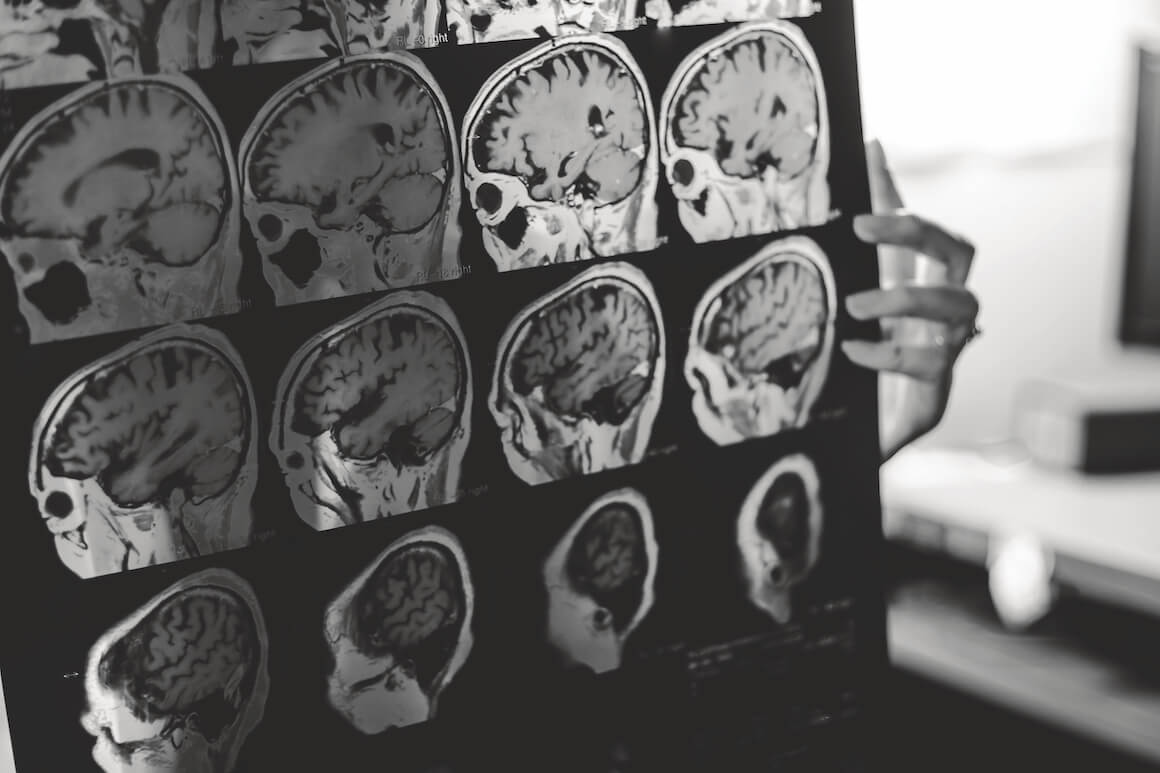
Imagine this: One day you wake up to find the steering wheel that had been on one car in your garage is now on your other car, and the parking brakes are also interchanged. According to research conducted by Professor Noam Ziv, something very similar is happening in our brains, because the parts that make up our synapses are constantly moving. This brain research, which could have implications for memory loss and aging, is just one of the many exciting projects underway in the new Technion Human Health Initiative (THHI), headed by Prof. Ziv. As the global population skews older,…