Something Fresh in the State of Denmark
October 06, 2026































The Technion’s story has been intertwined with Israel’s for more than a century, from laying the foundations for a new nation to shaping its future.

Step inside Israeli innovation at the David and Janet Polak Visitors Center. Experience our 360° immersive movie and tech exhibition. Open to individuals and groups.
Learn More

When clinical pathologists look at images of cells from a patient biopsy, they perceive things the rest of us cannot. Where we see bright pink blobs and dots of purplish blue, they can make out the hallmarks of cancerous disease. But show the same images to a computer souped up with artificial intelligence in Professor Ron Kimmel’s Geometric Image Processing Lab at the Technion, and it can discern data that is invisible even to the most highly trained human eye. The Technion is the top-ranked institution for machine learning in Europe and the Middle East. Prof. Kimmel’s group is investigating…
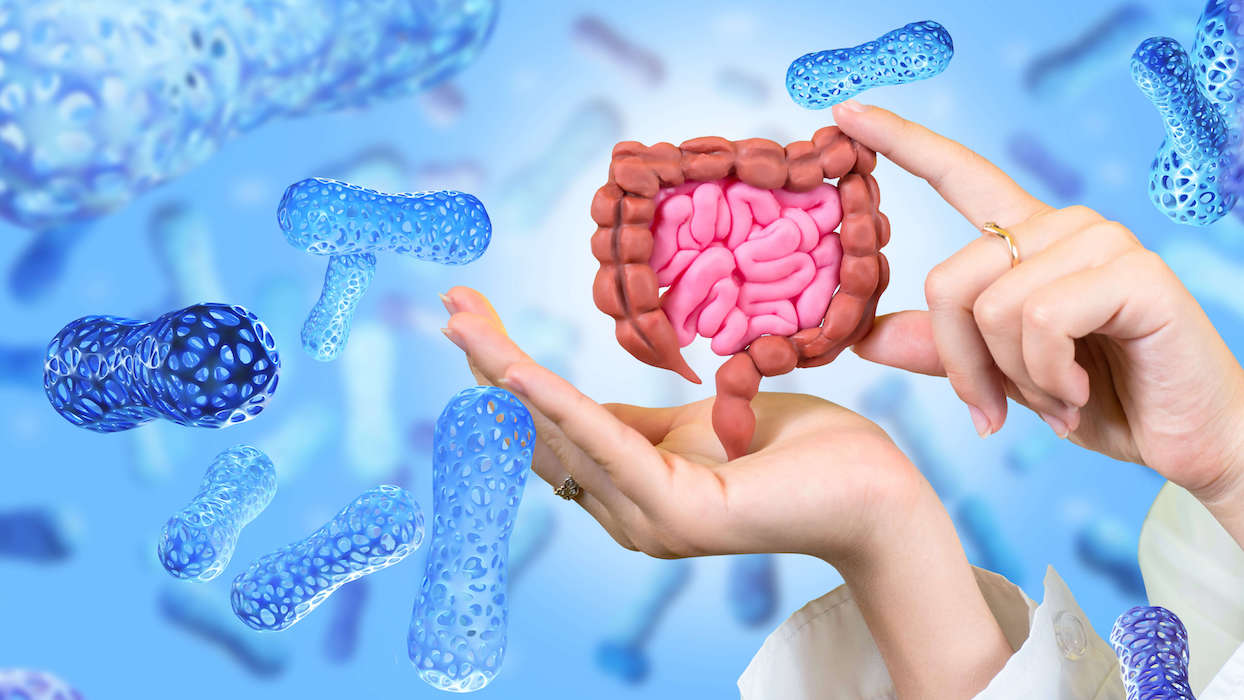
There are thousands of kinds of bacteria – microscopic, single-celled organisms that are among the earliest known life forms on earth and live in every possible environment all over the world. They might be airborne or found in water, plants, soil, animals and even humans, where some cause dangerous diseases such as salmonella, pneumonia, meningitis, tuberculosis, anthrax, tetanus and botulism. However, many bacteria, including the ones that comprise the human gut microbiome, do good rather than harm. Bacteria can even be turned into tiny factories that manufacture needed products. Now, researchers at the Faculty of Biotechnology and Food Engineering at…

Some 300 million people suffer from depression worldwide – and the number is only increasing as a result of the isolation during and losses from the COVID-19 pandemic. In cases where medications are determined to be the proper treatment, finding the right antidepressant can require a lengthy process of trial and error. More than 60% of patients try multiple medications before finding the correct treatment, and symptoms can worsen during the time it takes to find the right medication. But new technology from a startup co-founded by Technion alumna and company CSO Daphna Laifenfield could remove the trial-and-error process through…
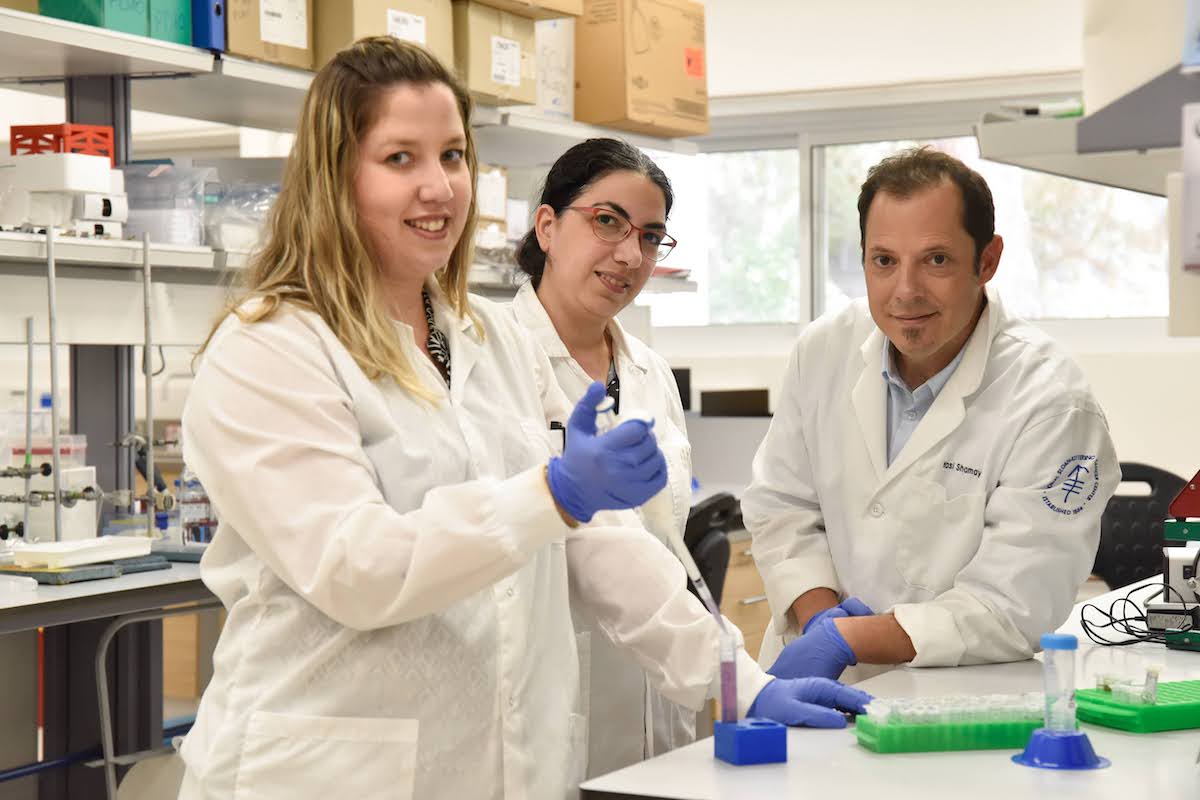
Did you know less than 1% of most chemotherapy administered as oral or injected medicines reaches the tumor, while the remainder ends up circulating through the body? Precision medicine, often delivered by nano-carriers, attempts to get around this problem by targeting the tumor while bypassing healthy tissue, avoiding the collateral damage caused by chemotherapy. Now, Technion researchers have developed an advance in precision drug delivery that is even more effective, while potentially reducing the unwanted side effects of chemotherapy, such as nausea and hair loss. Their new precision dosing technology is akin to an automated robot-chemist/robot-pharmacist system that formulates and…
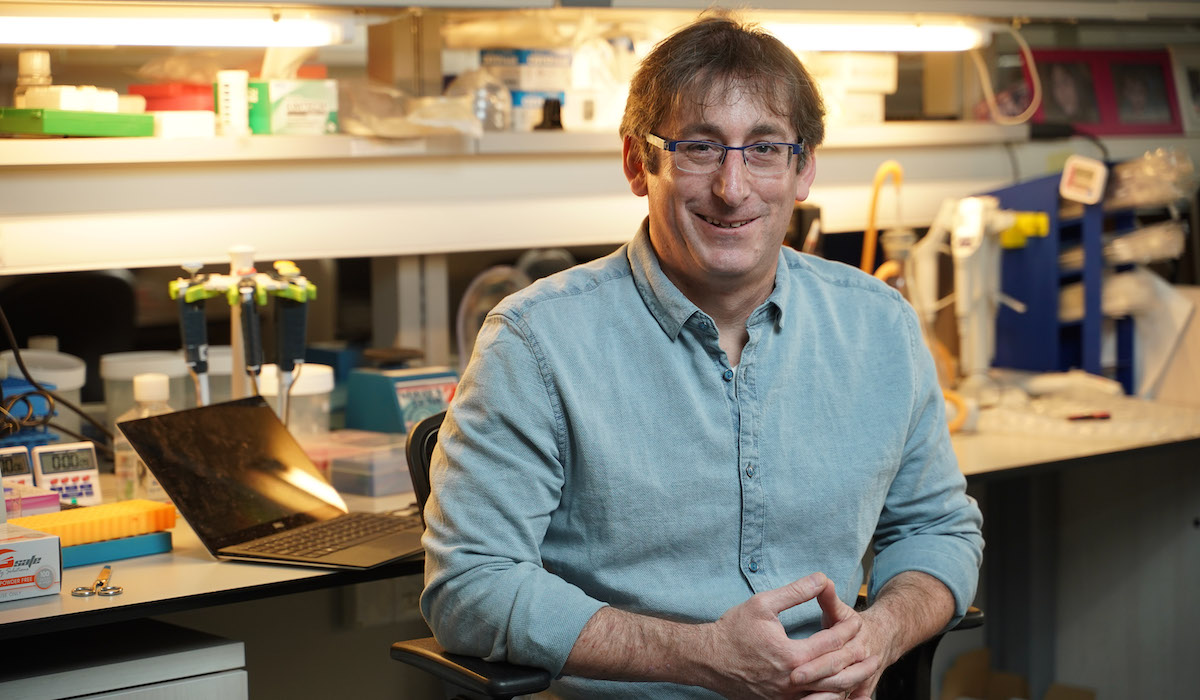
Pictured Above / Professor Shai Shen-Orr Building upon an existing, multi-year cooperation agreement that began in 2019, Pfizer Inc. recently invested $20 million in CytoReason, an Israeli startup co-founded by Technion Professor Shai Shen-Orr. The new agreement gives Pfizer the option to license CytoReason’s artificial intelligence (AI) led platform for drug development as well as fund additional research projects for the company. The partnership’s value is estimated to grow to $110 million by 2027. CytoReason’s technology makes data-driven decisions on drug development quickly and cost effectively by collecting data from pharmaceutical companies to simulate human disease and then uses their…

Have you filled a prescription for antibiotics recently? Used a virtual fitting room to try on clothes at home? Admired a new building going up in your community? You have computer science to thank — yes, even for that virtual fitting room! Computer science has improved almost every aspect of our modern lives, even for the Luddites among us. Researchers at the Technion are taking it one step further, pushing the boundaries of computer science to deliver useful, innovative solutions to complex problems plaguing our society. Minimizing Antibiotic Resistance … with Computers The use of antibiotics, while essential to curing…

Prescription eye drops, while convenient and commonly prescribed, are oftentimes ineffective and can lead to suboptimal eye care and even vision loss if patients do not administer treatment correctly. Eye drops are administered through small bottles that drop medication directly into the eyeball. Now a new device to administer eye medication could revolutionize eye care and abolish the issues associated with traditional eye medicine treatments. Eximore, an ophthalmological drug company led by Technion graduate and CEO Eyal Sheetrit, has created a patented non-invasive plug that is inserted into the tear duct and delivers medication into the eye. The plug is…

Antibiotics are a double-edged sword: on the one hand, antibiotics are essential to curing bacterial infections. On the other hand, their use promotes proliferation of antibiotic-resistant bacteria. Using genomic sequencing techniques and machine learning analysis of patient records, researchers from the Technion – Israel institute of Technology and Maccabi KSM Research and Innovation Center have developed an antibiotic-prescribing algorithm that cuts the risk of emergence of antibiotic resistance by half. The paper, published in Science, is a collaboration between the research group of Professor Roy Kishony from the Technion Faculty of Biology and the Henry and Marilyn Taub Faculty of…
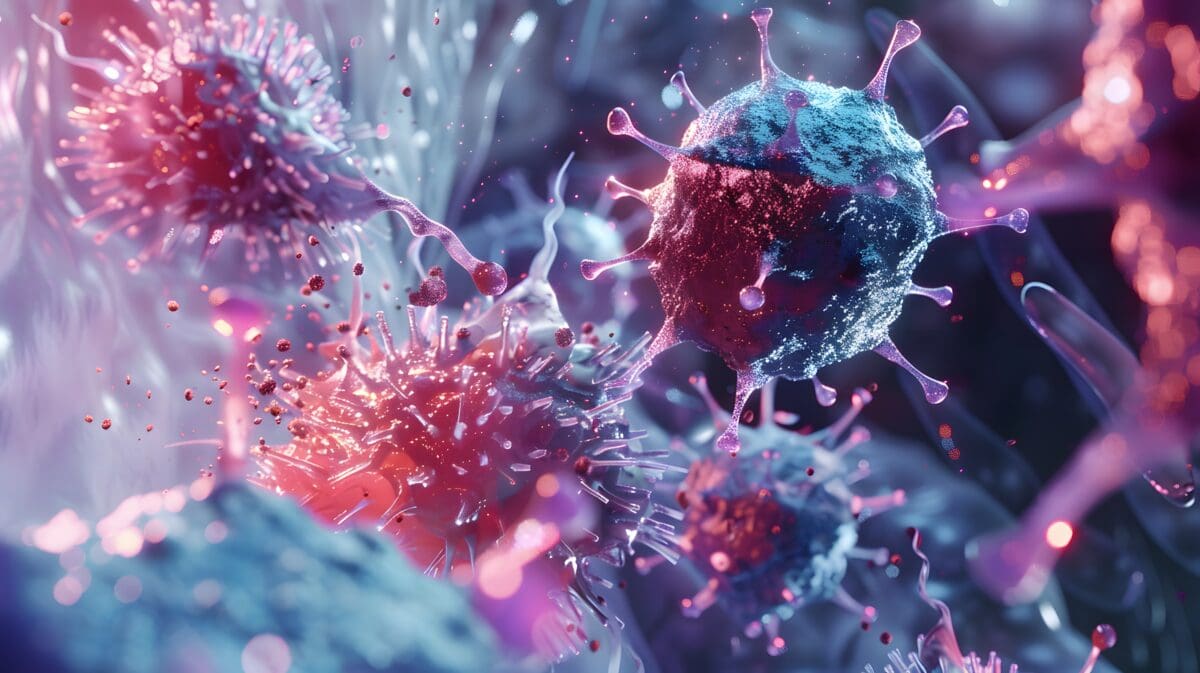
Plenty of good news came out of coronavirus research. Scientists got a jump on developing mRNA vaccines, treatment for viruses moved quickly past Tamiflu, and researchers realized the critical importance of making findings available to the public. These were just some of the conclusions to come out of a Technion webinar moderated by Professor Roy Kishony, the Marilyn and Henry Taub Professor of Life Sciences in the Technion Faculty of Biology. Stressing the importance of an interdisciplinary approach in tackling COVID-19, Prof. Kishony called on M.D.-Ph.D. candidate Matan Levine, mathematician Associate Professor Nir Gavish, and biomedical data scientist Assistant Professor…

A new algorithm developed by the Technion – Israel Institute of Technology helps doctors select more effective, personalized antibiotic treatments for patients. After doctors at Maccabi Healthcare Services adopted the algorithm for patients with urinary tract infections (UTIs), they saw a 35% drop in the need to switch a patient’s antibiotic regimen. Maccabi first applied the algorithm to patients with urinary tract infections (UTIs) – the most common bacterial infection among women. Around 30% of women suffer from UTIs at least once during their lifetimes, and up to 10% experience recurrent infections. Until now, in most cases general treatment has…

Technion – Israel Institute of Technology Assistant Professor Assaf Zinger and Dr. Caroline Cvetkovic from the Center for Neuroregeneration at the Houston Methodist Research Institute have created a novel means of delivering medicine to neurons in a targeted manner. The biomimetic nano-vesicles, or nature-mimicking, nanometer-scale “vehicles,” are capable of specifically targeting neurons such as nerve cells. These nano-vehicles pave the way for the treatment of multiple neurodegenerative diseases and traumatic brain injuries.

The Israeli company Bonus BioGroup, co-founded by Technion alumnus Shai Meretzki, has been given the green light to expand use of its innovative COVID treatment after severely ill patients showed dramatic results earlier this year. Dr. Meretzki earned dual bachelor’s degrees from the Technion in 1996 in both chemical engineering and biology, and his master’s and Ph.D. degrees — also from the Technion — in biotechnology in 1999 and 2002, respectively. Just one day after taking their last dose of Bonus Biogroup’s MesenCure, 10 patients were well enough to be released from Israel’s Rambam Hospital. Chest x-rays showed a drop…