Something Fresh in the State of Denmark
October 06, 2026

























The Technion’s story has been intertwined with Israel’s for more than a century, from laying the foundations for a new nation to shaping its future.

Step inside Israeli innovation at the David and Janet Polak Visitors Center. Experience our 360° immersive movie and tech exhibition. Open to individuals and groups.
Learn More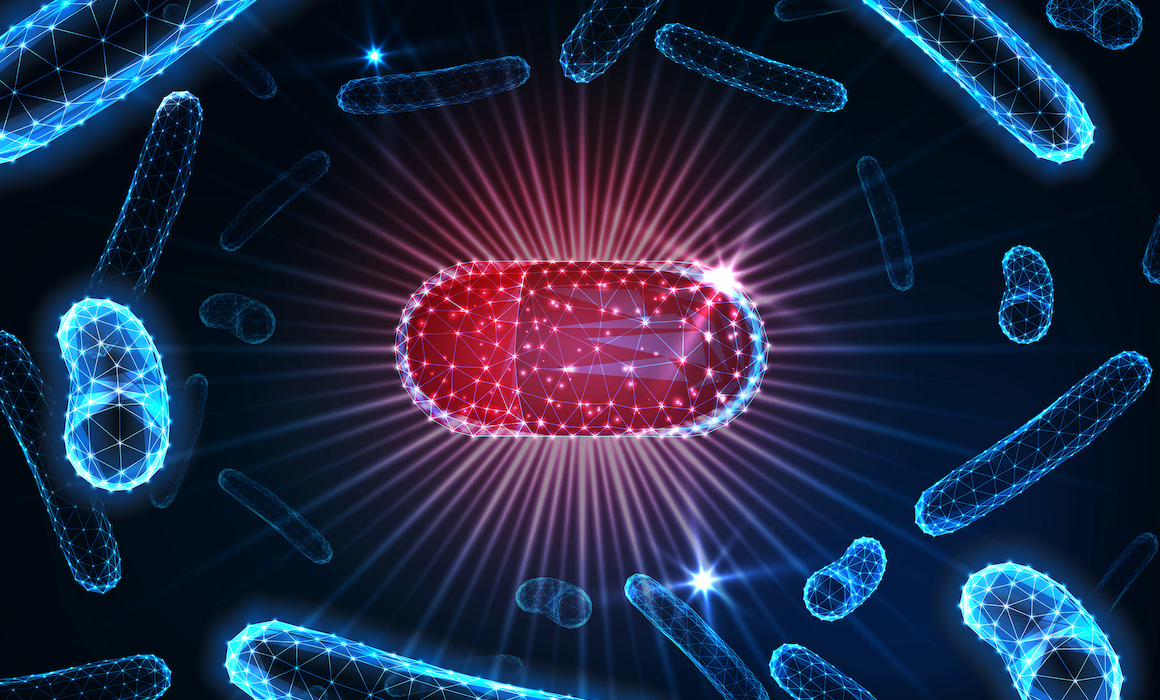
Antibiotics are a double-edged sword: on the one hand, antibiotics are essential to curing bacterial infections. On the other hand, their use promotes proliferation of antibiotic-resistant bacteria. Using genomic sequencing techniques and machine learning analysis of patient records, researchers from the Technion – Israel institute of Technology and Maccabi KSM Research and Innovation Center have developed an antibiotic-prescribing algorithm that cuts the risk of emergence of antibiotic resistance by half.
The paper, published in Science, is a collaboration between the research group of Professor Roy Kishony from the Technion Faculty of Biology and the Henry and Marilyn Taub Faculty of Computer Science and Professors Varda Shalev, Gabriel Chodick, and Jacob Kuint at Maccabi KSM Research and Innovation Center headed by Dr. Tal Patalon.
“We wanted to understand how antibiotic resistance emerges during treatment and find ways to better tailor antibiotic treatment for each patient to not only correctly match the patient’s current infection susceptibility, but also to minimize their risk of infection recurrence and gain of resistance to treatment,” said Prof. Kishony.
Clinical treatment of infections focuses on correctly matching an antibiotic to the resistance profile of the pathogen, but even such correctly matched treatments can fail as bacteria evolve by randomly acquiring mutations that make them resistant. The randomness of the process makes it hard to predict and to avoid.
The researchers focused on two very common bacterial infections, urinary tract infections, and wound infections. They discovered that in most patients’ infections resistance was not acquired by random mutations. Instead, resistance emerged due to reinfection by existing resistant bacteria from the patient’s own microbiome. The researchers turned these findings into an advantage: they proposed matching an antibiotic not only to the susceptibility of the bacteria causing the patient’s current infection, but also to the bacteria in their microbiome that could replace it.
“We found that the antibiotic susceptibility of the patient’s past infections could be used to predict their risk of returning with a resistant infection following antibiotic treatment,” explained Dr. Mathew Stracy, the first author of the paper. “Using this data, together with the patient’s demographics like age and gender, allowed us to develop the algorithm.”
Researchers hope their algorithm can be applied at the point of care, providing doctors with better tools to personalize antibiotic treatments to improve treatment and minimize the spread of resistance.