The Technion’s story has been intertwined with Israel’s for more than a century, from laying the foundations for a new nation to shaping its future.

From medicine to security, explore how the Technion is advancing Israel and improving lives around the world.
View All Impact Areas
Explore stories, news, insights, and data across articles, videos, and podcasts.
view all content types
among universities worldwide for producing undergrad entrepreneurs
of all universities in the world*
in Europe and #21 in the world for aerospace engineering*
The Technion’s story has been intertwined with Israel’s for more than a century, from laying the foundations for a new nation to shaping its future.
Explore ATS, the Technion, and the people behind the breakthroughs redefining what's possible for Israel and the world.
Learn More About ATSATS is a community of supporters, innovators, and champions of possibility united by one mission: transforming Israel and the world through science and discovery.
Learn MoreFor more than 100 years, the Technion has been Israel's technological engine and leading driver of innovation, technology, and entrepreneurship, transforming ideas into impact.
Learn More
Step inside Israeli innovation at the David and Janet Polak Visitors Center. Experience our 360° immersive movie and tech exhibition. Open to individuals and groups.
Learn MoreFrom medicine to security, explore how the Technion is advancing Israel and improving lives around the world.
View All Impact AreasExplore stories, news, insights, and data across articles, videos, and podcasts.
view all content typesDiscover ways to support, connect, and help drive innovation.
Get InvolvedExplore ATS, the Technion, and the people behind the breakthroughs redefining what's possible for Israel and the world.
Learn More About ATS

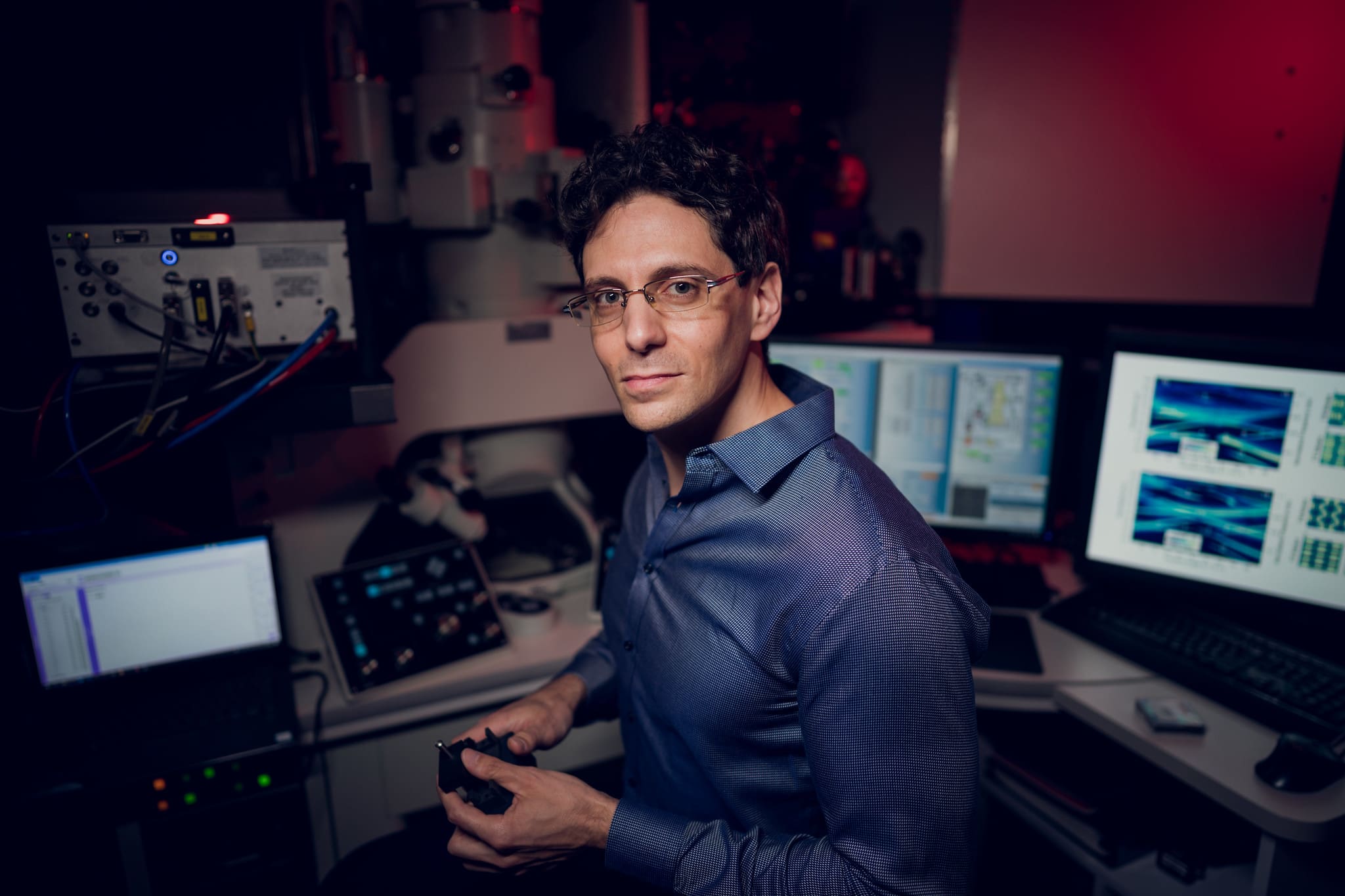
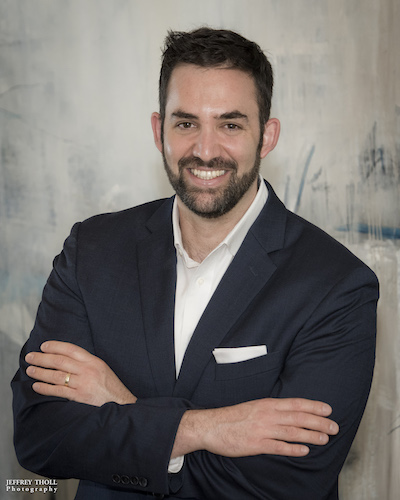
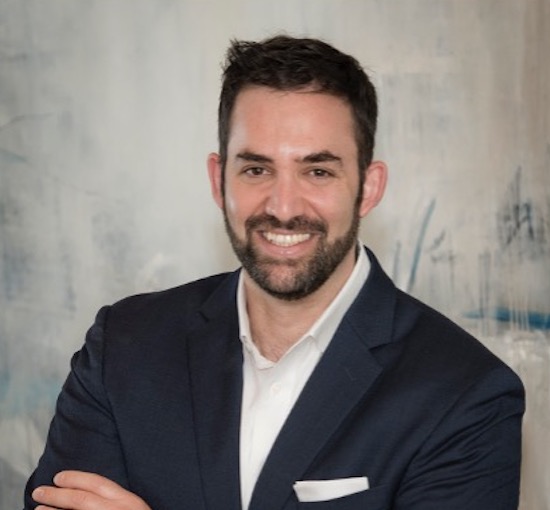
Assistant Professor Assaf Zinger
Drug delivery is a major challenge that must be overcome in drug development, and it is one of the focus areas of the Wolfson Faculty of Chemical Engineering at the Technion. It is not enough that a substance can lead to the desired therapeutic effect in a specific cell. This therapeutic substance must also reach these cells without being changed or destroyed en route, and it must not end up in other organs if it might cause harm there.
Nano-vesicles are similar in structure to human cells, but much smaller — one millionth of a hair’s width in diameter. They can carry within them cargo that needs to be delivered to the cells such as medication, mRNA, etc.
Nano-vesicles can be targeted by incorporating specific cell membrane-derived proteins on their surface, thus letting them be recognized and taken in by the correct cells. In essence, the nano vesicles (or taxis) masquerade as neurons, resulting in their being recognized and welcomed by other neurons, thereby making it possible for them to deliver their therapeutic cargo.
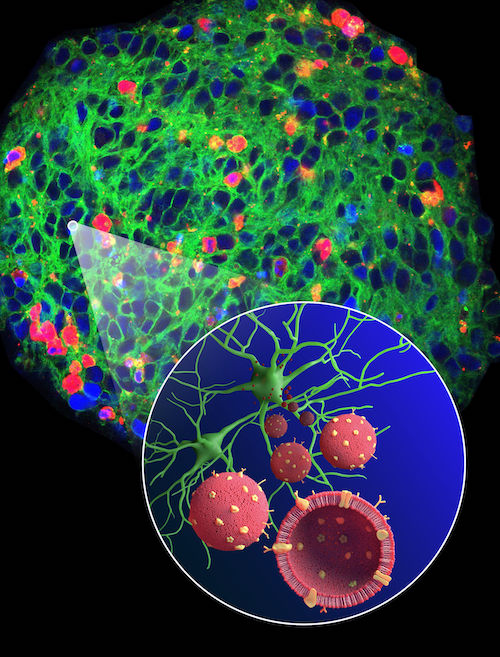
“Neurosomes”- Humanized Biomimetic nano vesicles (red) for neuron targeting (green)
Potentially revolutionizing the treatment of neurodegenerative disorders and traumatic brain injuries
These findings have broad implications. More than one neurodegenerative disorder might be treated if the correct medicine or genetic cargo (e.g., mRNA, SiRNA, miRNA) could be delivered to the brain. But these are not the only possible applications.
“With [nano-taxis], we can also potentially revolutionize the treatment of traumatic brain injuries,” Prof. Zinger explained. “In the case of a car accident and or a sports injury, as examples, the brain is first damaged by the impact, as it is struck against the skull. As a result, multiple brain cells are damaged. This starts a process of inflammation. If we could immediately deliver anti-inflammatory drugs to the brain, we could reduce the inflammatory processes, and hopefully prevent fatalities and long-term disabilities.”
The lion’s share of this study was conducted by Prof. Zinger at the Houston Methodist Research Institute and Houston Methodist Hospital as part of his postdoctoral fellowship. Prof. Zinger recently opened a multidisciplinary laboratory at the Technion, in the Wolfson Faculty of Chemical Engineering. His lab aims to create advanced bioinspired technologies and translational therapeutics through a highly multidisciplinary approach.
October 29, 2021
Explore the potential of nano-taxis in medicine. These biomimetic vehicles can transform therapies for brain injuries and diseases.
1 min
X (opens in a new tab) / Facebook (opens in a new tab) / LinkedIn (opens in a new tab) / Email / Copy Link
Nanotechnology / Faculty / Intelligent Drugs / Neurological Diseases /
What if diagnosing cancer, Parkinson’s disease, or other serious illnesses could be as simple as breathing into a handheld device? That possibility is moving closer to reality thanks to the work of the Technion’s Prof. Hossam Haick, whose groundbreaking research is changing how diseases are detected around the world. In recognition of his extraordinary achievements, […]
Every year, the European Research Council (ERC) identifies some of the world’s most promising early-career researchers and gives them the freedom to pursue bold ideas. This year, two of those ideas came from the Technion – Israel Institute of Technology. From cancer research to artificial intelligence (AI), breakthroughs that shape the future often begin with […]
As more people turn to AI chatbots for companionship, life advice, or even as a stand-in for therapy, experts say the technology offers both new opportunities and risks when it comes to mental health. Prof. Tanzeem Choudhury is the chief of health innovation in the Joan & Irwin Jacobs Technion-Cornell Institute and has been studying AI and mental health for 15 years. She said AI tools are available any time, often at low cost, making it easier for people to access some form of mental health support.
Stay on top of the latest breaking scientific discoveries from Israel and the Technion. Subscribe to the ATS newsletter.