Something Fresh in the State of Denmark
October 06, 2026























The Technion’s story has been intertwined with Israel’s for more than a century, from laying the foundations for a new nation to shaping its future.

Step inside Israeli innovation at the David and Janet Polak Visitors Center. Experience our 360° immersive movie and tech exhibition. Open to individuals and groups.
Learn More
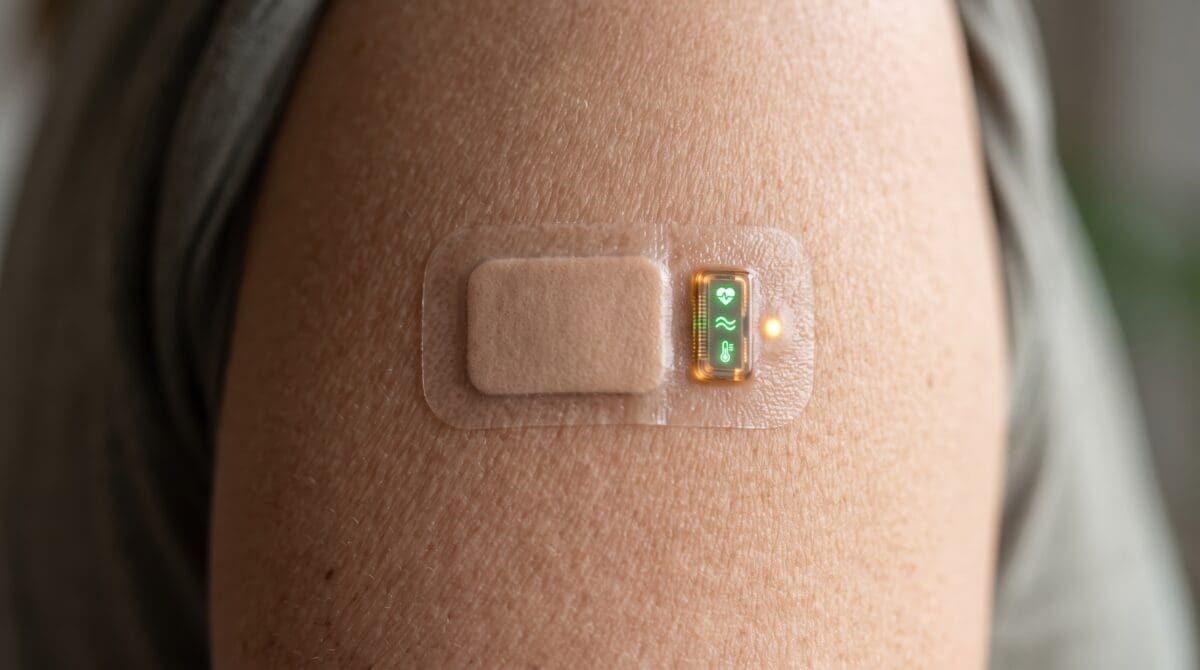
Prof. Hossam Haick of the Technion – Israel Institute of Technology, one of Israel’s most successful scientists, is really a frustrated karate fighter. As a boy in Nazareth, he joined a karate class and seemed to have found his calling. “I was incredibly competitive,” he says. “I went from one achievement to the next.” But […]
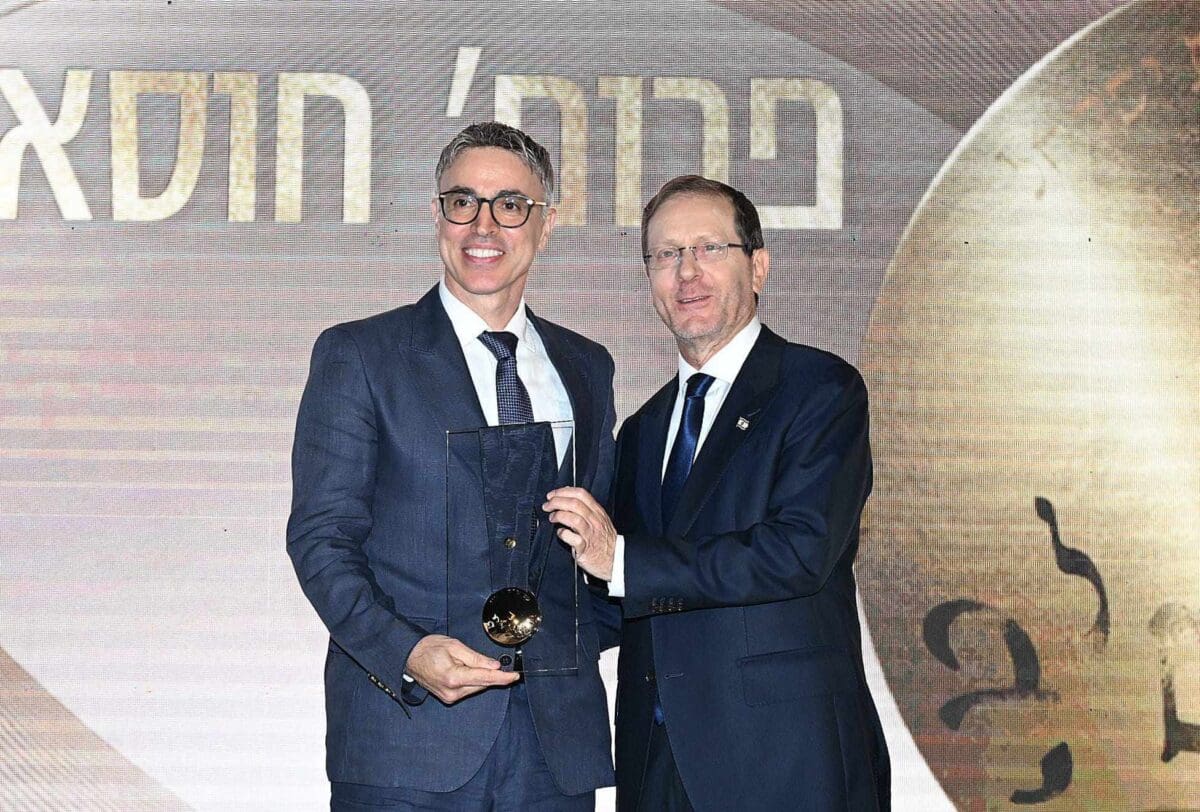
What if diagnosing cancer, Parkinson’s disease, or other serious illnesses could be as simple as breathing into a handheld device? That possibility is moving closer to reality thanks to the work of the Technion’s Prof. Hossam Haick, whose groundbreaking research is changing how diseases are detected around the world. In recognition of his extraordinary achievements, […]
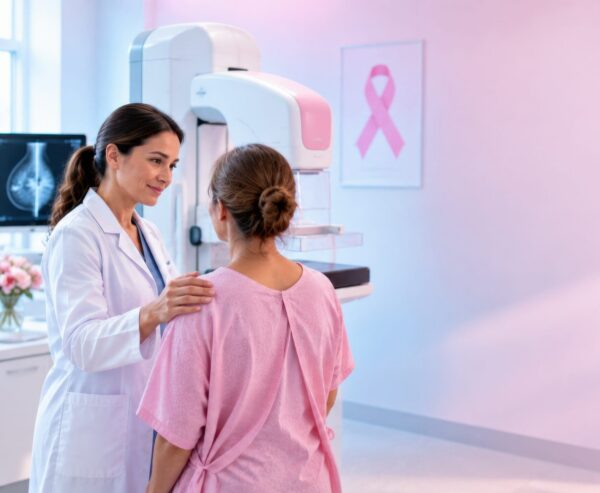
An innovative technology developed by researchers at the Technion – Israel Institute of Technology could lead to a fundamental shift in the cancer treatment paradigm. They created advanced nanoparticles that successfully halt aggressive triple-negative breast cancer tumors – without releasing a single drug molecule. The particles operate through a sophisticated interaction with the immune system, changing the rules of the game by delivering a biological message to the tumor microenvironment and to immune system cells. Published in ACS Nano, the study was led by Ph.D. candidate Ofri Vizenblit, with the assistance of Ph.D. candidate Rawan Mhajne, under the supervision of…

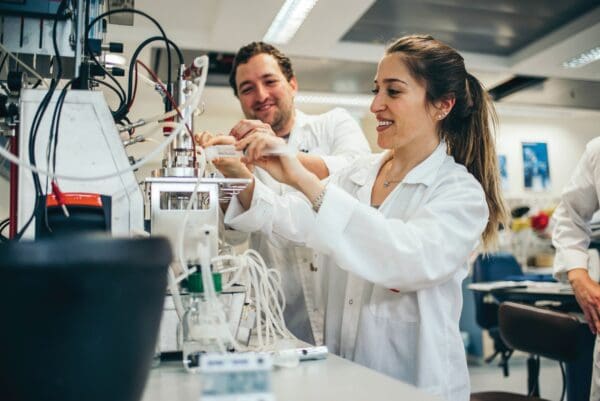
Israeli researchers have developed an innovative method that enables medicine to be manufactured within the body itself. The pioneering approach, not yet tested on humans, uses live, harmless bacteria that act like tiny factories, producing therapeutic proteins inside the body, exactly where they are needed. “We are accustomed to thinking that to introduce a drug into the body, it must be manufactured in a factory and then delivered via a capsule or an injection,” said Prof. Boaz Mizrahi of the Technion – Israel Institute of Technology’s lab for biomaterials in the Faculty of Biotechnology and Food Engineering. “This could be…

In a 1966 Hollywood film “Fantastic Voyage”, screenplay by Isaac Asimov, scientists are shrunk to a few millimeters and injected into the bloodstream of a dying scientist who has vital information. Their mission: Navigate to his brain and destroy a blood clot before returning to normal size. Fast forward: On sabbatical in Boston in the early 1980s, Rafael rocket engineer Gabriel Iddan encounters Israeli gastroenterologist, Eitan Scapa. “I can’t reach the small intestine with my endoscope,” he says. Jokingly, to Iddan: “Can you shrink a camera and transmitter small enough to swallow and travel through the intestines?” Iddan’s Israeli startup…
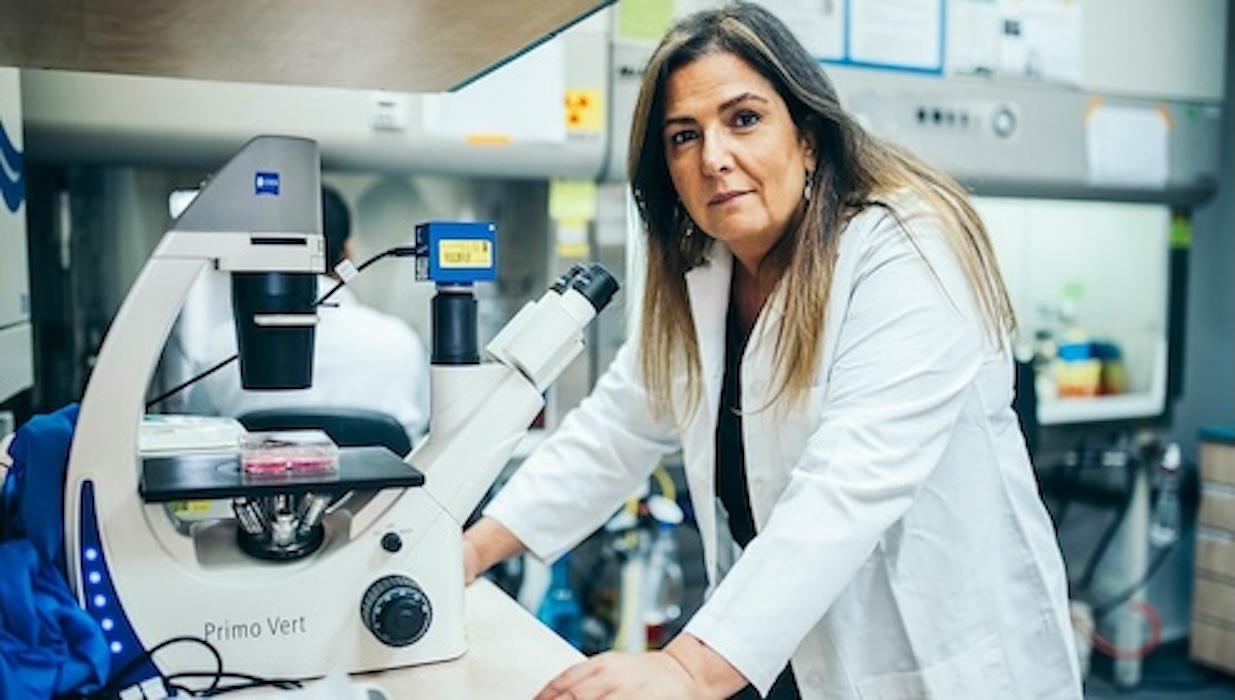
In the next 100 years — and even in the next three to four years — there will be a huge advance in what we call alternative proteins. Rethinking What We Eat Instead of what we see in science fiction, where we’re flying into space and eating a bunch of pills, I think we will […]
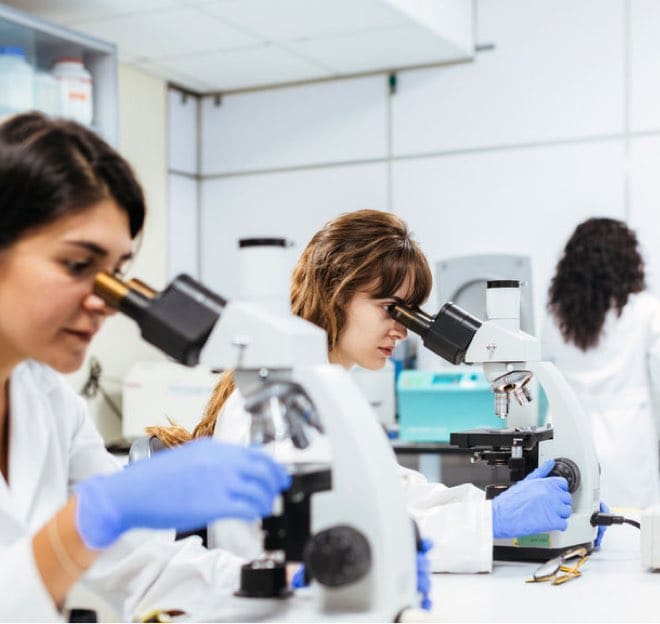
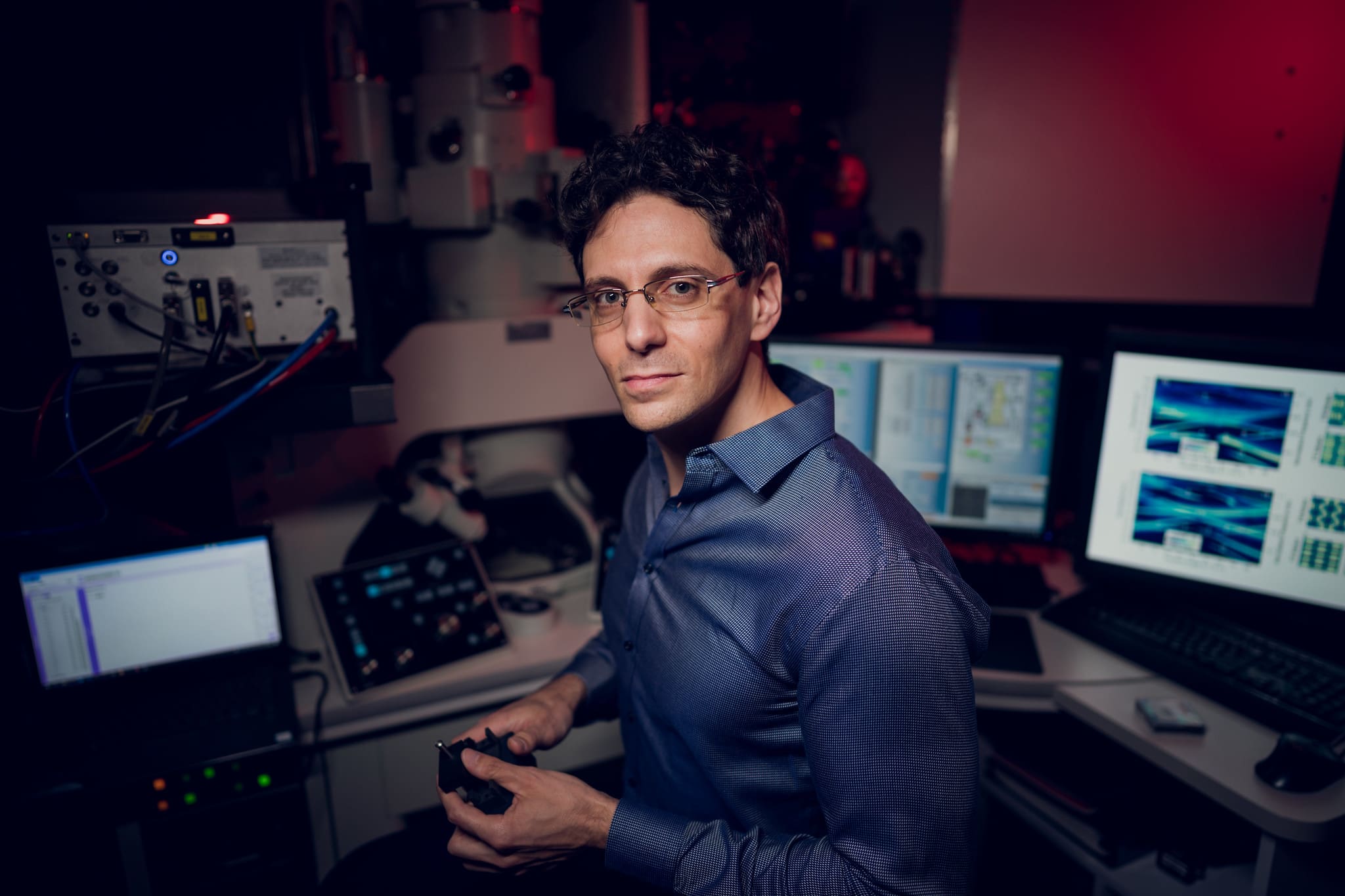
Hear From One of Technion’s Rising Stars Technion Associate Prof. Yoav Shechtman describes his work as: “how and why to ruin a perfectly good microscope?” Pushing the limits of microscopy, the nano-bioengineer develops technology that creates videos of the tiniest moving organisms inside cells, allowing scientists to better understand health and disease. Prof. Shechtman shares his personal story, describes his cutting-edge research, and offers a lively Q & A.

Associate Professor Ido Kaminer of the Andrew and Erna Viterbi Faculty of Electrical and Computer Engineering at the Technion recently won an ERC Consolidator grant. The grants support select scientists who propose pioneering, groundbreaking research ideas – presented by the European Research Council (ERC). Prof. Kaminer and his team will use the grant to develop a theory and innovative experimental platform for a new field in electron microscopy: Q-in-PINEM. The research combines use of an electron microscope with a femtosecond pulsed laser, which is the first system of its kind in Israel and one of just a few in the…

A team of mechanical engineers at Cornell University, working with a colleague from Technion – Israel Institute of Technology, has designed and built a tiny robot that is powered by a combustion engine. In their paper published in the journal Science, the group describes how they built their tiny engine and possible uses for it. Ryan Truby, with Northwestern University, has published a Perspective piece in the same journal issue outlining the work done by the team on this new effort. Over the past several decades, roboticists have designed and built ever-smaller robots with the goal of finding a design that can…
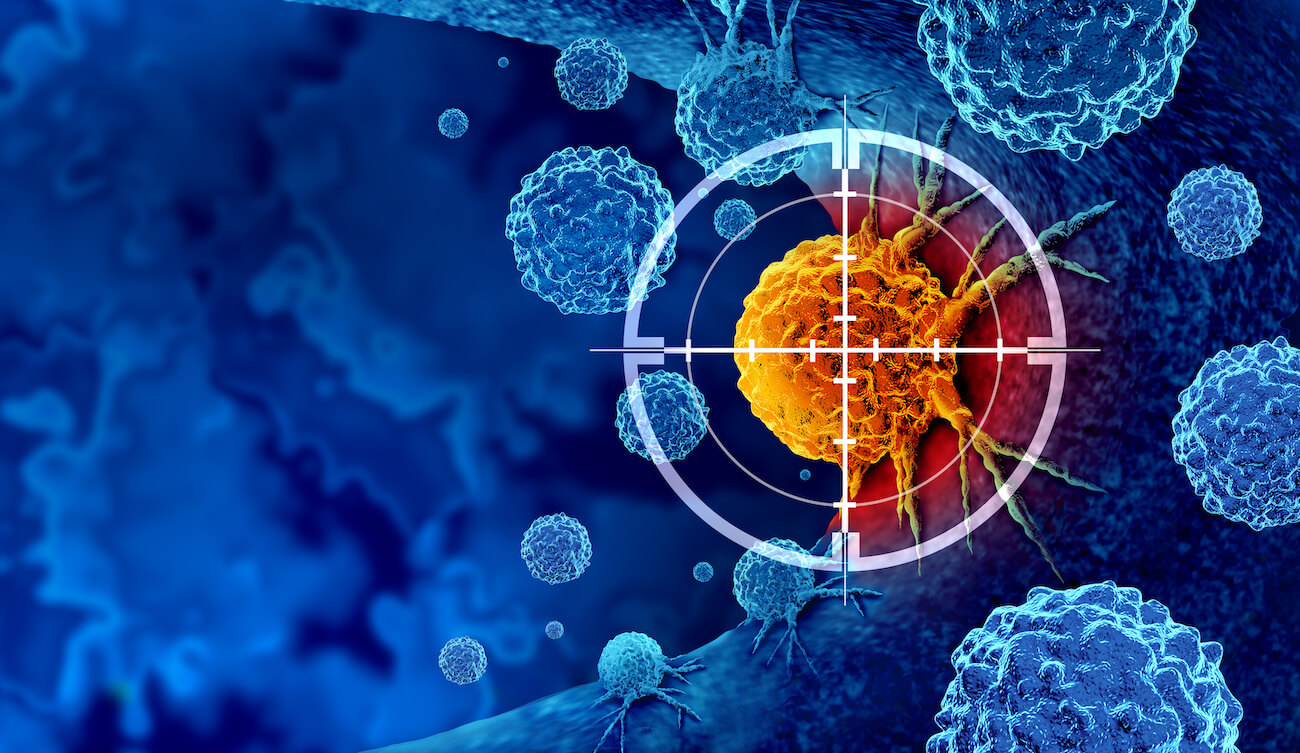
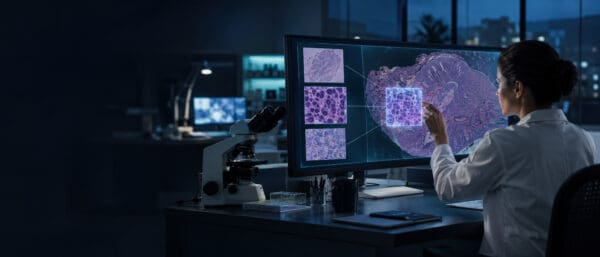
Researchers have developed a pioneering AI “matchmaker” that pairs together existing cancer drugs for use in nanomedicine. Prescribing a combination of two or more medications is already an established practice – known as combination therapy — that can prove highly effective. But a team at Technion – Israel Institute of Technology, in Haifa, has gone beyond simply identifying separate medications that will work well together.
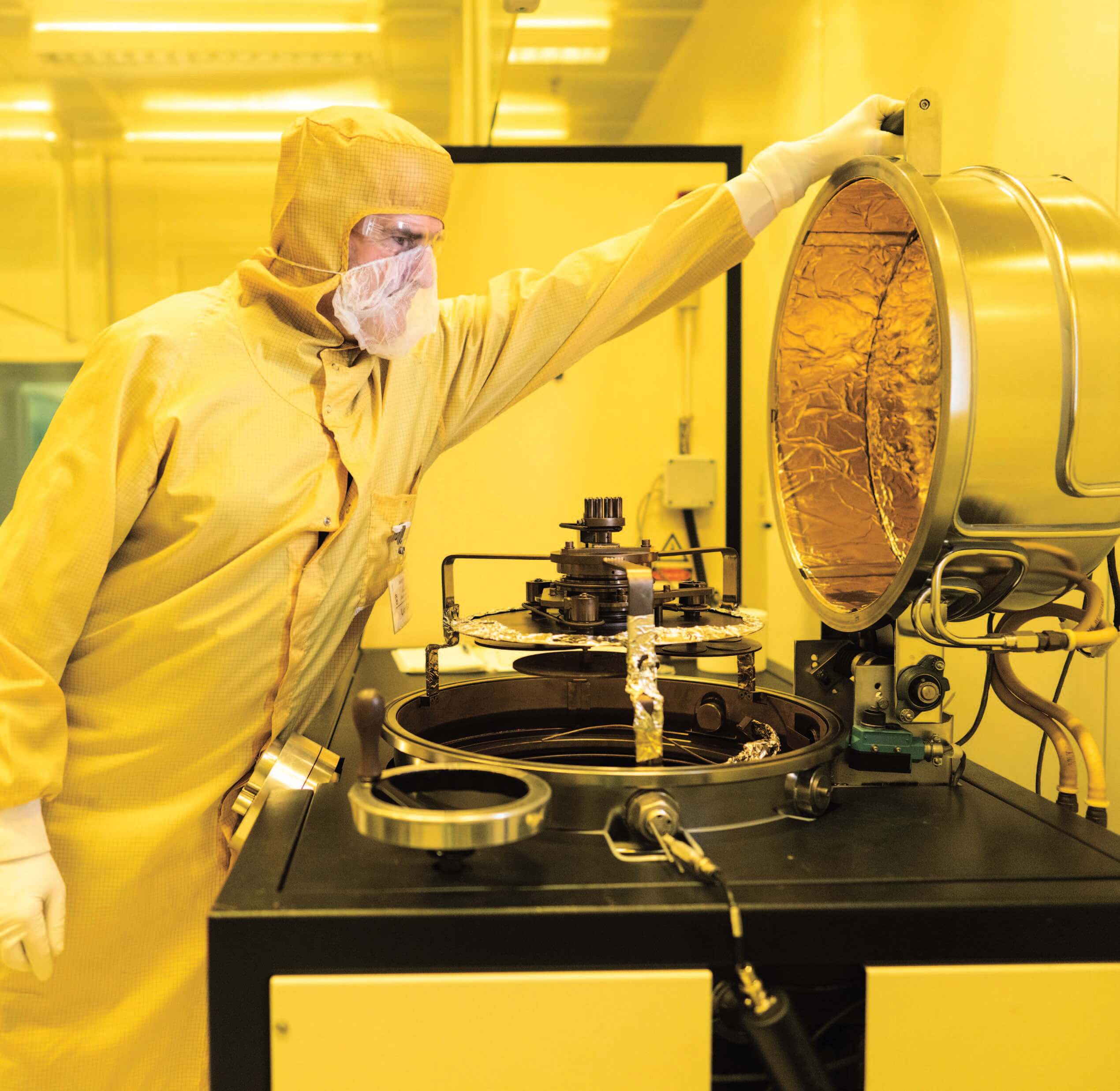

(Nanowerk News) Refractive index – the ratio of the speed of electromagnetic radiation in a medium to its speed in a vacuum – can be modulated fast enough to generate photonic time crystals (PTCs) in the near-visible part of the spectrum, a new study published in the journal Nanophotonics demonstrates (“Time-refraction optics with single cycle modulation”). The study’s authors suggest that the ability to sustain PTCs in the optical domain could have profound implications for the science of light, enabling truly disruptive applications in the future. PTCs, materials in which refractive index rises and falls rapidly in time, are the…