Something Fresh in the State of Denmark
October 06, 2026




























The Technion’s story has been intertwined with Israel’s for more than a century, from laying the foundations for a new nation to shaping its future.

Step inside Israeli innovation at the David and Janet Polak Visitors Center. Experience our 360° immersive movie and tech exhibition. Open to individuals and groups.
Learn More

The development of high-performance alternatives to silicon in microelectronics has been brought nearer by researchers at the Technion-Israel Institute of Technology in Haifa who stretched an oxide material at an atomic level, thus controlling its conductivity. They said this is a “milestone advancement towards making efficient switches, which are the basic building blocks of computer chips.” Researchers in the Viterbi Faculty of Electrical and Computer Engineering have been able to control an emerging material that they regard as a possible future alternative to silicon in microelectronics. This is a timely development, because scientists and engineers face challenges in continuing the transistor shrinking…

Researchers have theorized a new mechanism to generate high-energy “quantum light,” which could be used to investigate new properties of matter at the atomic scale. The researchers, from the University of Cambridge, along with colleagues from the U.S., Israel and Austria, developed a theory describing a new state of light, which has controllable quantum properties over a broad range of frequencies, up as high as X-ray frequencies. Their results are reported in the journal Nature Physics. The world we observe around us can be described according to the laws of classical physics, but once we observe things at an atomic scale,…
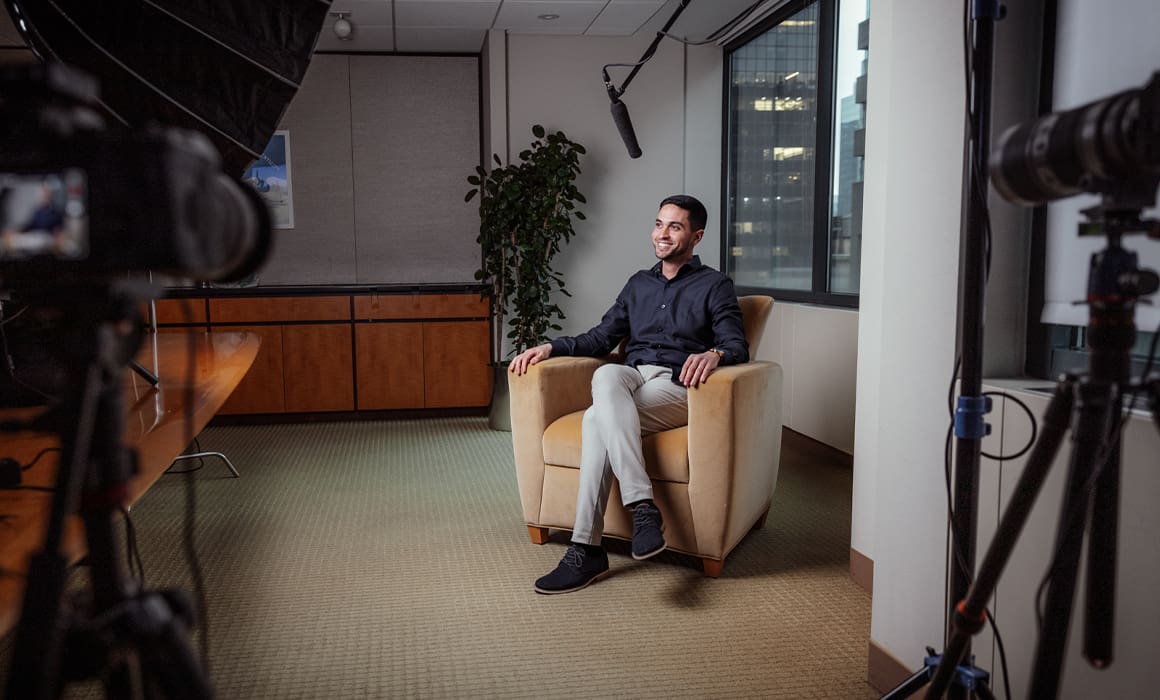
Aviram Avital ’18, M.S. ’20 is a Ph.D. candidate in the Wolfson Department of Chemical Engineering, pursuing his degree in Nanoscience and Nanotechnology and a Technion MBA. He is also affiliated with the Russell Berrie Nanotechnology Institute at the Technion. A 2023 Ilene & Steve Berger Technion Visiting Fellow, Aviram met with ATS supporters in the southeastern United States. Aviram was born and raised in Qiryat Bialik, a periphery town near Haifa, and currently lives in Nesher, close to the Technion campus. He served in the Israel Defense Forces’ Armored Corps – first as a combat soldier and then in…
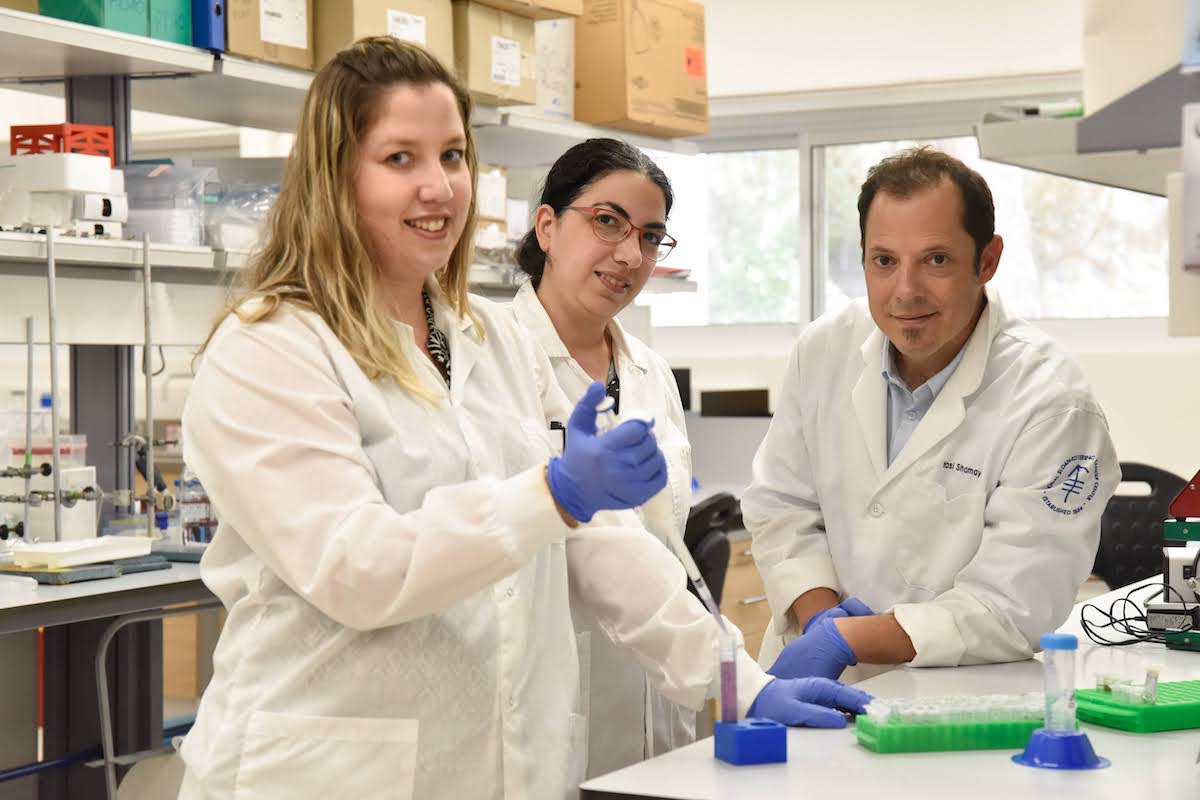
Did you know less than 1% of most chemotherapy administered as oral or injected medicines reaches the tumor, while the remainder ends up circulating through the body? Precision medicine, often delivered by nano-carriers, attempts to get around this problem by targeting the tumor while bypassing healthy tissue, avoiding the collateral damage caused by chemotherapy. Now, Technion researchers have developed an advance in precision drug delivery that is even more effective, while potentially reducing the unwanted side effects of chemotherapy, such as nausea and hair loss. Their new precision dosing technology is akin to an automated robot-chemist/robot-pharmacist system that formulates and…
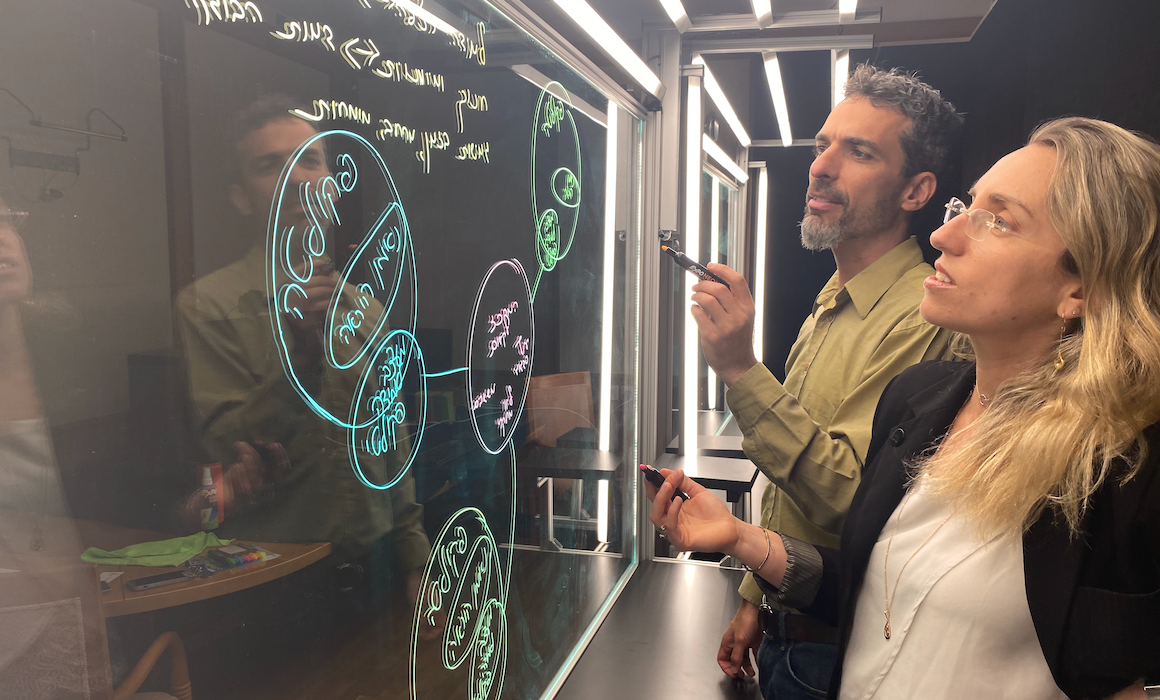
While institutions around the world are pondering how to adjust their teaching models to current and future needs, the Technion is one step ahead of the game. It is already deep in the process of implementing systemic changes in both curricula and the way students will learn inside and outside of the classroom. Academia had been rapidly transforming on many fronts: scientific, technological, economic, and social. Then the COVID-19 pandemic accelerated these changes, sparking a worldwide overnight shift to digital learning. Realizing that the Technion must redefine its approach to stay relevant and remain a leader in science and technology,…

The technology, based on the Nano-Ghosts platform, makes it possible to reduce the drug dose a million-fold without reducing its efficacy. Researchers in the Faculty of Biotechnology and Food Engineering at the Technion developed a technology that inhibits development of melanoma using one-millionth of the active ingredient. The study, published in Advanced Functional Materials, was led by Professor Marcelle Machluf, dean of the faculty, and Ph.D. student Lior Levy. This development is a significant breakthrough in the field of immunotherapy — an innovative medical approach that uses the body’s own immune system to destroy cancer cells. Immunotherapy can destroy cancer…

Technion – Israel Institute of Technology Assistant Professor Assaf Zinger and Dr. Caroline Cvetkovic from the Center for Neuroregeneration at the Houston Methodist Research Institute have created a novel means of delivering medicine to neurons in a targeted manner. The biomimetic nano-vesicles, or nature-mimicking, nanometer-scale “vehicles,” are capable of specifically targeting neurons such as nerve cells. These nano-vehicles pave the way for the treatment of multiple neurodegenerative diseases and traumatic brain injuries.

Virtual Event With Technion Alumni “From a young age, I knew I am going to be a scientist, and it’s a decision I have never regretted,” said Dr. Assaf Zinger. Today, he is a rising star in biomedical engineering and nanotherapeutics. Conducting his postdoctoral research at the Houston Methodist Research Institute in Texas, Dr. Zinger […]

Professor Marcelle Machluf is using trickery to try to trap the coronavirus, and Professor Ezri Tarazi has created an air shield to protect health care workers. These maverick professors from the Technion – Israel Institute of Technology talk about their innovative work in the fight against the SARS-CoV-2, the virus that causes COVID-19. Prof. Machluf […]
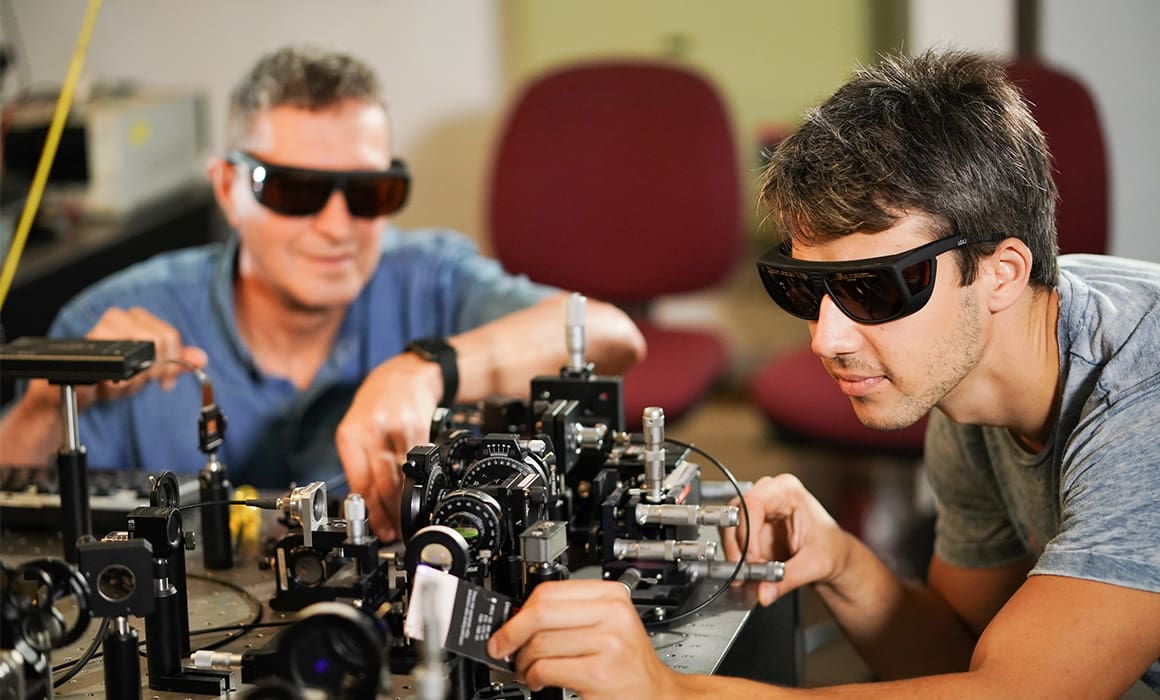
An interdisciplinary team of scientists led by Distinguished Professor Mordechai Segev of the Technion’s Physics Department and Solid State Institute and Professor Erez Hasman of the Technion’s Faculty of Mechanical Engineering has developed a new and innovative scientific field: quantum metamaterials.