Something Fresh in the State of Denmark
October 06, 2026





























The Technion’s story has been intertwined with Israel’s for more than a century, from laying the foundations for a new nation to shaping its future.

Step inside Israeli innovation at the David and Janet Polak Visitors Center. Experience our 360° immersive movie and tech exhibition. Open to individuals and groups.
Learn MoreProf. Marcelle Machluf on lab-grown food, smarter medicine, and Israel’s next startup revolution.
Biotech is the high tech of tomorrow, and Israel will be a startup nation in biotech.”
Prof. Marcelle Machluf
In the next 100 years — and even in the next three to four years — there will be a huge advance in what we call alternative proteins.
Instead of what we see in science fiction, where we’re flying into space and eating a bunch of pills, I think we will just have better food that looks like, tastes like, and is as good as food sourced from animals, but it will not come from them.
This change will happen because there simply is no other choice. Our planet cannot sustain the food supply chains we need in order to feed the population.
The next generation of drug delivery won’t be limited to a simple capsule that contains a drug and maybe one other antibody or protein. It will be more sophisticated.
And it’s already happening. Nano-Ghosts made in my lab from the membranes of stem cells transform particles so that they can be filled with the drugs.
These Nano-Ghosts pass the blood-brain barrier — the blood vessels that feed and protect the brain — but can prevent some types of drugs from reaching it. We are looking at ways they can arrest disease in multiple sclerosis and glioblastoma.
Empty Nano-Ghosts can reduce inflammation not only in tumors, but also in neurodegenerative diseases like muscular dystrophy. The system is not just a drug delivery mechanism; it’s a technology that can modulate the immune response.
We need to bring together scientists from totally different research areas to think about a broader spectrum of research. Once we do that, I think we will see more advances.
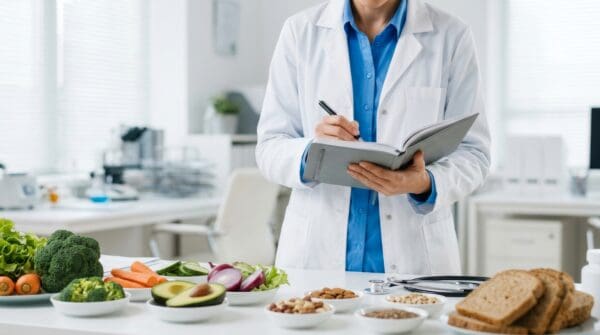
I take myself as an example. I was doing tissue engineering for medicine, but I saw a great opportunity to apply my knowledge to the area of cultivated meat to help promote sustainable food production.
The process of creating a piece of heart tissue (the heart is also a muscle) and creating a steak from cultivated cow cells has a lot of similarities.
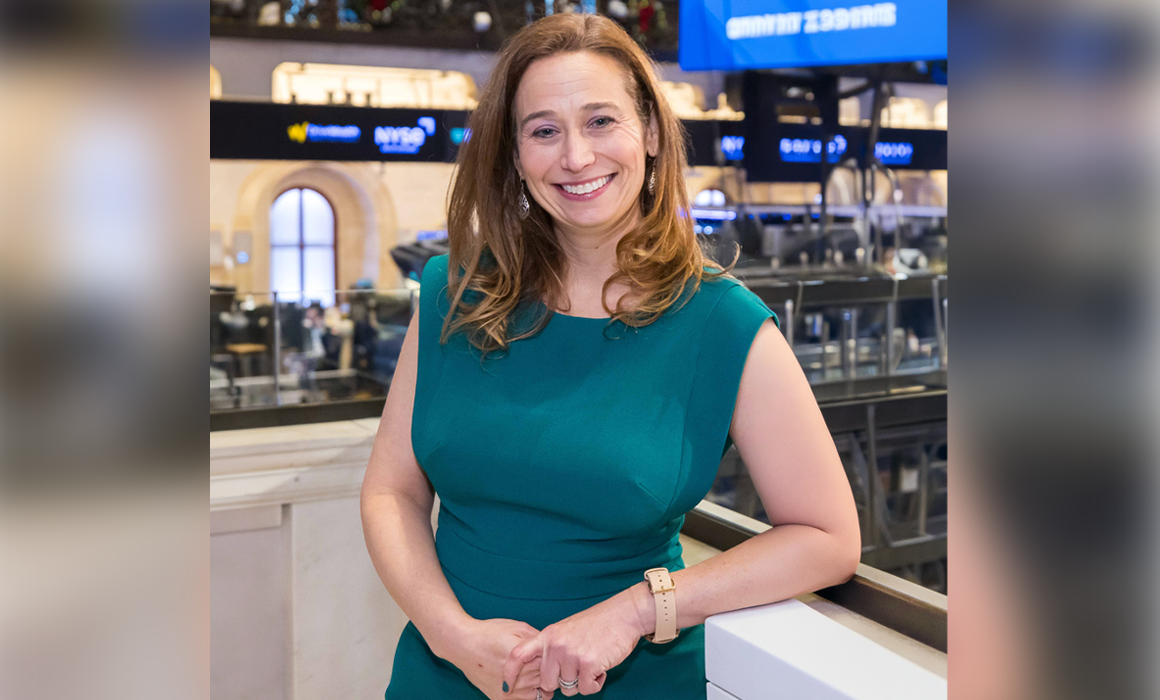
We call Israel a high-tech startup nation. Biotech is the high tech of tomorrow, and Israel will be a startup nation in biotech. We have excellent scientists and excellent knowledge, and we are fast-thinking.
We know how to be nimble to develop technologies very quickly so that we can bring them to market and drive wide-scale impact.
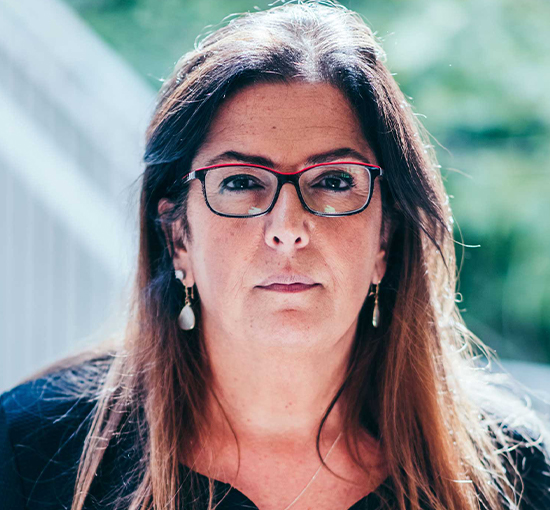
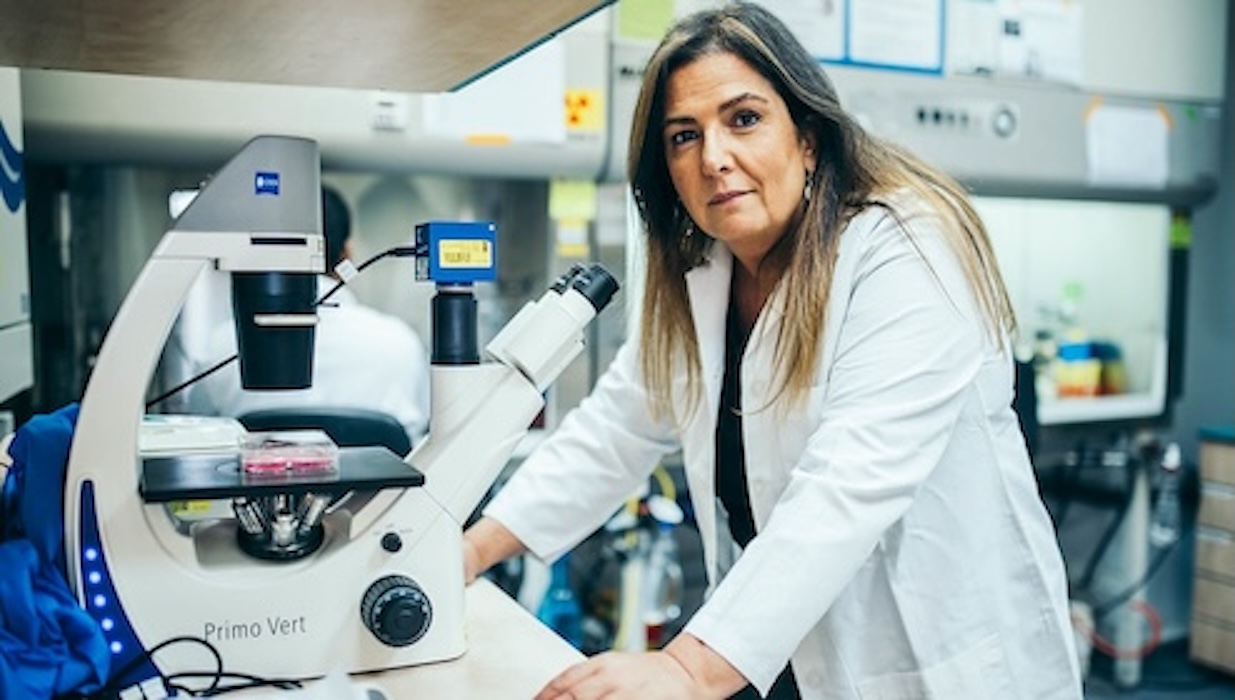
This article was written by Professor Marcelle Machluf of the Faculty of Biotechnology and Food Engineering.