Something Fresh in the State of Denmark
October 06, 2026





























The Technion’s story has been intertwined with Israel’s for more than a century, from laying the foundations for a new nation to shaping its future.

Step inside Israeli innovation at the David and Janet Polak Visitors Center. Experience our 360° immersive movie and tech exhibition. Open to individuals and groups.
Learn More
In this webinar, discover how the Technion’s leading minds are realizing this vision while also tackling issues of how to overcome age-related motor and cognitive decline. Technion alumnus Prof. Nir Barzilai, M.D., and Prof. Firas Mawase discuss their groundbreaking research on health across the lifespan — and how their work promises to make life’s next […]

Shai Shen-Orr on the Future of Disease Modeling In this newly released podcast, Shai Shen-Orr, co-founder and chief scientist at CytoReason and professor at the Technion – Israel Institute of Technology, dives into the next frontier of health care: disease modeling. He explains how CytoReason transforms today’s overwhelming biological data into actionable insights that power […]
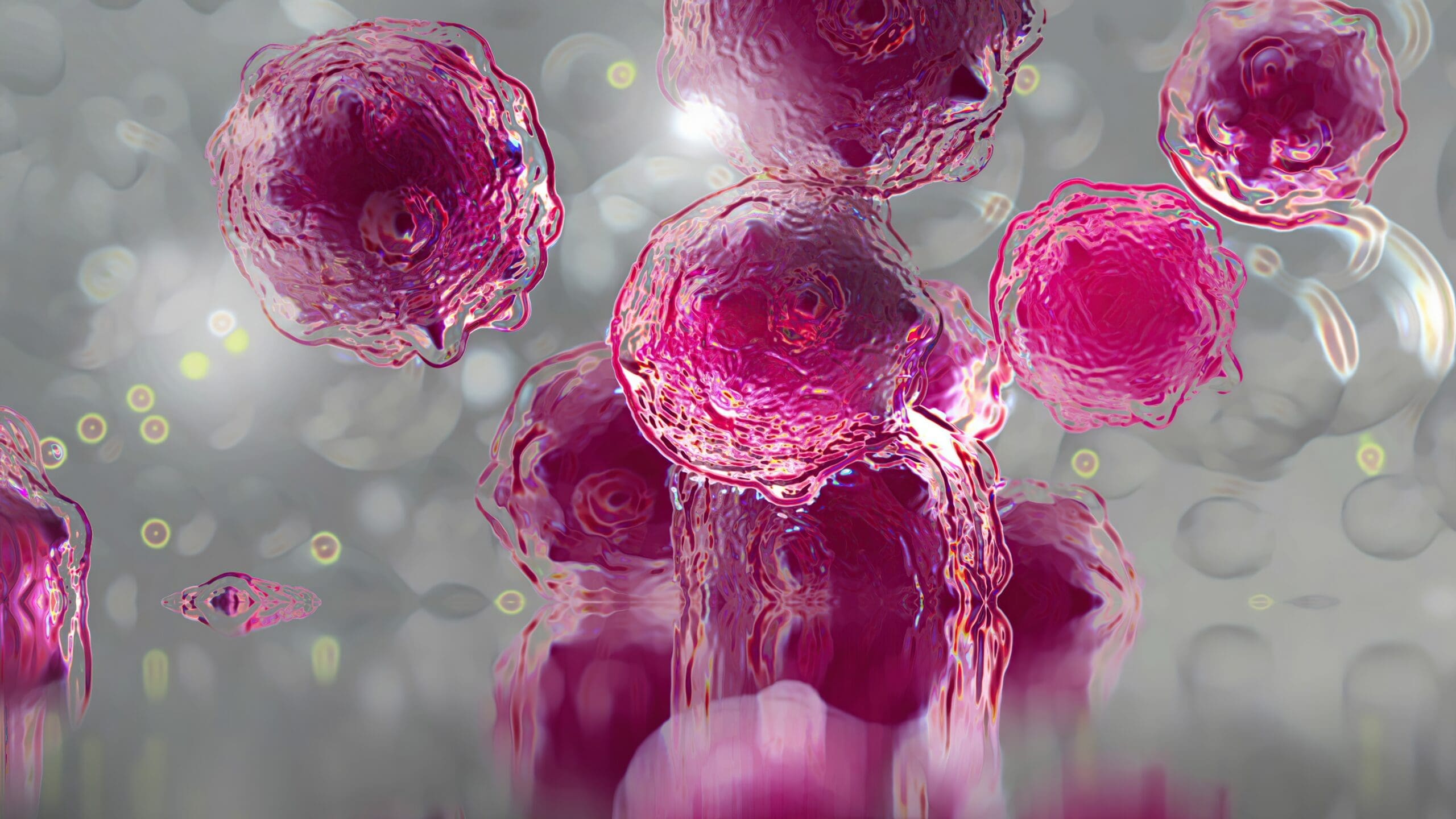
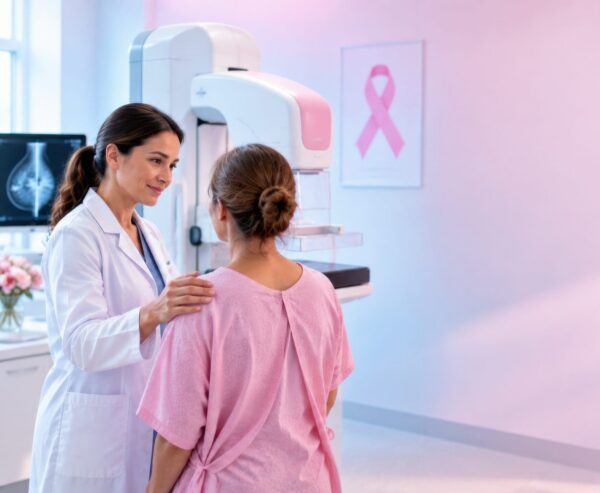
IceCure Medical’s tumor-freezing treatment ProSense has nabbed FDA approval, making it the first medical device of its kind to be endorsed for the local treatment of breast cancer. The Israeli medical technology company saw its shares jump more than 17% afterhours Friday, Oct. 3, after the company announced the approval. Shares lost some of their gains by Monday morning and were trading up about 8% from Friday’s close. Treatment with ProSense involves a minimally invasive outpatient procedure that aims to destroy tumors by freezing them, all without the need for surgical removal of breast tissue. This approach also allows for…

Their music is one of the most influential examples of mind-altering psychedelic rock. But scientists say listening to Pink Floyd really does have an effect on your brain cells – and could make them more susceptible to future treatments for Alzheimer’s and Parkinson’s. The surprising finding comes from a study in which researchers played the band’s 1979 hit, Another Brick In The Wall, and monitored the impact it had on brain cells in humans and mice. They found the low-frequency sounds in the song made cells ‘vibrate’ and caused certain parts of the brain to ‘light up’, indicating greater activity,…

Scientists at the Technion – Israel Institute of Technology have developed a smart biological adhesive that could change the way wounds are treated and surgeries are performed. The new material, which mimics the natural sticking ability of mollusks on wet surfaces, can bond to tissues within seconds and safely biodegrade inside the body. For decades, surgeons have relied on stitches and metal staples to close incisions and stop bleeding. While effective, these methods are invasive, painful and can lead to infections. The Technion’s breakthrough offers a less invasive, more tissue-friendly alternative. The development, patented and recently published in the scientific…

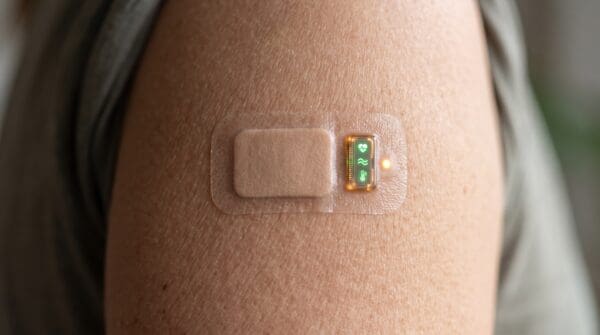
A groundbreaking wearable device is set to change how diabetes is managed through personalized, real-time care. Developed by researchers in Israel and China, the microneedle-based system offers a new level of patient support. It lets doctors and patients track disease markers and medication levels at the same time, without drawing blood. The device works in real time and is painless, providing critical health data through the skin’s interstitial fluid. Professor Hossam Haick of the Technion-Israel Institute of Technology led the research with Sun Yat-sen University colleagues. Their findings were recently published in the scientific journal Nature Communications, highlighting the system’s…

This week, two Israeli neuroscientists have rolled out a blood test in the US and Israel that they say can measure the responsiveness of a patient with major depressive disorder to common antidepressants. Depression is one of the most common forms of mental disorder, affecting more than 330 million people worldwide. Treatment methods rely primarily on a taxing trial-and-error process to find the right prescription drug, which can take years. In Israel, the psychological toll of 23 months of war and counting has made the need for effective mental health treatment felt more than ever. The blood test, created by…

Considered to be one of the greatest revolutions in cancer treatment, immunotherapy enhances the immune system’s ability to target and destroy cancer cells efficiently. One of the key challenges in immunotherapy is the uncertainty regarding patients’ responses—not all patients respond to the treatment, and some may experience side effects without meaningful therapeutic gain. Therefore, there is a need to identify biomarkers that can predict treatment effectiveness based on individual patient data. New and promising findings on this topic are now presented in a study by Technion researchers published in the journal Cell Genomics. The research was led by Prof. Keren…

Technion scientist Assaf Zinger began wondering about breast milk when his wife, Noa, was breastfeeding their newborn daughter, Tamara, five years ago. His wife had just received the COVID vaccine, and Tamara was starting to develop symptoms of the vaccine. “I thought, ‘Hey, wait a minute, nanoparticles should degrade in the stomach,” Zinger told The Times of Israel in a teleconference call. “They should not be absorbed in the small intestine.” After two years of research, Zinger said he believes that his team of 16 scientists is the first in the world to show that breast milk proteins can be…
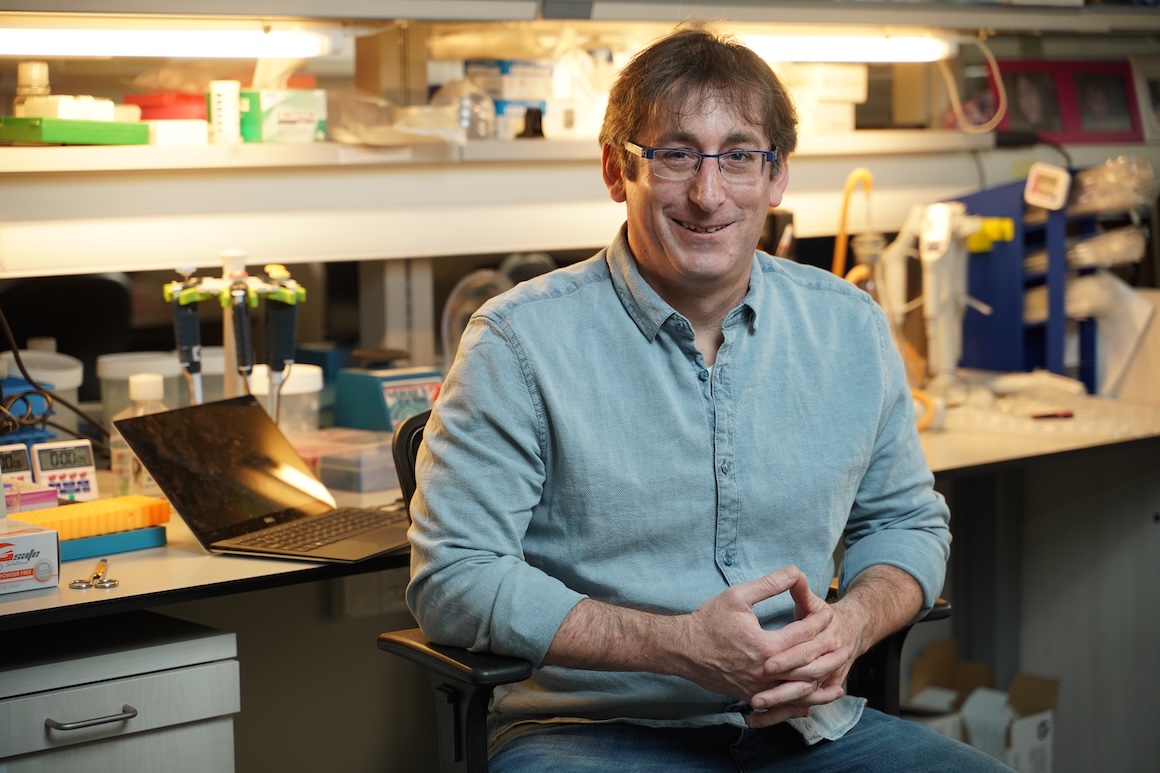
In a groundbreaking seminar presented at a National Board Meeting of the American Technion Society, Prof. Shai Shen-Orr of the Ruth and Bruce Rappaport Faculty of Medicine showcased his lab’s trailblazing efforts in harnessing computational tools and innovative methodologies to redefine our understanding of the immune system. A leading immunologist and director of the Zimin […]
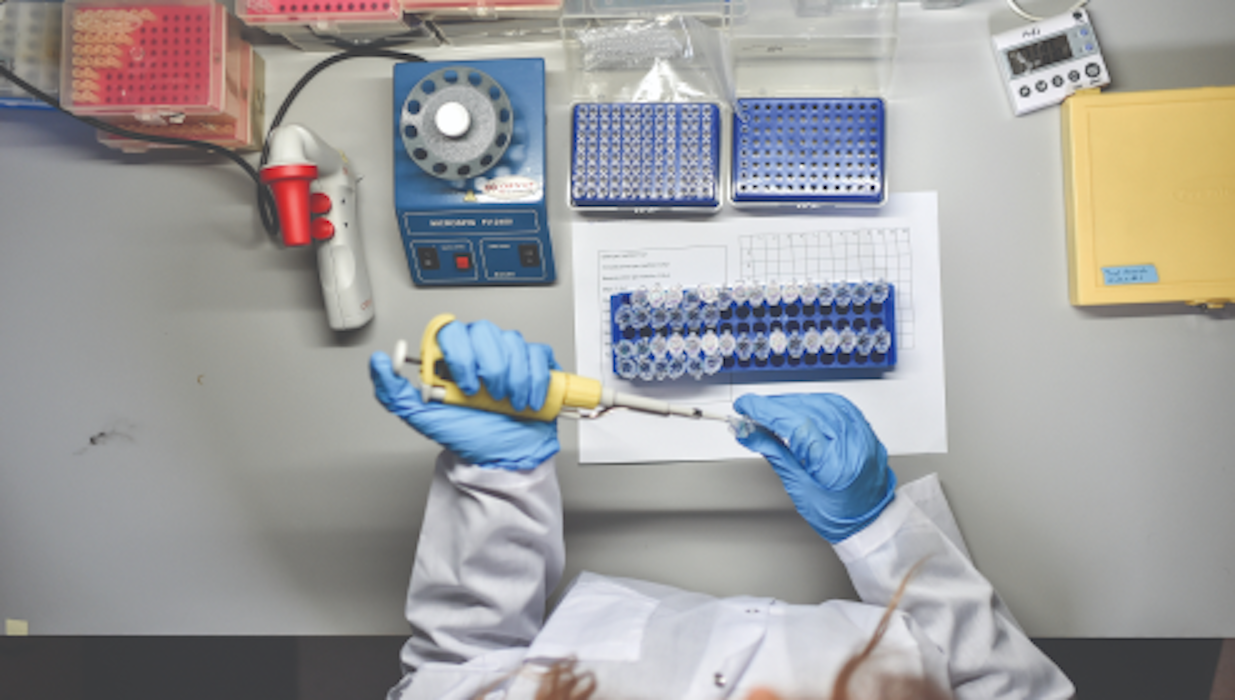
The next 100 years in my field of bio-inspired engineering will be focused on early detection of cancer and neurodegenerative diseases. Right now, we might have the ability to treat cancer and we might have the ability to reduce the side effects — but can we detect it early, before it causes any harmful symptoms […]
Researchers at the Technion Faculty of Biology have identified potential new innovative genetic therapies for cancer and brain diseases. The findings were supported by the Israel Science Foundation (ISF), the US-Israel Binational Science Foundation (BSF), NSF-BSF Molecular and Cellular Biosciences, and the National Institutes of Health (NIH) and were published in the peer-reviewed journal Nucleic Acids Research. The study was conducted in collaboration with the research group of Professor Heather Hundley from Indiana University and was led by Ph.D student Berta Eliad, master’s student Noa Schneider, and their advisor, Associate Professor Ayelet Lamn.