Something Fresh in the State of Denmark
October 06, 2026

























The Technion’s story has been intertwined with Israel’s for more than a century, from laying the foundations for a new nation to shaping its future.

Step inside Israeli innovation at the David and Janet Polak Visitors Center. Experience our 360° immersive movie and tech exhibition. Open to individuals and groups.
Learn More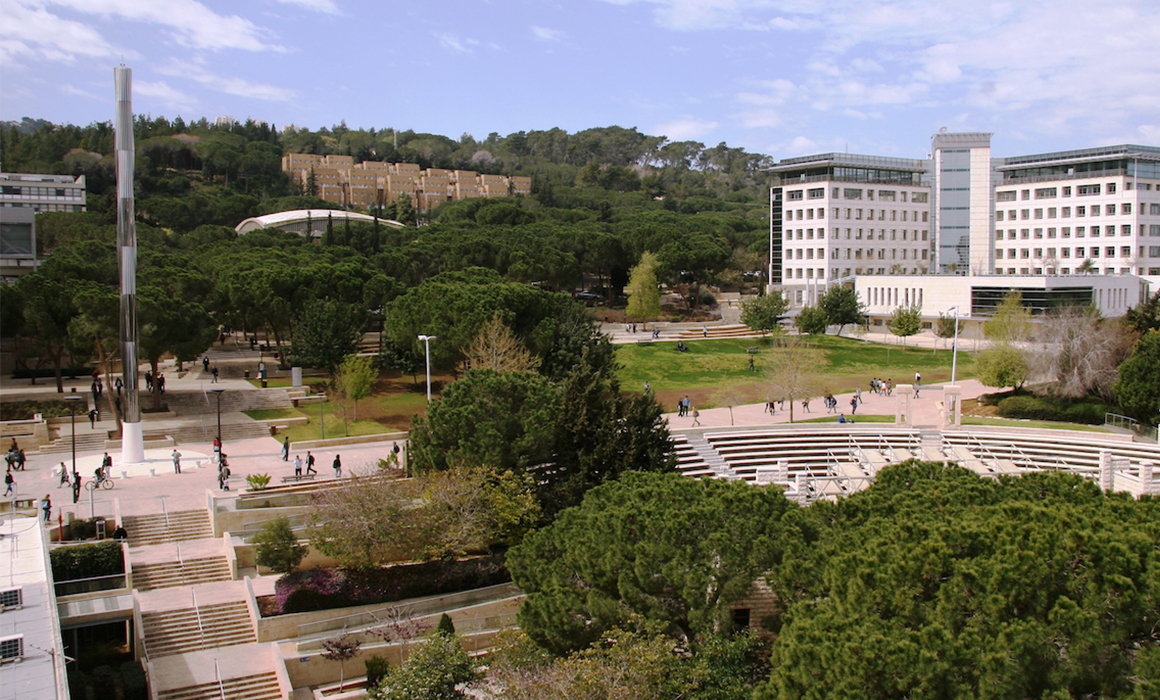

Three Israeli research projects have won a $1 million prize for initiatives tackling the climate crisis. The prize is designed to advance groundbreaking innovation and research that will reduce greenhouse gas emissions. The Climate Solutions Breakthrough Research Prize is awarded by the Jewish National Fund of Canada with the support of Keren Kayemet LeYisrael (KKL-JNF), with each making a matching contribution to the prize money. The prize was also awarded in conjunction with Startup Nation Central, a nonprofit dedicated to promoting Israeli innovation. The winners are: Prof. Shany Barath and Prof. Yechezkel Kashi from the Technion – Israel Institute of Technology in Haifa, who developed…

It’s come to this. With Earth at its hottest point in recorded history, and humans doing far from enough to stop its overheating, a small but growing number of astronomers and physicists are proposing a potential fix that could have leaped from the pages of science fiction: The equivalent of a giant beach umbrella, floating in outer space. The idea is to create a huge sunshade and send it to a far away point between the Earth and the sun to block a small but crucial amount of solar radiation, enough to counter global warming. Scientists have calculated that if…

Adi Kikozashvili says the only reason she can go on with her life is because it is what her older brother would want her to do. That brother, 40-year-old Shlomi Ziv, was kidnapped on October 7 (he turned 41 on Sunday, January 21, 2024), while working as part of the security detail at the Supernova desert rave festival when Hamas terrorists stormed into southern Israel, brutally murdering 1,200 people — including 360 at the festival — and taking 253 hostages into Gaza. Ziv’s wife’s cousin, Aviv Eliyahu, the security manager at the festival, was among those slaughtered there.

Dental implants, made of titanium or titanium alloys, are widely used to provide a durable solution to missing teeth and restore functionality. While the long-term success rate is relatively high (75% at 20 years), the largest contributor to implant failure is peri-implantitis, an inflammatory disease affecting the soft and hard gum tissues around the implant, causing jawbone regression and gradual exposure of the implant’s threads. As of today, there is no viable clinical solution to delay or stop the progression of the disease. Moreover, the reasons for the development of peri-implantitis are not well understood. Patients may blame themselves for…
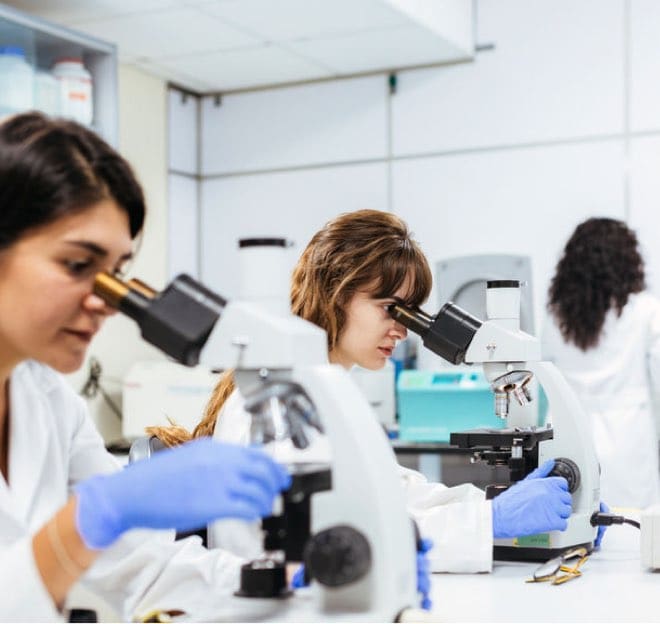
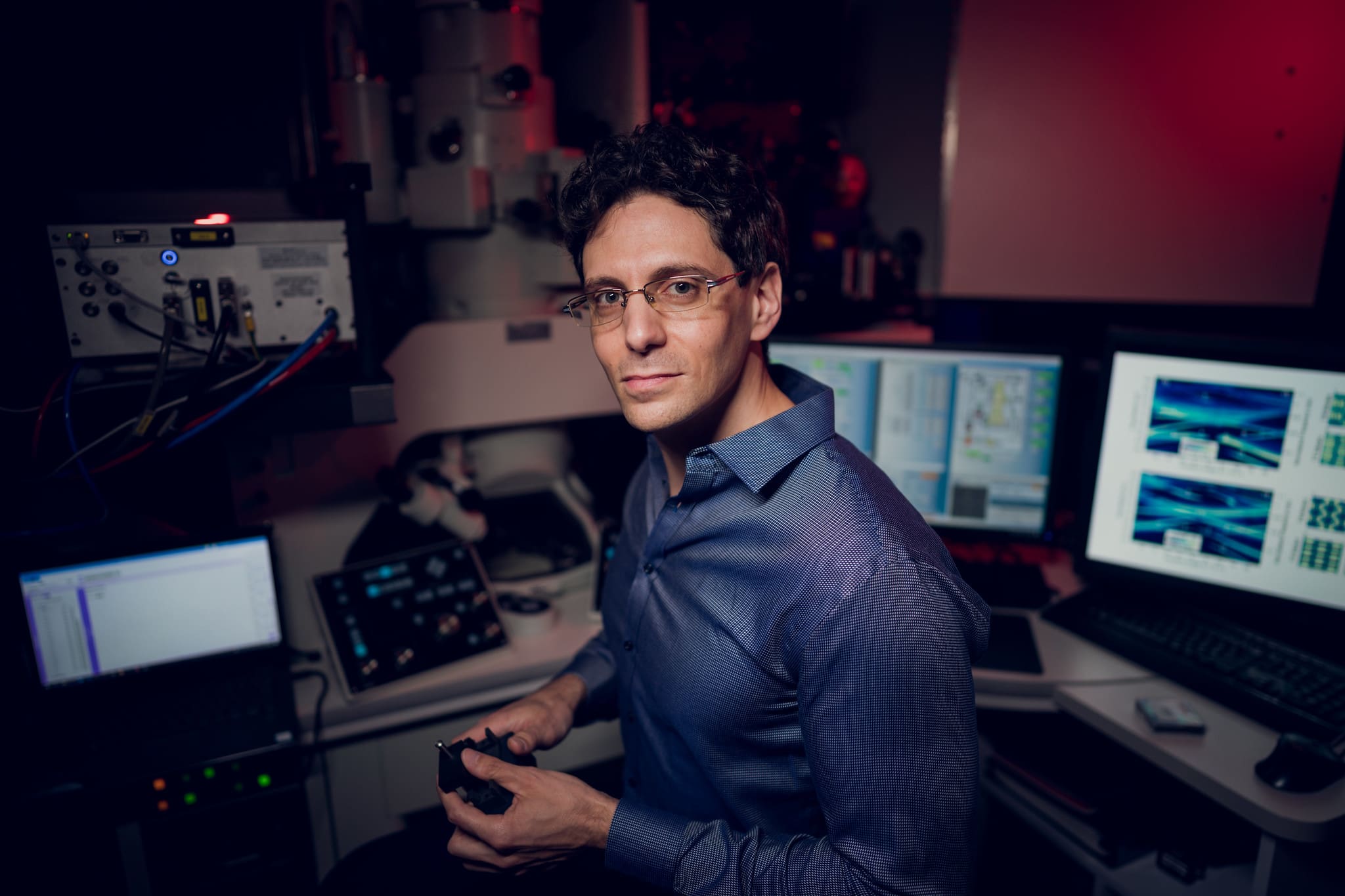
Hear From One of Technion’s Rising Stars Technion Associate Prof. Yoav Shechtman describes his work as: “how and why to ruin a perfectly good microscope?” Pushing the limits of microscopy, the nano-bioengineer develops technology that creates videos of the tiniest moving organisms inside cells, allowing scientists to better understand health and disease. Prof. Shechtman shares his personal story, describes his cutting-edge research, and offers a lively Q & A.

The Technion announced today that two well-known foundations have joined together in a collaborative effort to enhance the Technion Human Health Initiative. The undertaking will establish the D. Dan and Betty Kahn Human Health Building, which will be home to the Bruce and Ruth Rappaport Cancer Research Center. Technion President Prof. Uri Sivan said, “The construction of this building and the cancer research center housed in it is nothing less than a historic event. We are celebrating today two of the largest donations in the history of the Technion, which were made possible thanks to a first of its kind…

Professor Isaac Keslassy is the Louis and Miriam Benjamin Chair in Computer-Communication Networks in the Andrew and Erna Viterbi Faculty of Electrical and Computer Engineering. Together with his students, he focuses on how to make the internet faster and better. The internet relies on many server farms called data centers. For instance, when an item is ordered on Amazon, the order goes to a data center, where several servers process it. Prof. Keslassy looks at the networks that connect the servers within these data centers so orders can be processed more quickly. His team also works to improve the networks…

More than 2,500 Technion students were called up to serve in the Israel-Hamas War. Some of them were wounded. One is N.I. He grew up in Mitzpe Ramon, a small city of 5,000 people in Israel’s Negev desert in the south. “I spent my whole childhood there. I was a mischievous kid. I went to a Haredi (ultra-Orthodox) middle school, which I now know operated without a license, and I didn’t receive a good education there,” he said. In high school, he studied at a yeshiva and two years in a military boarding school. “In 10th grade, I was…

Dear Technion Family, The academic year 5784 will commence soon and it will be a different and sorrowful year. The three months that have passed since October 7 have been painful and challenging for the State of Israel and the Technion family. Dozens of our friends’ family members were murdered, and others were abducted. Many have been injured or killed in the war, and our hearts are filled with pain and worry. Approximately 2,500 students, faculty members, and administrative staff were called up for reserve duty, and many of them are still serving. In the spirit of Technion tradition, we…
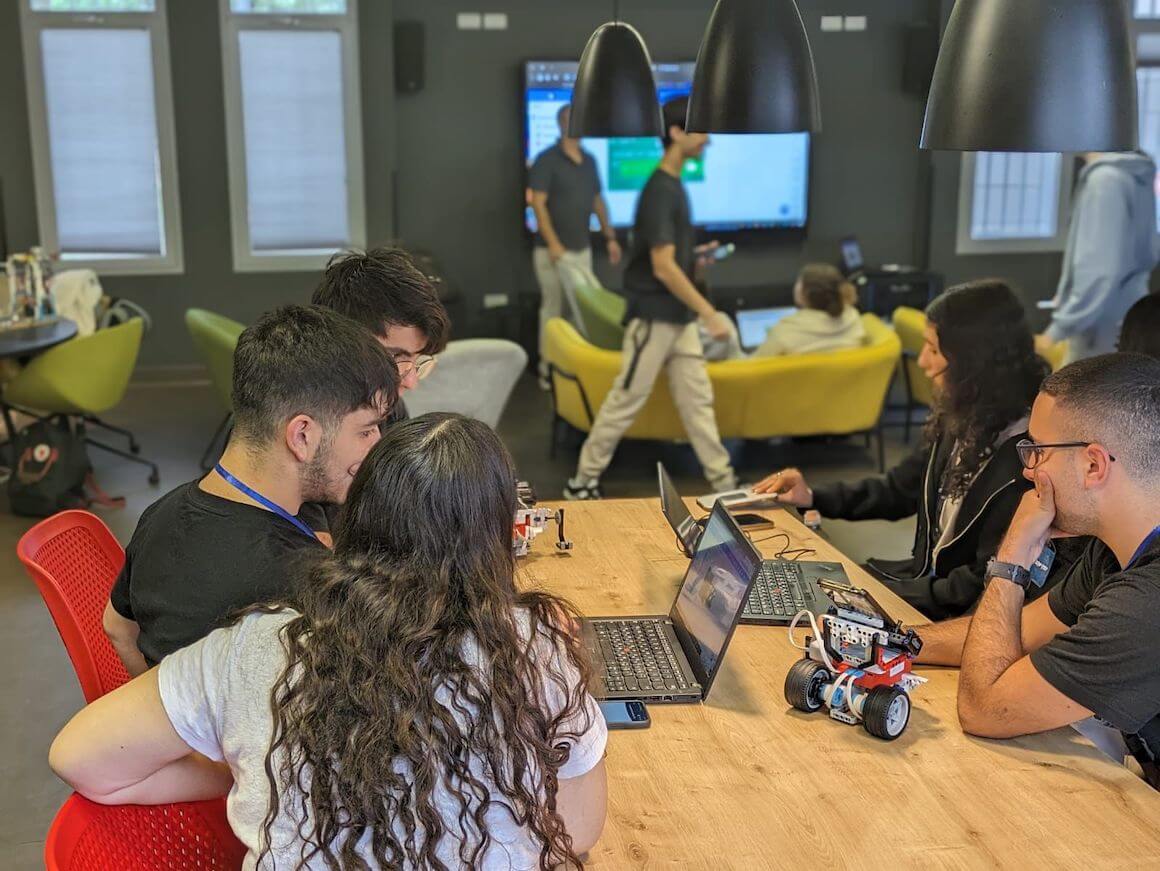
More than 250,000 Israelis are refugees in their own land, having been evacuated from the north and south of the country due to the Israel-Hamas war in the south and threats from Hezbollah in the north. The Technion is providing many with housing and other services and is offering a one-week robophysics program for outstanding 11th- and 12th-graders who have been displaced. Partnering with Atidim, a nonprofit organization dedicated to providing educational opportunities to bright young people from Israel’s underserved and marginalized communities, 30 high school students participated in a robophysics program created by the Technion’s Andrew and Erna Viterbi…

Nearly three years ago, Ola Baker got a lifechanging call from Ahmad Sheikh Muhammad, head of the Galilee Society – the Arab National Society for Health Research and Services. The society, based in northern Israel, had won a tender from the U.S.-Middle East Partnership Initiative (MEPI) to establish an accelerator for early-stage Arab startups in healthcare, biotech and environmental science. Would Baker want to be its CEO? “It was like a dream come true for me,” says Baker, an Israeli Arab with degrees in biology and business administration.

In a bid to unlock the full potential of hydrogen fuel cells as a cleaner alternative to conventional energy sources, researchers from the Department of Energy’s SLAC National Accelerator Laboratory, Stanford University, and the Toyota Research Institute (TRI) have made significant strides in reducing the cost of fuel cell technology. The breakthrough involves a radical shift in the catalyst composition, traditionally reliant on expensive platinum group metals (PGM), according to an SLAC release. Hydrogen fuel cells have long been recognized for their promise in energy storage and conversion, but the prohibitive cost of PGMs in the catalyst has hindered widespread adoption. Michaela Burke…