Something Fresh in the State of Denmark
October 06, 2026















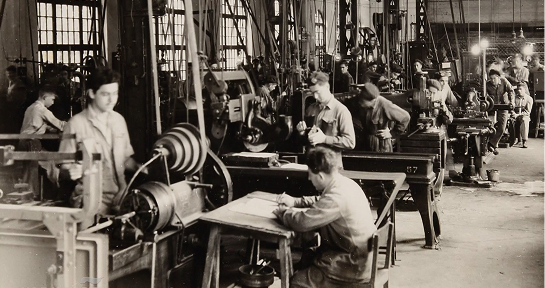
The Technion’s story has been intertwined with Israel’s for more than a century, from laying the foundations for a new nation to shaping its future.

Step inside Israeli innovation at the David and Janet Polak Visitors Center. Experience our 360° immersive movie and tech exhibition. Open to individuals and groups.
Learn More
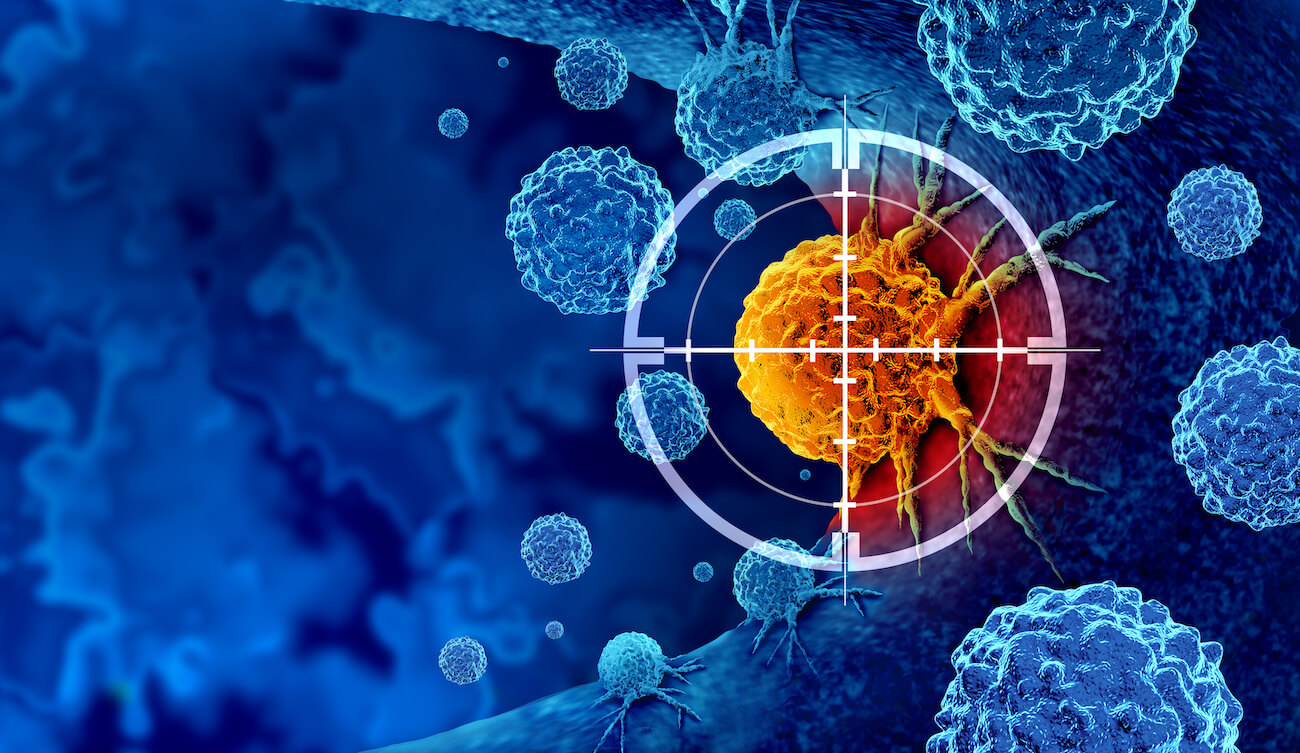
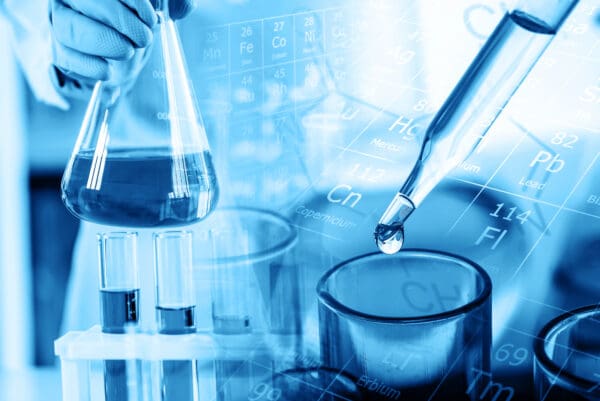
Researchers have developed a pioneering AI “matchmaker” that pairs together existing cancer drugs for use in nanomedicine. Prescribing a combination of two or more medications is already an established practice – known as combination therapy — that can prove highly effective. But a team at Technion – Israel Institute of Technology, in Haifa, has gone beyond simply identifying separate medications that will work well together.
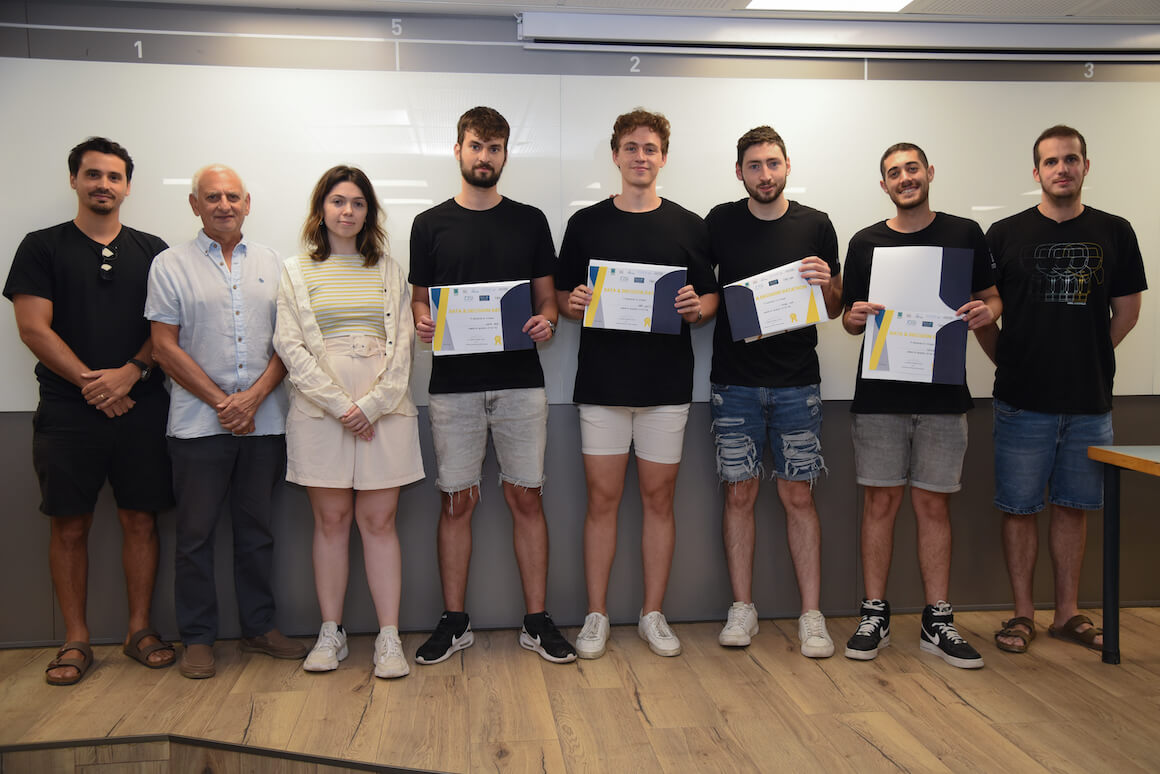
In a three-day competition known as a hackathon, Technion undergraduates worked to develop online methodologies to recognize suicidal ideation, with the goal of offering assistance and saving lives. More than 500 people a year kill themselves in Israel. In the United States, that number jumps to about 50,000. Worldwide, someone takes their life every 40 seconds. “People put more of themselves on social media than they realize,” said Professor Avigdor Gal of the Faculty of Data and Decision Sciences. “We cannot be blind to society around us, what is done with the tools we develop, how the data we collect…
A delegation of presidents and chancellors from Historically Black Colleges and Universities (HBCUs) in the United States visited Israel recently to assess potential partnerships with the Technion and other Israeli institutions of higher learning. The visit focused on areas of study and research that align with their missions, including technology and STEM disciplines. Memoranda of understanding were signed to facilitate study-abroad programs for their students at the Technion. Additionally, faculty members will engage in joint research projects and knowledge exchange with Technion professors and researchers. The delegation was also interested to learn more about the Technion’s renowned technology transfer…
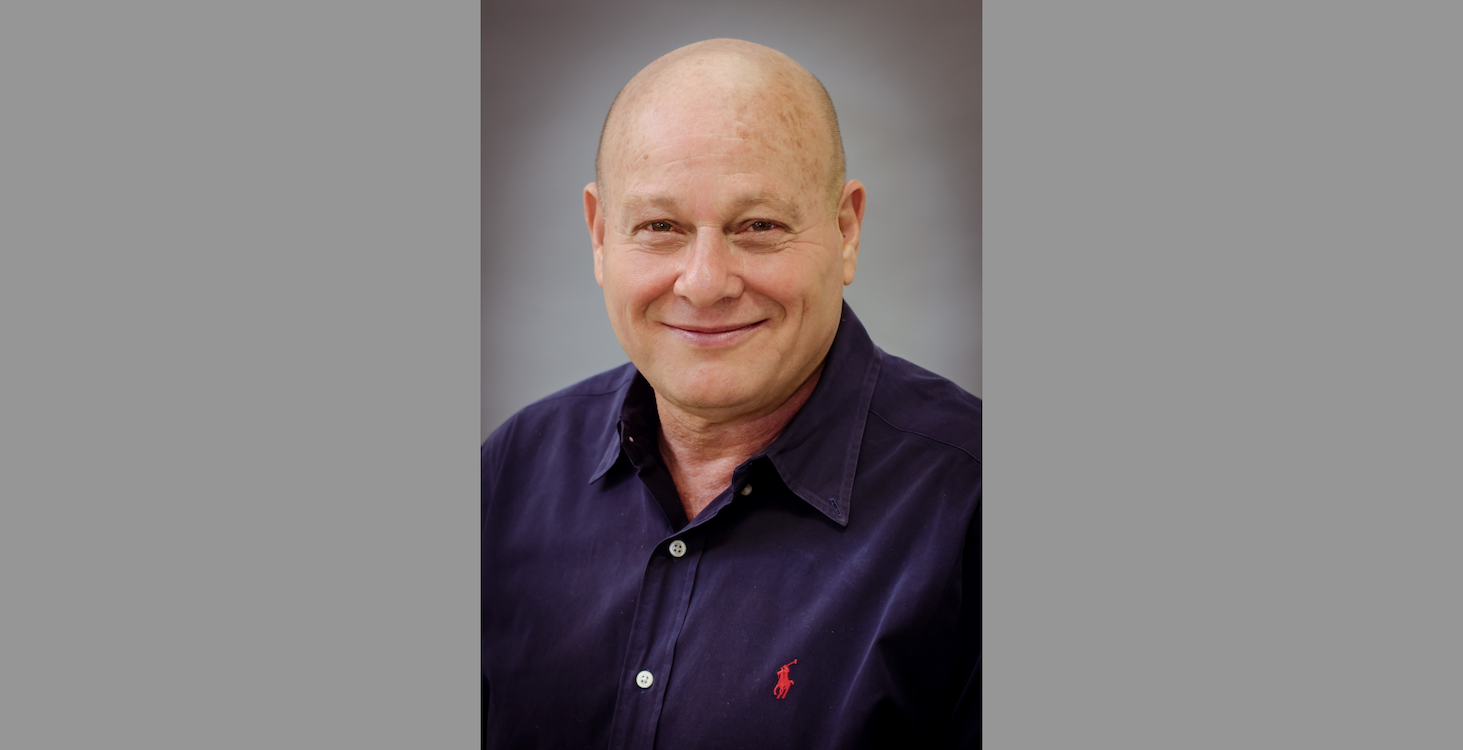
Professor Israel Cidon, a renowned leader in network engineering and former Technion – Israel Institute of Technology faculty member and dean, recently began his tenure as the director of the Joan & Irwin Jacobs Technion-Cornell Institute. Prof. Cidon succeeds Dr. Ron Brachman, who has held the role since 2016 and will transition out over the next few months. “Professor Israel Cidon is an esteemed computer networking researcher with extensive management experience at the Technion,” said Technion President Professor Uri Sivan. “As dean, he led the Andrew and Erna Viterbi Faculty of Electrical and Computer Engineering to significant achievements. Professor Cidon…
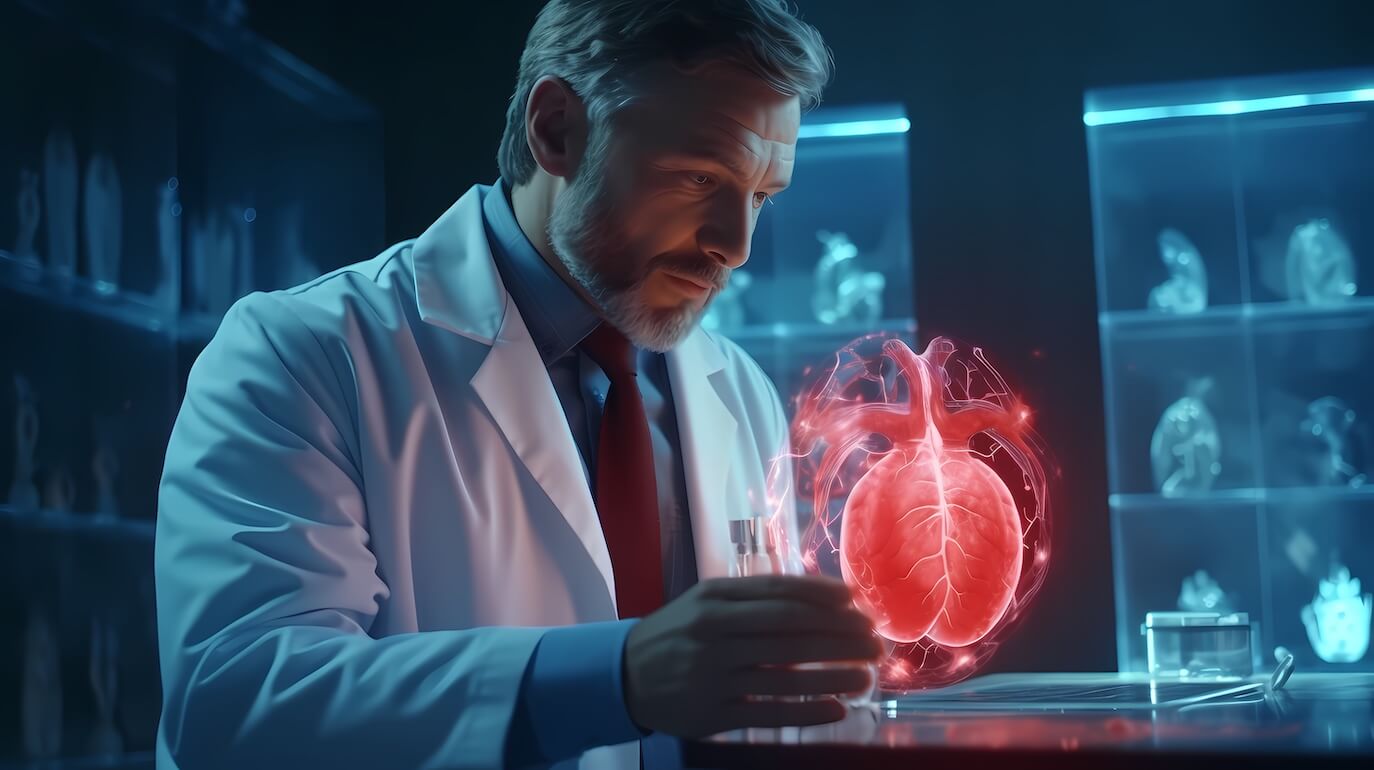
Israeli researchers have unveiled a new miniature model of the human heart that they say could be a “game changer” in transforming drug testing and cardiovascular research. The model is a self-paced, multi-chambered replica of the human heart that is no larger than a grain of rice. According to the researchers, it will revolutionize the study of the heart and its functions. The team comprised researchers from The Hebrew University of Jerusalem; the Technion – Israel Institute of Technology in Haifa; and Rehovot-based biotech company Tissue Dynamics Ltd. They were led by Prof. Yaakov Nahmias, an award-winning biomedical engineer at The Hebrew University.
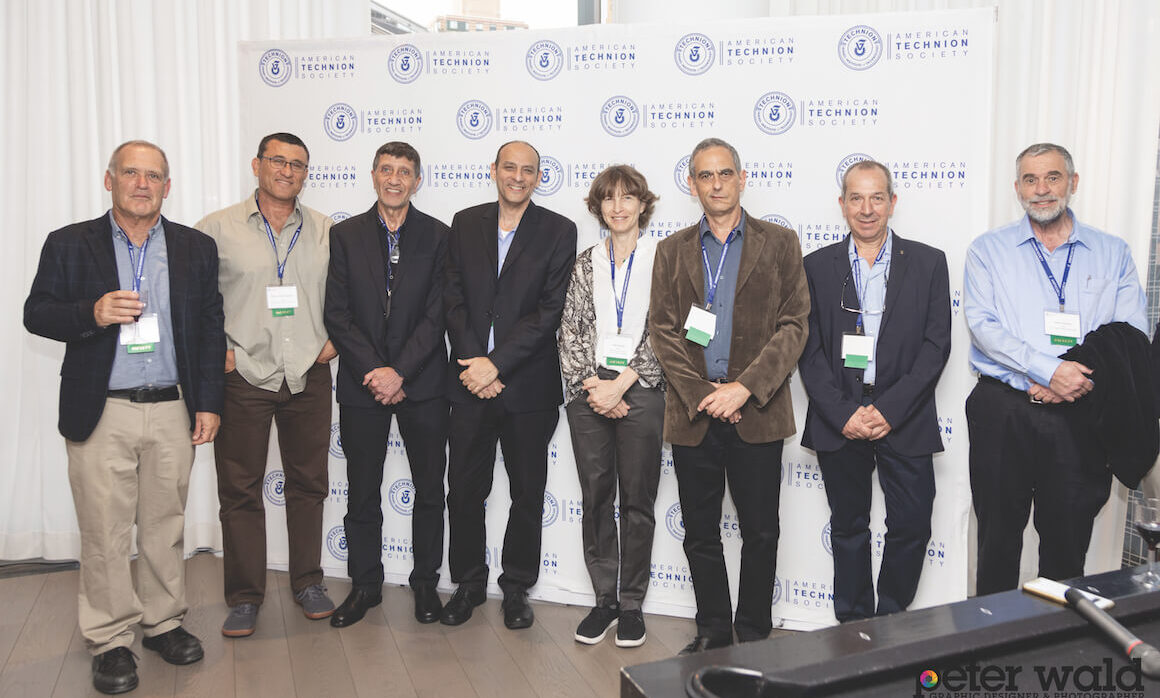
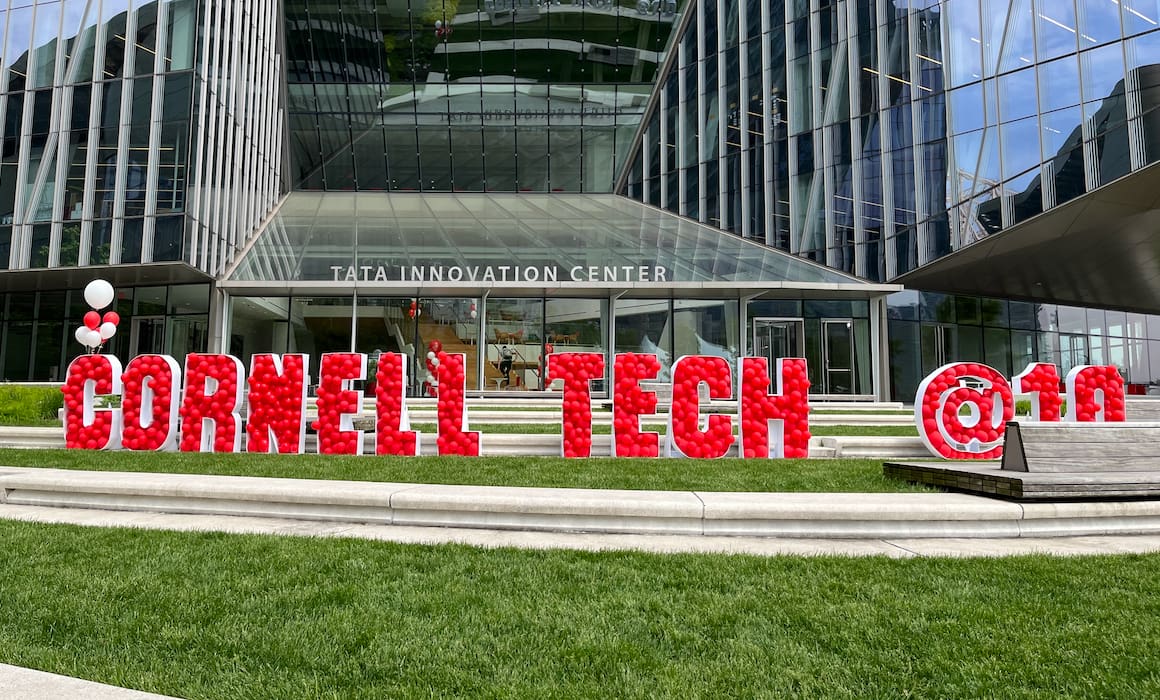
When asked what collaborative success between the Technion and the Joan and Irwin Jacobs Technion-Cornell Institute in New York City might look like five years from now, Technion Professor Ariel Orda said, “I’d love for every Technion student and faculty to see the Jacobs Institute and the Cornell Tech campus as a home away from home. And the same goes for those in the other direction.” On a mission to enhance collaboration between the Technion and the Jacobs Institute at the Cornell Tech campus, seven Technion deans visited Roosevelt Island in May 2023. The NYC campus “creates a natural bridge…
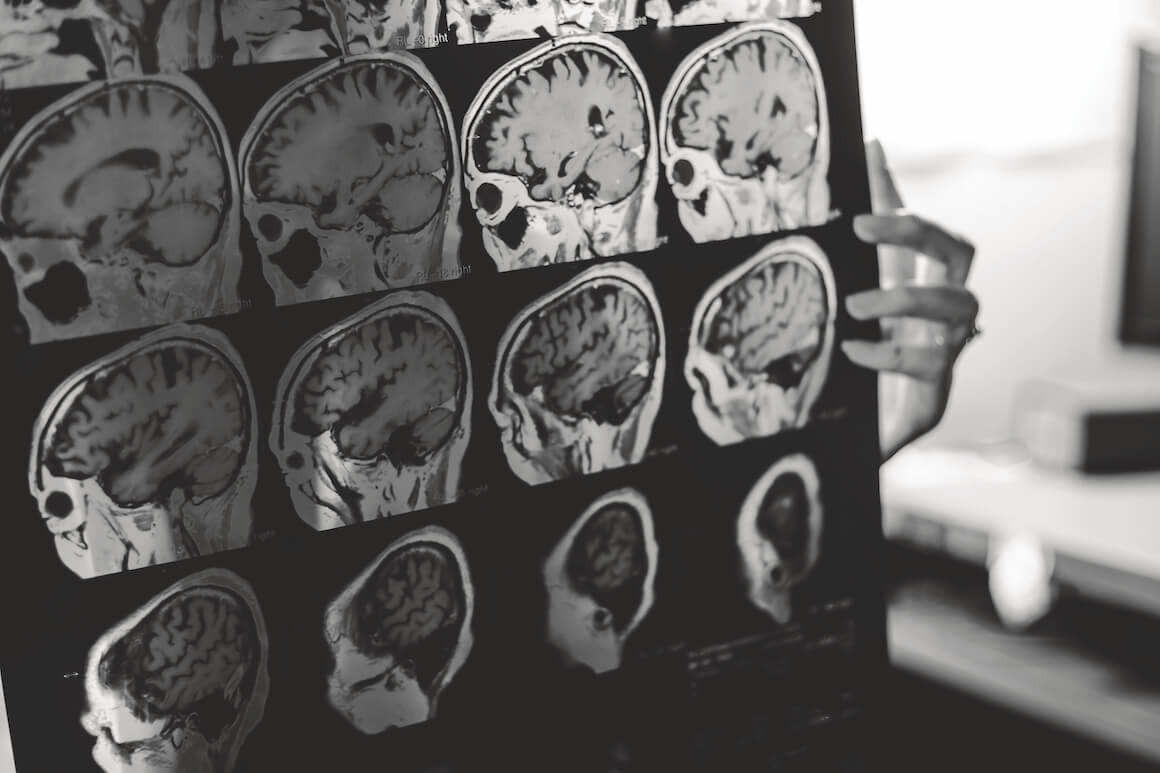
Imagine this: One day you wake up to find the steering wheel that had been on one car in your garage is now on your other car, and the parking brakes are also interchanged. According to research conducted by Professor Noam Ziv, something very similar is happening in our brains, because the parts that make up our synapses are constantly moving. This brain research, which could have implications for memory loss and aging, is just one of the many exciting projects underway in the new Technion Human Health Initiative (THHI), headed by Prof. Ziv. As the global population skews older,…

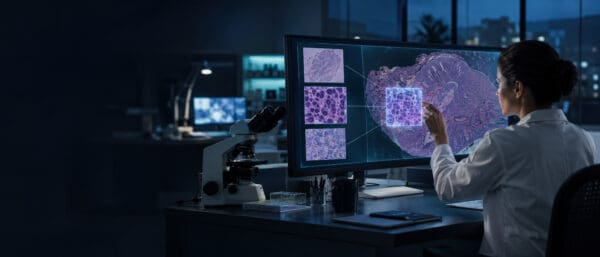
When clinical pathologists look at images of cells from a patient biopsy, they perceive things the rest of us cannot. Where we see bright pink blobs and dots of purplish blue, they can make out the hallmarks of cancerous disease. But show the same images to a computer souped up with artificial intelligence in Professor Ron Kimmel’s Geometric Image Processing Lab at the Technion, and it can discern data that is invisible even to the most highly trained human eye. The Technion is the top-ranked institution for machine learning in Europe and the Middle East. Prof. Kimmel’s group is investigating…
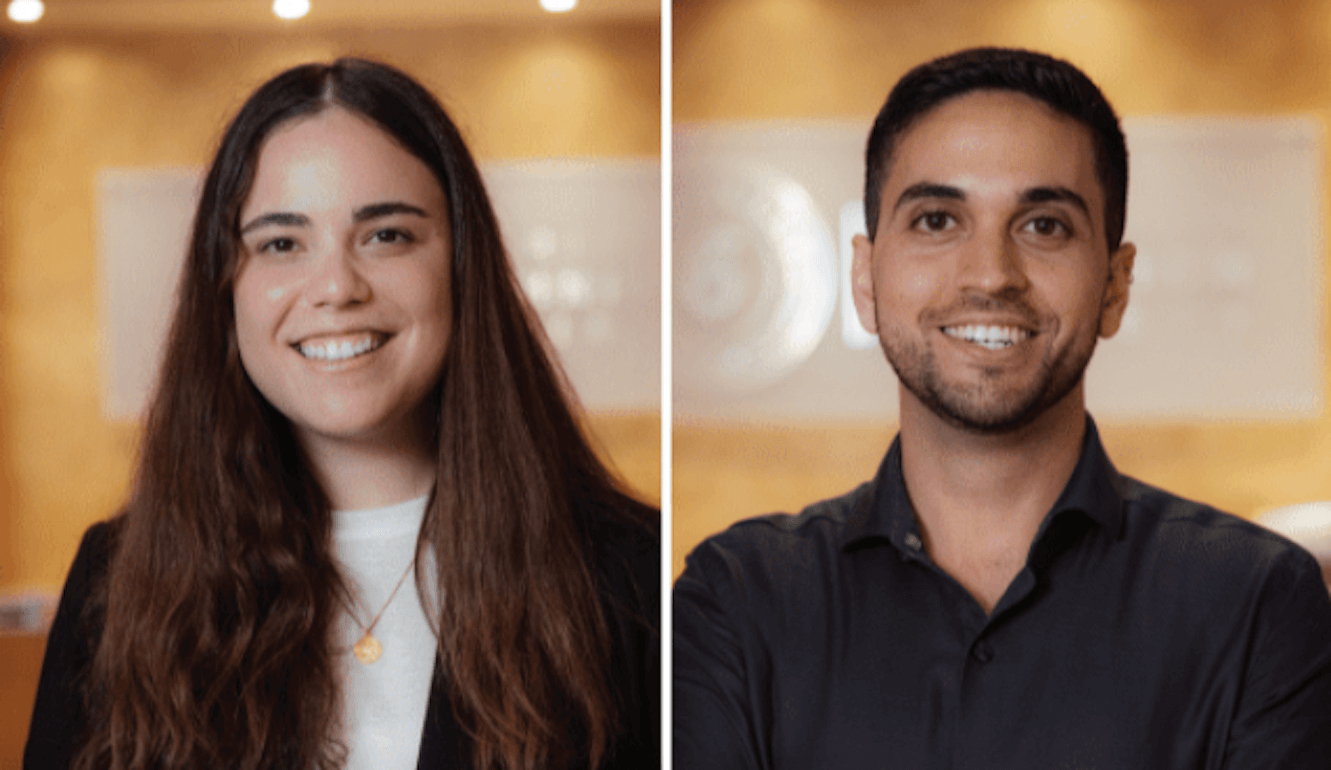
Maya Goldshlager served the Israeli Air Force with distinction, providing instruction on operating the Iron Dome defense system. Her contribution felt so meaningful, she said, “it led me to choose a degree that would combine science and technology to impact people’s lives.” As an undergraduate in the Faculty of Biomedical Engineering at the Technion, Ms. Goldshlager is already making waves. Participating in her faculty’s hackathon, a competition to find solutions to real-life problems, Ms. Goldshlager created prototypes of two new medical tools: one to treat multiple sclerosis (MS) and the other for urinary tract infections (UTIs). “It was a great…
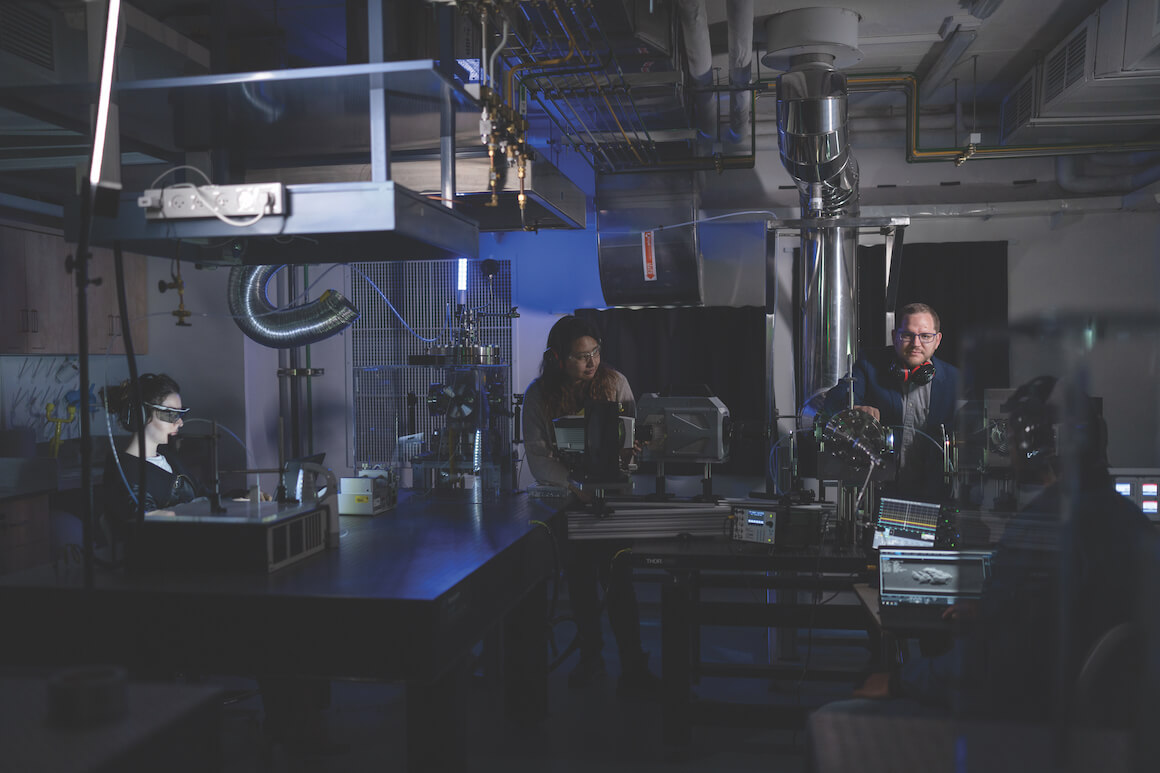
A decade from now, travelers could be flying in a jet that emits no carbon into the atmosphere. The fuel powering that aircraft may have its origins in the Technion’s Faculty of Aerospace Engineering. Technion researchers are working on a variety of projects to develop alternative jet fuels derived from ammonia and hydrogen. While considerable barriers remain, both substances — when produced cleanly with renewable power — have the potential to run jet engines as well as gas turbines to generate carbon-free electricity. “If you want to live in a world where we reduce the carbon dioxide in the air…

Imagine juicy burgers sizzling on the grill, made from beef cells without environmental impact or harm to animals. Or cookies that release nutritious protein as they rise in the oven. Teaming up with the nonprofit think tank the Good Food Institute in Israel, the Technion is establishing the Sustainable Protein Research Center (SPRC) to conduct research to develop and help commercialize forward-looking food technologies like these. Professor Yoav Livney, who helped Technion students create the prizewinning “Algalafel,” a falafel enriched with the microalgae spirulina, is leading the endeavor. At a time when the world is battling the dual challenges of…
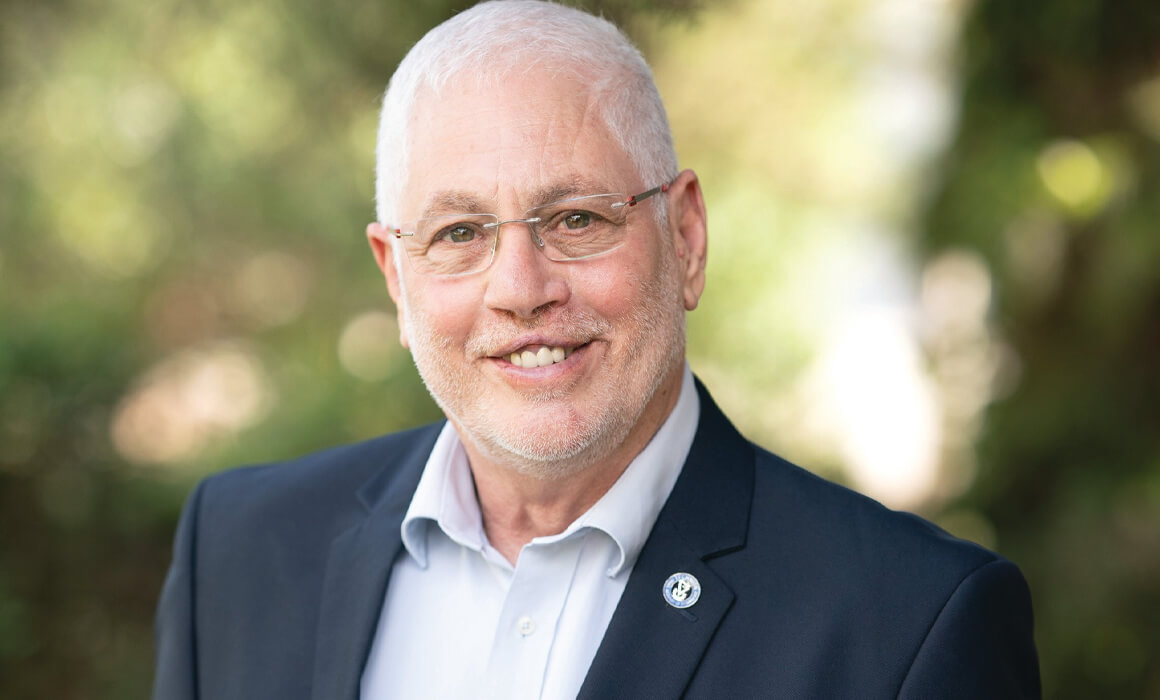
Professor Uri Sivan will begin his second term as Technion President in October 2023. In spite of the COVID-19 pandemic and ensuing instability that marked his first term, he nonetheless achieved objectives to ensure the Technion’s continued growth and advancement. In this Q&A, he recaps highlights of his tenure to date and looks at what’s up next. ◼ What were some of the highlights of your first term? President Uri Sivan: During these challenging years we have established or are setting up no less than 12 research centers; repositioned the Technion in the changing academic-industry ecosystem; reformed some of our…