Something Fresh in the State of Denmark
October 06, 2026






















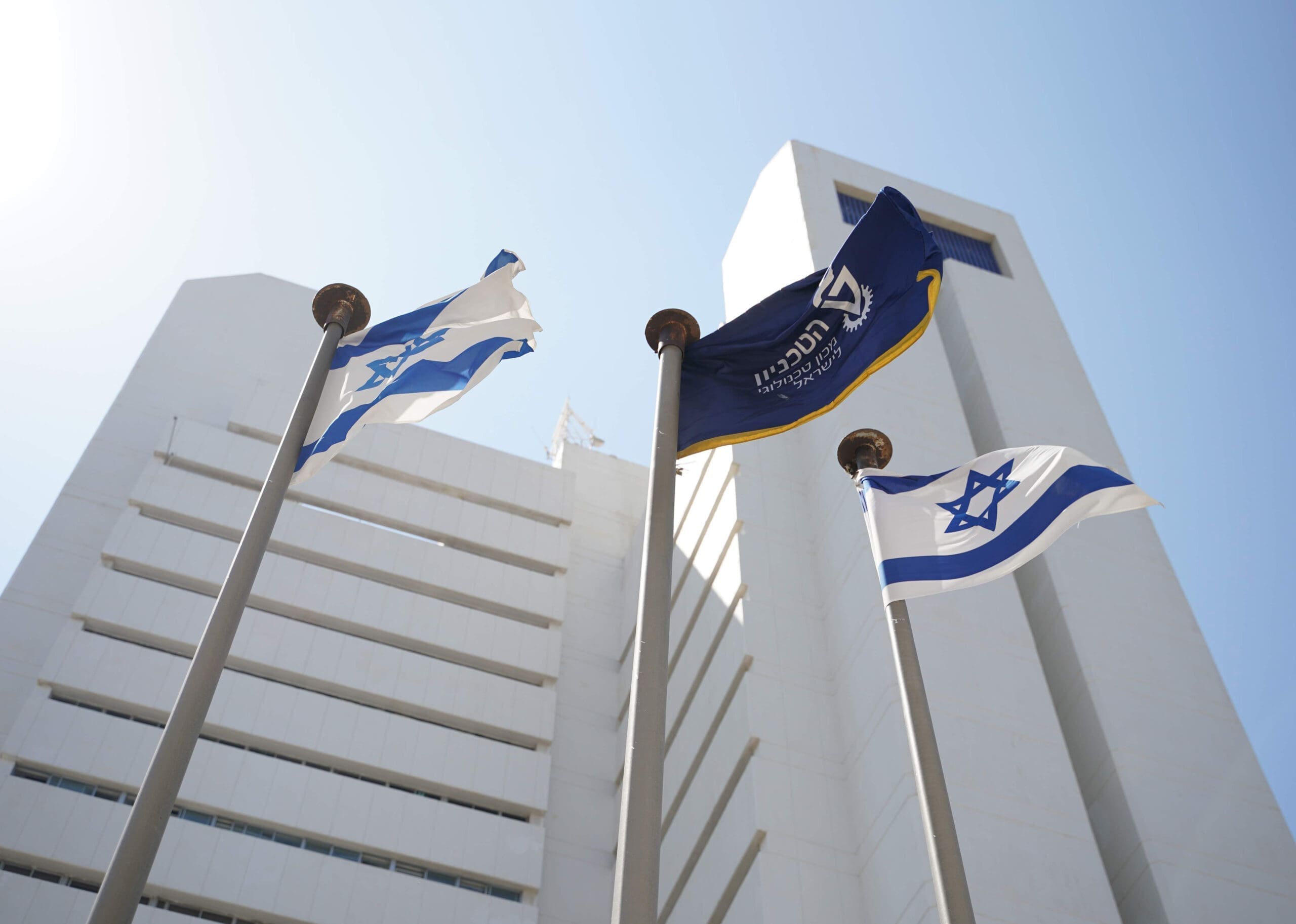







The Technion’s story has been intertwined with Israel’s for more than a century, from laying the foundations for a new nation to shaping its future.

Step inside Israeli innovation at the David and Janet Polak Visitors Center. Experience our 360° immersive movie and tech exhibition. Open to individuals and groups.
Learn More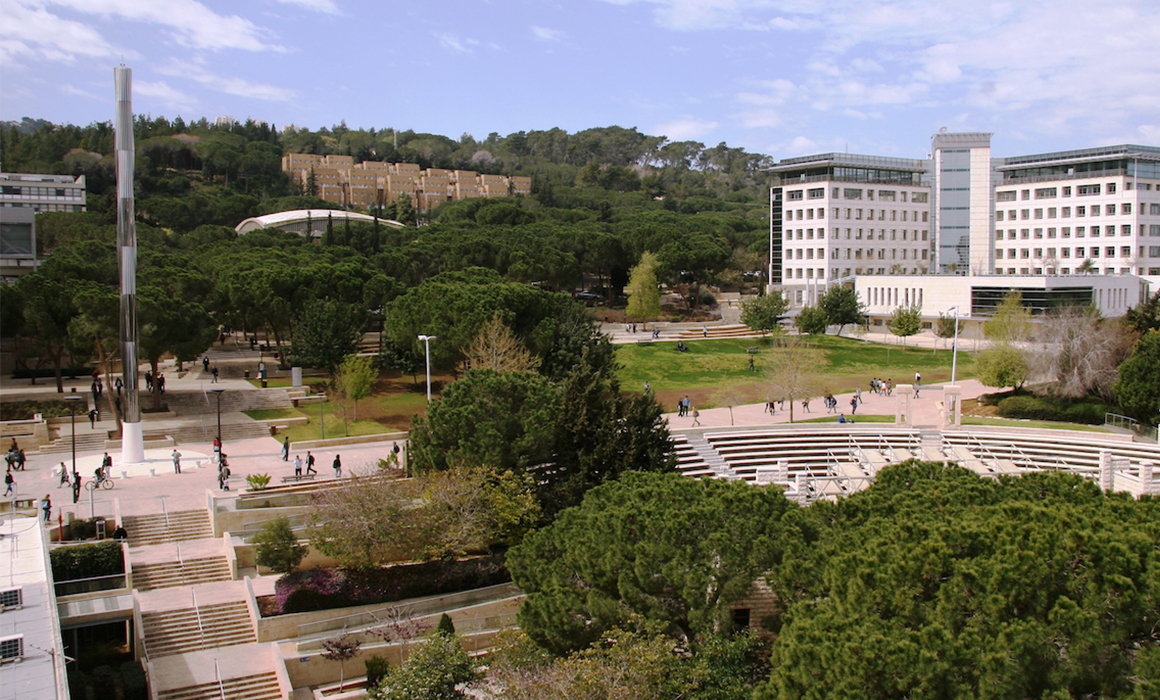

Israeli higher education institutions opened the academic year on Sunday amid the backdrop of the Gaza war for the second consecutive time, as tens of thousands of students — some still actively serving in the reserves — head to universities and colleges. Data from universities and colleges indicate that one in five students served in the reserves in the last academic year — marking about 70,000 students — and similar numbers are expected this year. Ahead of the academic year, university heads pledged to continue supporting reservists to minimize the impact on them and help them complete their degrees. They…

As the Technion prepares to welcome new and returning students for the 2024-2025 academic year, the atmosphere is both hopeful and somber. Despite ongoing rocket fire in the Haifa vicinity and escalations in the war with Hezbollah in the north, the Technion community stands united in its dedication to learning, perseverance, and the future of […]

While many Technion – Israel Institute of Technology alumni move all around the world taking on leadership roles across the technology sector, they often find ways to stay close to the Technion and Israel at heart. I recently spoke with Lior Ron, founder and CEO of Uber Freight, about his journey from a child in Israel interested in computers to an executive at a major tech company in Silicon Valley, as well as the many ways the Technion has played a role in his life and career every step of the way. Michael: I know that you’re in Silicon Valley…

A recent study led by researchers at Northwestern University Feinberg School of Medicine says it is now possible to predict within three days of whiplash injury, which patients will develop chronic pain, based on cross “talk” between regions of the brain and a person’s anxiety level after the injury. The findings, published in in Nature Mental Health, were from a large-scale longitudinal look at whiplash patients to identify predictors of the transition from acute to chronic pain. The research—a collaboration between the Technion – Israel Institute of Technology, Northwestern University, and the McGill University—found that the more the hippocampus, the…

Researchers at the Technion – Israel Institute of Technology have created new materials that could improve magnetic resonance imaging (MRI) technology. In turn, this could lead to advancements in disease detection and potentially reduce the need for some radiation-based diagnostic procedures. The research team used a novel methodology called MMV (matrix magnetization vehicles), which uses engineered materials to enhance the detection of metabolites, small molecules that can indicate various health conditions. The MMV method increases the magnetic resonance signal strength by about four orders of magnitude, and extends the duration of the enhanced signal to approximately 10 minutes, compared to…
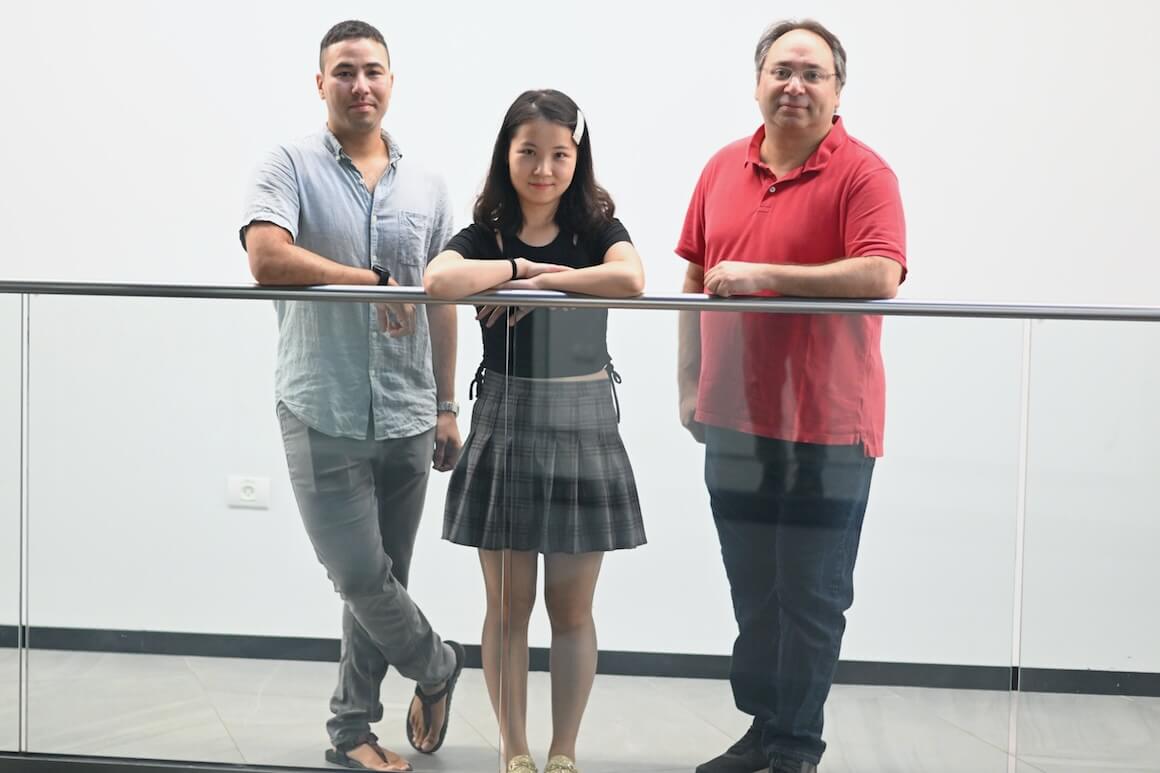
The emerging multidisciplinary field of mechanobiology is leading to advancements in constructing engineered tissues and organs, repairing and regenerating damaged tissue, providing therapy for diseases, improving plant growth and agricultural products, and developing new or self-repairing materials. The field studies how cells sense and respond to mechanical signals. New research in this field by Assistant Professor Joshua Grolman and Yifan Liao in the Technion’s Faculty of Materials Science and Engineering and Assistant Professor Charles Diesendruck in the Schulich Faculty of Chemistry demonstrates a strategy for measuring mechanical forces in biological processes. The development is expected to accelerate, streamline, and reduce…
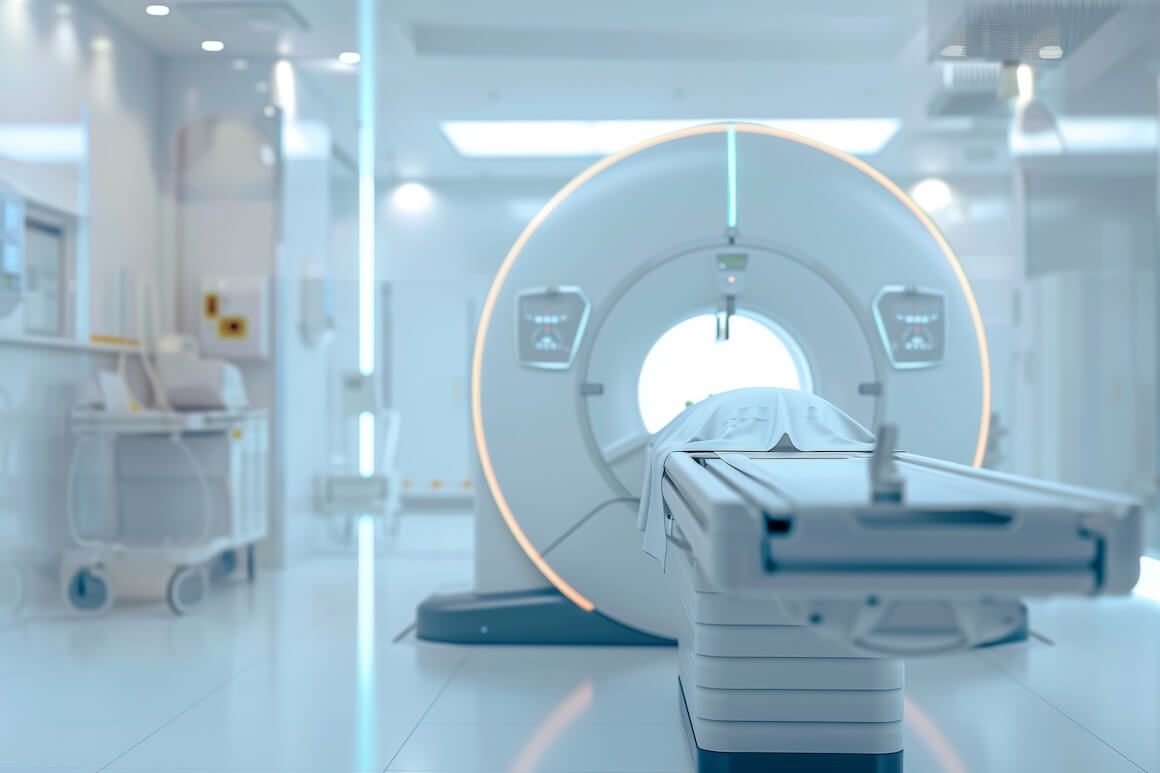
New materials developed by researchers at the Technion – Israel Institute of Technology are expected to significantly improve the performance of MRI scans, helping with early diagnosis for a range of diseases and reducing the need for some radiation-intensive tests. An MRI – or magnetic resonance imaging – is a noninvasive procedure used by clinicians to get an image of what is happening inside a person’s body, including their organs, bones and blood vessels. But one of the limitations of conventional MRI devices is that they struggle to detect metabolites – small molecules involved in the body’s chemical processes –…

This Rosh HaShanah, we pray for the people and State of Israel. We pray for their safety, for healing, for resilience, and for peace. On behalf of the American Technion Society and the Technion, we wish you and your loved ones a very happy new year. Shanah Tovah!

In the year since the horrific and devastating attacks of October 7, 2023, our world has completely changed. More than one thousand Israelis lost their lives that day – a tragedy that we will never forget. As we reflect and hope for the hostages’ safe return, one thing has become clear: Israeli resilience has never been stronger. As people around Israel woke up to a new reality on October 8, 2023, so too did the students and staff at the Technion – Israel Institute of Technology. To commemorate this tragic anniversary and honor the bravery of all those called to…
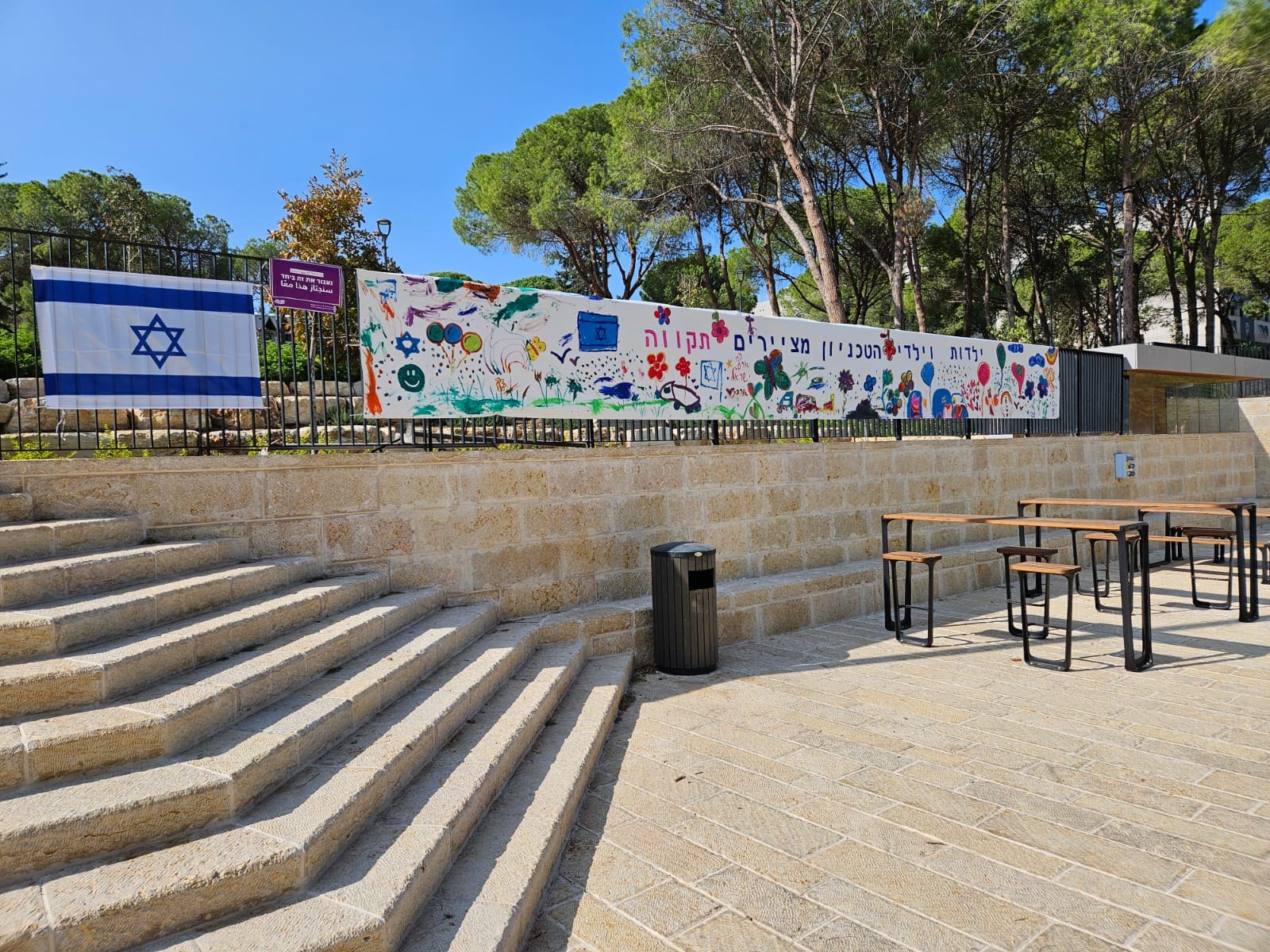
As we mark the tragic anniversary of October 7, we honor the incredible spirit of resilience, resolve, and response expressed by Israelis throughout the nation. Following the initial days of trauma and devastation, Israelis refused to be victims and took action. They volunteered by the thousands to help their fellow citizens in need. And the Technion community was among them. Beyond all that the Technion administration did to support students and secure the campus, the Technion Student Association, academic departments and faculties, and staff displayed inspiring solidarity. The collective spirit of volunteerism was truly remarkable and played an active and…
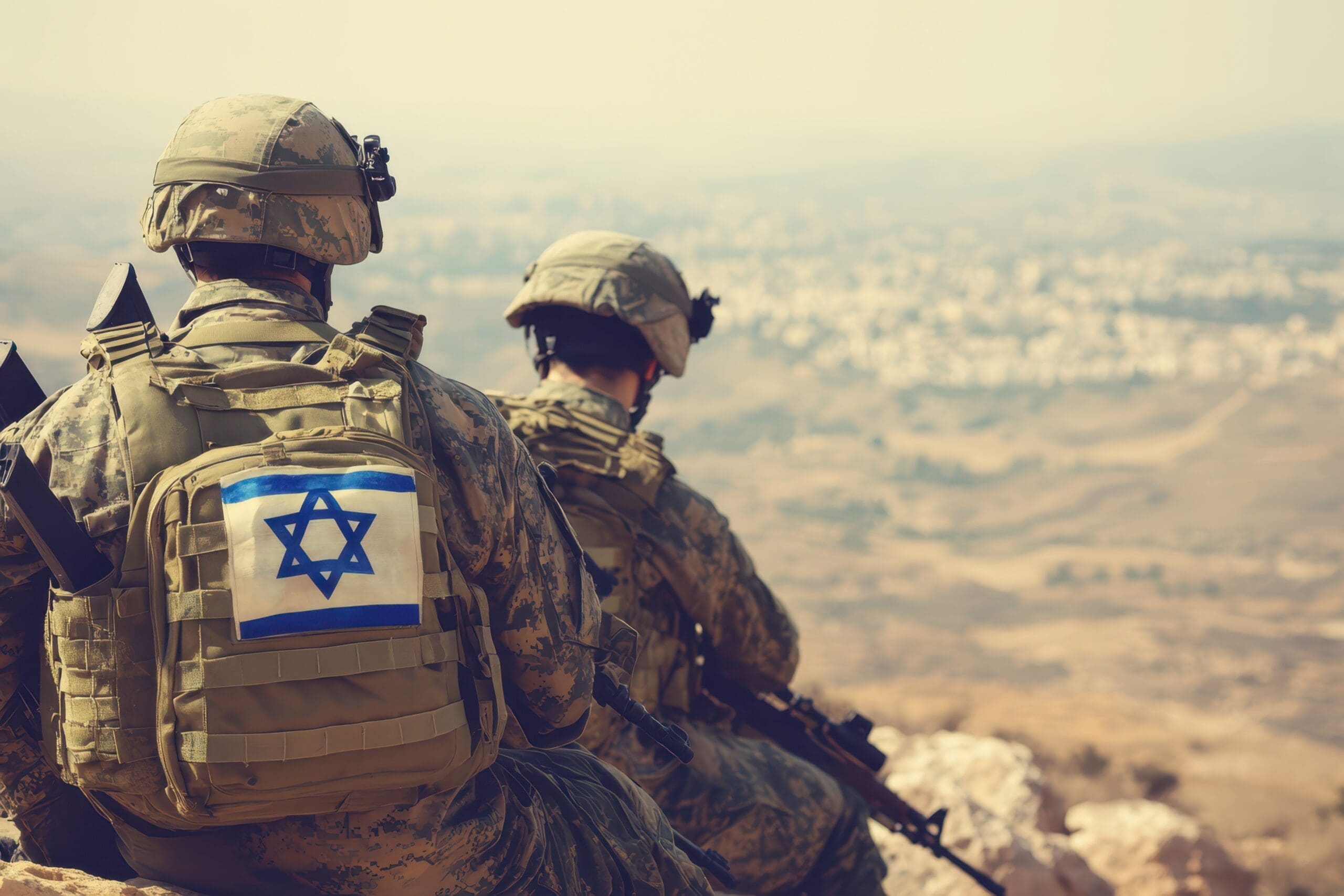
M.A. is a third-year undergraduate in the Faculty of Biotechnology and Food Engineering. He is also a reserve solider in the Egoz, an elite commando unit specializing in guerrilla warfare. On October 7, he was ordered to immediately join his unit. He was deployed to the South, fighting the terrorists who infiltrated the country. “Fighting was fierce in the kibbutzim,” he said. When the terrorists were eliminated from Israel, his unit was sent to fight Hamas in Gaza. For more than three months, M.A. was involved in intense combat. Cell phones were not permitted, and he couldn’t communicate with his…