Something Fresh in the State of Denmark
October 06, 2026













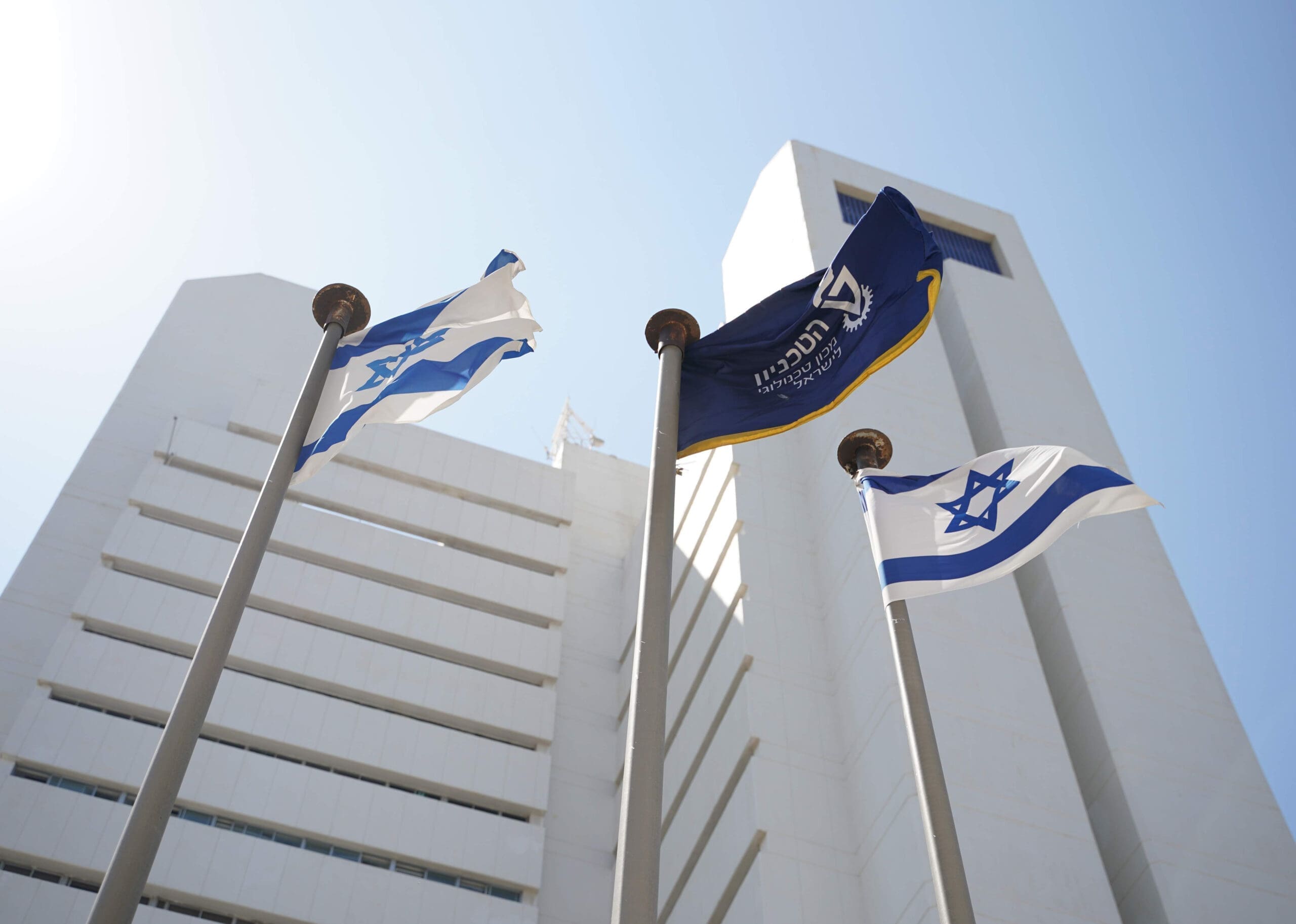


The Technion’s story has been intertwined with Israel’s for more than a century, from laying the foundations for a new nation to shaping its future.

Step inside Israeli innovation at the David and Janet Polak Visitors Center. Experience our 360° immersive movie and tech exhibition. Open to individuals and groups.
Learn More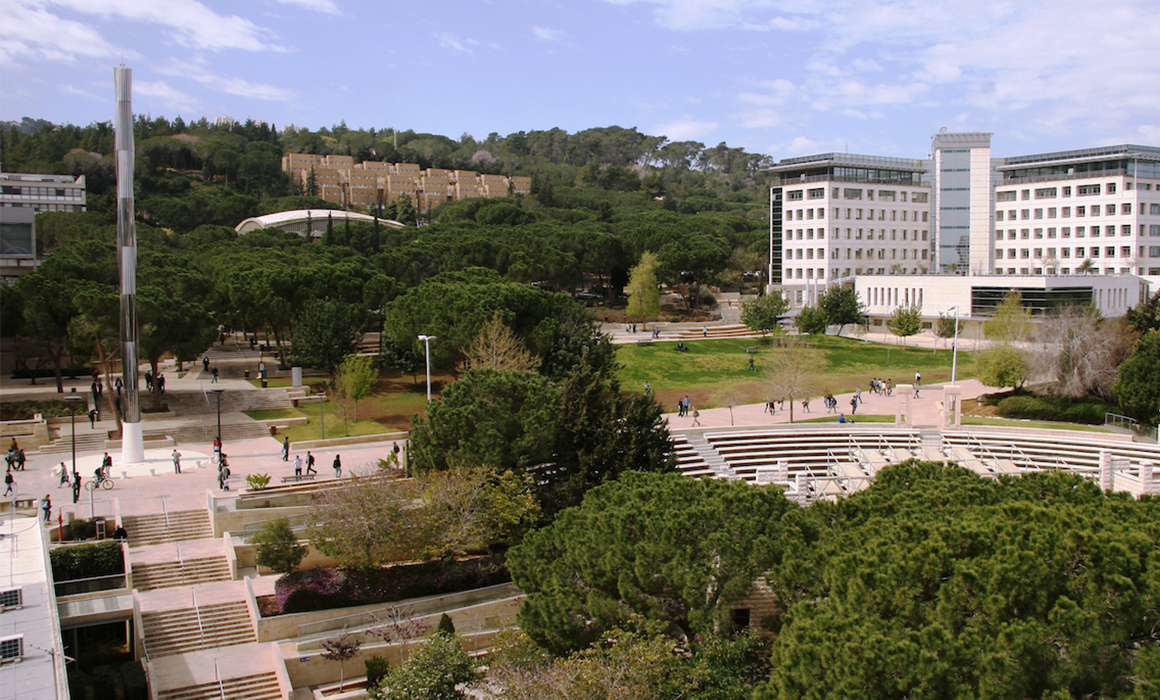

Technion’s Entrepreneurial Impact In laboratories across the Technion campus, scientists are turning once unfathomable ideas into research they hope will become the next lifesaving cancer treatment, indispensable assistive device, or environmental discovery. The road to commercialization isn’t easy. But you wouldn’t know that from the success stories coming out of the Technion and the Jacobs […]

The Technion – Israel Institute of Technology has entered into a collaboration with global computational intelligence firm Altair. The new partnership will grant the Haifa-based university’s faculty, researchers, and students training and unlimited access to Altair’s data analytics and artificial intelligence (AI) platform, RapidMiner. Headquartered in Michigan, Altair has an Israel office is at the high-tech park in Yokneam Illit, in the north of the country. “Altair enables students to expand their skills and be real-world-ready with our best-in-class technologies and support,” said Altair Israel Managing Director Ariel Hadar. “Collaborating with Technion’s faculty will foster greater synergies between academia and…
With the strict laws limiting human rights for asylum-seeking refugees, this story illustrates how volunteers can use their professional skills to provide essential services for these refugees. Artie Jacobowitz made aliyah with his wife, Karen, in January this year. They have two sons and four grandchildren living in the US. Artie lost no time as a retired biomedical equipment engineer in searching for volunteer work. He contacted the Yahel Social Change Fellowship, which matches volunteers and their skills with the needs of the local communities. And indeed, there was a great need for Artie’s professional skills at Ruach Hadashah, a…
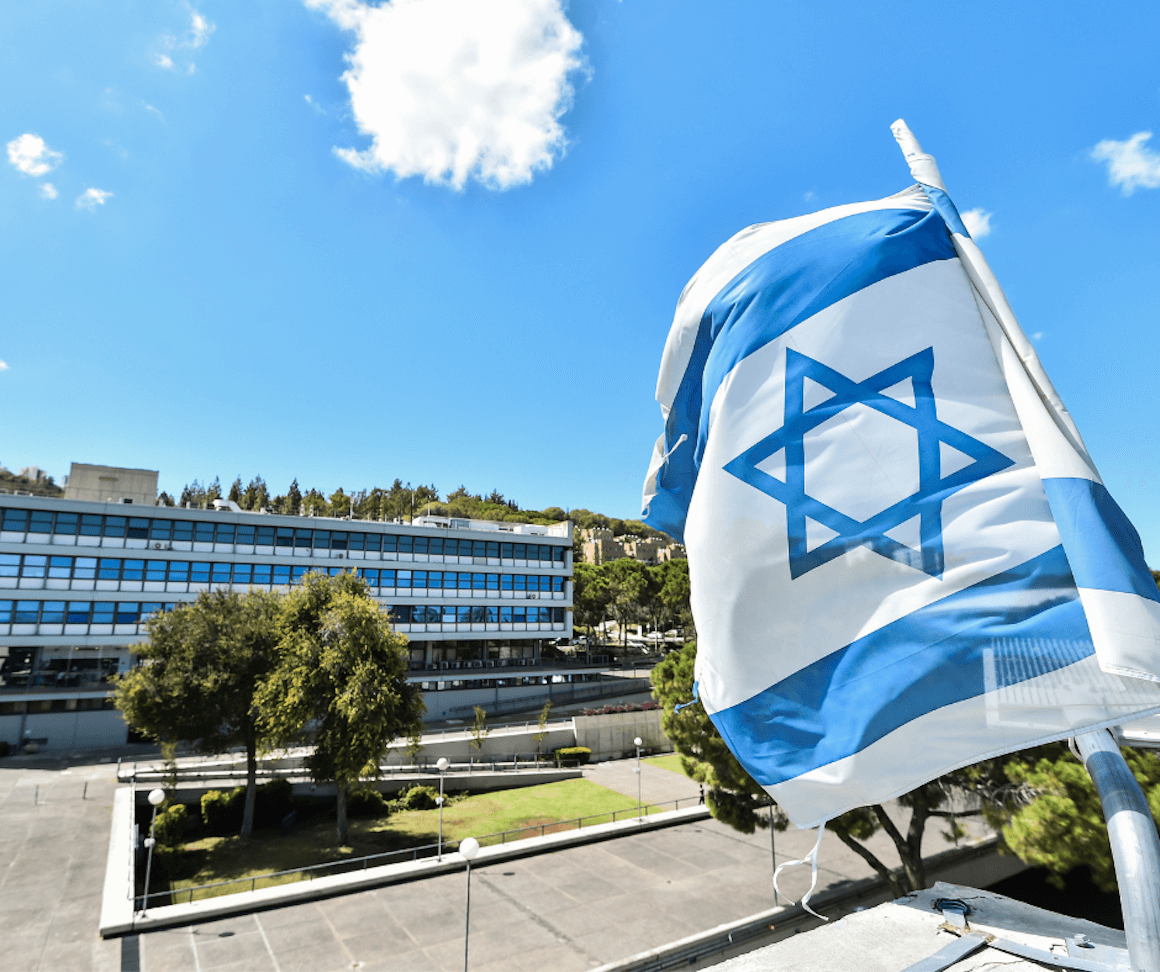
The Technion has been ranked 85th on the list of the top 100 academic institutions worldwide, according to the Academic Ranking of World Universities (ARWU) published this August by Shanghai Ranking. Among technological universities, the Technion placed 11th in the world. “Our position in the Shanghai Ranking confirms the Technion’s stature among the world’s best technological universities,” said Technion President Professor Uri Sivan. The Technion also received very high marks for its strength in specific fields, which include aerospace engineering and electrical and computer engineering, ranking 25th and 33rd in the world respectively. “The Technion’s position in the Shanghai Ranking…
As president of the Technion – Israel Institute of Technology, I am inspired by the resilience and determination of Israeli students, faculty, and staff who continue their academic pursuits under the current difficult circumstances. At the same time, I am troubled by the escalating violence, antisemitism, and anti-Israel sentiment observed at prominent universities in North America, Europe, and Australia, as well as by the calls for academic boycotts of Israeli universities. These calls fuel a vicious circle of incitement, hatred, and violence faced by Jewish students and faculty around the world. I fear that academic boycotts will not only harm…

A research group in the Technion’s Henry and Marilyn Taub Faculty of Computer Science was able to takeover Siemens’ new controllers, among the most secure in the world. These controllers are used in a wide range of systems, including aircraft, vehicles, production lines, power stations, gas and oil pipelines, smart homes, traffic lights, and even nuclear reactors. The research was presented at the Black Hat USA 2024 conference by alumni Nadav Adir and Alon Dankner under the guidance of Professor Eli Biham, head of the Hiroshi Fujiwara Cybersecurity Research Center at the Technion, and Dr. Sara Bitan, a senior researcher…

For 100 years, the Technion – Israel Institute of Technology has been the engine of ingenuity and entrepreneurship for Israel, the Startup Nation. “This study from Stanford University proves there is some special sauce in the Technion that distinguishes it from other universities,” said Michael Waxman-Lenz, chief executive officer of the American Technion Society. New research from the Stanford Graduate School of Business shows that the Technion has a 25 times higher chance than any other university outside the United States to produce a U.S. unicorn. A unicorn is a startup valued at more than $1 billion that is privately…

Recently, I had the opportunity to visit the Technion – Israel Institute of Technology with a few of my friends and colleagues at the American Technion Society (ATS) to show solidarity for our peers in Israel and learn more about how things have changed over the last several months. It was immediately clear to all of us how quickly everyone in the north adapted to new challenges that come with wartime, and we were all impressed with how the Technion has rallied around its students and faculty – particularly the thousands who have been called to service. I spoke with…

Nine Israeli scientists, including three from the Technion, were tapped as new members of EMBO, the European Molecular Biology Organization (EMBO), which supports talented life sciences researchers at all phases of their careers. Professors Oded Beja, Benjamin Podbilewicz, and Asya Rolls, join the rarified ranks of EMBO members that include Nobel laureates James D. Watson and Francis H.C. Crick, co-discoverers of the double-helix structure of DNA; Isidor Isaac Rabi, whose work ushered in MRI technology; modern day pioneer of CRISPR gene editing, Emmanuelle Charpentier; and Technion Distinguished Professors Aaron Ciechanover and Avram Hershko, co-discoverers of the ubiquitin-mediated protein degradation system.

Since October 7, tens of thousands of wounded soldiers and civilians in Israel have embarked on rehabilitation processes. According to relevant professionals, a large share of them is not only coping with physical challenges but also with anxiety, depression, post-traumatic stress disorder (PTSD), problems adapting, problems communicating, and psychotic conditions. Consequently, it’s crucial to find efficient solutions related to mental resilience. To that end, the Technion’s Henry and Marilyn Taub Faculty of Computer Science dedicated its annual social–technological hackathon, CS Hack: Doing Good, to developing solutions to improve mental resilience. Each year, the hackathon chooses a theme for innovation that…

This month, 136 new doctors received their medical diplomas from the Ruth and Bruce Rappaport Faculty of Medicine at the Technion. Twenty-six of them graduated with honors, five with special distinction, and 14 completed the prestigious M.D.–Ph.D. program, which combines medicine and research. Three of the outstanding graduates claim proud family legacies at the Technion and in medicine.

Many of us rely on the internet for images we need in our daily work or correspondence. But all too often, the search doesn’t always hit the mark — despite continuous advances in artificial intelligence. For instance, you need a picture of a female CEO but most of the images popping up are of men. You’d like to playfully send your girlfriend a picture of roses in her favorite color, lavender, but you can only find red. Better results could be coming your way, thanks to a team of Technion doctoral students and alumni working with Technion Assistant Professor Yonatan…