Assaf Glazer on How Grit Turns Ideas Into Impact
November 24, 2026













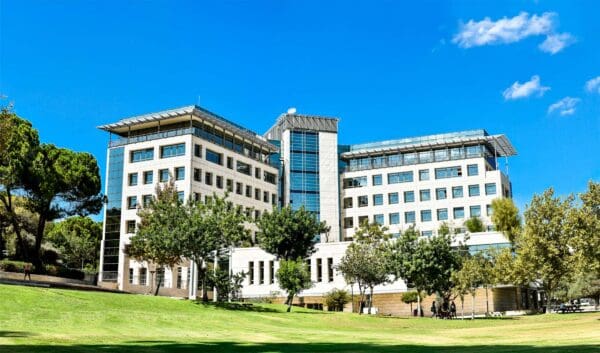


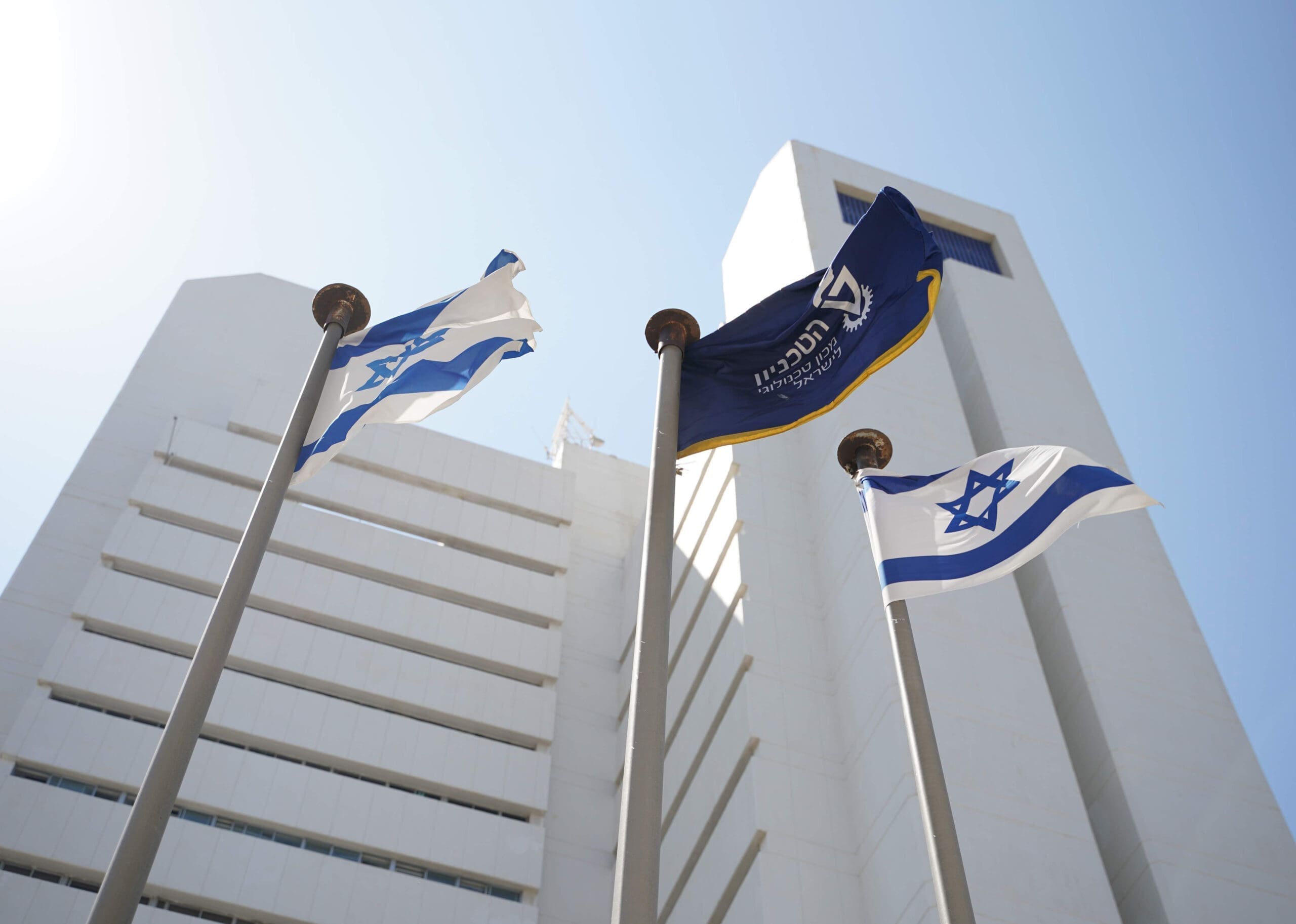
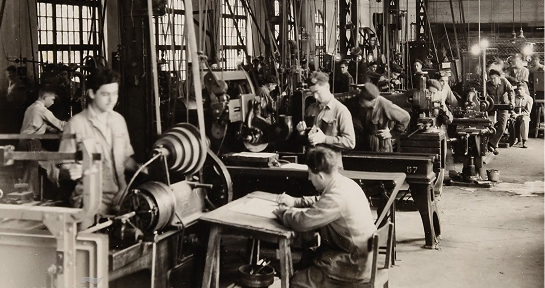
The Technion’s story has been intertwined with Israel’s for more than a century, from laying the foundations for a new nation to shaping its future.

Step inside Israeli innovation at the David and Janet Polak Visitors Center. Experience our 360° immersive movie and tech exhibition. Open to individuals and groups.
Learn More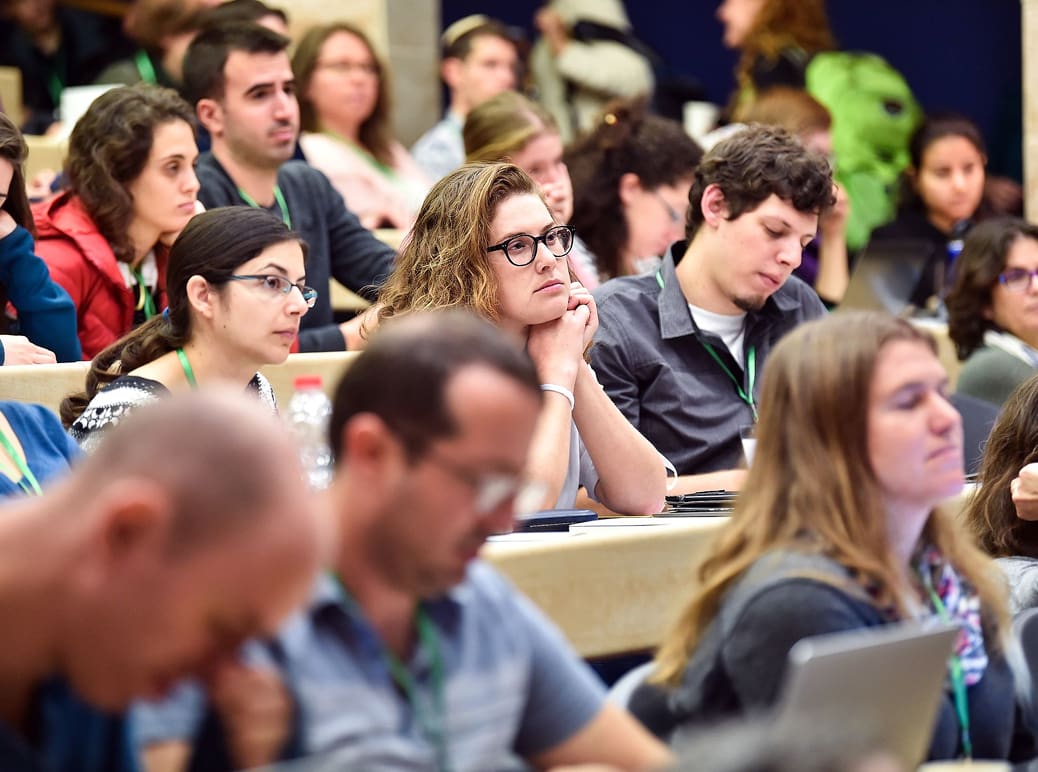

The Technion was recently selected as an international partner for the Chicago Quantum Exchange (CQE), an intellectual hub for the advancement of science and engineering of quantum information. Based at the University of Chicago, the CQE works to connect leading academic talent, top scientific facilities, and prominent members and partners to advance research and train the quantum workforce of tomorrow. Central to the partnership will be the Helen Diller Quantum Center at the Technion, which stretches across six faculties of science and engineering: Physics, Electrical Engineering, Computer Science, Chemistry, Materials Science, and Engineering and Mechanical Engineering. More than 50 faculty…
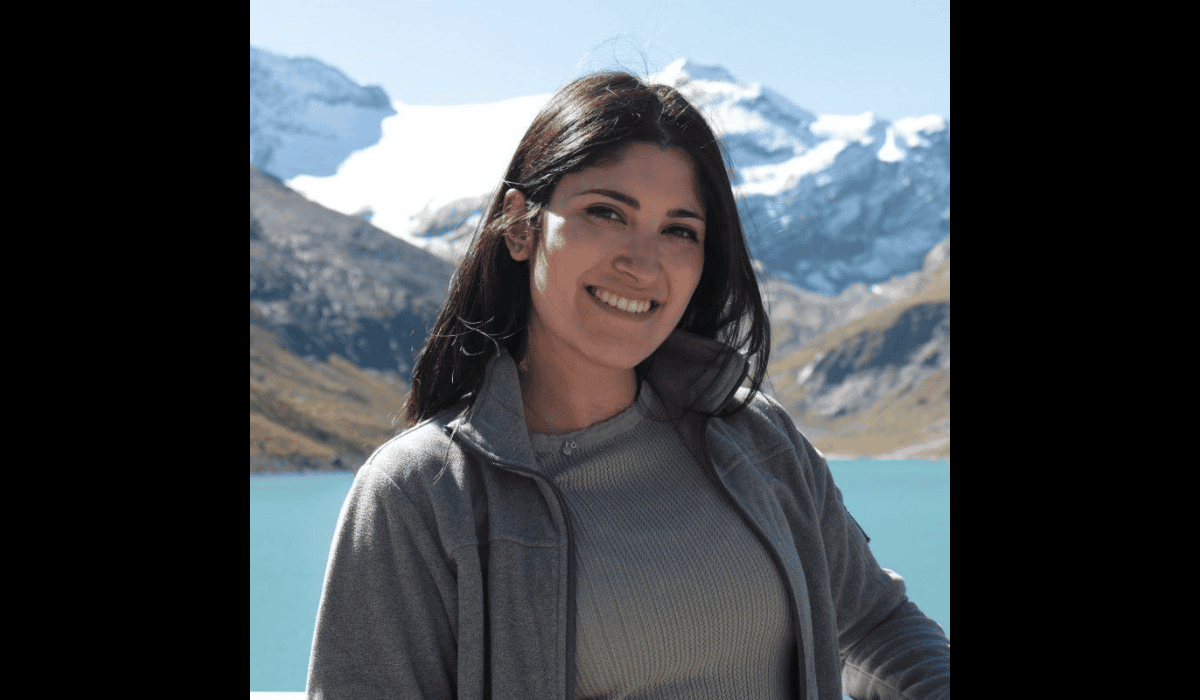
Recently, Technion doctoral student Hadas Orgad from the Henry and Marilyn Taub Faculty of Computer Science received the Apple Scholars in AI/ML Ph.D. fellowship. It is awarded to graduate and Ph.D. students to recognize their contributions as emerging leaders in computer science and engineering and their cutting-edge machine learning research in order to support the academic research community. The recipients gain support for their research and academic travel for two years, internship opportunities, and a two-year mentorship with an Apple researcher in their field. Hadas earned her bachelor’s degree summa cum laude from the Taub Faculty of Computer Science in…
One of the American Technion Society’s most popular speaker series, the Ilene & Steve Berger Technion Visiting Fellows Program features the university’s greatest assets: its students. Known as the Berger Visiting Fellows, these select scholars represent the very soul of the Technion. Their visit provides an inspiring glimpse into the lives and minds of those […]

In this May 2023 discussion with American Technion Society donors, Associate Professor Beni Cukurel provides behind-the-scenes insights into the research and structure of the Faculty of Aerospace Engineering at the Technion — the only faculty of its kind in Israel. The faculty’s researchers still operate from the first building ever erected – more than 70 years ago – on the Technion’s main campus, making fundraising for a new building and faculty recruitment a priority for the Technion and Israel. Learn more about the impact of the Faculty of Aerospace Engineering here.
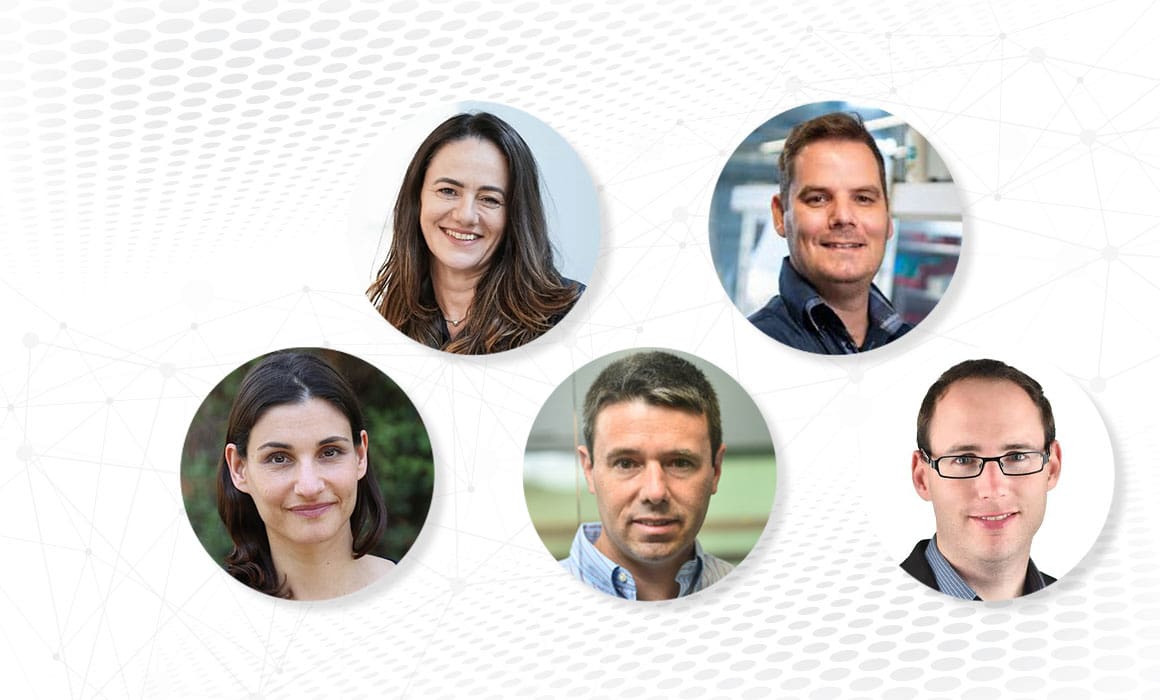
Pictured Above / (L to R) Professor Meytal Landau, Professor Asya Rolls, Professor Avi Schroeder, Assistant Professor Graham de Ruiter, and Professor Nadav Amdursky Recently, five researchers from the Technion were awarded prestigious Consolidator Grants by the European Research Council (ERC) for unique projects in their respective disciplines. The ERC Consolidator Grants provide $2.14 million to each recipient and are awarded to scientists with 7-12 years of postdoctoral research experience to fund their explorations and allow them to pursue their most promising ideas. The five Technion recipients are: Associate Professor Nadav Amdursky, a researcher in the Schulich Faculty of Chemistry…
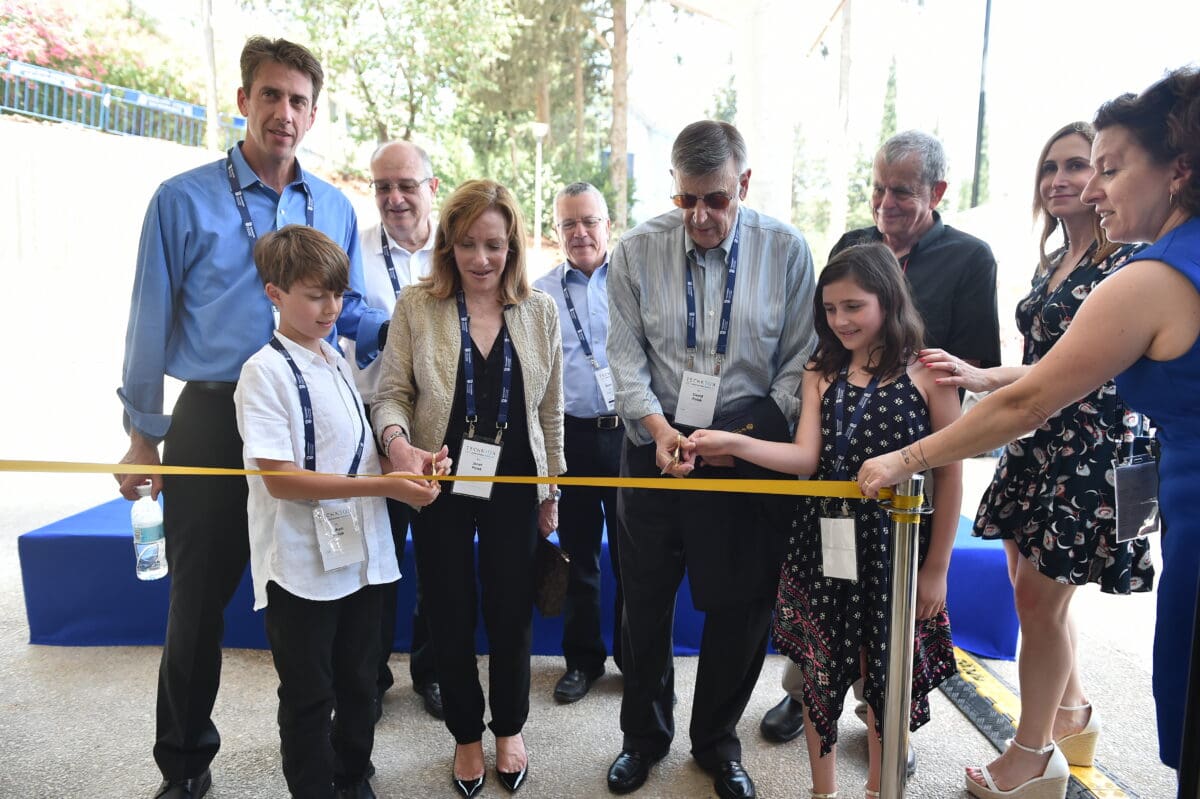
The David and Janet Polak Visitors Center serves as a place to gather for guests from across the world. In 2022, the center was visited by more than 15,000 people from 50 different countries. Look through the many dignified delegations who visited this year in the video above.
The Technion Human Health Initiative Brings Medical Research and Technology to the Next Level It takes a village of scientists to tackle the increasingly complex health and medical issues of our time. The Technion is assembling a venture to do just that. Learn about the new Technion Human Health Initiative (THHI), a gathering of Technion […]
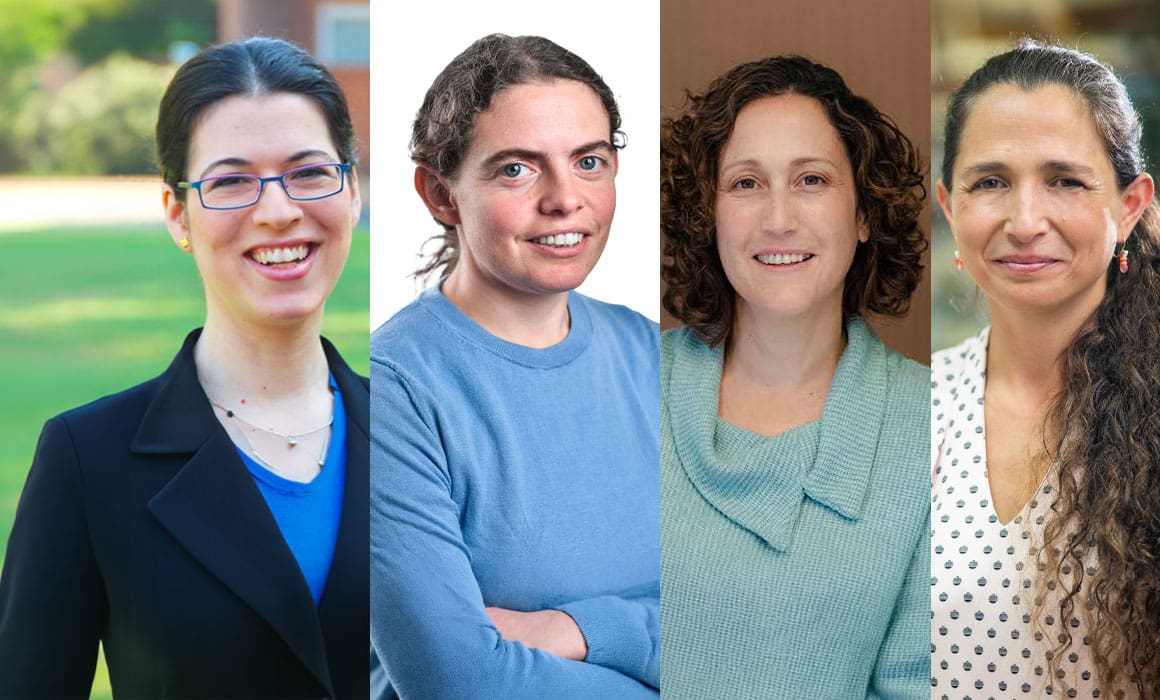
Pictured Above / (left to right) Prof. Inbal Talgam-Cohen, Prof. Ofra Amir, Prof. Noga Ron-Harel, and Prof. Naama Geva Zatorksy Four Technion scientists – all of whom are women – have been awarded early career Starting Grants by the European Research Council (ERC). The prestigious grants are used to further the research of those who demonstrate great potential in their fields of study. The quartet of awardees, who all come from different Technion faculties, are Assistant Professor Ofra Amir, Assistant Professor Naama Geva-Zatorsky, Assistant Professor Noga Ron-Harel, and Assistant Professor Inbal Talgam-Cohen. Prof. Ofra Amir’s research centers around the intersection…
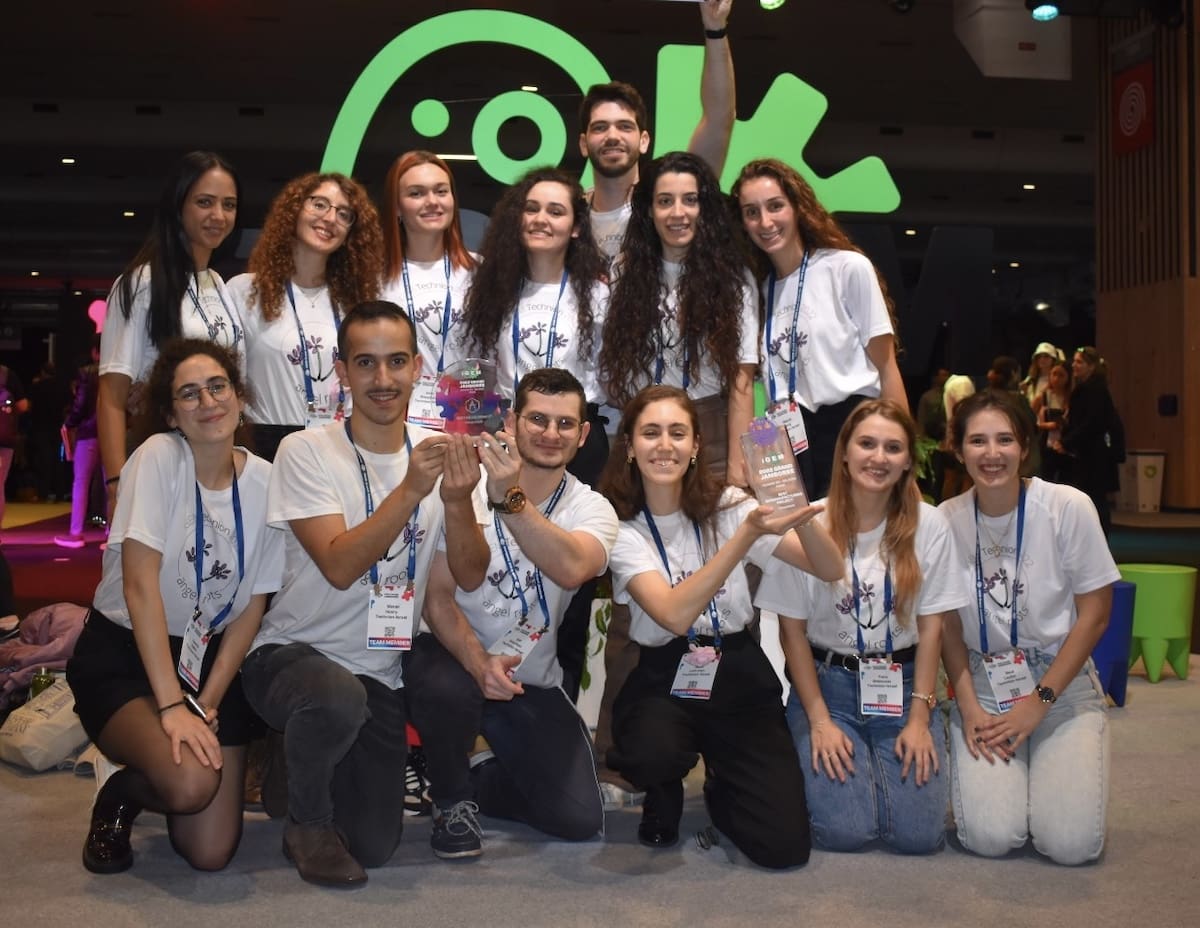
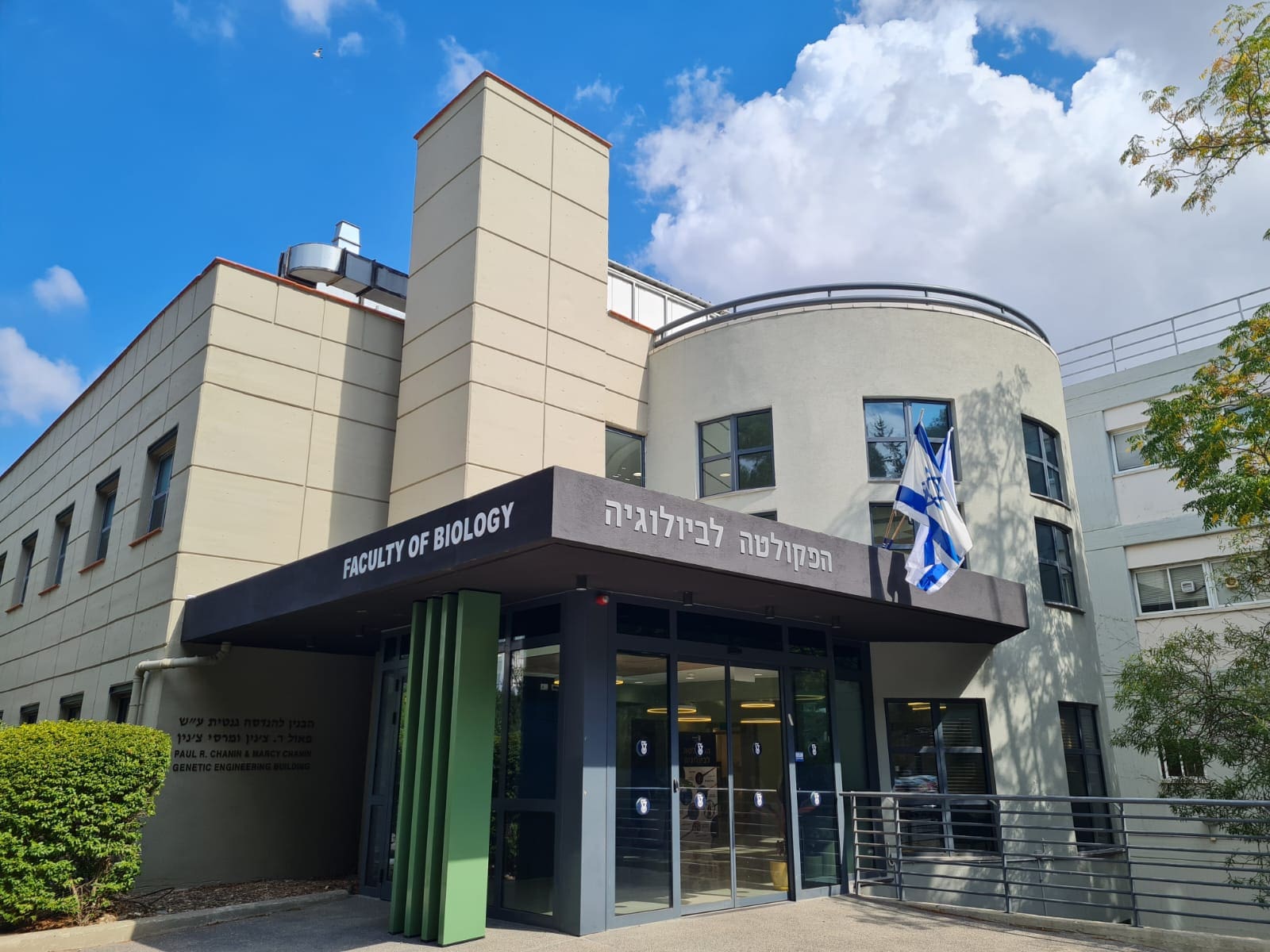
Recently, a team of 12 Technion undergraduates competed in the prestigious iGEM competition in Paris, France. Led by Maia Lehrman, they presented their research for developing a way to reduce hair loss in chemotherapy patients by using a bacteria called decursin. Decursin is derived from a plant, Angelica gigas – grown exclusively in China and Korea – that has the ability to prevent apoptosis, or programmed cell death, including in hair cells. The project focused on engineering bacteria enzymes to create more decursin bacteria, since the plant is very rare and only contains a small amount of decursin. Their ultimate…
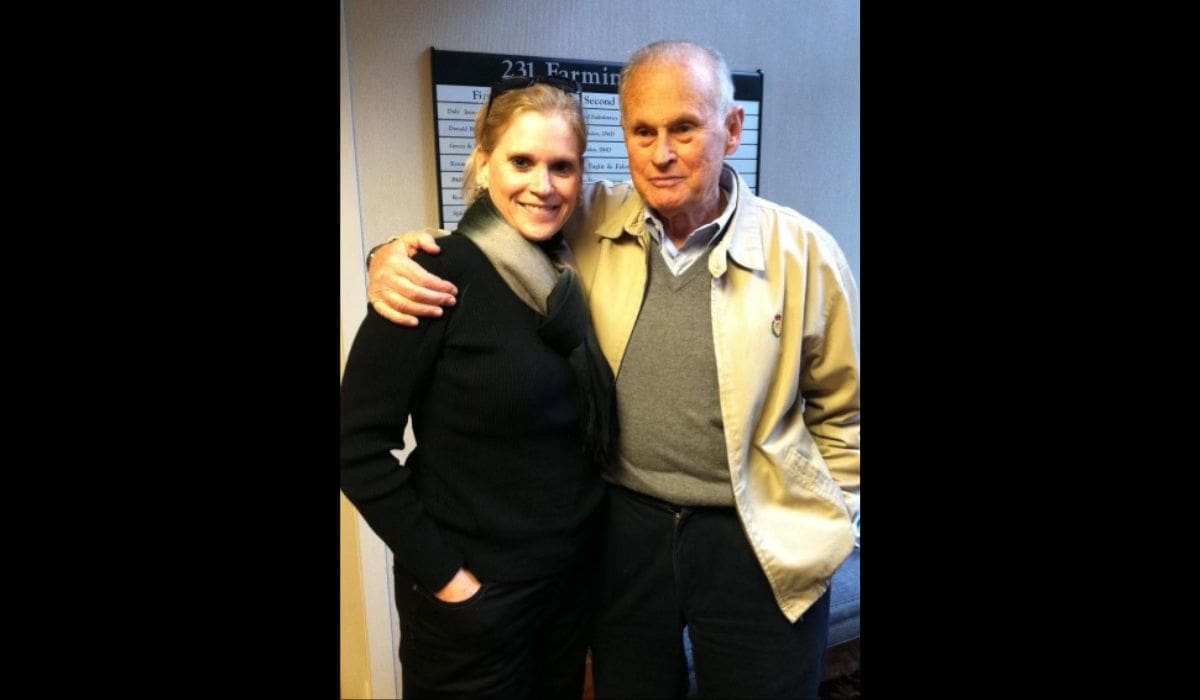
When other little girls were playing with dolls, Debra Javit was walking with her Dad through the shopping malls he developed in suburban Connecticut. “I always wanted to be like him and to be with him,” Debra said. So it came as no surprise that Debra built a career in commercial real estate, and when the opportunity presented itself, she became a philanthropist like her parents Max and Rachel Javit, and a second-generation Technion supporter. The family story started in Brooklyn for Max and Israel for Rachel. “They came from nothing,” Debra said. Her Dad wanted to be a farmer….
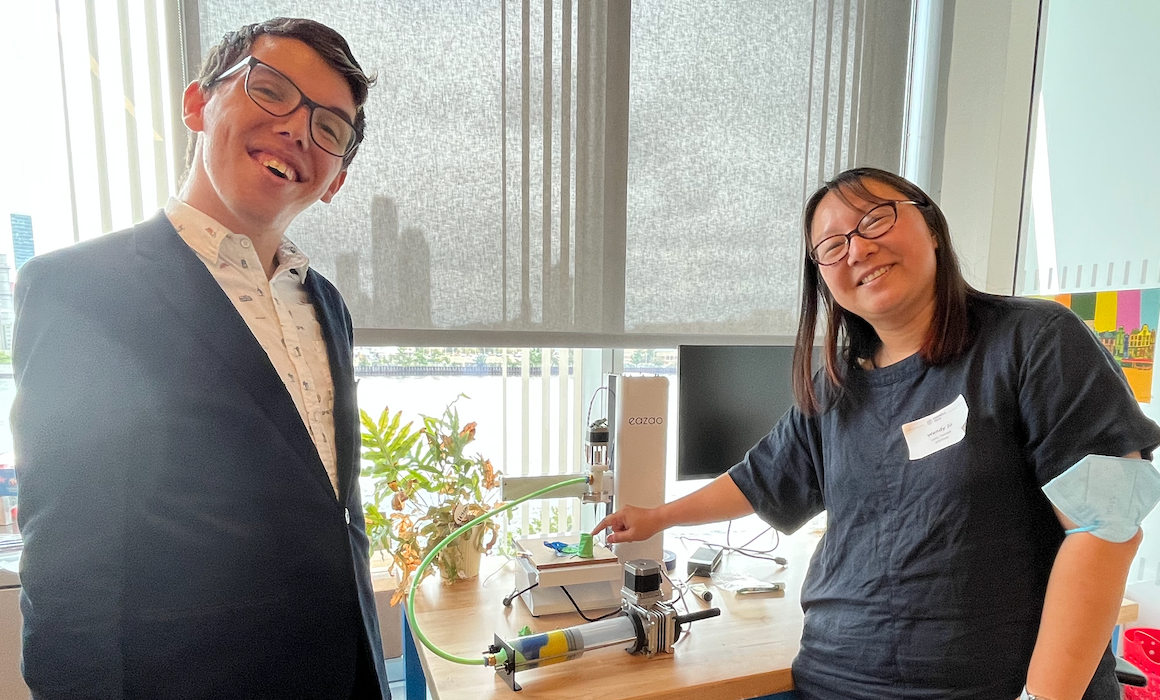
An Extraordinary Technion Student Interns at the Jacobs Institute Tobias (Tobi) Weinberg was among the nine talented young Technion students interning at the Joan & Irwin Jacobs Technion-Cornell Institute at Cornell Tech on Roosevelt Island this past summer. Already a top student at the Technion, where he is entering his senior year, he quickly distinguished himself at the Jacobs Institute, working with Professor Wendy Ju on human-robotic interaction. “Tobi stood out because he whipped through tasks very quickly, and so was able to start grappling with some of the open-ended research problems the Ph.D. researchers were working on,” said Prof….