The Technion’s story has been intertwined with Israel’s for more than a century, from laying the foundations for a new nation to shaping its future.

From medicine to security, explore how the Technion is advancing Israel and improving lives around the world.
View All Impact Areas
Explore stories, news, insights, and data across articles, videos, and podcasts.
view all content types
companies founded by graduates and faculty in the last 10 years
in Europe and #21 in the world for aerospace engineering*
locations
The Technion’s story has been intertwined with Israel’s for more than a century, from laying the foundations for a new nation to shaping its future.
Explore ATS, the Technion, and the people behind the breakthroughs redefining what's possible for Israel and the world.
Learn More About ATSATS is a community of supporters, innovators, and champions of possibility united by one mission: transforming Israel and the world through science and discovery.
Learn MoreFor more than 100 years, the Technion has been Israel's technological engine and leading driver of innovation, technology, and entrepreneurship, transforming ideas into impact.
Learn More
Step inside Israeli innovation at the David and Janet Polak Visitors Center. Experience our 360° immersive movie and tech exhibition. Open to individuals and groups.
Learn MoreFrom medicine to security, explore how the Technion is advancing Israel and improving lives around the world.
View All Impact AreasExplore stories, news, insights, and data across articles, videos, and podcasts.
view all content typesDiscover ways to support, connect, and help drive innovation.
Get InvolvedExplore ATS, the Technion, and the people behind the breakthroughs redefining what's possible for Israel and the world.
Learn More About ATS
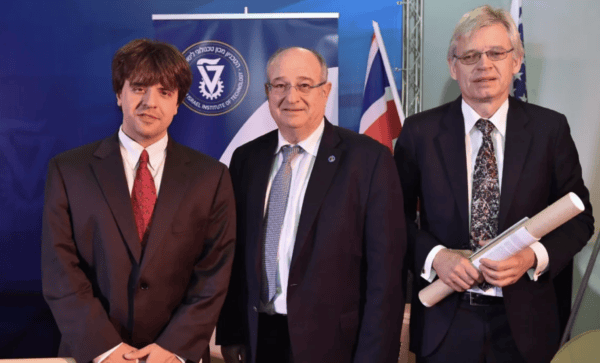
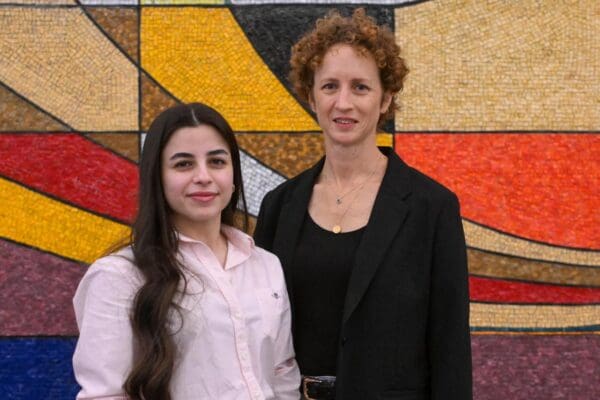
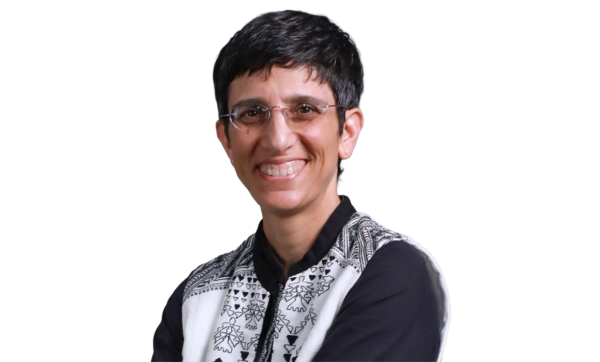
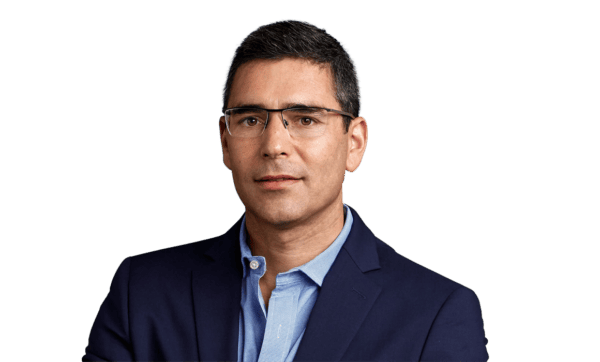
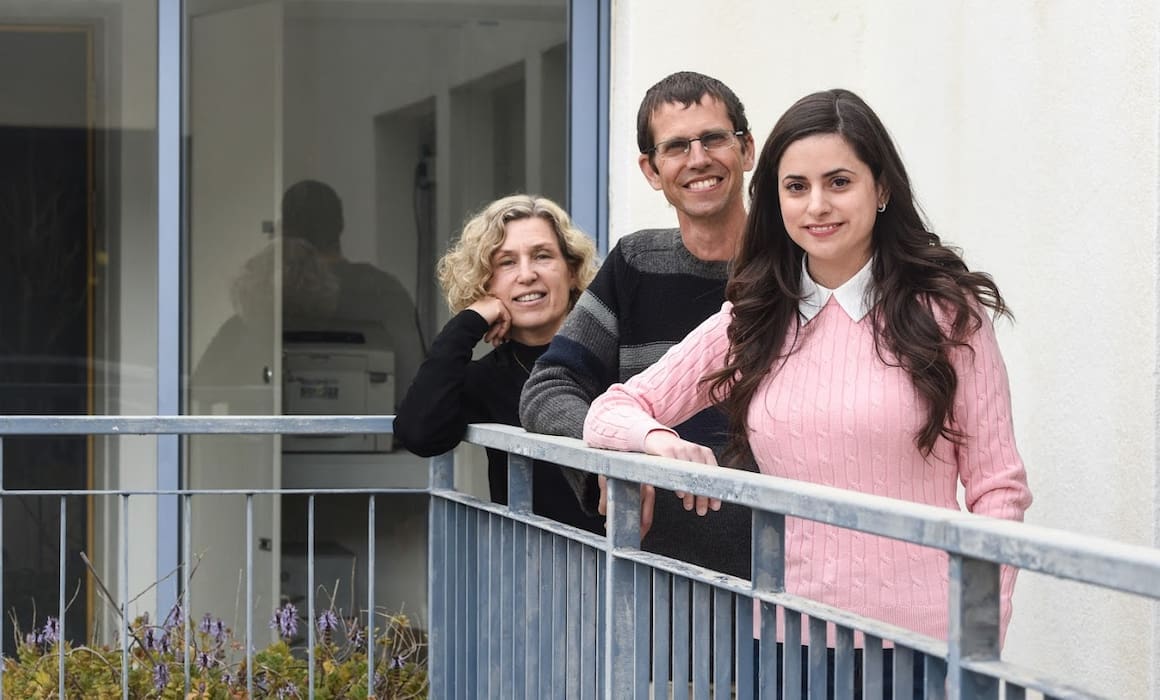
Pictured Above / L to R: Professor Naama Brenner, Professor Omri Barak and Aseel Shomar.
In a revolutionary new discovery, Technion researchers Aseel Shomar, Professor Omri Barak, and Professor Naama Brenner propose that cancer cells are able to learn and adapt to changing environments in order to survive. Equipped with this knowledge, researchers are now investigating better ways of treating — and perhaps curing — cancer.
It is commonly thought that both drug resistance and the ability to metastasize appear in cancer cells as random mutations. Since such a mutation is advantageous to cancer cells, enabling them to survive in an environment that attempts to fight them, these mutations become dominant. However, mounting evidence from research groups around the world do not seem to match this hypothesis, and treatment plans based on this theory do not significantly increase patients’ life expectancy. Now, Aseel Shomar, Prof. Barak, and Prof. Brenner propose a new hypothesis that matches the evidence at hand: cancer cells learn and adapt to their environment, enabling them to develop drug resistances and conform to the new environments of metastasis locations.
While cancer cells have no brain, they are sensitive to stress, and seek ways of reducing stress through a trial-and-error process within their gene regulatory network. An interaction that reduces stress gets strengthened.
While tumors that learn and adapt might sound like a nightmare, Ms. Shomar, Prof. Barak, and Prof. Brenner also found reason for hope. The same mutations found to promote cancer in our body can be carried by cells that remain healthy. Even cells from active tumors, transported into healthy tissue, were in some experiments “cured,” reverting to their non-cancerous state.
“There is an interaction between the individual cell and the tissue,” Prof. Brenner explains. “The cell has the capacity to explore, but the tissue imposes order and stability. Cancer could perhaps be treated through strengthening the tissue’s ability to calm and control the pre-cancerous cell.” A better understanding of the system, such as the three provide, is a crucial step towards developing more effective treatments.
Most scientific studies add a titbit of data to an existing framework. This is one of a rare category of studies that re-examine existing data and propose a novel framework, offering answers to questions that had hitherto remained unanswered, and opening up new avenues of exploration.
April 08, 2022
Examine the insights into cancer cells' adaptability, which researchers believe may provide new pathways for effective treatment.
1 min
X (opens in a new tab) / Facebook (opens in a new tab) / LinkedIn (opens in a new tab) / Email / Copy Link
What if diagnosing cancer, Parkinson’s disease, or other serious illnesses could be as simple as breathing into a handheld device? That possibility is moving closer to reality thanks to the work of the Technion’s Prof. Hossam Haick, whose groundbreaking research is changing how diseases are detected around the world. In recognition of his extraordinary achievements, […]
Every year, the European Research Council (ERC) identifies some of the world’s most promising early-career researchers and gives them the freedom to pursue bold ideas. This year, two of those ideas came from the Technion – Israel Institute of Technology. From cancer research to artificial intelligence (AI), breakthroughs that shape the future often begin with […]
As more people turn to AI chatbots for companionship, life advice, or even as a stand-in for therapy, experts say the technology offers both new opportunities and risks when it comes to mental health. Prof. Tanzeem Choudhury is the chief of health innovation in the Joan & Irwin Jacobs Technion-Cornell Institute and has been studying AI and mental health for 15 years. She said AI tools are available any time, often at low cost, making it easier for people to access some form of mental health support.
Stay on top of the latest breaking scientific discoveries from Israel and the Technion. Subscribe to the ATS newsletter.