Why the Perfect Pitch is Your Biggest Mistake
September 23, 2026


















The Technion’s story has been intertwined with Israel’s for more than a century, from laying the foundations for a new nation to shaping its future.

Step inside Israeli innovation at the David and Janet Polak Visitors Center. Experience our 360° immersive movie and tech exhibition. Open to individuals and groups.
Learn More
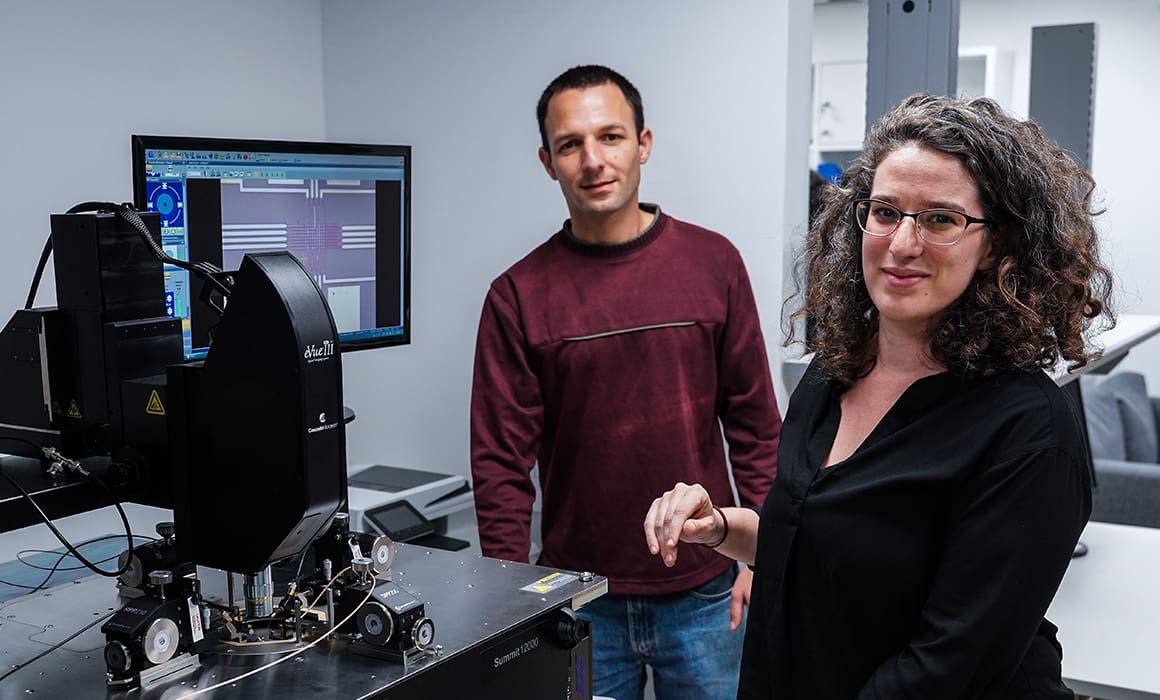
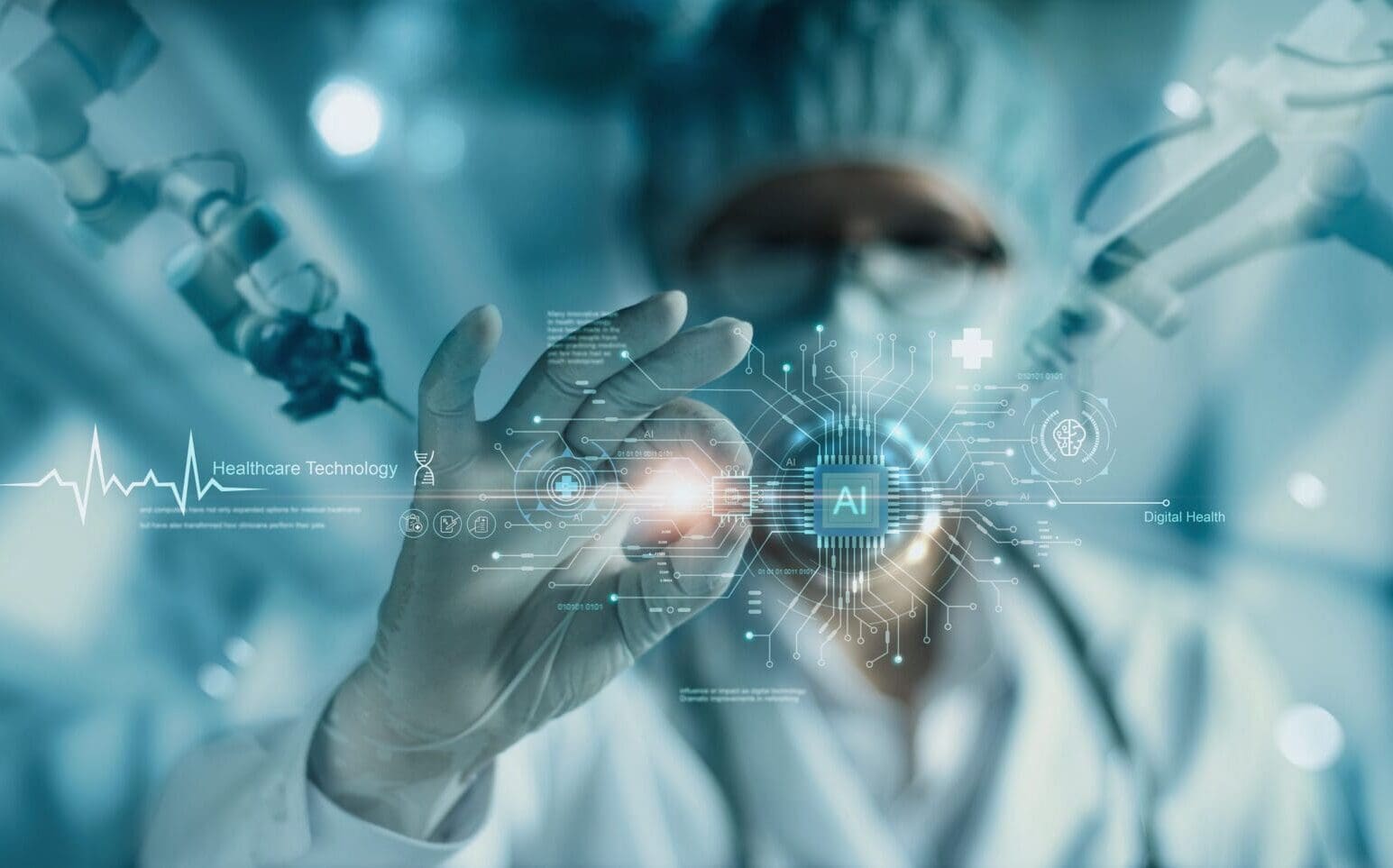
Artificial intelligence holds so much promise in so many fields. But the biggest challenge has been finding potentially lifesaving solutions quickly enough. Researchers in the Technion’s Andrew and Erna Viterbi Faculty of Electrical Engineering have developed a platform that can accelerate the learning process of AI systems a thousandfold. The Growth of AI Artificial intelligence has grown by leaps and bounds in recent years due to models of deep neural networks (DNNs) — sets of algorithms designed to recognize patterns. Inspired by the human brain, these DNNs have been enormously successful in tackling complex tasks such as autonomous driving, natural…
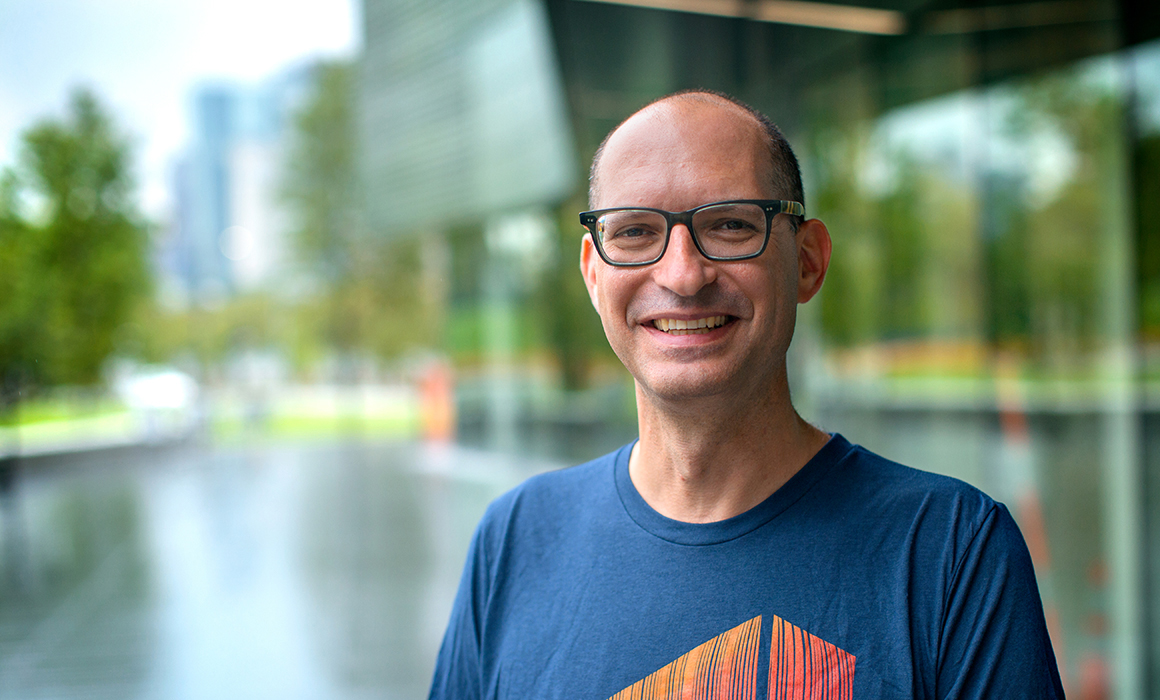
Would people believe a news story is accurate if it were published by a source that shares their worldview? Or would they believe claims that agree with their views, regardless of where they were published? A 2018 survey by the Gallup and Knight Foundation concluded that Americans perceive news articles as biased (62% of news stories) or inaccurate (44% of stories) depending on whether they believe the news outlet shares their political affiliation. But Associate Professor Mor Naaman and colleagues at the Jacobs Technion–Cornell Institute at Cornell Tech suggest that this survey and other recent studies on the phenomenon did…
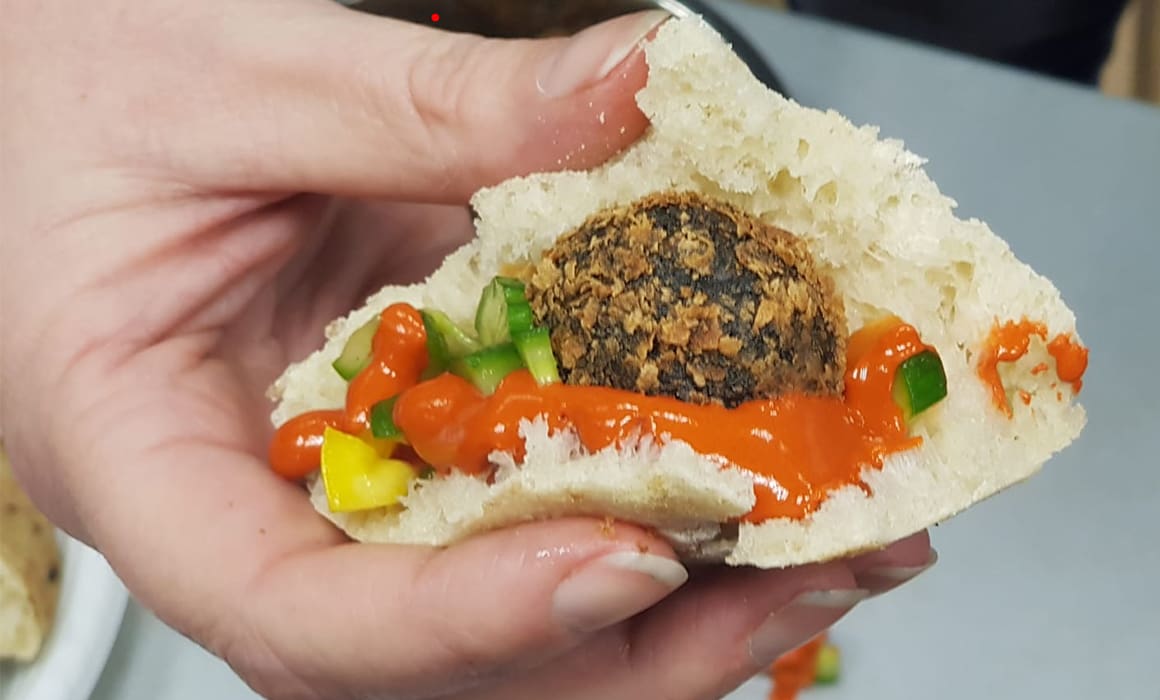
There will be 9.8 billion people worldwide to feed in 2050 — and they’ll need plenty of protein. But animal-based protein is expensive, slow to produce, and, crucially, has a devastating impact on global warming and the Earth’s resources. Plant- and algae-based proteins could be the solution, solving a seemingly impossible dilemma. The EIT Food Project The European Knowledge and Innovation Community hosts the EIT Food Project Competition to connect consumers with businesses, startups, researchers, and students from around Europe who care about sustainable foods. It supports creative and economically sustainable initiatives that promote health, access to quality food, and…
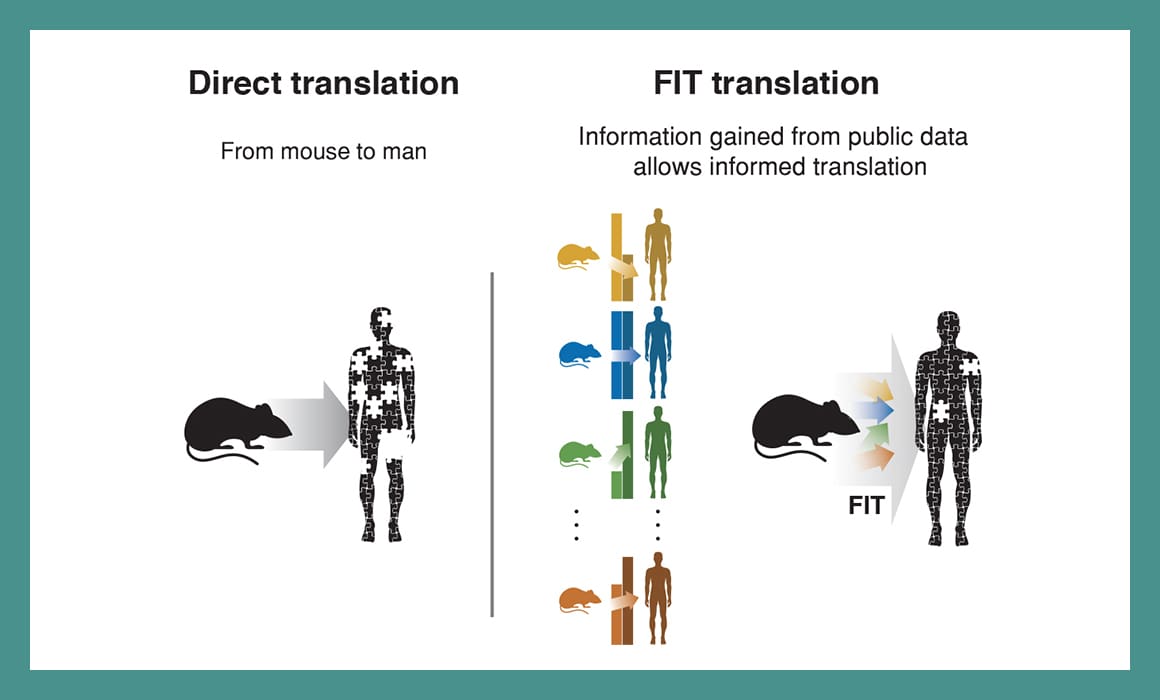
Mice are very different from humans — but when it comes to medical research, sometimes they’re all we’ve got. Assistant Professor Shai Shen-Orr of the Technion’s Rappaport Faculty of Medicine and Technion Ph.D. candidate Rachelly Normand, together with Professor Rob Tibshirani and Ph.D. candidate Wenfei Du from Stanford University, have developed a revolutionary, big-data-driven, machine learning algorithm that can predict the results of human gene expression based on preliminary results of mouse studies. The tool could speed up the development of new medical therapies and may even reduce future experiments done on mice. Why Mice? Mouse model studies are critical…
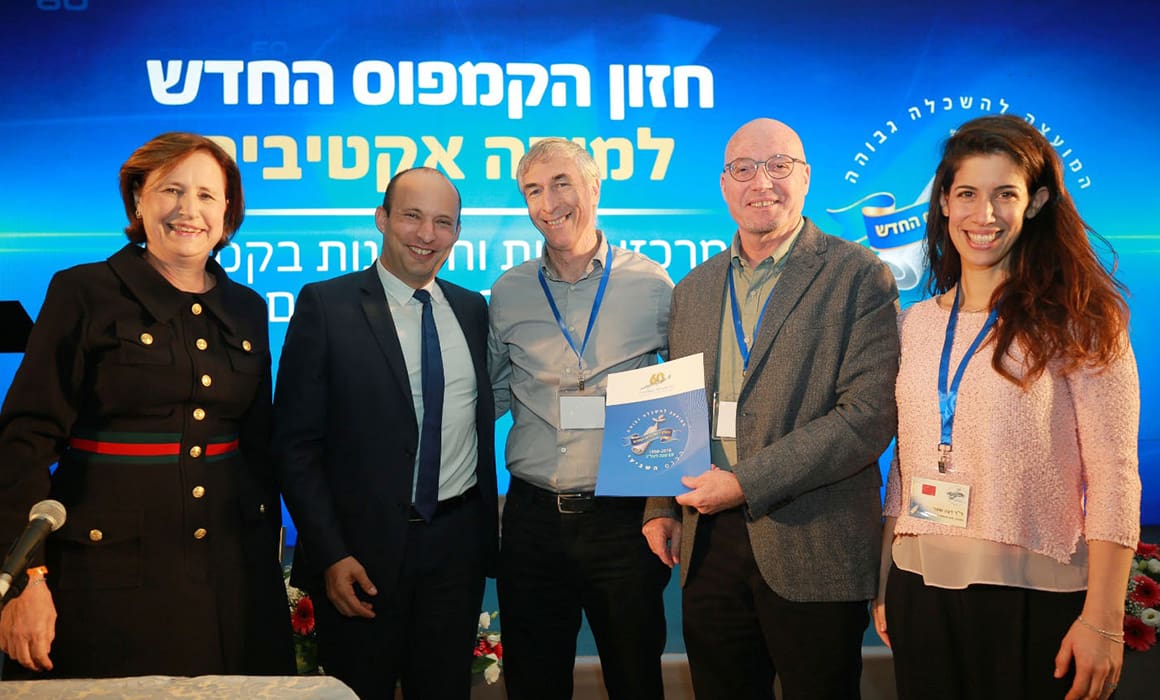
Israel’s Council for Higher Education recently granted the Technion $2.7 million to establish t-hub — the Technion Entrepreneurship and Innovation Center. The Technion was the only academic institution to win the competition individually. Two years ago, the Technion initiated a comprehensive initiative aimed at developing and promoting entrepreneurship and innovation activities on the Technion’s Haifa campus, as well as connecting the Haifa campus to the new branches of the Technion in New York and China. This grant will allow the Technion to expand these entrepreneurial activities and establish t-hub, bringing the entrepreneurial culture on the Haifa campus to new heights….
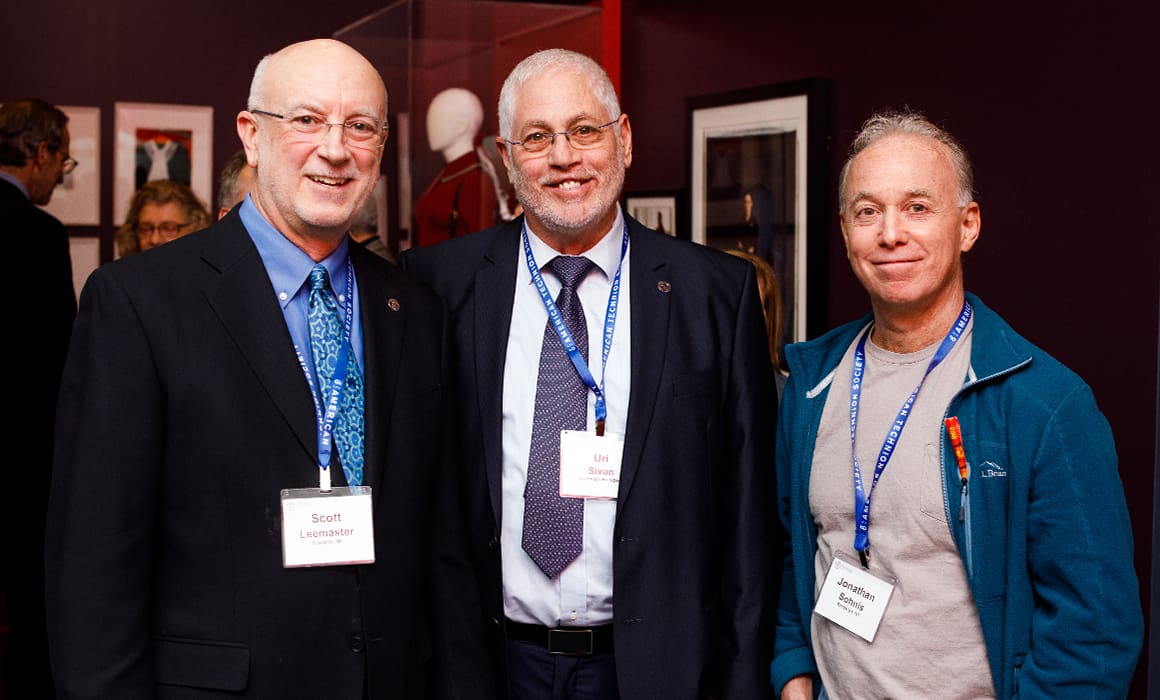
My parents were Zionists, a trait I proudly inherited. We talked about the Technion growing up. So just before graduating from high school, I phoned the ATS and asked: ‘How do I go about applying to the Technion?’ A week later, speaking no Hebrew other than the traditional prayers, I was on my way to Israel. I took a preparatory course, passed my entrance exams in Hebrew and was accepted into the faculty of electrical engineering. It was a serious program. But when you’re ideologically motivated, such challenges appear diminished. Graduating from the Technion, I planned to look for work…

Growing up, our parents took us several times to Israel. Visiting the Technion was always central. We visited the Aerodynamics Laboratory, and watched in awe as the high-tech scientists used a hair dryer to create a simulated wind tunnel. The Technion does so much with so little. My involvement today is inspired by my father, Paul Shatz, who spent his life engaged with the ATS. When he became president of the Washington, D.C. Region in 2007, he asked me to assist him. Dad focused on bringing younger people into the Chapter. I continue that work by co-chairing the Leadership Development…
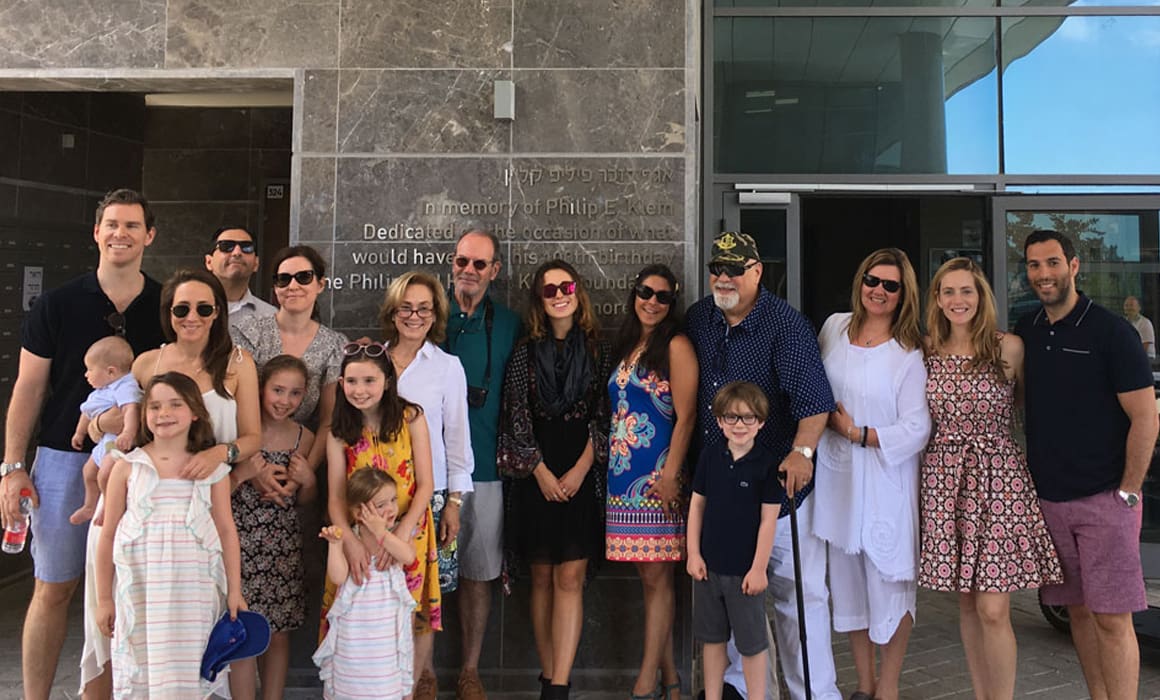
The Klein family of Baltimore is building a legacy — both in business and philanthropy. Following in the footsteps of the late patriarch Philip E. Klein, his son Michael and grandson Daniel are growing the family commercial real estate conglomerate, Klein Enterprises, and generously supporting the Technion – Israel Institute of Technology. Visiting the Technion campus in Haifa on June 25, Michael and his wife, Jennifer, and Daniel and his wife, Anna, along with some 20 friends and family members, dedicated a wing at the Undergraduate Dormitory in honor of what would have been Philip’s 100th birthday on June 22….
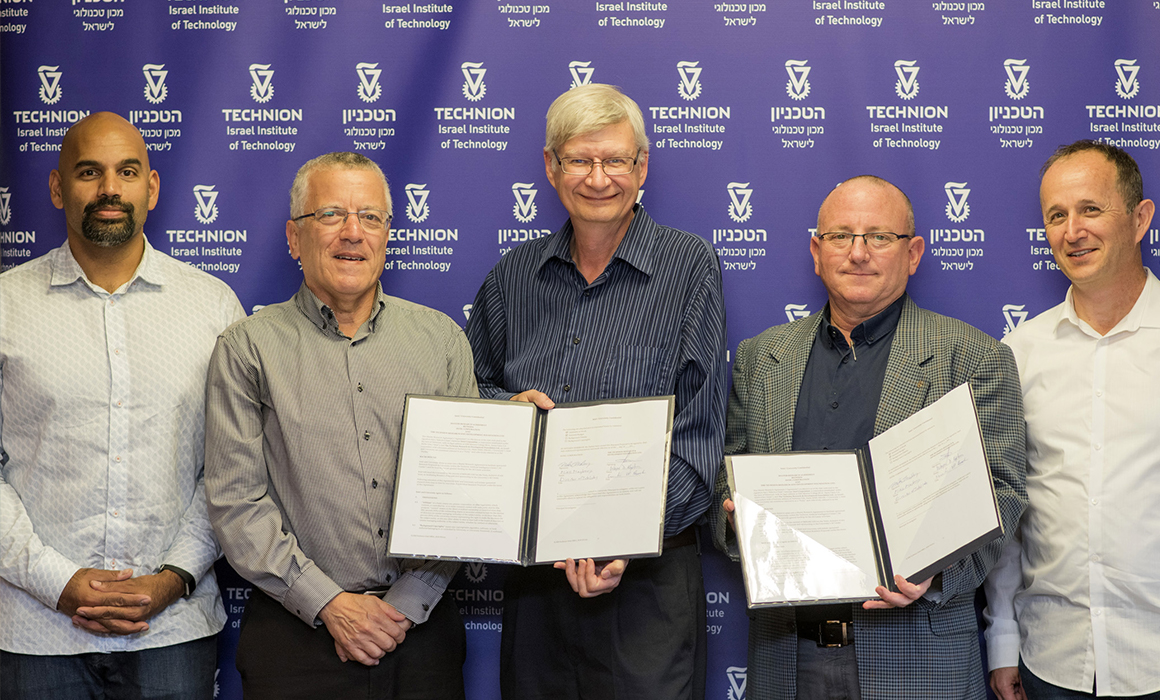
The Technion – Israel Institute of Technology and Intel Corporation opened a new chapter by launching the Center for Artificial Intelligence at Technion’s Haifa campus. The Technion is already Israel’s leading university in the field of AI — and one of the top 10 AI universities in the world. The new center will supercharge those efforts, advancing research in AI fields and promoting collaboration between Technion and Intel researchers. It will be led by Prof. Shie Mannor from the Technion’s Andrew and Erna Viterbi Faculty of Electrical Engineering. As part of this collaboration, Intel will bring together Technion faculty and…

Officials say that Australia’s most populous state, New South Wales, is now entirely in drought. California’s droughts carry a massive price tag, including the state’s recent investment of $2.5 billion in dams and underground storage projects. NASA has just revealed that a single season of drought in the Amazon rainforest can decrease the forest’s carbon dioxide absorption for years after rainwater returns. To address similar grave and growing challenges, the Technion is advancing the most innovative and impactful solutions in the field of water innovation. The University’s faculty, students and alumni – known globally for their unique propensity for out-of-the…
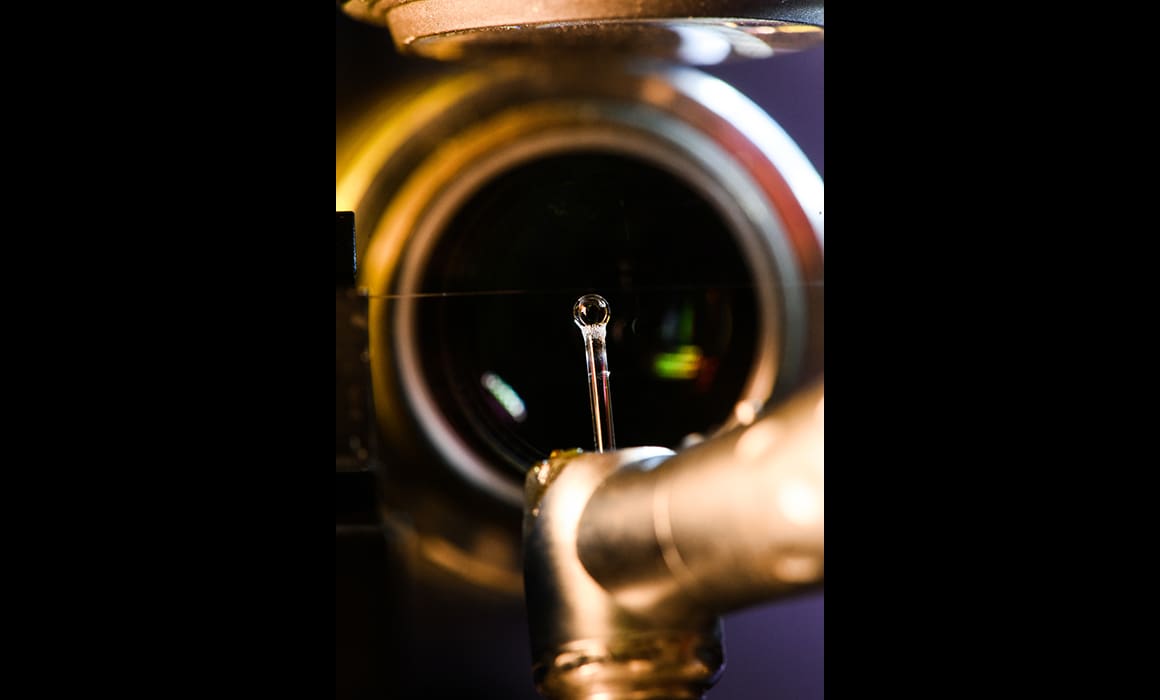
Technion researchers have constructed a first-of-its-kind optic isolator: the first photonic device in which light advancing in opposite directions moves at different speeds. The isolator can isolate 99.6% of light — a requirement for quantum optics communication devices, high-powered lasers, and other applications. The new isolator is unique because it works well when light from both opposing directions is simultaneously perceived. It is also compatible with standard optical-fiber technology, can be scaled down, and does not change the color of the light. The isolator was developed by Professor Tal Carmon of the Faculty of Mechanical Engineering and his team and…

In the current era of social entrepreneurship, leading philanthropists and foundations seek to maximize their return on investment for every single gift and grant. In that sense, the contemporary philanthropic sector is not all that different from the private/corporate space. Charitable causes must present a value proposition, not just a feel-good anecdote. To prove they deserve major philanthropic support, research universities are tasked with showing that they do more for society than simply grant degrees and transmit knowledge (which is critical work in and of itself!). They need to articulate their sense of mission, vision, identity, and purpose — and…