Why the Perfect Pitch is Your Biggest Mistake
September 23, 2026





















The Technion’s story has been intertwined with Israel’s for more than a century, from laying the foundations for a new nation to shaping its future.

Step inside Israeli innovation at the David and Janet Polak Visitors Center. Experience our 360° immersive movie and tech exhibition. Open to individuals and groups.
Learn More

Photo source / Israel Defense Forces, CC BY 2.0, via Wikimedia Commons Visiting Professor Brigadier General (Res.) Jacob Nagel heads the Center for Security Science and Technology and the Peter Munk Research Institute, teaching classes on R&D strategy, policy, and systems engineering. Prior to joining the Technion in 2017, he served as acting head of Israel’s National Security Council and as Prime Minister Benjamin Netanyahu’s national security advisor. Jennifer Frey (JF): Can you comment on the current and future state of Israel’s security? Jacob Nagel (JN): Israel’s overall strategic balance is very good. Why? We look around and we see…
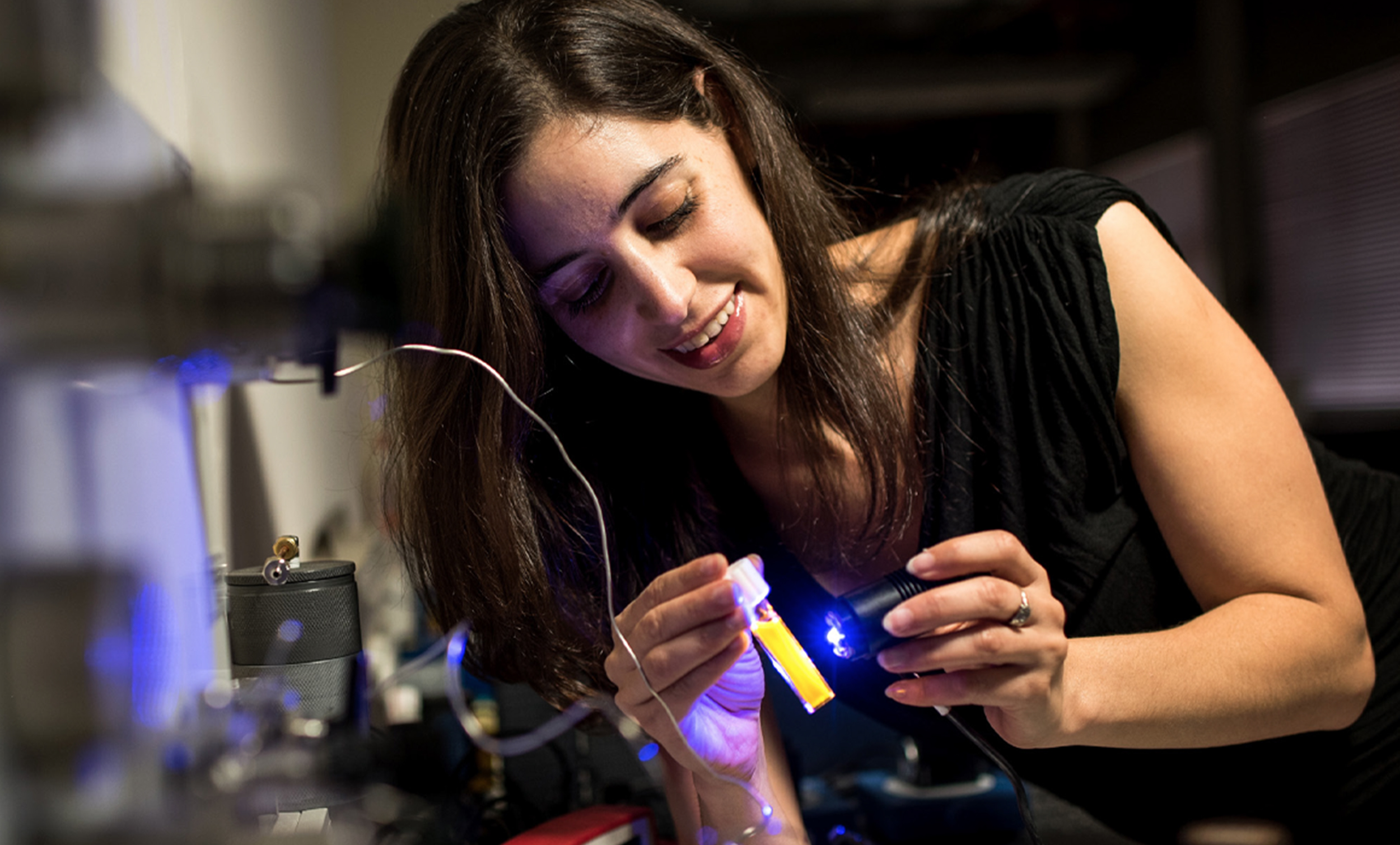
Scientists struggling to perfect an efficient new way to produce hydrogen might feel an understandable touch of envy as they look out the window and see all those low-tech trees and plants doing the trick with such ease. Hydrogen, the world’s most abundant element, has the highest energy per mass of any fuel. As such, it holds exciting potential as an emissions-free energy carrier. Small hydrogen fuel cells can power laptop computers and cellphones, while large fuel cells can provide electricity to power buildings. Hydrogen-powered electric cars, in their infancy, are far more efficient than traditional vehicles. Today’s challenge is…
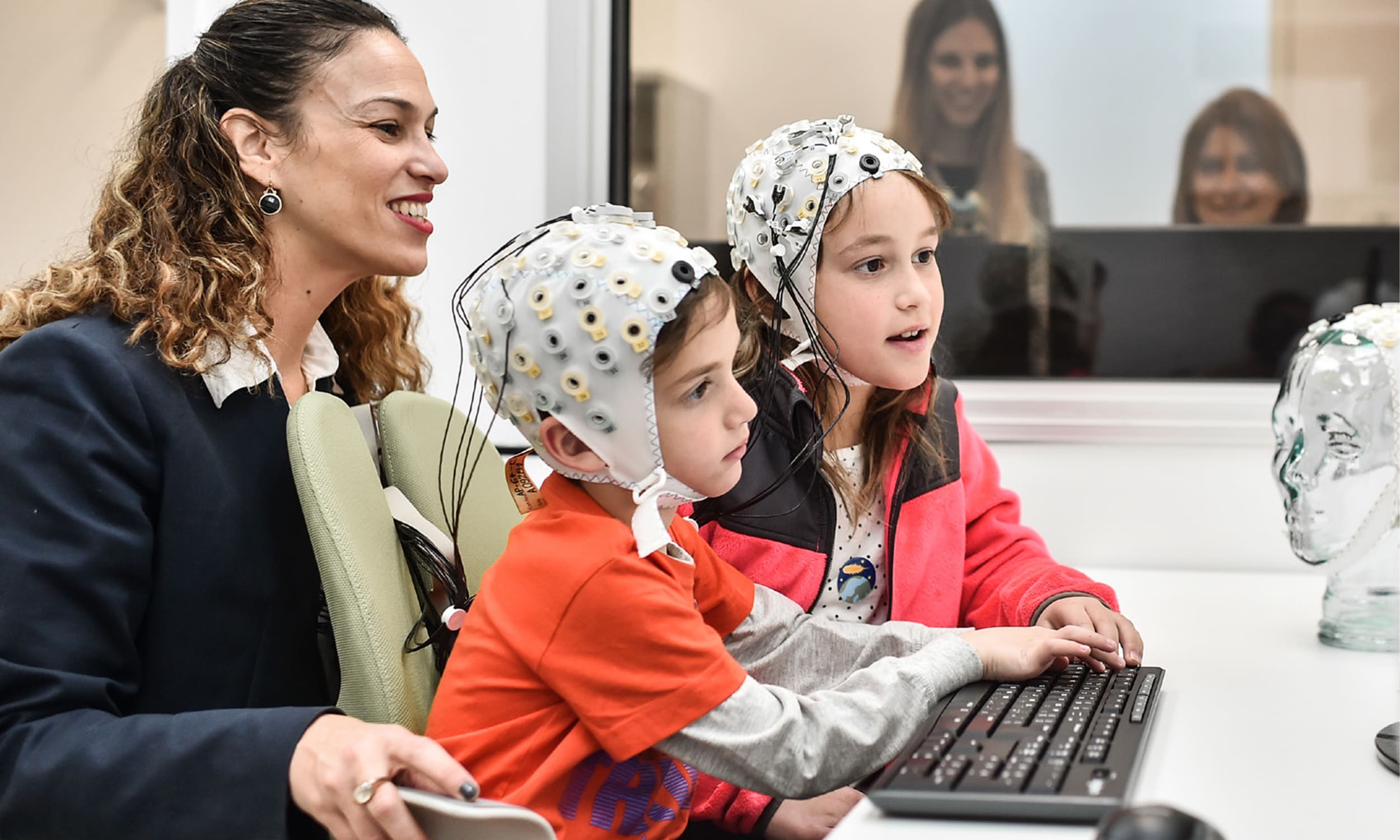
With Assistant Professor Tzipi Horowitz-Kraus Assistant Professor Tzipi Horowitz-Kraus’ lab is equipped with a state-of-the-art electroencephalogram (EEG) and a waiting room strewn with dolls, crayons, and toys. The toys make young children feel comfortable; the EEG assesses whether those same kids are bound for reading difficulties. “Reading is not a normal activity for us humans,” says Prof. Horowitz-Kraus, director of the Educational Neuroimaging Center in the Technion Faculties of Education in Science and Technology, and Biomedical Engineering. “When you don’t have any problems with it, you think it’s super easy and you can capture it in the snap of a…
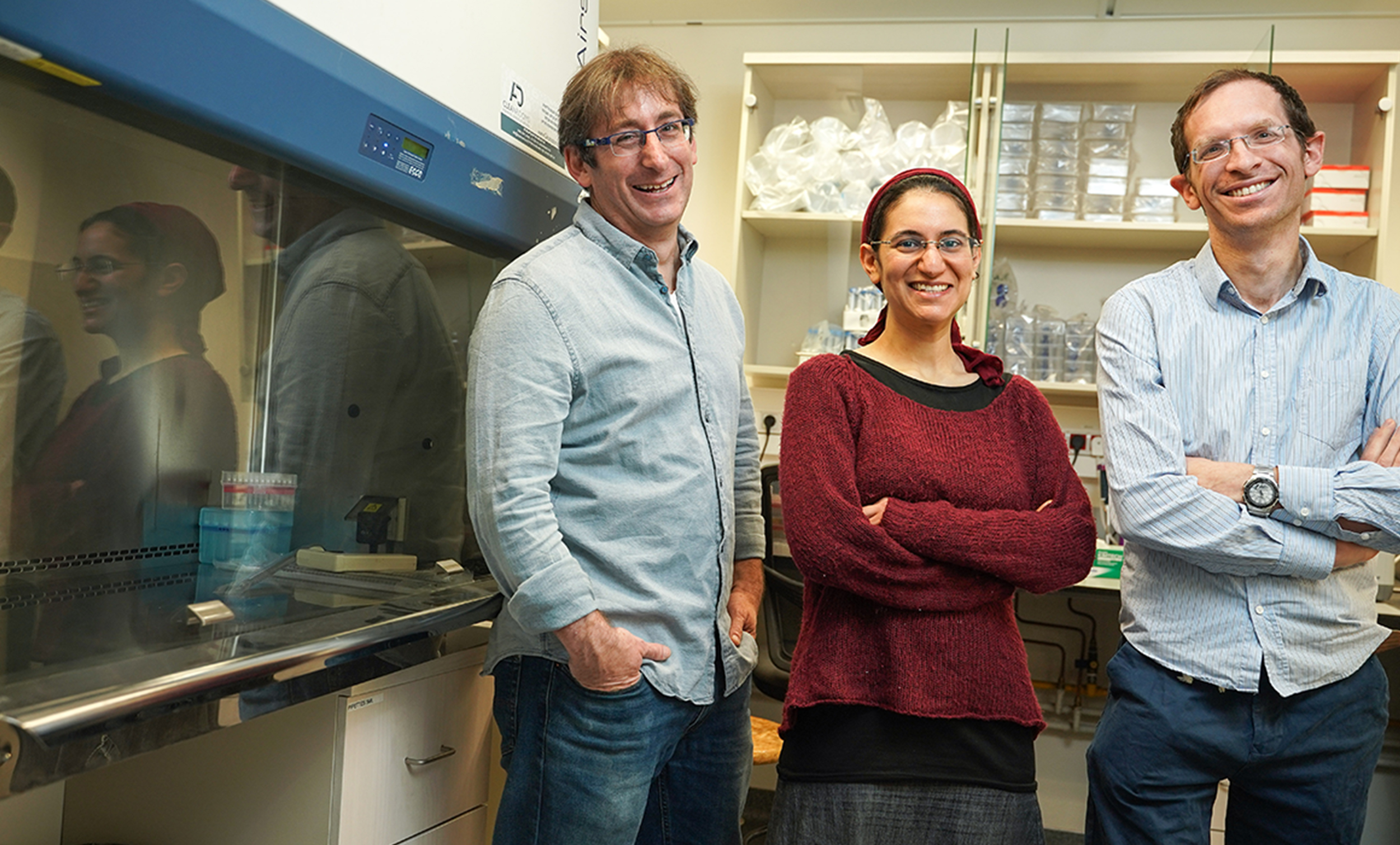
Attracting and retaining talent in this competitive, global environment is challenging. Making faculty recruitment a top priority, President Peretz Lavie has offered startup packages to help young professors equip their labs and defray relocation costs. American Technion Society donors have funded faculty initiatives like the Taub Leaders in Science and Technology Program, Zuckerman STEM Leadership Program, First Steps Program, and Career Advancement Chairs. As a result, more than 200 new faculty came on board during President Lavie’s tenure, many from postdoctoral positions at top universities. The Technion has set the ambitious goal of 600 faculty members by 2020, an initiative…

MyFavorEats, an innovative platform designed by Technion alumna Orly Rapaport, will find, sort, and personalize recipes to meet your dietary restrictions. “I’m a home cook as well as a software engineer,” Rapaport explains. “I recognized the need for a tool that would help tweak recipes to individual dietary needs and tastes.” The experienced tech exec says her artificial-intelligence solution combines a chef’s savvy, nutritionist’s knowledge, and personal shopper’s determination to find just the right ingredients to fit your taste preferences and health conditions, such as pregnancy, diabetes, or high blood pressure.

Crickets, algae, and plant-based “meat” cranked out by a 3D printer? “Mouthwatering” may not be the adjective that comes to mind, but these nutrient-rich items could present a global solution to an impending food crisis. One in 10 people around the world experience chronic hunger, according to a United Nations report. Countless others suffer from an imbalanced diet, and things are expected to only get worse. Experts predict that the world’s population will reach nearly 10 billion by 2050. Climate change, urbanization, and soil degradation will shrink the availability of fertile land. And high-protein food such as meat and poultry…

Under the auspices of the Nancy and Stephen Grand Technion Energy program, Technion researchers have developed an innovative, clean, inexpensive, and safe technology for producing hydrogen. The technology significantly improves the efficiency of hydrogen production, from approximately 75% using current methods to an unprecedented 98.7% energy efficiency. The Need for Hydrogen Approximately 65 million tons of hydrogen are produced worldwide each year — the equivalent of roughly 2,600 terawatts per hour (TWh). For context, one terawatt hour could simultaneously power about 10 billion 100-watt light bulbs for an hour. However, approximately half of the hydrogen produced today is used to…

Associate Professor Meytal Landau, doctoral student Nir Salinas, and a research team from the Technion Faculty of Biology may have found a way to make salmonella bacterial infections less aggressive. The discovery could lead to the development of innovative treatments to inhibit antibiotic-resistant bacteria. Years of Research Lead to a Big Discovery In 2017, Prof. Landau’s team discovered that Staphylococcus aureus — an especially virulent bacterium that attacks the T cells of the immune system — does so in part by releasing toxic fibrils. Then, in 2018, Salinas and his team discovered that proteins from the same family as those…

What if the treatment for your cancer was as unique as you are? That’s the promise of a new technology developed at the Technion by doctoral students Gil Shamai and Ron Slossberg and Professor Ron Kimmel of the Technion Faculty of Computer Science, in collaboration with Dr. Yoav Binenbaum of Ichilov Hospital and Professor Ziv Gil of Rambam Medical Center. The deep learning–based method for mapping critical receptors on cancer cells is expected to lead to better, more personalized cancer treatment. The technology extracts molecular information from digital biopsy images that underwent hematoxylin and eosin (H&E) staining. H&E staining allows…

Researchers from the Technion – Israel Institute of Technology and Tel Aviv University, in collaboration with the Israel National Cyber Directorate, have managed to take control of a Siemens PLC, considered to be one of the safest controllers in the world. The attack was led by Professor Eli Biham, the head of the Hiroshi Fujiwara Cyber Security Research Center at the Technion, Dr. Sara Bitan from the Technion’s Faculty of Computer Science, and Professor Avishai Wool of the School of Electrical Engineering at Tel Aviv University, together with students Aviad Carmel, Alon Dankner, and Uriel Malin. As part of the…
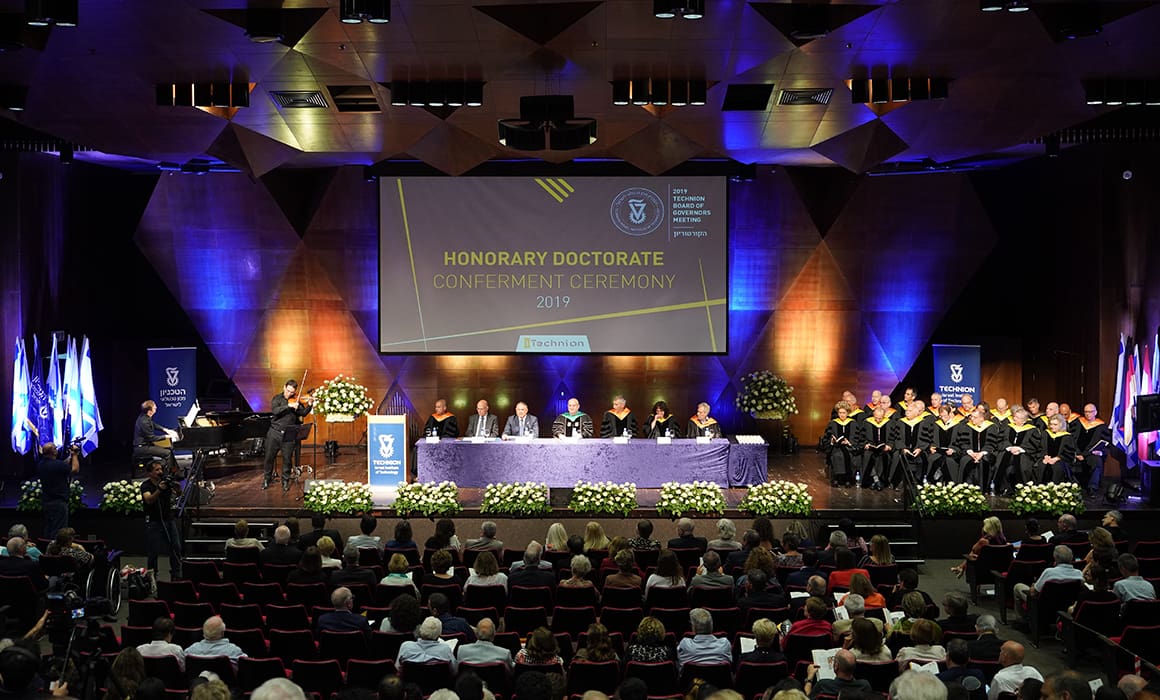
iTechnion: identify, invent, and inspire was the theme of the recent Board of Governors (BOG) meeting. And there was plenty of “i” to go around! Identified for their commitment and generosity to the Technion, several supporters were awarded honorary degrees. Faculty members were recognized for their ingenious inventions. And the five-day event, from June 15–19, offered inspiring discussions on topics ranging from STEM education to the future of Israeli high-tech. The BOG is always an international ingathering, but this year’s meeting was especially important for the American Technion Society. Detroit leader Larry Jackier completed his 12th and final year as…
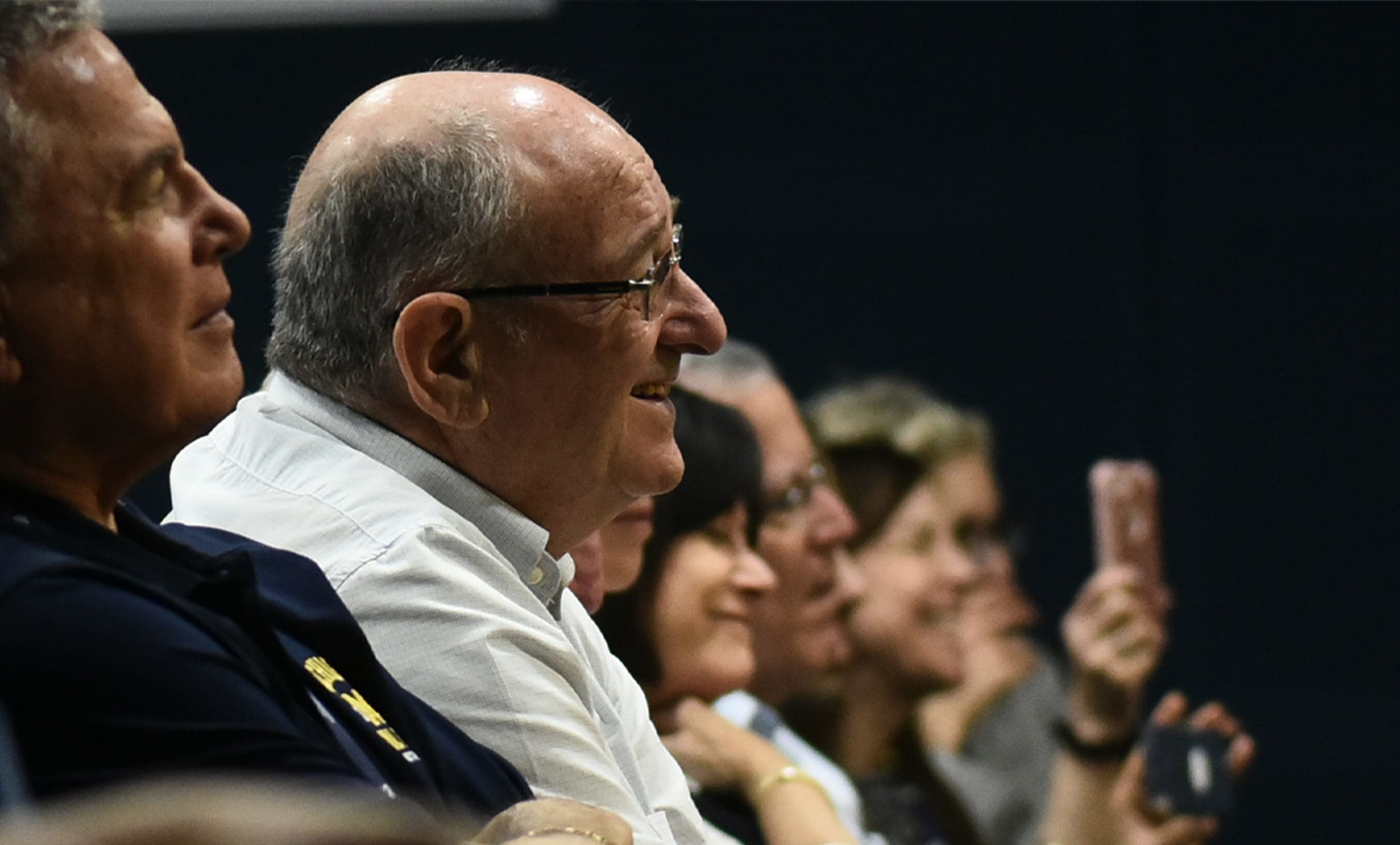
Technion President Peretz Lavie shaped the university for a decade using his signature wisdom, grace, and humor to accomplish big goals. With his tenure coming to an end, American Technion Society’s CEO, Michael Waxman-Lenz, sat down with him to reflect on the past and look forward to the future. Michael Waxman-Lenz (MWL): What was your top priority when you started as president? And how did priorities change? Professor Peretz Lavie (PL): The number-one priority when I started was recruitment of faculty members. Baby boomers were retiring — in Israel, there’s a retirement age of 68. I knew that in order…