Why the Perfect Pitch is Your Biggest Mistake
September 23, 2026





















The Technion’s story has been intertwined with Israel’s for more than a century, from laying the foundations for a new nation to shaping its future.

Step inside Israeli innovation at the David and Janet Polak Visitors Center. Experience our 360° immersive movie and tech exhibition. Open to individuals and groups.
Learn More
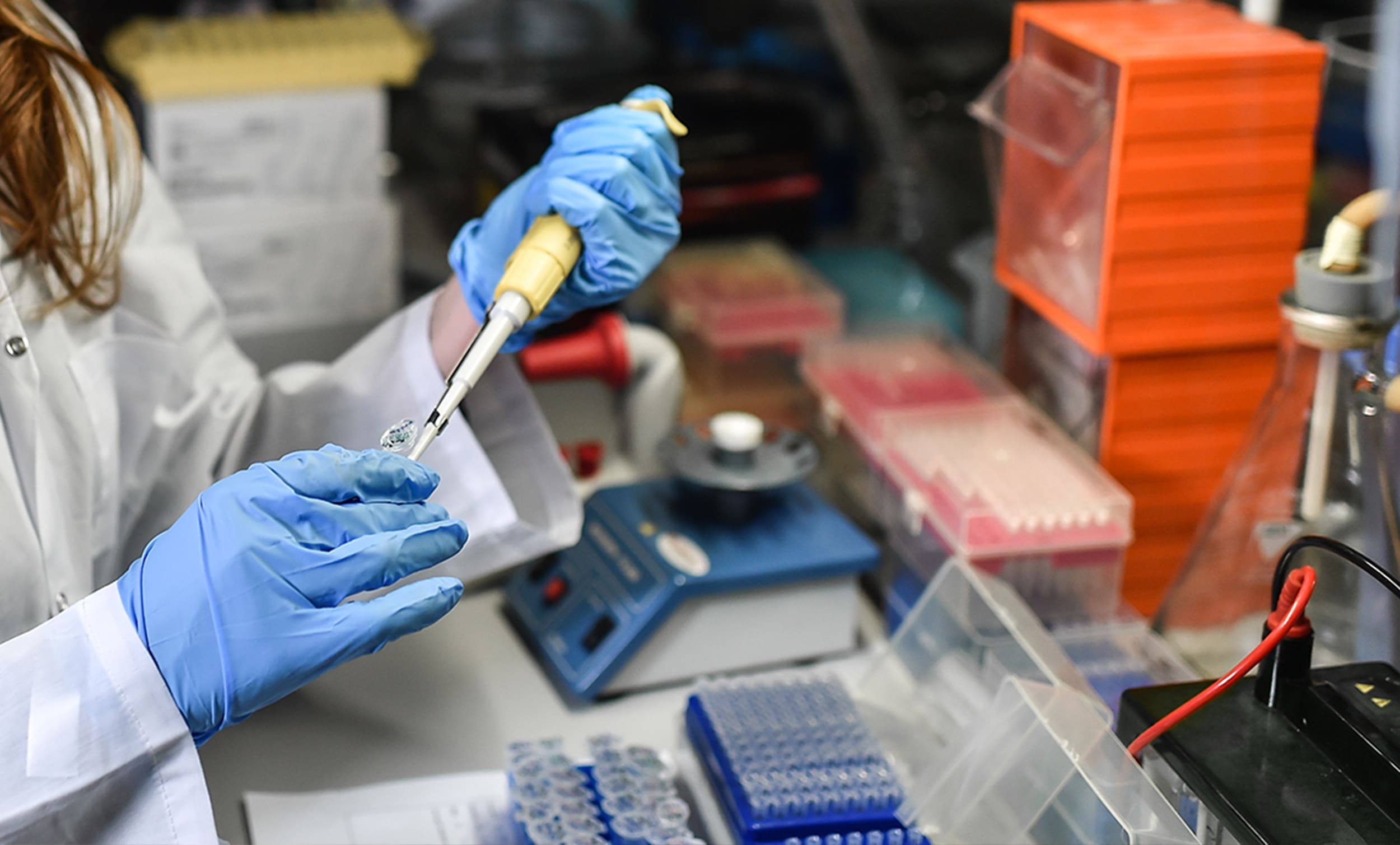
Research by Professor Yuval Shaked of the Technion presents new ways to curb the development of anti-cancer therapy resistance, a phenomenon that is detrimental to the efficacy of existing cancer treatments. His research was recently summarized in a published article in Nature Reviews Cancer. Anti-cancer therapy resistance: A devastating challenge Although the initial cancer treatment phase is often successful, many patients become resistant to anti-cancer therapies, characterized by tumor relapse and/or spread. The majority of studies have so far focused on investigating the basis of resistance as a result of tumor-related changes. But over the last decade, Prof. Shaked and…
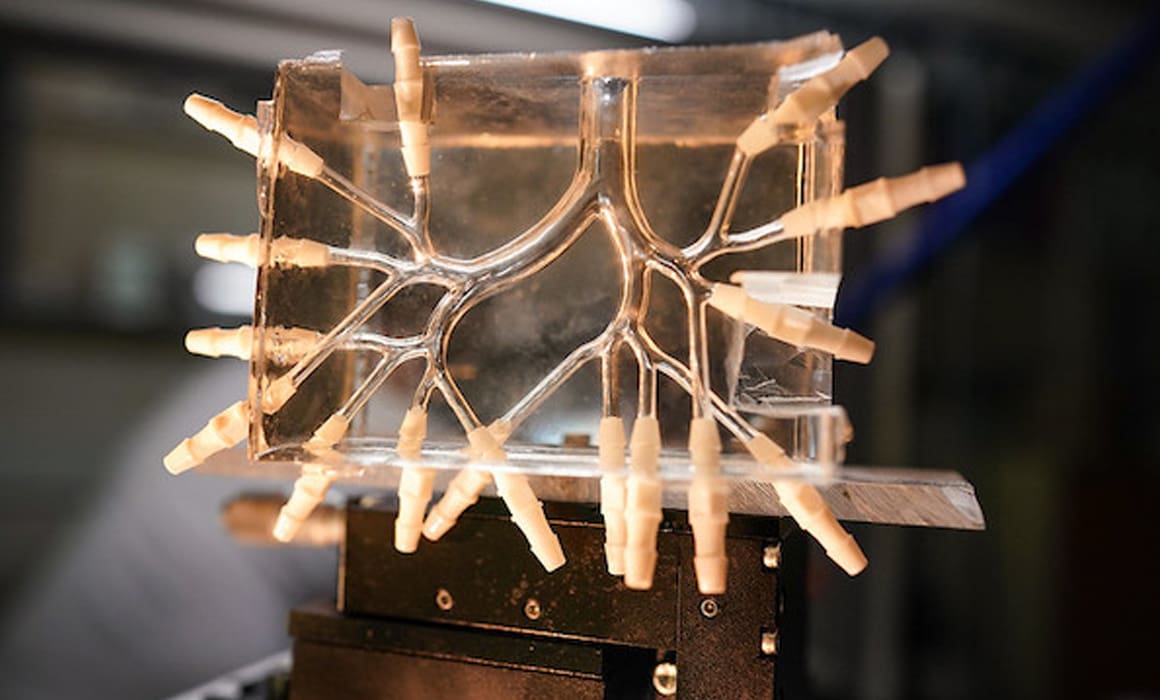
A new artificial model of premature infants will make possible experiments that are expected to reduce injury to infants on respirators. The model may also be beneficial in helping patients infected by COVID-19. The study, published in the Journal of the Royal Society Interface, was conducted by doctoral student Eliram Nof and Professor Josué Sznitman of the Technion Faculty of Biomedical Engineering, in collaboration with Professor Dan Waisman, director of the Newborn Unit at the Carmel Medical Center. More than 10% of babies worldwide are born prematurely. Premature babies are subject to many respiratory issues, as the respiratory system only…

Researchers at the Technion have developed a prototype system for efficient and safe production of hydrogen using only solar energy. Their findings were recently published in the journal Joule. Hydrogen: The building block of a greener future Hydrogen is a highly sought-after material in many areas of our lives. Most of the hydrogen generated today is used to make ammonia for the production of fertilizers that are essential for modern agriculture. Hydrogen is also a leading alternative fuel source, particularly for automotives, because: it can be generated from water using green energy such as solar energy, reducing dependence on mineral…
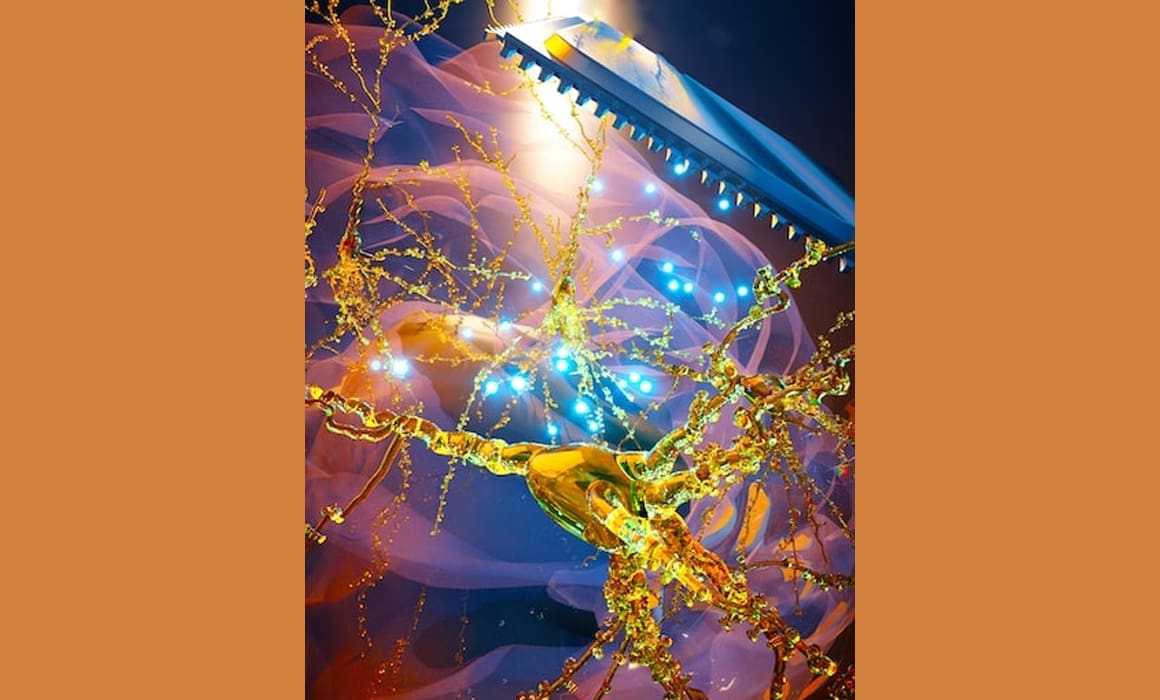
It’s been called the “21st century plague,” a “gray epidemic” attacking our loved ones. It’s Alzheimer’s disease, the most common form of dementia, and its prevalence is growing as life expectancies are increasing. The Gray Epidemic We understand the major cause of Alzheimer’s: an accumulation of the protein amyloid beta (Aβ) in brain tissues. The excess amyloid beta protein kills neurons, or nerve cells, in the brain. The result includes memory loss, speech impairments, orientation problems, and significant impairment of motor functions. But for a disease that is devastatingly common — more than 30% of people over the age of…

Most were wowed by the city that never sleeps. Others stressed over the urban bustle. Whatever their impressions were of the Big Apple, the bigger takeaway for Technion students who spent the summer interning at the Joan and Irwin Jacobs Technion–Cornell Institute at Cornell Tech was admiration for the high-level digital-age research, and a feeling of continuity between the two campuses. “I’m very proud that there’s a new campus of the Technion in New York,” said Inbar Fourier, a Jacobs intern and Technion student from the Faculty of Industrial Engineering and Management. “I think it’s very important for both communities…
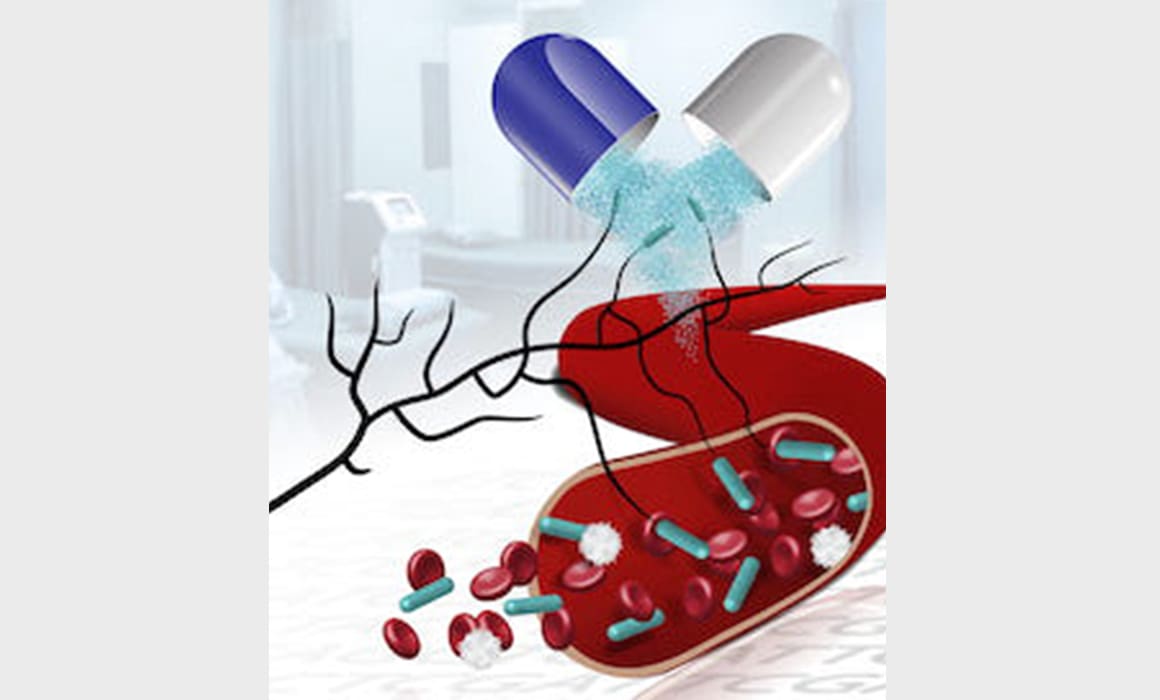
Administering probiotics is a common practice during medical treatments. Probiotics have been an essential tool in preventing diarrhea and intestinal diseases and in preventing pneumonia, pancreatitis, and sepsis for inpatient treatment. But new research from scientists at the Technion – Israel Institute of Technology and Boston Children’s Hospital shows a link between probiotic consumption and blood infections. The study, by Technion scientists Professor Roy Kishony and Dr. Idan Yelin and research groups led by Professors Gregory Priebe and Thomas Sandora from Boston Children’s Hospital, looked at 5 1/2 years of patient data from Boston Children’s Hospital’s Intensive Care Unit. During…

After decades of running a successful antique and estate jewelry business, American Technion Society (ATS) donor Rosalyn August discovered a passion for “gems” of another sort. In 2015, she dipped into her hard-earned profits to launch the Rosalyn August Girls Empowerment Mission (GEM) at the Technion — an initiative aimed at attracting more women to science and engineering. “I’m paying it forward,” Rosalyn said. “Making it possible for these girls to go to the Technion and see what it’s all about. Then they become astrophysicists and go on and change the world.” Women remain underrepresented in many areas of engineering…
Cities aren’t siloed — and thanks to a new program at the Joan and Irwin Jacobs Technion-Cornell Institute, urban technology education won’t be either. The pioneering new Urban Tech Hub is an academic concentration aimed at making cities more livable, adaptable, and connected. Students will be able to pursue studies in emerging sectors such as intelligent buildings and infrastructure, urban community technology, and real estate/proptech and construction. An Innovative Approach With the Jacobs Technion-Cornell Institute campus in the heart of New York City, it was only natural to offer an academic concentration that addressed the complex and pressing real-world challenges…
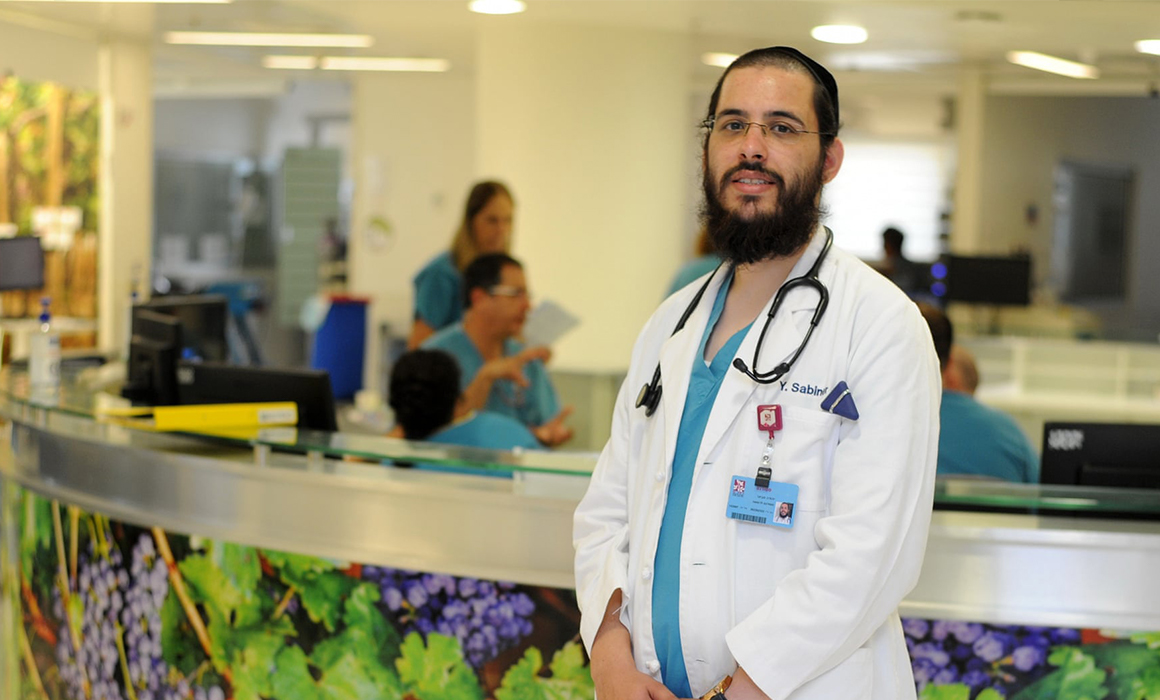
Dr. Yehuda Sabiner does not back down from a challenge. Growing up a Hasid with little formal education, Dr. Sabiner closed the achievement gap to gain admittance to Technion–Israel Institute of Technology’s Rappaport Faculty of Medicine. And when the opportunity arose to do a month-long rotation at the prestigious NewYork-Presbyterian/Weill Cornell Medical Center in Manhattan, he jumped at the chance. “I tried hard to get into this program,” said Dr. Sabiner, a 29-year-old father of three. “I had to interview, show my marks. And I got accepted into the student exchange program.” If Dr. Sabiner wondered whether his education in…
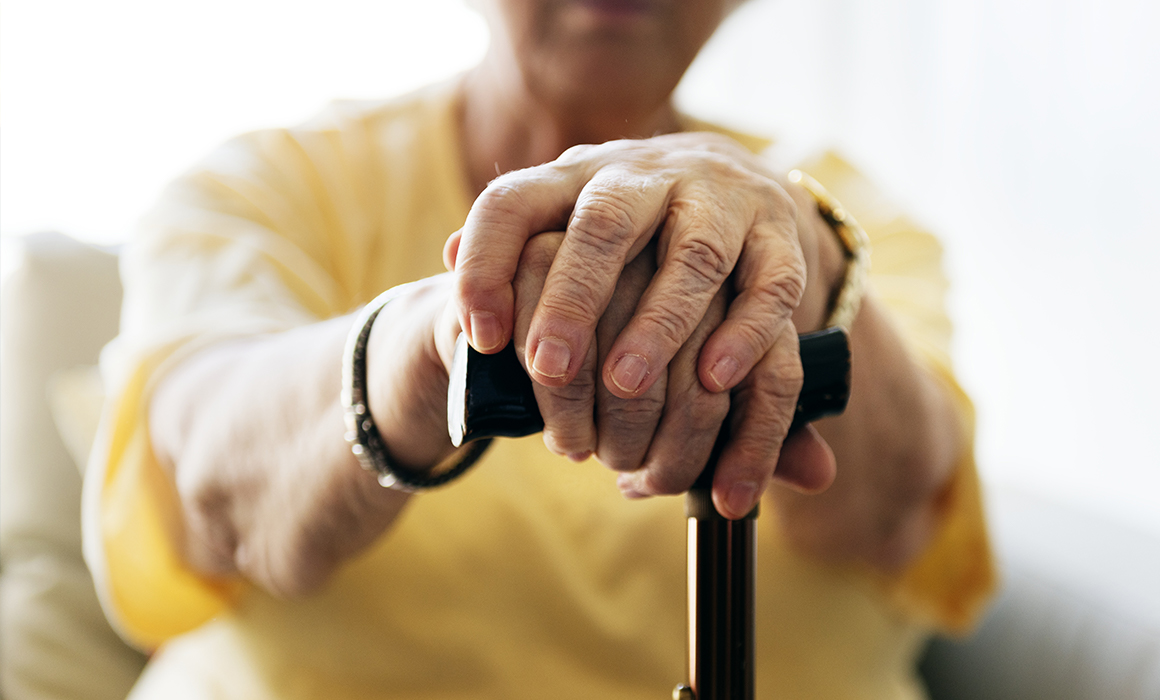
Falls are the leading cause of injury among the elderly, resulting in an estimated 800,000 hospitalizations and more than 27,000 deaths in American seniors every year. A serious fall can set off a devastating domino effect, leading to ongoing health effects, social isolation, and depression. Seated Exercise Technology Seated Exercise Technology (SET) could reduce age-related losses in muscle strength and balance while preventing falls. It was developed by a consortium of experts, including Professor Alon Wolf and Dr. Deborah Solomonow-Avnon at the Technion; scientists at Philips Research; researchers at RWTH Aachen University; and entrepreneurs and physicians at Mopair Technologies. SET…
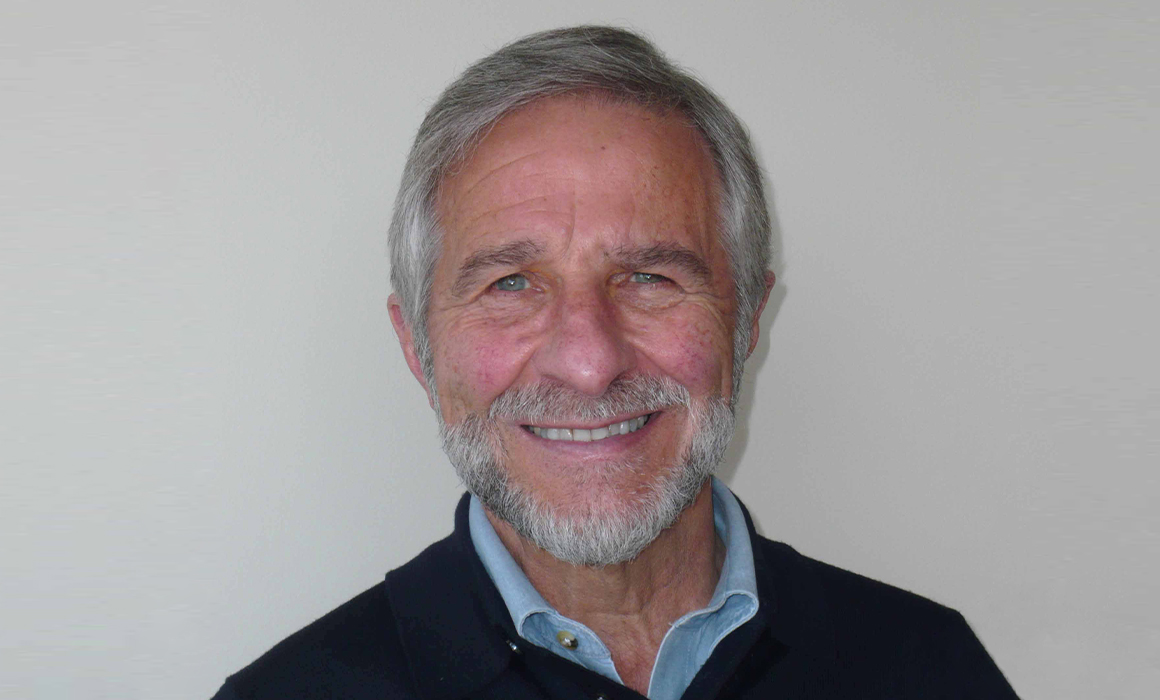
The first time George Elbaum spoke publicly about surviving the Holocaust was on Holocaust Remembrance Day in 2010, some 65 years after the defeat of Nazi Germany. He had kept an emotional distance from those memories until watching Paper Clips, a documentary film on how students in a small rural Tennessee school responded to lessons about the Holocaust. “The camera panned the audience and many of the students and teachers were crying,” he says. “For the first time in my life it occurred to me that my story has value.” Since that epiphany, he has penned two books, Neither Yesterdays…
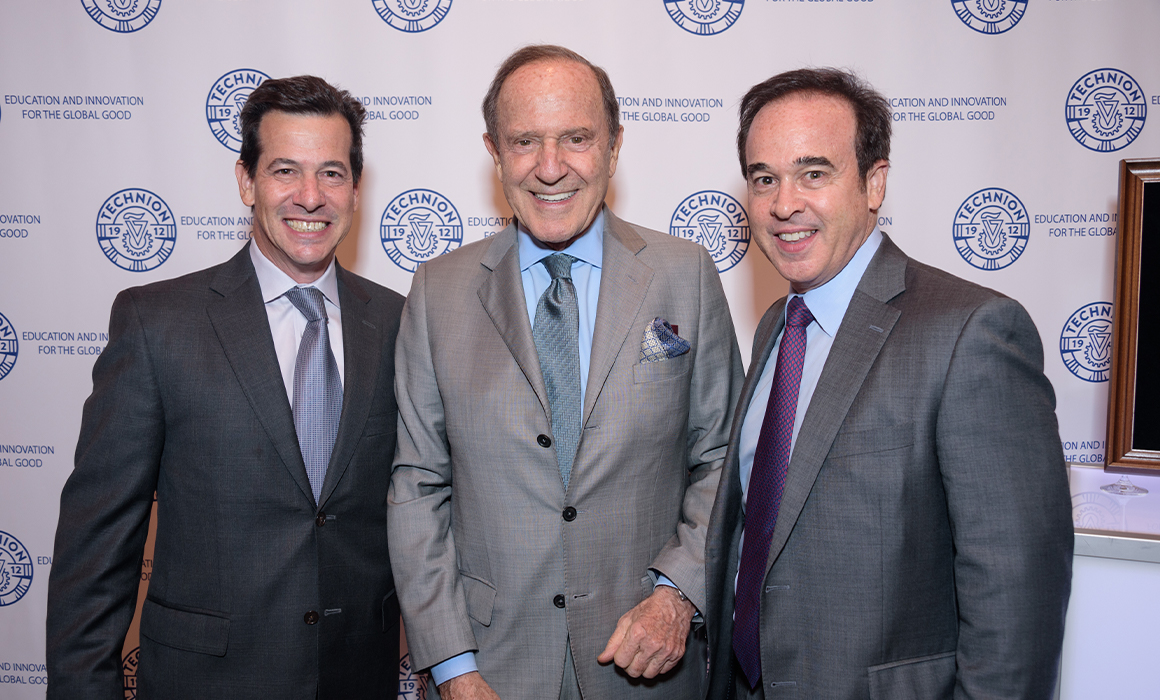
Artificial intelligence, the technology that is transforming medicine, thwarting cyberattacks, and even providing shopping recommendations, is set to take off at the Technion, thanks to generous supporters Eric and Jamie Gertler. Just months after the Technion inaugurated a center to promote the burgeoning field, the brothers, as trustees of the Zuckerman Institute, made a commitment to support a variety of innovative AI projects over the next four years. “Our gift is a launchpad to help the Technion get to where it wants to go in terms of AI,” says Jamie Gertler. The Technion’s new Center for Machine Learning and Intelligent…