Why the Perfect Pitch is Your Biggest Mistake
September 23, 2026



















The Technion’s story has been intertwined with Israel’s for more than a century, from laying the foundations for a new nation to shaping its future.

Step inside Israeli innovation at the David and Janet Polak Visitors Center. Experience our 360° immersive movie and tech exhibition. Open to individuals and groups.
Learn More

We’ve taken solace knowing it’s more difficult to become infected with COVID outdoors. But interactions with others indoors is a constant source of angst for many. An international team of researchers that includes Technion Professor Ido Kaminer has found that ultraviolet light can reduce the chances of transmitting the coronavirus indoors — key for our return to conventional activities such as working at the office, going to school, and even going to the movies. Moreover, the solution is fast, scalable, and affordable. Studies have shown that the virus primarily spreads through the air in droplets when an infected person coughs,…
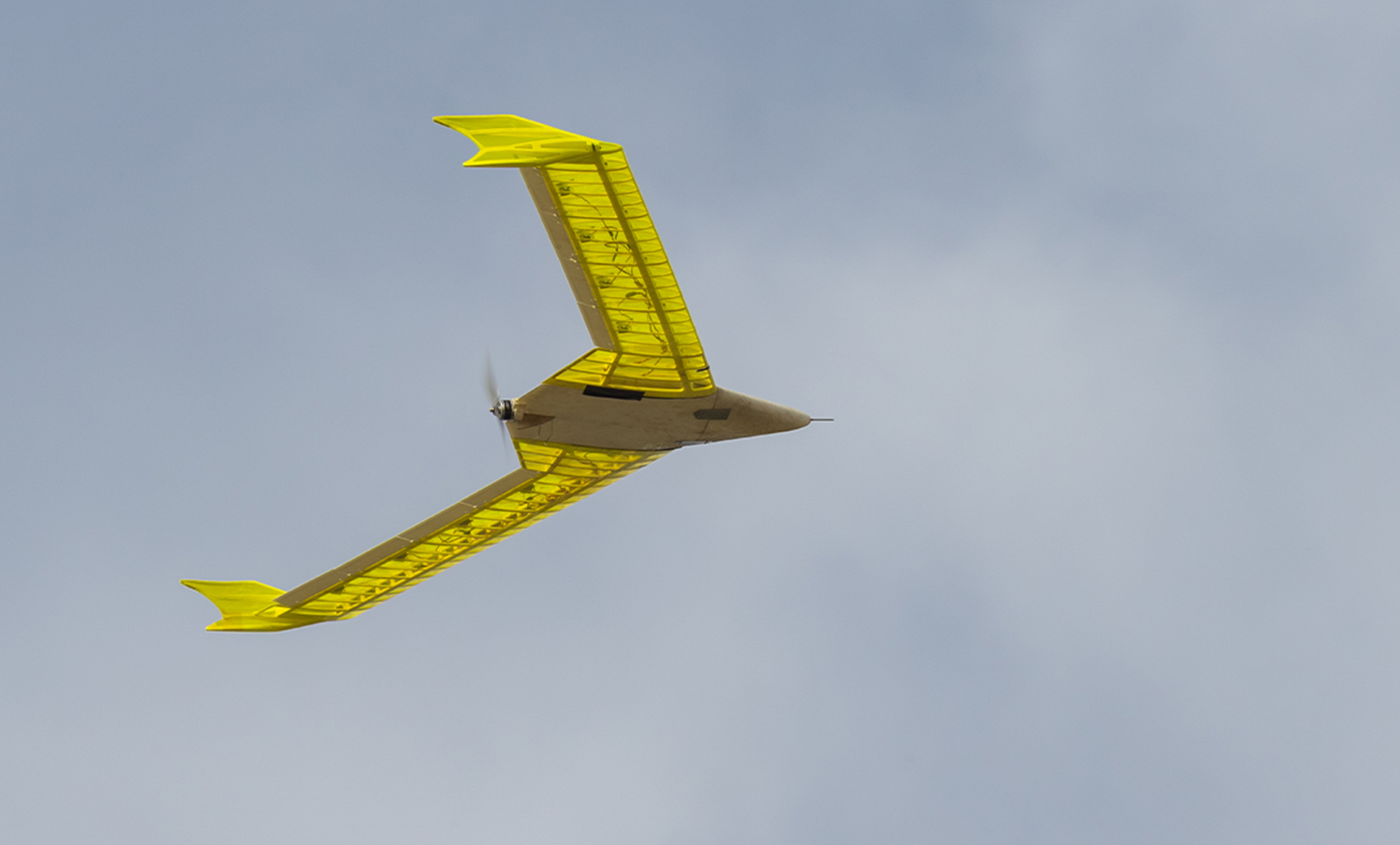
Aircraft technology has come a long way since Wilbur and Orville Wright’s Kitty Hawk. Technion students have now conducted their first test flight using aircraft printed entirely on a 3D printer. The unmanned A3TB, Active Aeroelastic Aircraft Testbed, which won the student competition in the Israel Annual Conference on Aerospace Sciences, will serve as a cost-effective, experimental platform for testing wing flexibility and future aircraft design. The research addresses the goal of designing aircraft that are lightweight and have a large wingspan, reducing the drag forces to cut consumption and pollution. But current methods often require complex, multidisciplinary R&D simulations…
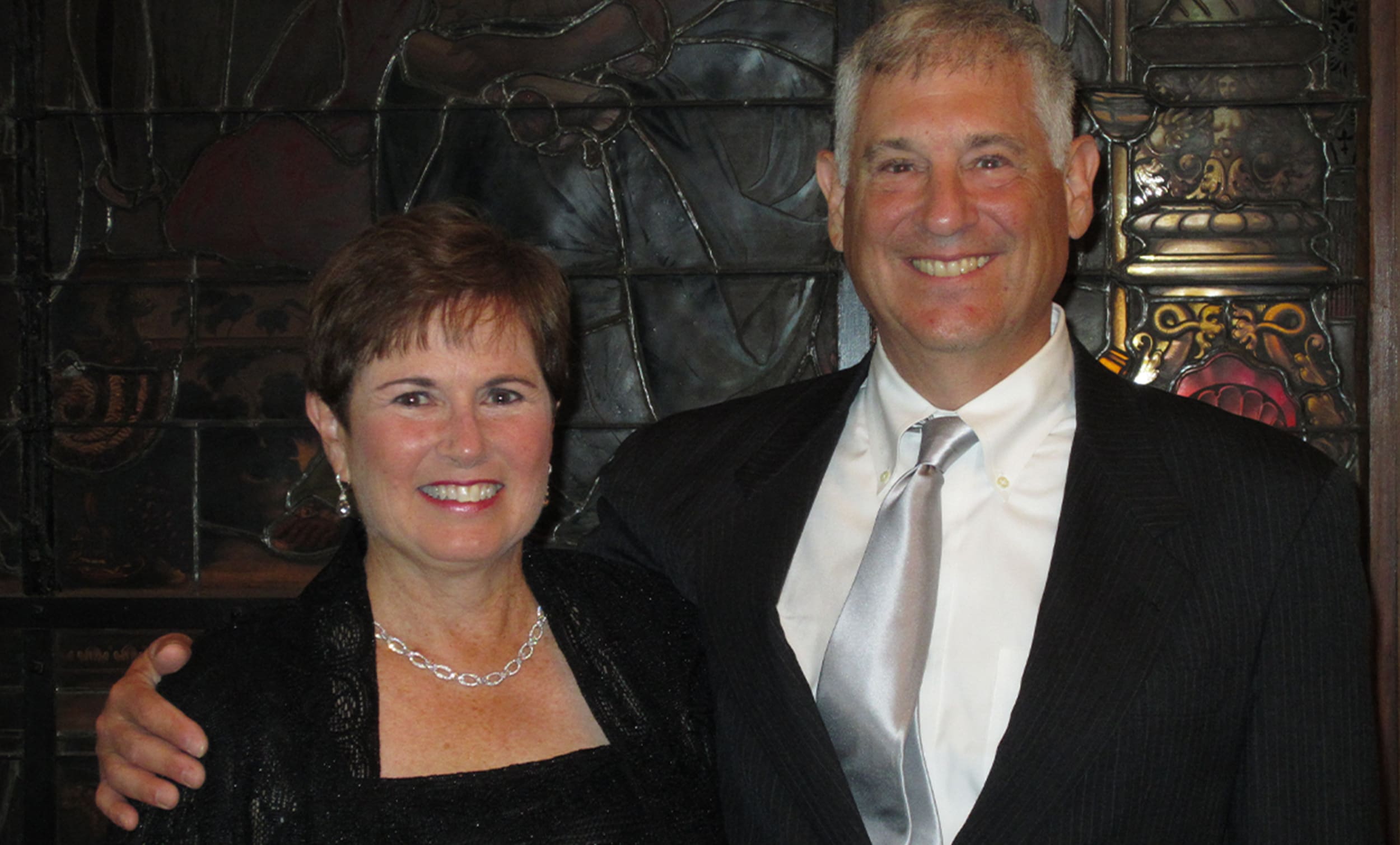
Jerold Jacover still remembers sitting at his desk in the early 1970s, after graduating Georgetown Law School and becoming a patent lawyer, thinking, “Okay, I’m making some money now, not much by today’s standards but a fortune to us then. How can I help Israel?” He was intrigued when he learned that the Technion considered building an aeronautics department even before Israel’s independence. “What vision!” thought Mr. Jacover, who graduated from the University of Wisconsin with a degree in electrical engineering. So, Mr. Jacover got involved with the American Technion Society (ATS), where he became the president of the Chicago…

Researchers are developing an innovative delivery system for medical cannabis that lengthens its therapeutic effects to months and targets specific conditions. The new method releases the cannabis slowly, marking a big advance over the current practice. Medical cannabis now is usually inhaled or taken orally. But that yields short-lived benefits because the entire amount enters the body at once. In the method devised by Technion researchers led by Professor Dedi Meiri, with scientists at Shenkar College of Engineering, Design, and Art, tiny polymer microbeads, called microdepots, are first loaded with phytocannabinoids, the naturally-occurring chemicals in cannabis. The microdepots are then…
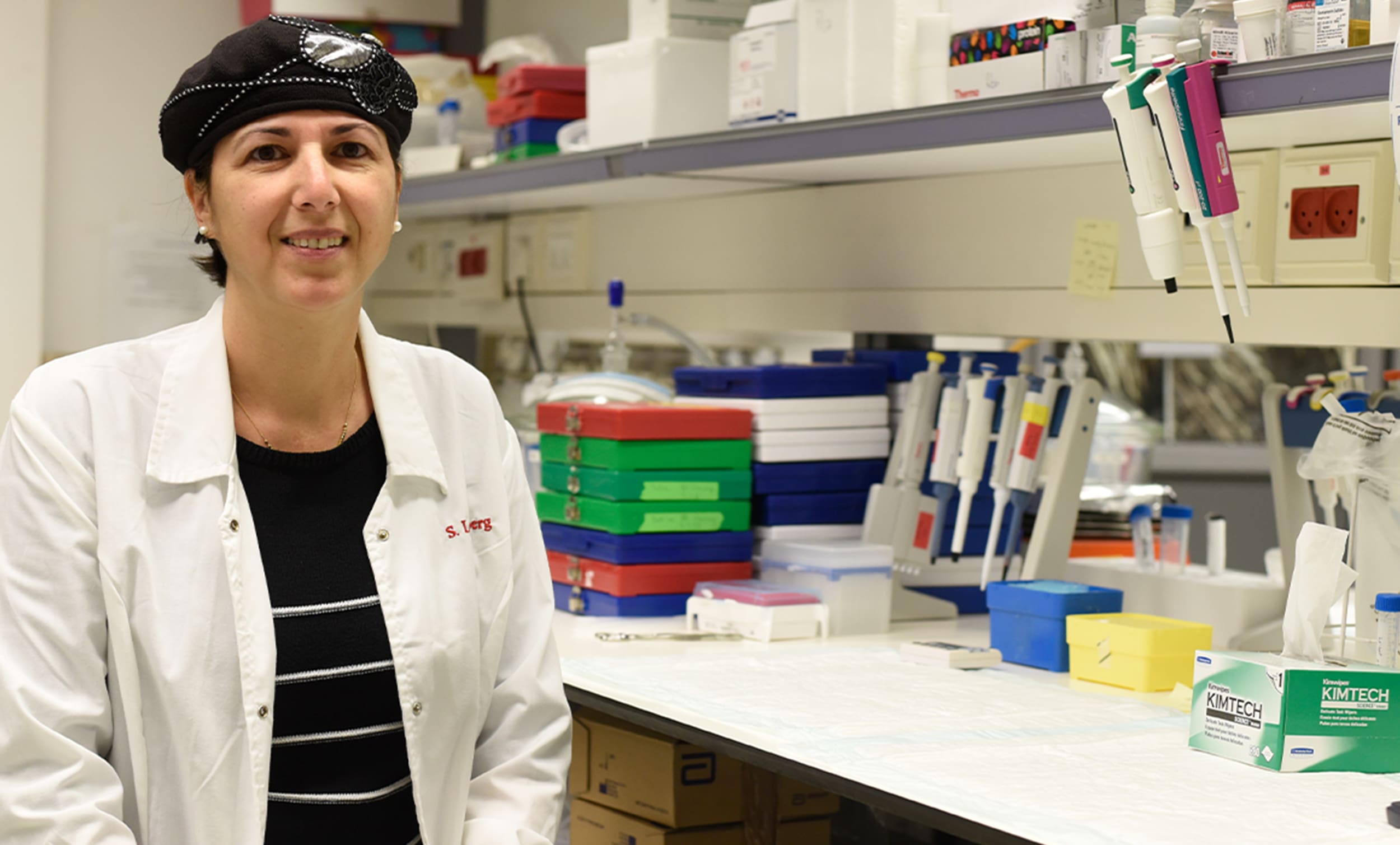
We’ve come to rely on antibiotics to treat everything from ear infections to pneumonia, but overuse and incorrectly prescribed antibiotics have led to a dangerous rise in drug-resistant bacteria. These “superbugs” are expected to kill 10 million people yearly by 2050, unless a solution is found. Nanosynex, started by two Technion alumnae, may have the answer. The company is bringing to market a diagnostic test kit that distinguishes between bacterial and viral infections and determines which bacteria in a patient’s body are resistant to which antibiotics — all in four hours. “Every minute counts when you’re dealing with resistant bacteria,”…
Antibiotics remain a powerful weapon against bacteria, but their overuse has led to the spread of dangerous antibiotic-resistant strains. Nearly 3 million antibiotic-resistant infections occur each year in the U.S., resulting in 35,000 deaths. Technion researchers are developing new methods to fight bacteria without encouraging antibiotic resistance. Associate Professor Meytal Landau and her team have discovered a novel way to combat bacteria like Salmonella by repurposing a class of drugs known as anti-amyloids, currently under development for slowing Alzheimer’s disease. Their approach inhibits the formation of bacterial biofilms, which are similar to the amyloid protein aggregates associated with Alzheimer’s. Because…
As a young physician in the early 1980s, Alfred M. (Al) was riveted by a presentation on sleep disorders. The speaker, Professor Peretz Lavie, would go on to become President of the Technion. But he was also inspired by the words of the American Technion Society (ATS) director hosting the event. “When you get involved with the ATS, you become part of our family,” he recalls him saying. “Maybe because I’m a survivor of the Holocaust, those words really appealed to me,” he said. Al rose to become Director of Pulmonary Medicine at a Washington, D.C. area Hospital, and President…
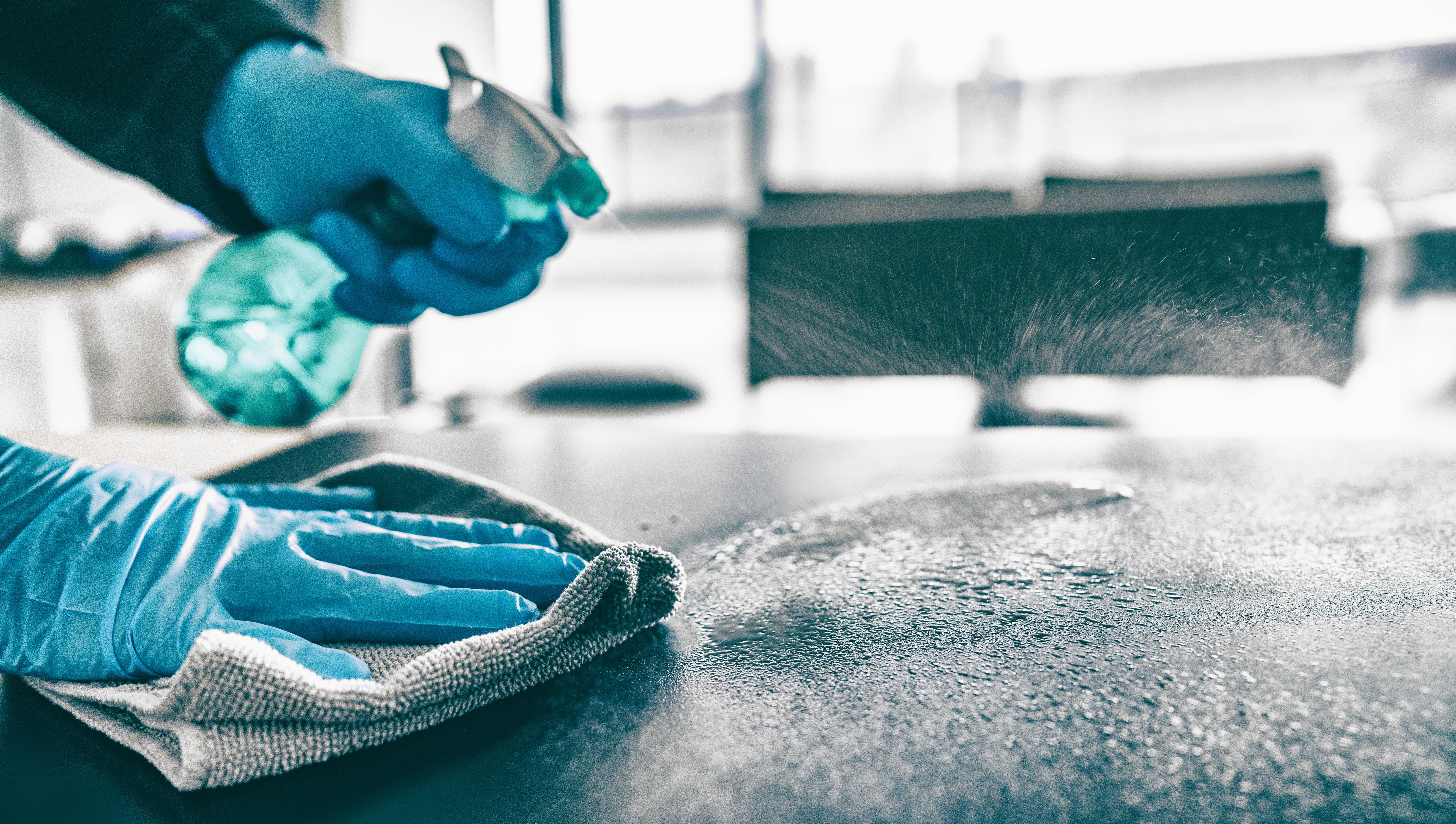
Technion Assistant Professor Shady Farah is developing disinfectants that destroy the coronavirus and remain effective over time on surfaces including floors, fabrics, and metals. With the coronavirus surviving for up to five days, a long-lasting disinfectant could be a game changer in safely opening schools, transportation systems, restaurants, and other public places. Existing bleach or chlorine-based disinfectants evaporate quickly or break down when exposed to sunlight. But Prof. Farah’s “smart” disinfectants release virus-busting agents in a controlled and continuous manner that block the cycle of recontamination and protect surfaces for months. At the same time, the new disinfectants impair the…

Four student startups, focused on everything from neuroprosthetics to a digital family organizer, were awarded up to $100,000 and co-working space to pursue their inventions. Their work represents the capstone of Cornell Tech’s Studio curriculum, in which student entrepreneurs in the Joan & Irwin Jacobs Technion-Cornell Institute and Cornell Tech develop solutions for real-world problems, culminating in startup prototypes. “I’m incredibly proud of this year’s Startup Awards winners, who will join our roster of companies that have gone on to make an impact in New York City and beyond,” said Thatcher Bell, head of Startup Studio at Cornell Tech. Startups…
No one really knows what the new normal post-pandemic will look like. But Israeli startup Sonarax is sure of one thing: many people will be wary of touching elevator buttons, ATM touchpads, and intercoms for a while to come. Employing technology developed by Roni Papo ’07, Sonarax is ready for the new touchless reality. The company is rolling out technology that uses soundwaves to transfer data between any two devices, provided each is equipped with a speaker and microphone. Users hold their phone near the access pad of an office building, for example, activate the app and the audio signals…
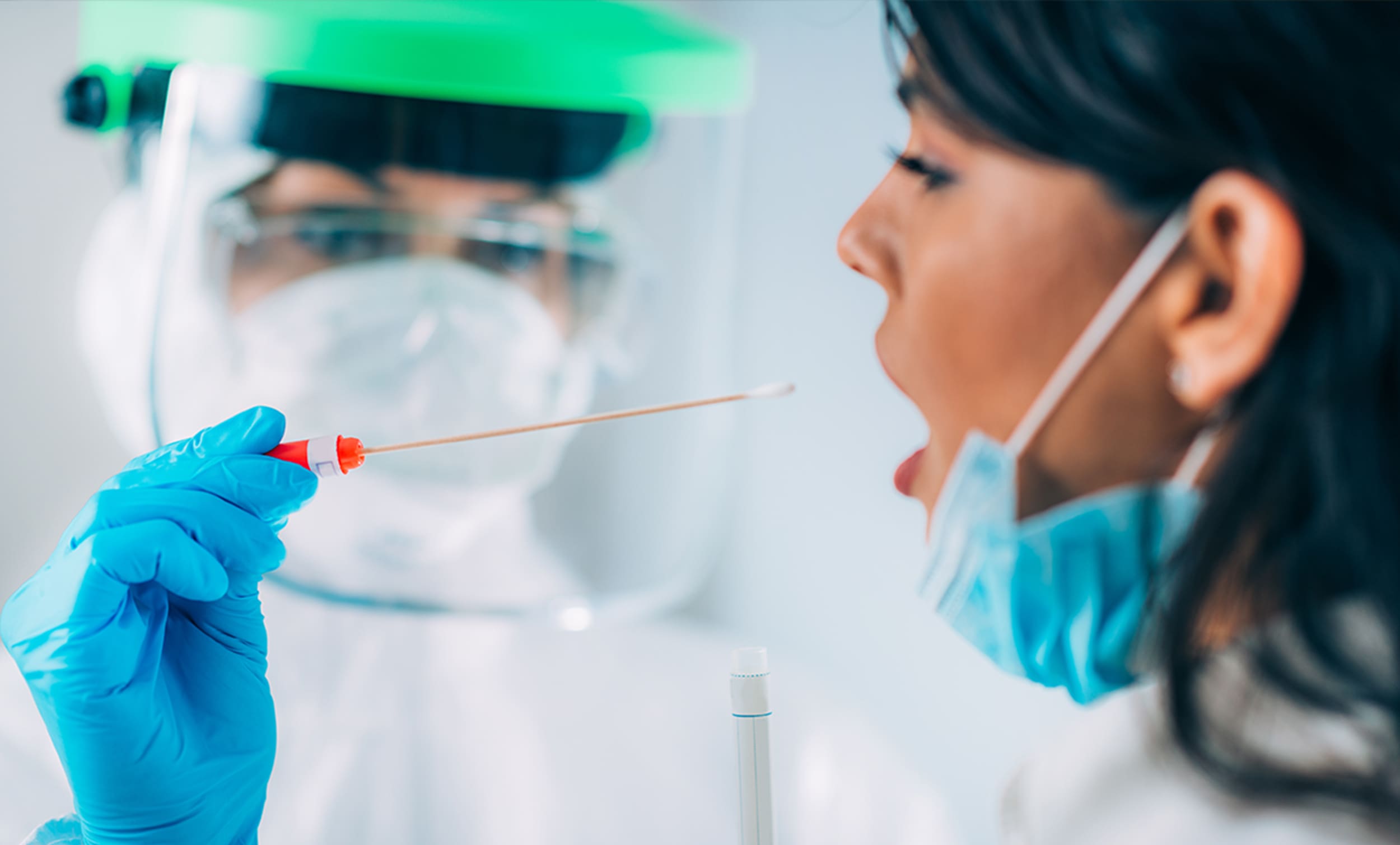
Technion Professor Moran Bercovici and his team are developing a test that could detect the coronavirus in five to 10 minutes. The ability to do so could be crucial to reopening society. Travelers entering an airport, for example, could be tested with a swab at check-in. Their results would be waiting at the gate, giving them the thumbs up or down to board the plane. Existing tests for COVID-19 work are processed in large, central laboratories and go through a multistep process that takes days to get the results. For the past six years, Prof. Bercovici and his researchers in…
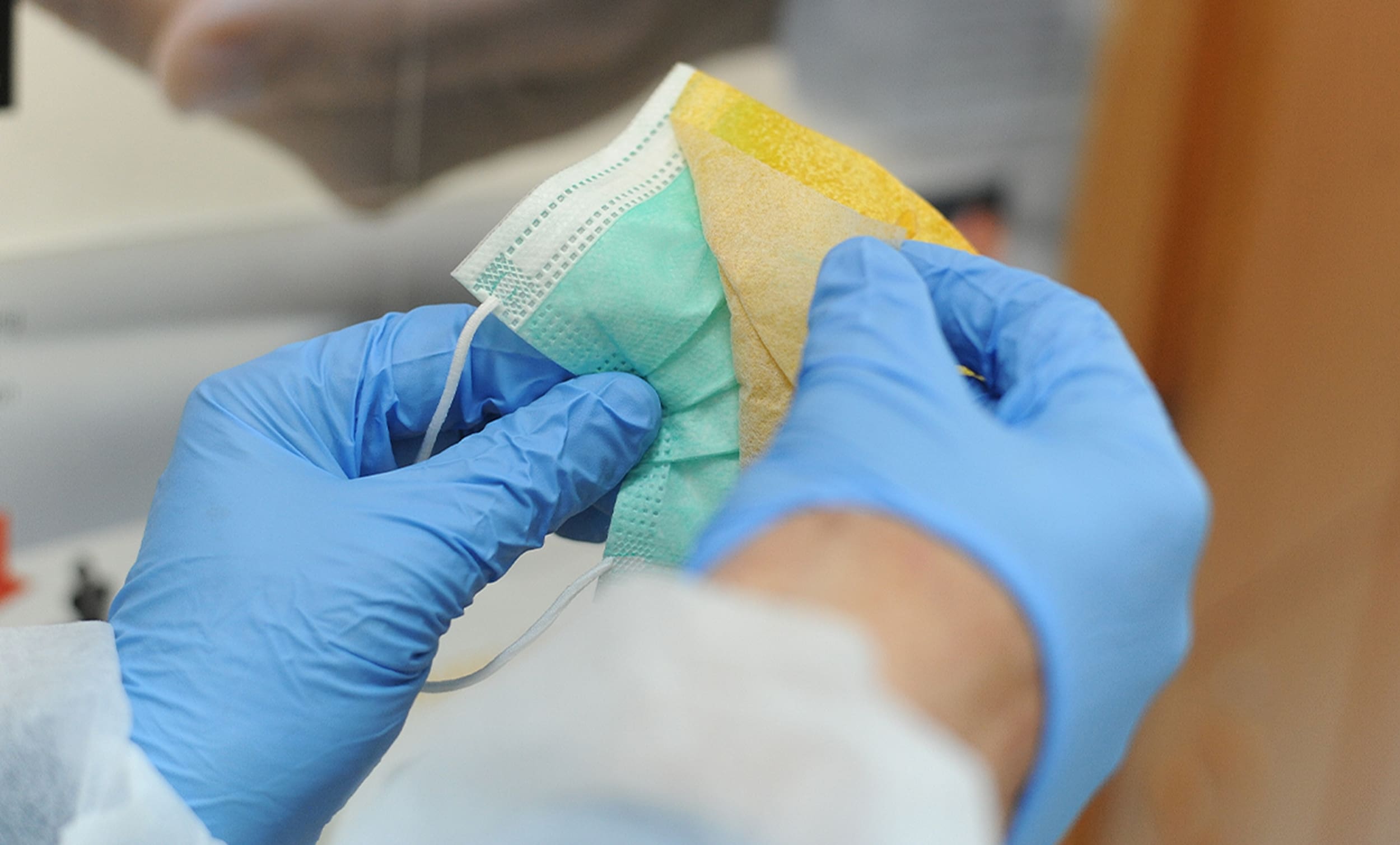
Technion Eyal Zussman of the Faculty of Mechanical Engineering has developed a sticker for surgical masks that could improve safety for health care workers in dire need of effective personal protective equipment. It may look simple, but the sticker contains sophisticated technology to combat COVID-19. While existing masks worn to treat COVID-19 patients provide a first line of defense, tiny droplets carrying the highly contagious virus can still get through and infect the medical staff. Dubbed “Maya,” the new protective sticker is manufactured using a 3D printer and covers the outside of ordinary surgical masks. The sticker contains a nanofiber-based…