Why the Perfect Pitch is Your Biggest Mistake
September 23, 2026





















The Technion’s story has been intertwined with Israel’s for more than a century, from laying the foundations for a new nation to shaping its future.

Step inside Israeli innovation at the David and Janet Polak Visitors Center. Experience our 360° immersive movie and tech exhibition. Open to individuals and groups.
Learn More

A few years ago, Israel started treating severely autistic children with medical marijuana. The results were startling. Many children slept peacefully throughout the night for the first time in their lives, made eye contact, or uttered their first words. Then suddenly, some children inexplicably demonstrated self-abusive and other regressive behaviors. What happened? It turned out that the cannabis grower changed greenhouses. Physicians thought they were prescribing the same medicine, but the new plant was as different as penicillin is from tetracycline. “Cannabis is a generic name,” said Professor Dedi Meiri, the Technion’s cannabis expert. “It’s not enough to say, ‘Take…

Professor Wendy Ju studies ways to design autonomous machines that understand us Videos of Professor Wendy Ju’s experiments look like Candid Camera outtakes. In “The Ottoman Experiment,” a normal-looking ottoman travels on its own across the room and stops in front of unsuspecting student subjects. And just like subjects on the 1960s hidden-camera TV show, their reactions are amusing: Some put up their feet; others pet it like a dog, and others look very confused. But that’s the crux of Ju’s work. Her experiments in interaction design research aim to better understand human–robot interaction to help industry design and perfect…
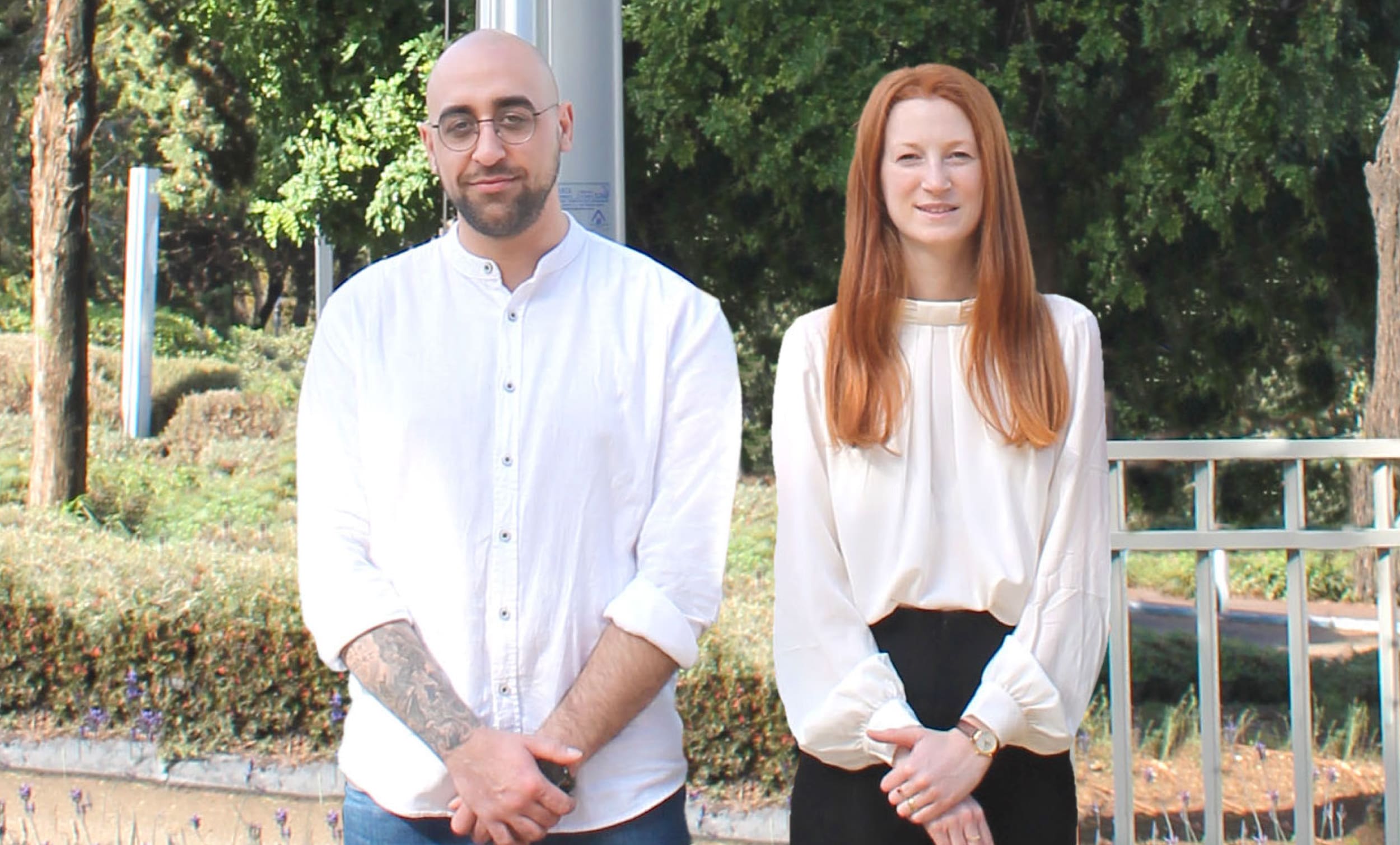
“I grew up mostly with my mom, mostly learning how to survive. I got an education at home, but I also got an education with my friends,” said Sean Meir, an undergraduate student in the Technion’s Henry and Marilyn Taub Faculty of Computer Science who expects to graduate in May 2020. “They did horrible stuff, stuff that I’m not proud of. Most of them have criminal records.” Meir grew up in Nof HaGalil, an underserved community in Israel’s periphery. His life could have taken a different trajectory, one similar to his childhood friends’, but he was given a fresh start…
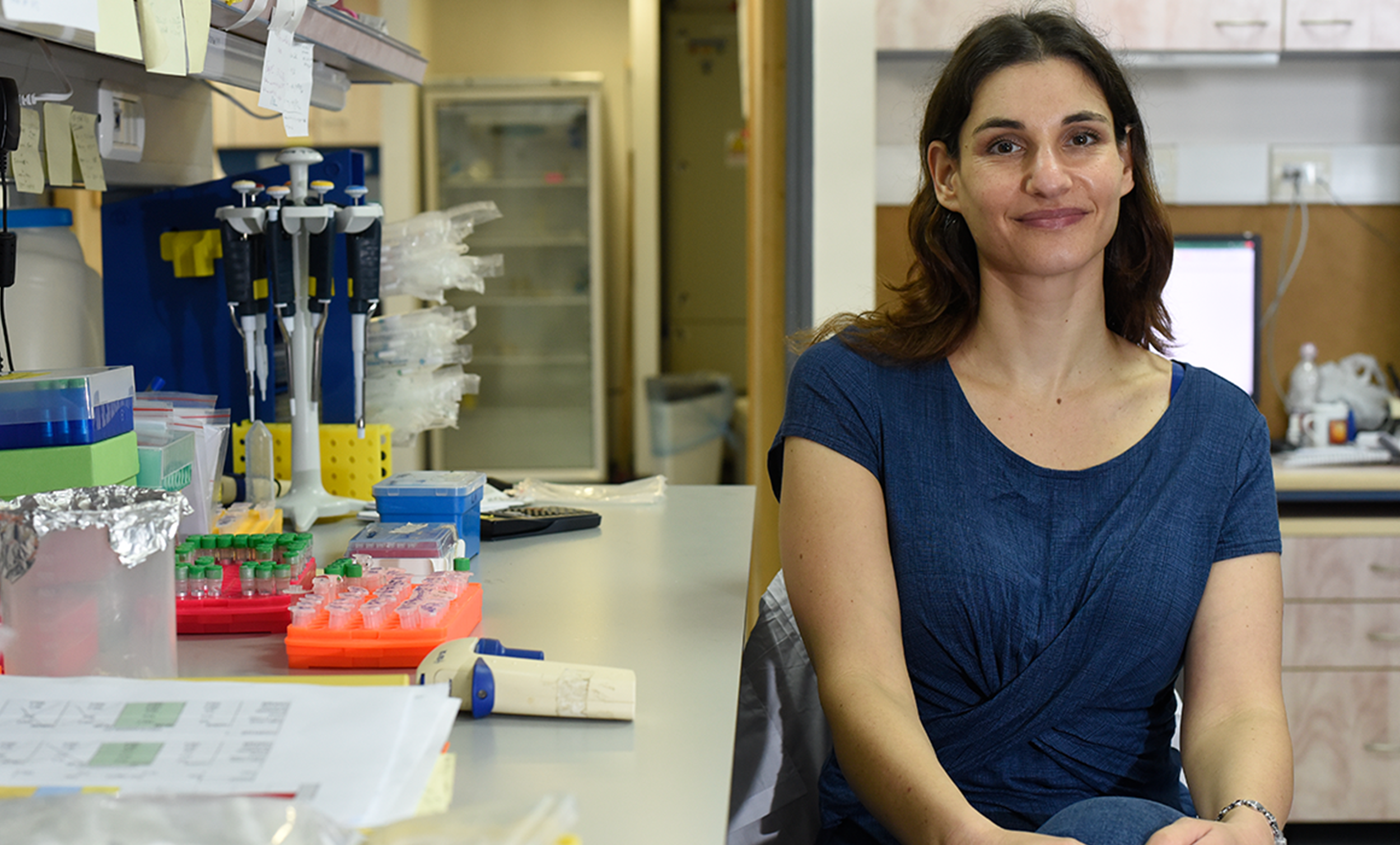
Antibiotics remain a powerful weapon against bacteria, but their overuse has led to the spread of dangerous antibiotic-resistant strains. Nearly 3 million antibiotic-resistant infections occur each year in the U.S., resulting in 35,000 deaths. Technion researchers are developing new methods to fight bacteria without encouraging antibiotic resistance. A team led by Associate Professor Meytal Landau has discovered a novel way to combat bacteria like Salmonella by inhibiting the formation of biofilms, bacterial colonies that can cling to surfaces like drain pipes and hospital equipment. Her team has identified compounds that disrupt the web of secreted proteins that knit these biofilms…
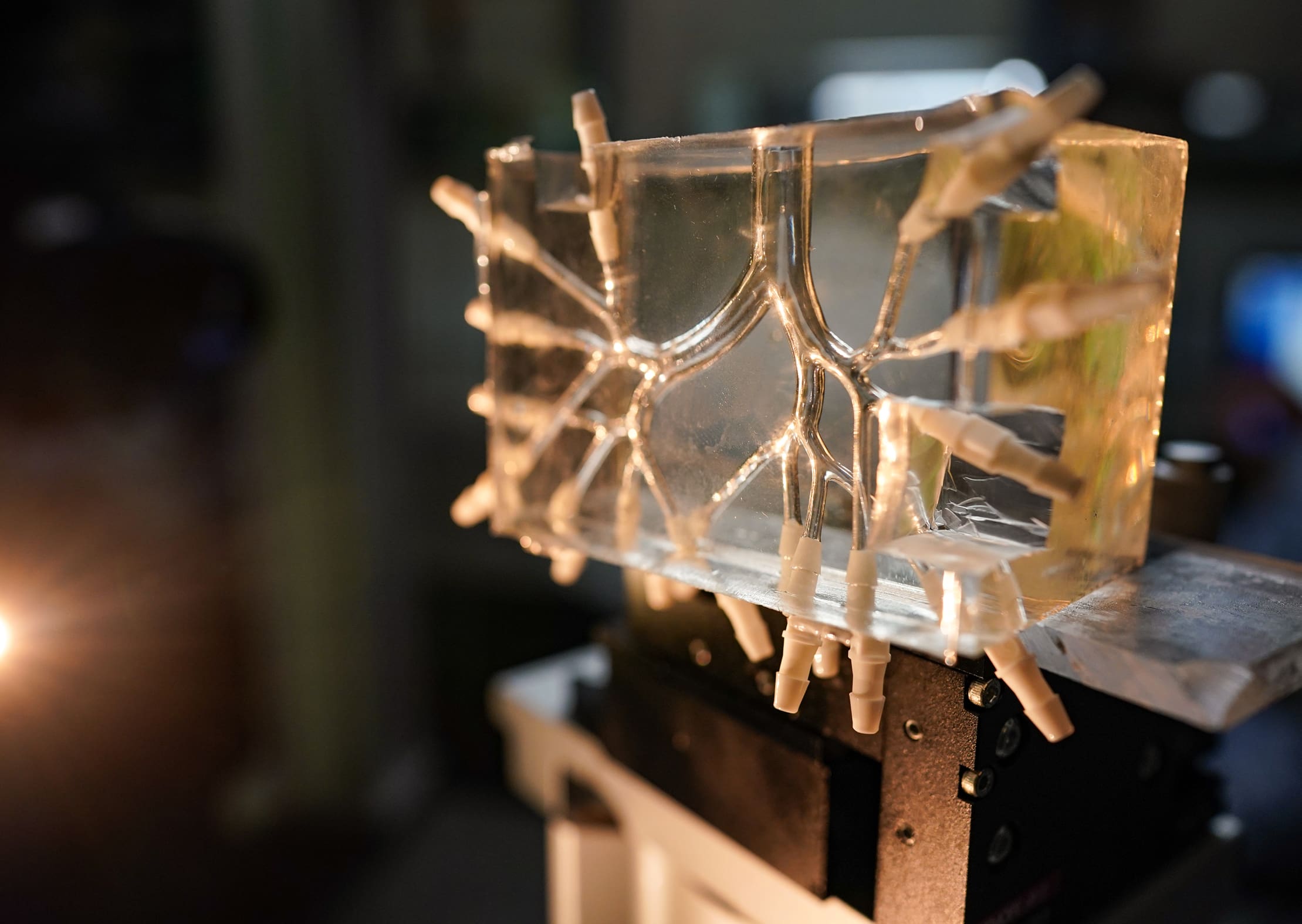
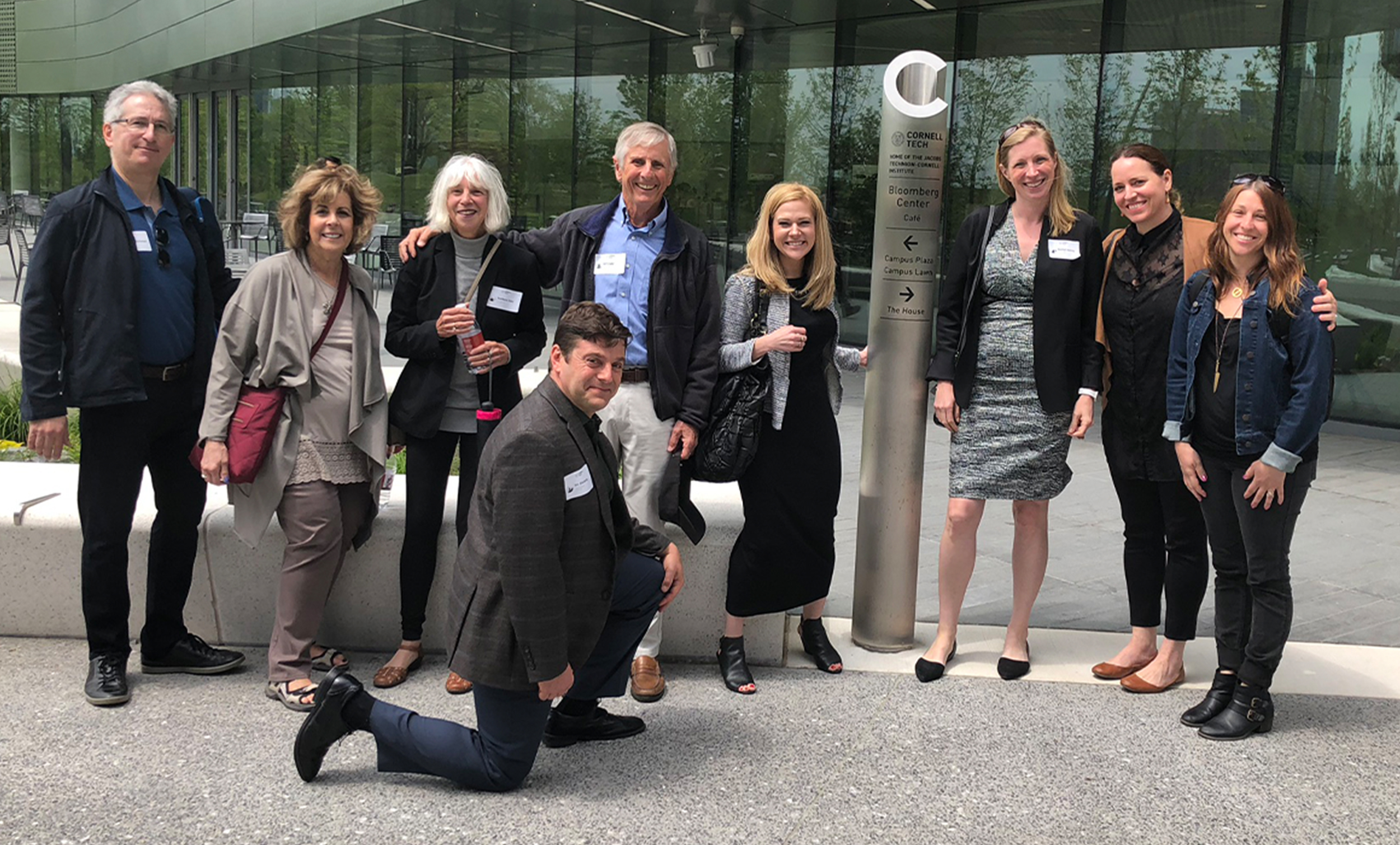
Education and Israel have been lifelong passions for American Technion Society (ATS) donors Barbara and William Dahl of Chapel Hill, N.C. Mrs. Dahl’s grandfather, an ardent Zionist, brought 300 Jews over from Germany to a family-owned hosiery mill in Nashville, Tenn., in the 1930s, and served as president of the Zionist Organization of America for a period after World War II. He took 9-year-old Barbara to Israel in the summer of 1957. While there, she stayed with Golda Meir, and got to see Israel through the future prime minister’s eyes. Mrs. Dahl’s parents first learned of the Technion through a…
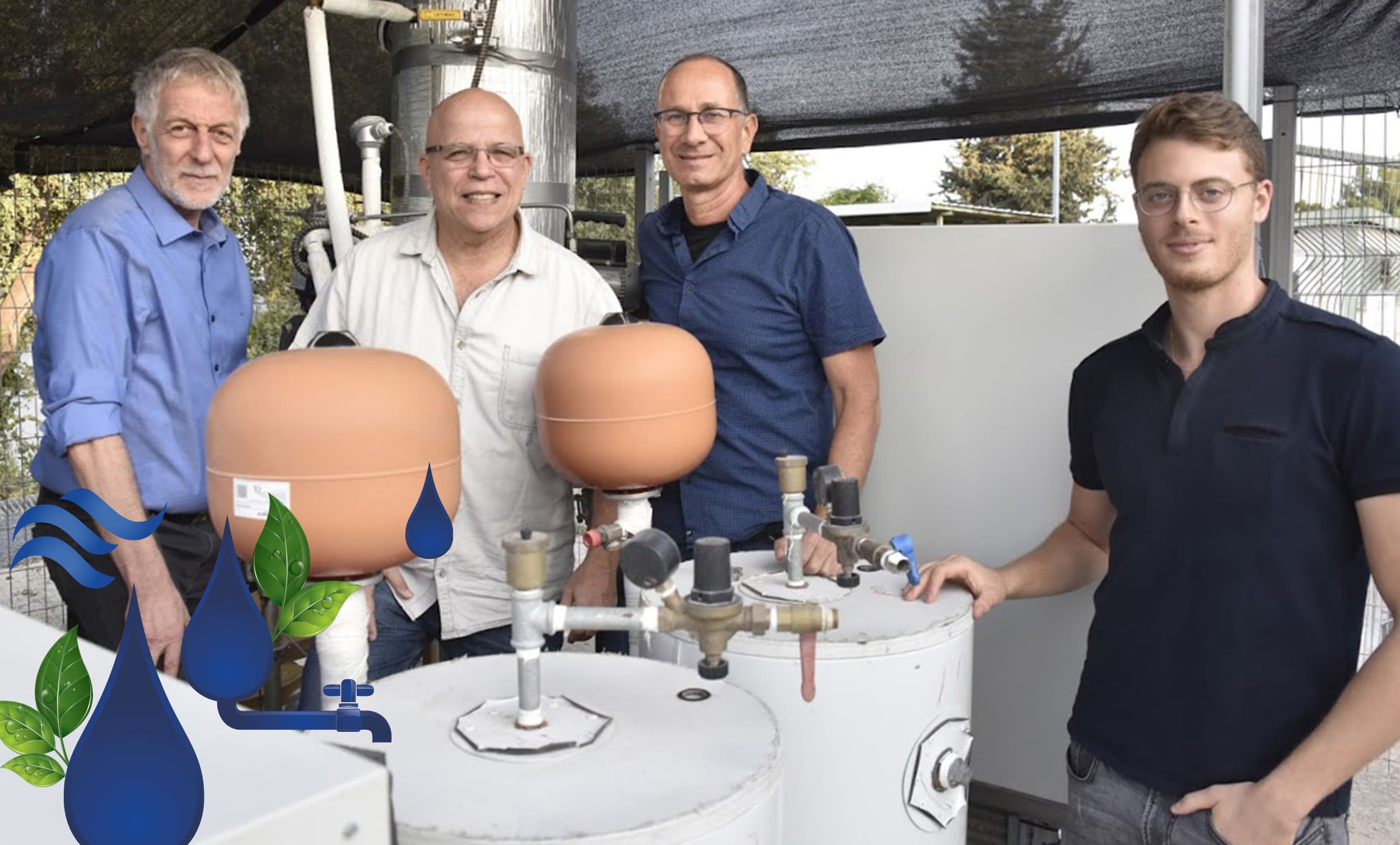
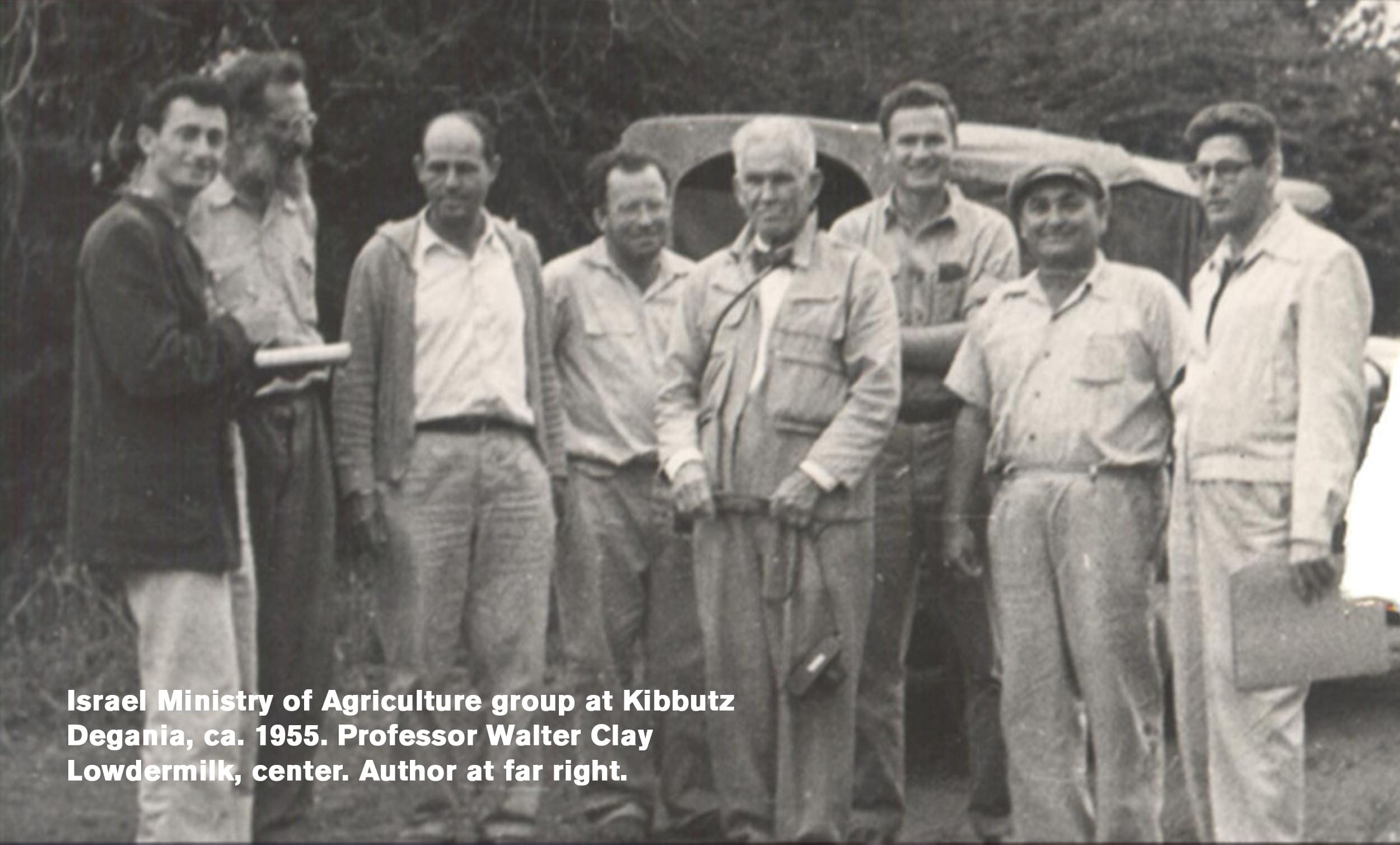
As told by ATS Supporter Norman J. Rosenberg A few years after Israel’s founding, a debate erupted in the Knesset over how to feed its growing population. The country was relying heavily on U.S. donations of surplus grains and dairy products. Some said the country needed to rely less on others and more on its own technological prowess. As one lawmaker declared, “We don’t need powdered milk, we need Lowdermilk.” He was referring to the renowned American conservationist Walter Clay Lowdermilk, the subject of a fascinating book written by Technion supporter Norman J. Rosenberg. Lowdermilk, not Powdered Milk!: An American…

Hydrogen fuel cells hold exciting potential as an emissions-free energy carrier, but they are prohibitively expensive to manufacture. Technion scientists in collaboration with the University of Connecticut (UConn) are working on a project that could advance the commercialization of these highly efficient fuel cells, allowing people to travel longer distances and leaving a smaller carbon footprint. Fuel cells generate electricity through an electrochemical reaction of hydrogen and oxygen, found abundantly in nature, releasing just water and heat as byproducts. But currently, the most efficient catalyst for speeding up the chemical reaction is the precious metal platinum. The Technion-UConn collaboration, funded…

Scientists have known that chemotherapy can damage the heart muscle. But what about the reverse — can heart disease impact cancer? A research team led by Professors Ami Aronheim and Yuval Shaked of the Rappaport Faculty of Medicine at the Technion, with colleagues from Carmel Hospital, have found that early changes in the size, shape, or function of the heart caused by heart disease or injury, collectively known as cardiac remodeling, promotes cancer progression. The study, published in Circulation, demonstrates that catching and treating heart disease early on in cancer patients might help cardio-oncologists slow tumor progression and improve cancer…