Why the Perfect Pitch is Your Biggest Mistake
September 23, 2026












The Technion’s story has been intertwined with Israel’s for more than a century, from laying the foundations for a new nation to shaping its future.

Step inside Israeli innovation at the David and Janet Polak Visitors Center. Experience our 360° immersive movie and tech exhibition. Open to individuals and groups.
Learn More
We must move to survive. Yet each movement we make — from acquiring food, to eating, to caring for our children, to protecting ourselves — requires our brain to make hundreds of adjustments and adaptations based on past experiences and the present environment. Little is known about how neurons in the motor cortex — the part of the brain that directs skilled movement — process and apply past experience to coordinate skilled movement. But new research from the Technion has given medicine insight into what happens in the primary motor cortex (M1) when learning skilled movement, which may lead to…

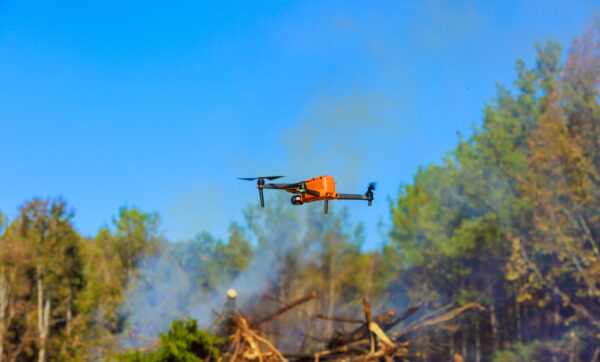
A vulture that lost its mom. A versatile drone developed by Technion alumni. And an unusual search and rescue mission. These elements came together recently in a touching story that resonated across Israel. The saga began in February, when Israeli conservationists were thrilled to find a baby griffon vulture born on a cliff ledge in the Judean desert. Once, hundreds of pairs of the monogamous bird flew over Israel, but today, fewer than 60 pairs remain. The Israeli Parks Authority teamed up with the Society for the Protection of Nature to create the Israel Raptor Nest Cam project, which monitored…

Are people more likely to believe a news story is accurate if it is published by a source that shares their worldview? Or do they tend to believe claims that agree with their views, regardless of the source that publishes them? It’s a relevant question in this highly politicized age. A recent study shows that Americans would sooner believe a news story is accurate if the headline aligns with their political ideology — even if it comes from a source that does not typically line up with their views, according to Professor Mor Naaman at the Jacobs Technion-Cornell Institute at…
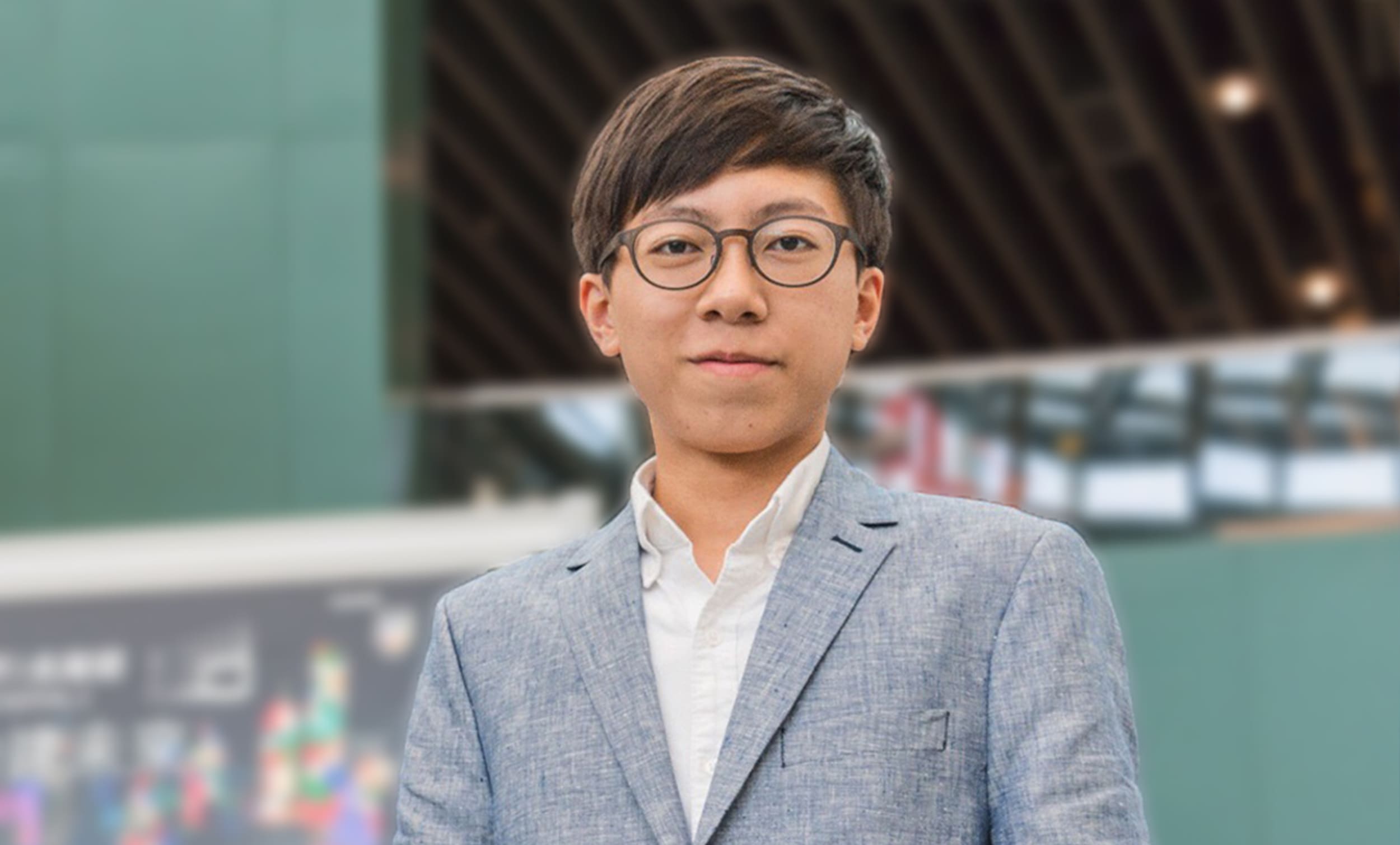
Jordan Fung Tsz Chun was just 9 years old when he tried to teach himself coding. But he wasn’t happy with the online tutorials, so he did what few people three times his age would: he launched a startup to help fix the problem. A few years later he started another company. And today, at age 17, he is a freshman at Technion International, the international school of the Technion – Israel Institute of Technology. “Israel is a very nice place, and they’re also very nice people — innovative people, known for their startup ecosystem,” the Hong Kong teen recently…
Since the start of the pandemic, scientists have warned that cancer patients could be at increased risk of serious illness from COVID-19 due to a weakened immune system. But that commonly held belief, reinforced by an early study from China as well as the National Cancer Institute, might be wrong — for certain patients. In fact, cancer patients, with the exception of those with blood cancers, may not become infected any more than the population at large, and might have the same if not better odds of beating back the most severe symptoms of COVID-19. Those were the findings of…

Sports trainers, coaches, and scouts spend hours culling statistics to predict how a player will do that night. But maybe they’d be better off listening to pre-game interviews. That’s what Technion researchers concluded after a study of prominent professional basketball players. The researchers, led by Professor Roi Reichart, had hypothesized that a player’s performance can turn on intangibles such as the environment at the game or his emotions going in — dynamics that cannot be measured by past performance captured in box scores. Their work was aimed at going beyond previous studies that have used psychology, statistics, computer science, and…
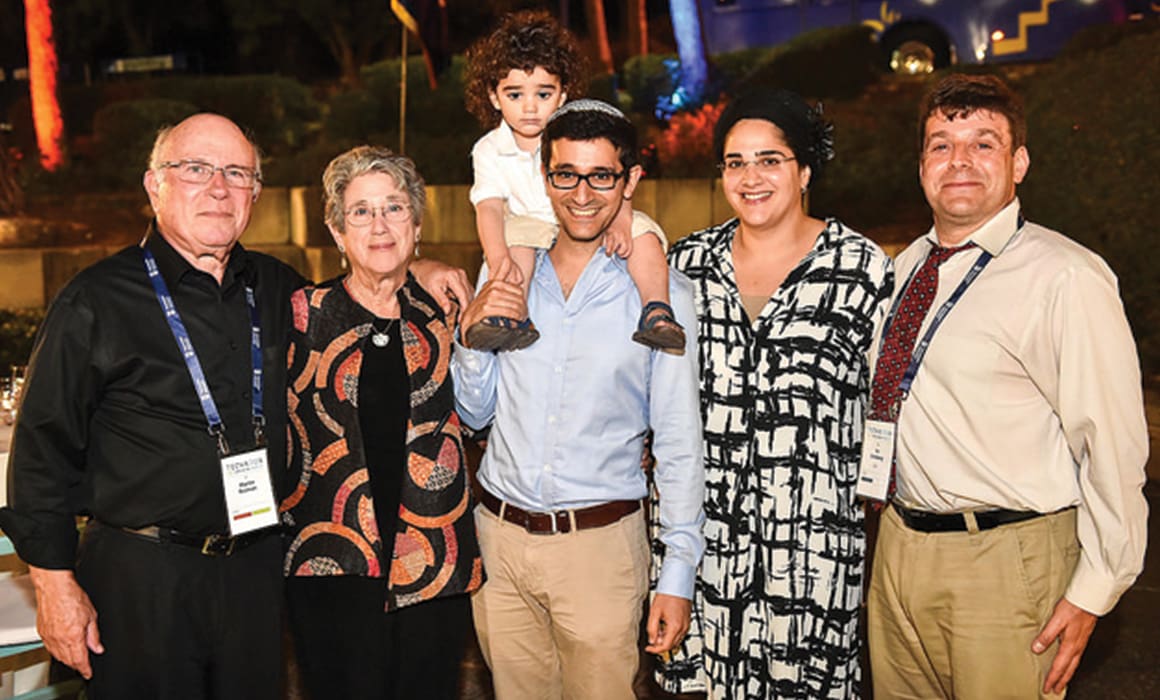
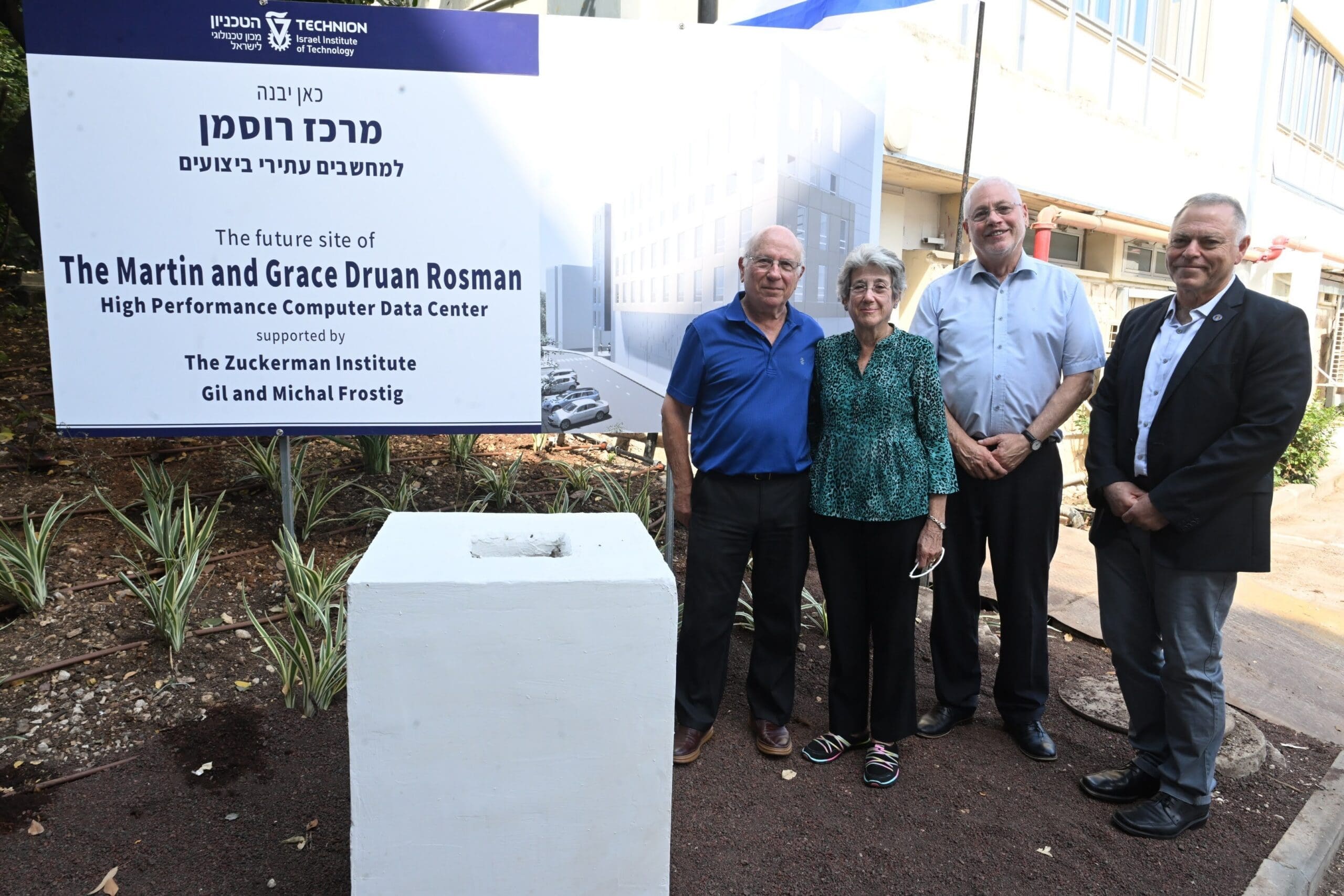
From L to R: Martin and Grace Rosman, Nir Emuna with his son Yachin on his shoulders, Liad Emuna, and Irv Elenberg, ATS – Washington, D.C. Senior Director of Development By day, he was a soldier in the Israeli Defense Forces. At night, Nir Emuna, B.S. ’11, M.S. ’13, Ph.D. ’19, moonlighted as a short order cook at Burger King to make ends meet. “Flipping burgers and sweating up until midnight makes you think about your future,” he said. “I felt I was not reaching my potential. I knew I could do more, and I wanted to do more.” He considered…
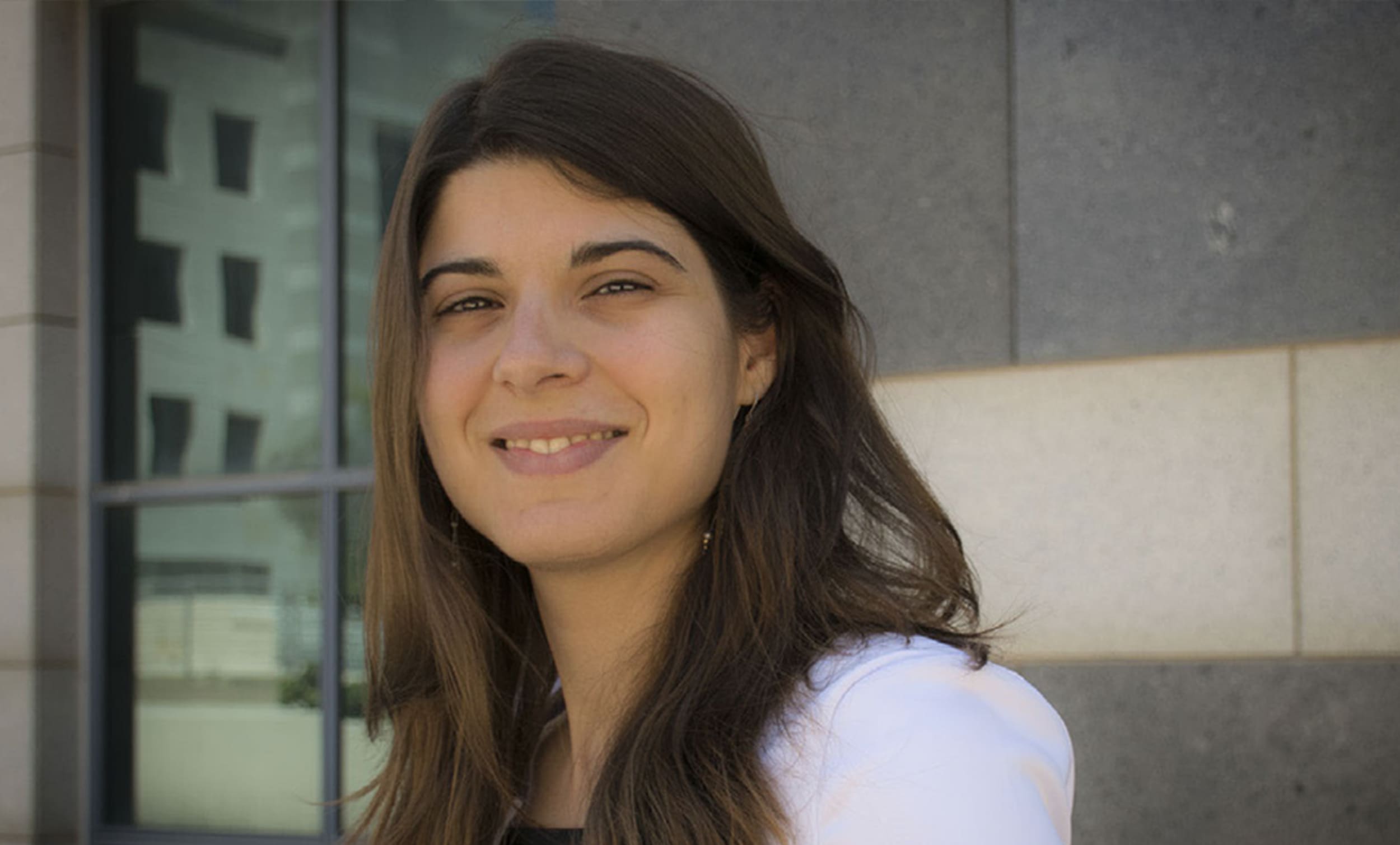
Kira Radinsky ’08, Ph.D.’12, is a detective of sorts, but she’s not looking for light-fingered employees or cheating spouses. She’s seeking causalities and patterns that connect seemingly unrelated occurrences to spot the early warning signs of high-impact future events, including political riots and disease epidemics. A visiting professor at the Technion since 2016, her latest work focuses on COVID-19. Professor Radinsky developed her research as a doctoral student in the Henry and Marilyn Taub Faculty of Computer Science at the Technion, while working simultaneously at Microsoft from 2009 to 2012. Employing data mining and machine learning, she built a system…
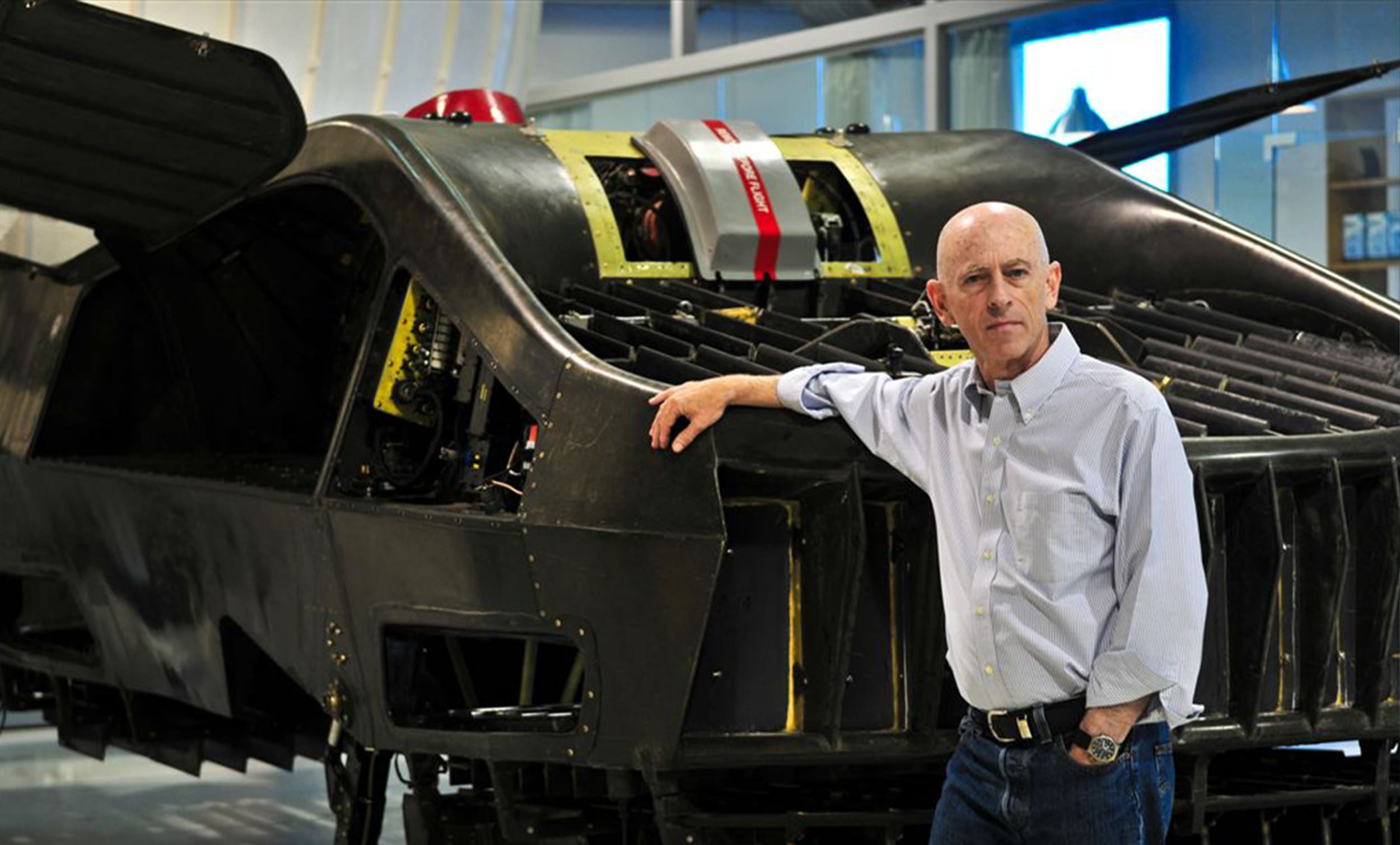
Rafi Yoeli with his Cormorant, credit Rafi Yoeli. After selling his first aviation company, Rafi Yoeli had time to ponder his next move. He’d already served in the Israeli Air Force, earned two Technion graduate degrees as well as a pilot’s license, and had worked at Boeing and Israel Aircraft Industries, where he was one of the chief designers of the Lavi Fighter Jet. What did he land on? The flying car. Growing up in the 1960s, Yoeli was enamored with a rudimentary flying machine called Airgeep. But the Vietnam War was in full swing and funding that could have…

The Technion and Israel Aerospace Industries (IAI) have collaborated to create a sophisticated system for satellites that can accurately pinpoint the location of distress signals from Earth for search and rescue missions, along with other applications such as environmental monitoring. The technology was built for the ADELIS-SAMSON Project, set to launch in December, in which three autonomous, miniature satellites will fly in controlled formation for the first time ever. The mission is headed by Technion Professor Pini Gurfil, director of the Norma & Helen Asher Space Research Institute (ASRI) and a member of the Faculty of Aerospace Engineering. Under his…

Anyone who has undergone the nasal swab testing for the novel coronavirus knows it is not a particularly pleasant experience. Technion technology could change the face of testing, making it more accessible and convenient. Professor Hossam Haick is developing his renowned, non-invasive breathalyzer technology to detect COVID-19 biomarkers rapidly from a patient’s exhaled breath. What’s more: the breath tests could be used to screen individuals in large public places, key to containing the pandemic’s spread. Prof. Haick’s technology is based on the identification of specific disease “signatures” detected through breath analysis. Just as people have unique fingerprints, diseases also have…

The Technion’s First Virtual Board of Governors Meeting Showcases the University’s Prowess Marked with A Mix of Videos and Live Events The State of the Technion is strong, despite, or perhaps because of, the hardships caused by the coronavirus pandemic. That was one of the key take-aways from the Technion Board of Governors Meeting (BOG) held in a members-only session July 26 and a public session August 2, 2020, conducted virtually. Just one week before the Technion was preparing to start the spring semester, Israel went on lockdown due to COVID-19. “With typical flexibility and resourcefulness in time of emergency,…