Why the Perfect Pitch is Your Biggest Mistake
September 23, 2026

























The Technion’s story has been intertwined with Israel’s for more than a century, from laying the foundations for a new nation to shaping its future.

Step inside Israeli innovation at the David and Janet Polak Visitors Center. Experience our 360° immersive movie and tech exhibition. Open to individuals and groups.
Learn More

One student created a system to predict epileptic seizures. Another developed technology to track moods in cancer patients, and a third worked on preventing sudden death in athletes. These fourth-year students recently displayed their work at the annual project exhibition, held virtually this year in the Technion Faculty of Biomedical Engineering. The exhibition underscores the University’s commitment to applied research and entrepreneurship. “The projects on display are the epitome of many months of tackling practical challenges, complex technical difficulties, and our requirement that students present meaningful solutions to real-world problems,” said Faculty Dean Professor Shulamit Levenberg. In line with the…

Pictured above: (L to R) Dist. Prof. Jacob Ziv and Dist. Visiting Prof. Andrew Viterbi. A brilliant engineer who left his mark on cellular phone technology, satellite imagery, and DNA analysis. A talented entrepreneur who launched a multinational corporation. A devoted professor who developed one of the most important mathematical concepts of the 21st century. Any one of these accomplishments would be outstanding and laudable in its own right. Yet only in the Technion family could you find someone who can proudly claim he has accomplished all of these things: Andrew Viterbi. Distinguished Visiting Professor Viterbi is widely recognized as…

We’ve got so much technology at our disposal, yet cities continue to struggle with problems such as air pollution, congestion, and homelessness. “How can we leverage the power of technology to make cities stronger, fairer, and more resilient?” Michael Samuelian, Founding Director of the Urban Tech Hub at the Jacobs Technion-Cornell Institute at Cornell Tech posed — and answered — that question during a panel discussion earlier this year. “We (hub researchers) will build bridges between the academic world and tech industries, with government in the mix,” he said. “Our secret sauce,” he revealed, is not research for research sake,…

A team of researchers from the Technion – Israel Institute of Technology, Rambam Medical Center, Tel Aviv University, and the Sheba Medical Center have found that small, metered cannabis doses delivered via inhaler can have a positive impact on chronic pain. Cannabis is an effective means of treating chronic pain, but determining an optimal dosage is a difficult task. This has prevented the standardization of these treatments and discouraged many doctors from issuing cannabis prescriptions. One way to ensure accurate dosing is to use a small, portable vaporizer, commonly known as an inhaler. The researchers studied individuals who received 0.5…

Artificial Intelligence (AI) can do many things, but using AI to generate music has been an ongoing challenge. An even more difficult task is the creation of musical pieces that match human-specific preferences. New research from Technion M.Sc. students Nadav Bhonker (already graduated) and Shunit Haviv Hakimi, and their advisor Professor Ran El-Yaniv of the Henry and Marilyn Taub Faculty of Computer Science at the Technion-Israel Institute of Technology, indicates that it is possible to model and optimize personalized jazz preferences. To develop personalized preferences, Bhonker and Haviv Hakimi, both amateur jazz musicians, first introduced the AI to hundreds of…

Quantum computing is surely poised to shape the future of computer science and technology in a big way. Companies including IBM, Google, and Honeywell are racing to build super-fast, quantum-based computers, while potential users like Pfizer are preparing for the quantum era. The Technion also has fully embraced the next-generation technology. In 2018, the Technion established the Helen Diller Center for Quantum Science, Matter and Engineering, building on its strengths in computer science, quantum physics, and engineering. And in October 2020, just before classes began, the Technion held its first, highly popular quantum computing “summer school.” More than 220 students…
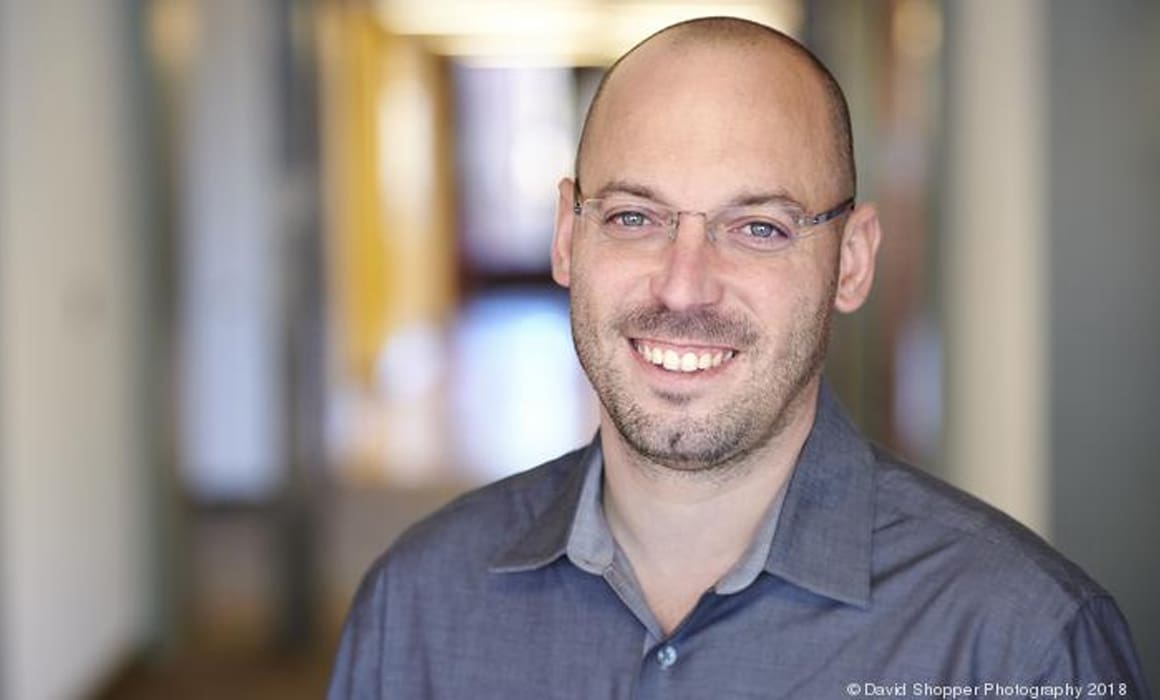
How He Got Here: A Kibbutznik Alum’s Path From Startup to Microsoft A few years ago, Technion alumnus Omer Schneider ’05 and his partners pitched their young cybersecurity business to one of the wealthiest tech investors in Israel. “You guys are crazy,” the investor said. “How can an Israeli from a kibbutz who rides on camels sell cybersecurity to American utilities?” “Of course I don’t ride camels,” Mr. Schneider recalled, laughing. “My naïve answer to him was: ‘Because we can. They have a gap and we will do that.’” Fast forward to June 2020. Mr. Schneider sold CyberX, the company…
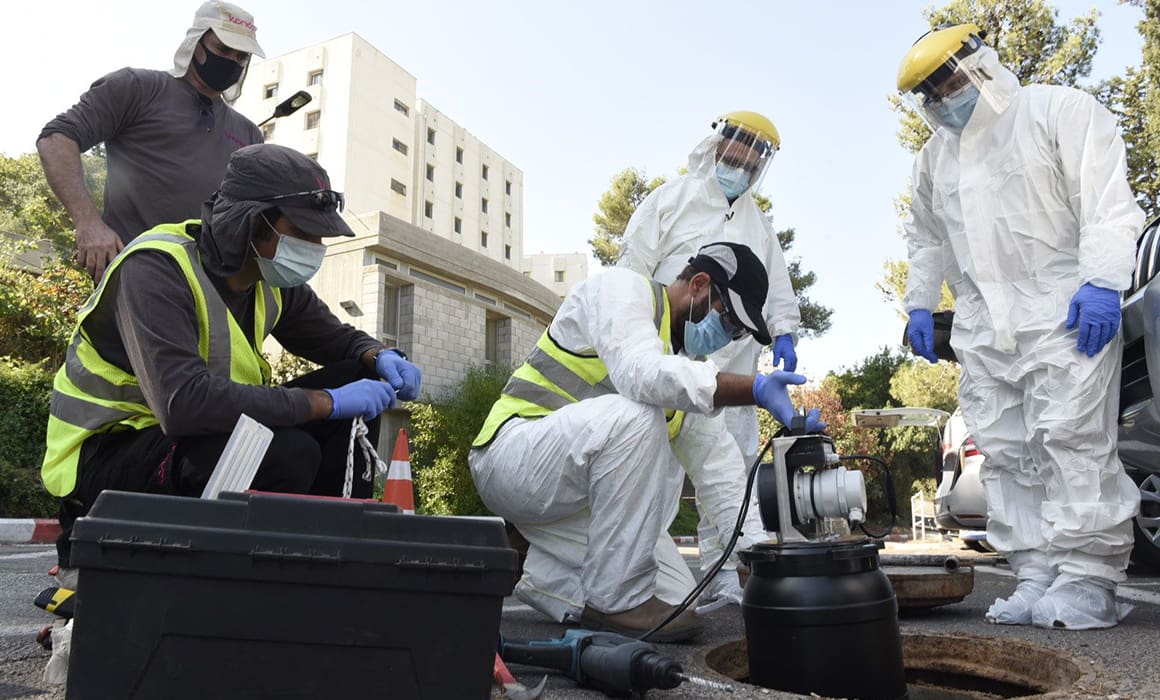
Technion – Israel Institute of Technology researchers have developed a new tool that will make it possible for students, faculty, and staff to safely return to campus. The technology, developed by a research group led by Professor Eran Friedler of the Environmental and Water Engineering Department of the Faculty of Civil and Environmental Engineering, with researchers from the Ministry of Health, Ben Gurion University of the Negev, and the Kando company, monitors SARS-CoV-2 RNA in wastewater. The tool monitors and provides data on outbreaks and their geographic dispersal on campus — information essential for early warning and for blocking the…
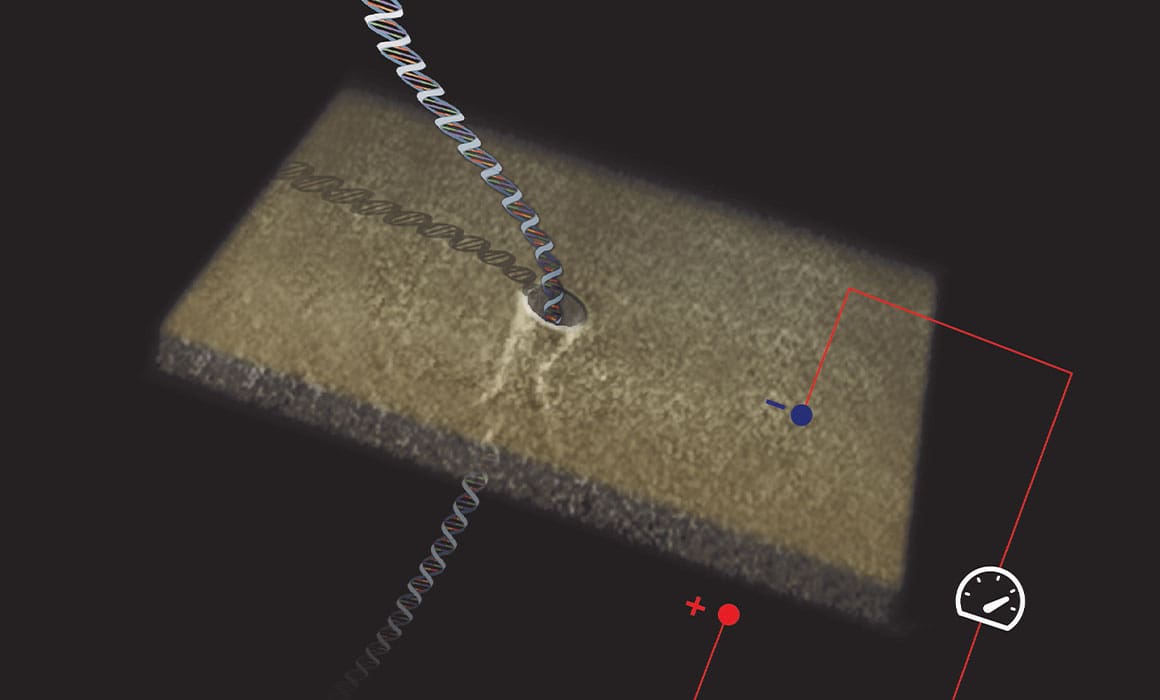
Technion scientists have developed a novel method for rapid and accurate sensing of coronavirus without the need to rely on PCR amplification, a technique that makes millions or even billions of copies of DNA so that there is enough material to test. The new technique can identify the presence of SARS-CoV-2 in a sample by counting and quantifying the virus’ RNA molecules with single-molecule precision. This method is not biased by PCR amplification errors, allowing researchers to develop a more accurate clinical diagnostic technique. Researchers have also found that the technique can be used to detect metastatic cancer. The research…
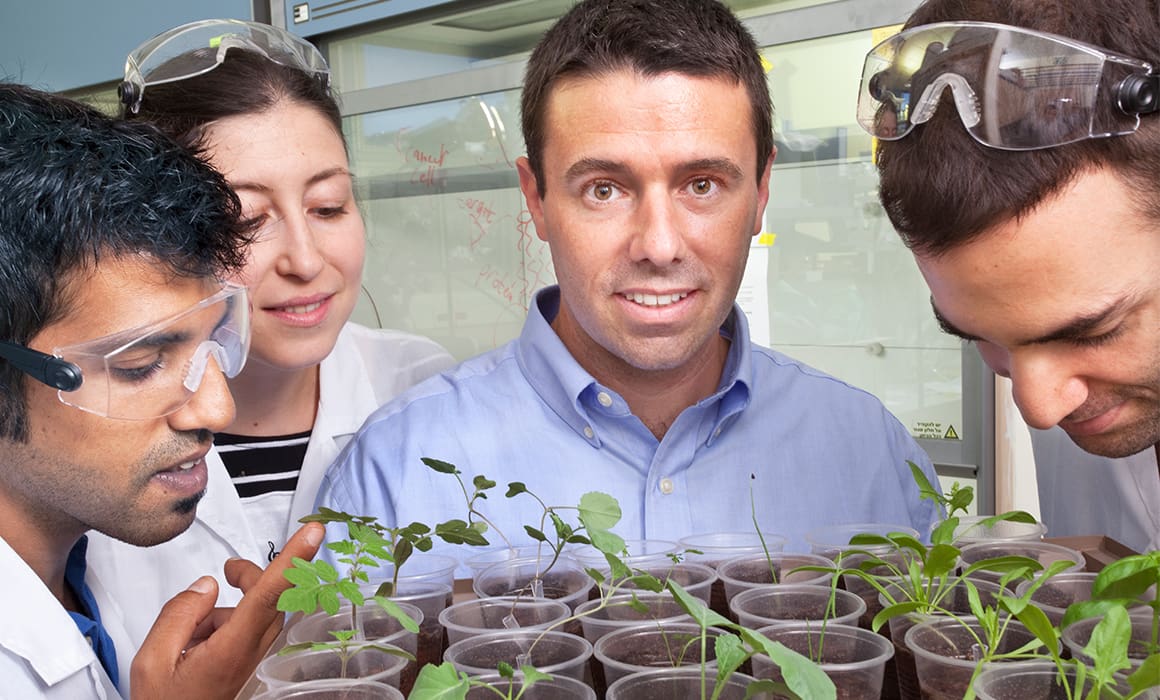
Associate Professor Avi Schroeder, of the Wolfson Faculty of Chemical Engineering, and Associate Professor Daniel Zelazo, of the Faculty of Aerospace Engineering, were selected as the inaugural winners of the Technion – Israel Institute of Technology Crown Vanguard Award for Science and Technology Innovation. The awards are in recognition of their trailblazing work in life sciences and classical engineering. The Crown Vanguard Award was created to secure the Technion’s place at the forefront of innovation, making it possible to retain outstanding mid-career faculty whose brilliant work is at the stage wherein it could become the next world-changing breakthrough. Winners are…
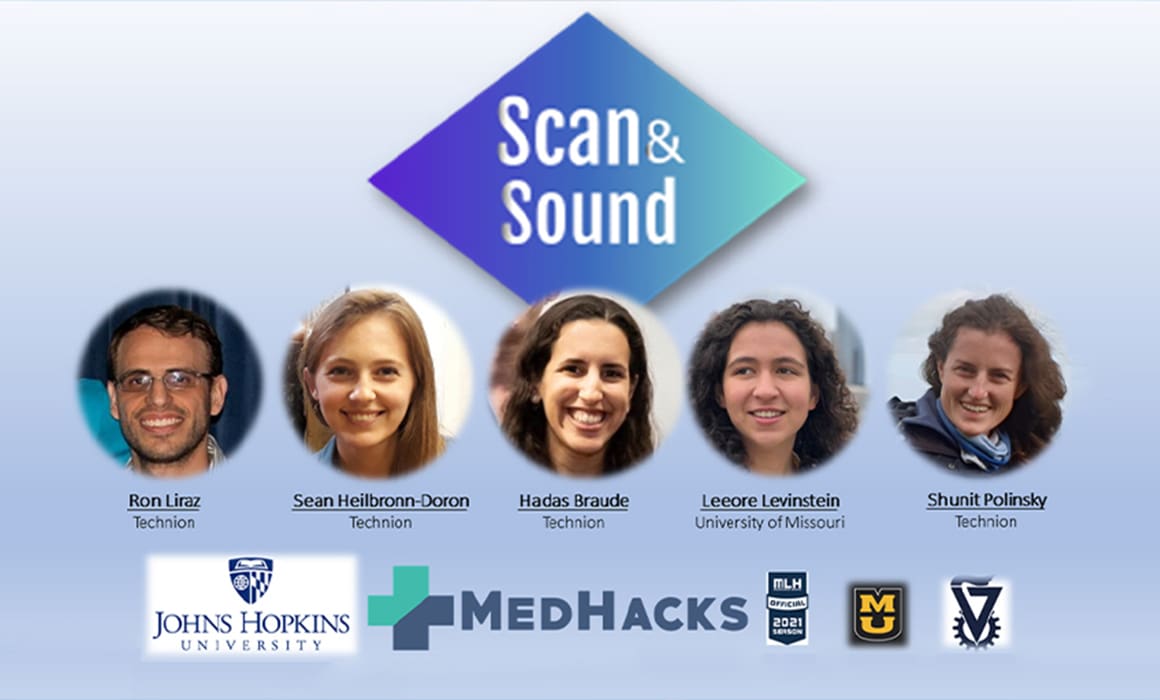
A team of students from the Technion and the University of Missouri won second place at MedHacks — a hackathon for developing medical technologies hosted by Johns Hopkins University. They were awarded for developing the Scan&Sound application, which detects strokes at early stages and alerts the victims. One in four people in the United States experiences a stroke at one point in their lives. There are many different levels of severity, ranging from a stroke that one is not even aware of experiencing to an event that results in serious cognitive and motor impairments, and even death. In addition to…
We must move to survive. Yet each movement we make — from acquiring food, to eating, to caring for our children, to protecting ourselves — requires our brain to make hundreds of adjustments and adaptations based on past experiences and the present environment. Little is known about how neurons in the motor cortex — the part of the brain that directs skilled movement — process and apply past experience to coordinate skilled movement. But new research from the Technion has given medicine insight into what happens in the primary motor cortex (M1) when learning skilled movement, which may lead to…