Why the Perfect Pitch is Your Biggest Mistake
September 23, 2026


















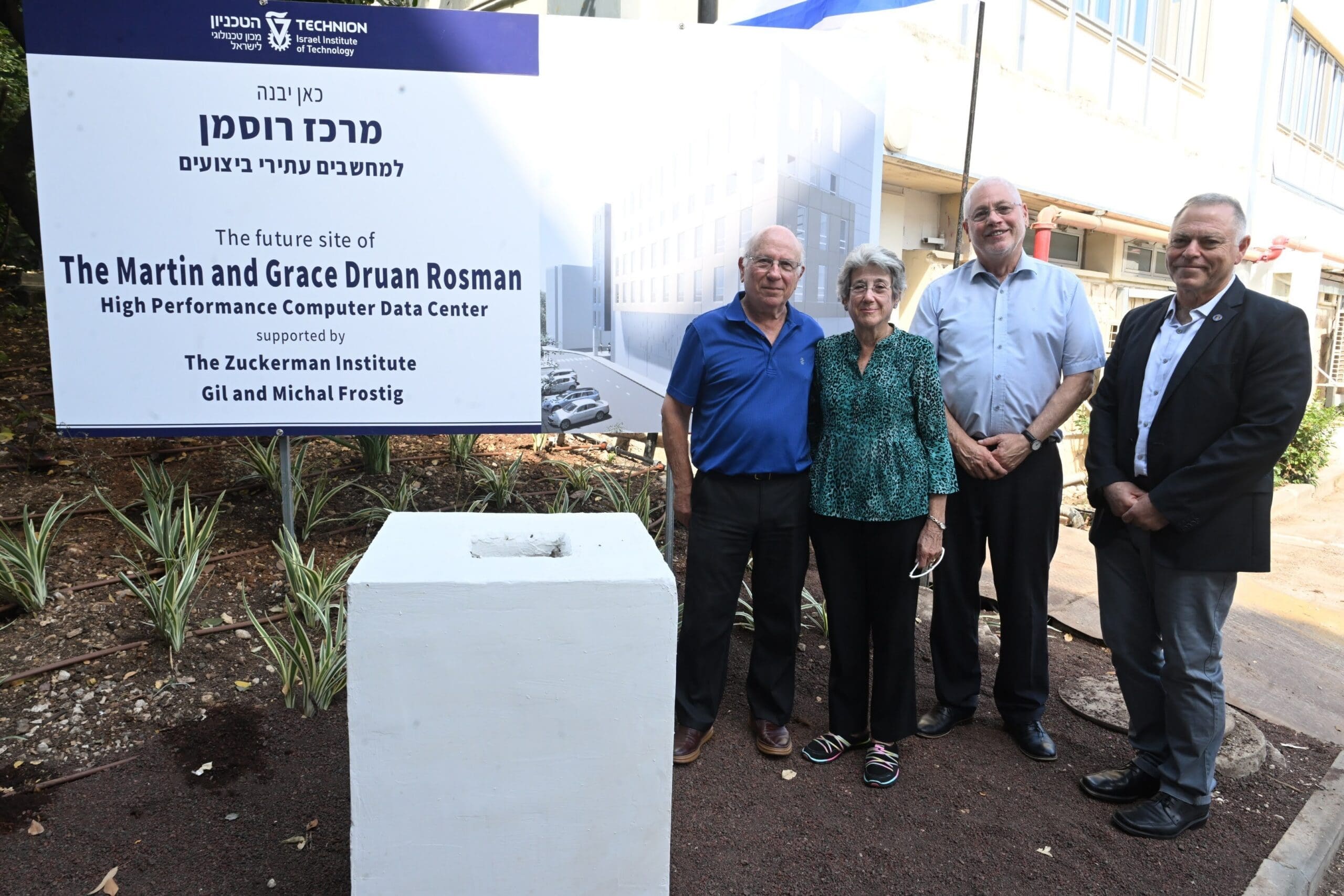




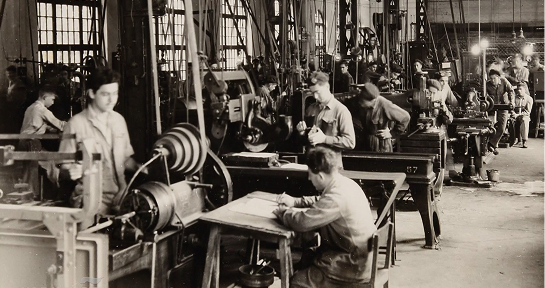
The Technion’s story has been intertwined with Israel’s for more than a century, from laying the foundations for a new nation to shaping its future.

Step inside Israeli innovation at the David and Janet Polak Visitors Center. Experience our 360° immersive movie and tech exhibition. Open to individuals and groups.
Learn More
Professor Meytal Landau of the Technion – Israel Institute of Technology, together with researchers at the European Molecular Biology Laboratory (EMBL) in Hamburg, Germany, and scientists in Israel and Spain, has discovered a remarkable antimicrobial peptide. The peptide is secreted on the skin of the Australian toadlet (Uperoleia mjobergii) as part of its immune system. The discovery could inspire the development of novel synthetic drugs to combat bacterial infections, and broadens our understanding of neurodegenerative diseases like Alzheimer’s. An antibacterial peptide that turns on and off The researchers solved the 3D molecular structure of the peptide, named uperin 3.5. They…
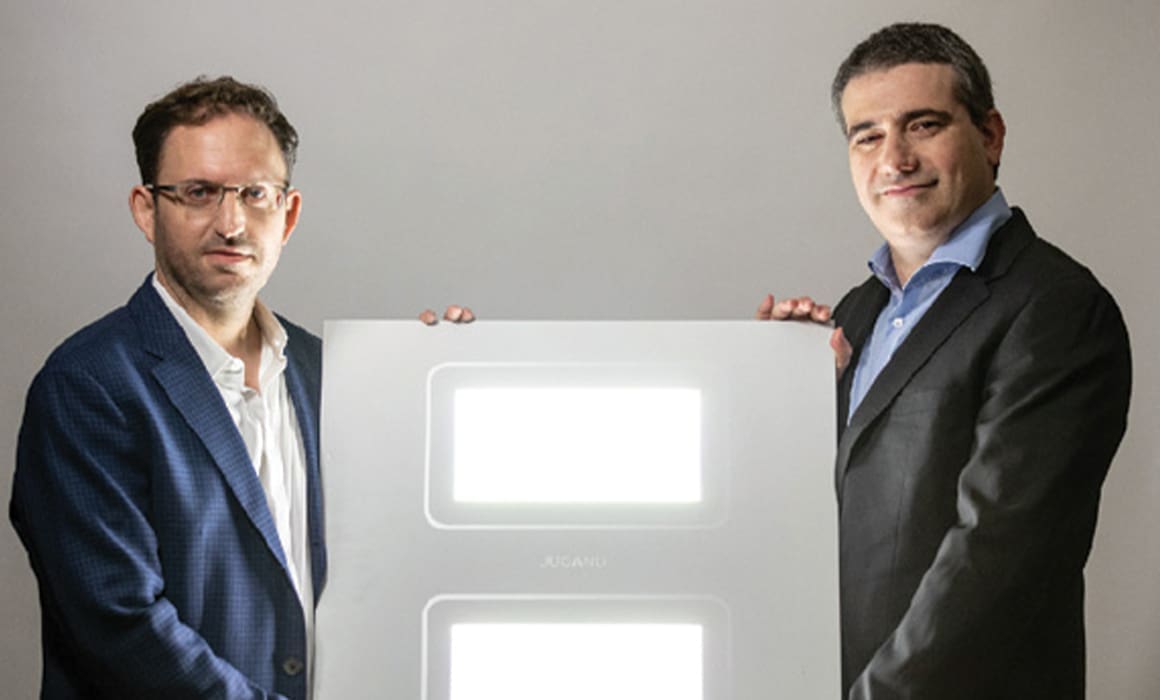
Alumnus Launches UV Light Disinfectant Technion alum Eran Ben-Shmuel ’05 has come out with a product he hopes will literally be “the light at the end of the tunnel of the COVID-19 era.” He and his company, Juganu, have launched an indoor lighting system, which uses a mix of ultraviolet light that reportedly inactivates up to 99.9% of viruses and bacteria, including the SARS-CoV-2 virus that leads to COVID-19. The system, J. Protect, comes at a time when the world is trying to figure out how to safely reopen indoor spaces, in winter, when safer, outdoor options are unavailable. Ben-Shmuel…
Starting this week, students, staff, and faculty at the Technion will receive a rapid COVID-19 test developed by one of its own: Professor Naama Geva-Zatorsky. The test is a welcome protective measure, coming at a moment when Israel has tightened its lockdown in an effort to curb the latest surge. Infection rates are at record highs despite a successful vaccination campaign, in which 70% of Israelis 60 years and over have already had their first COVID-19 shot. The test, called “NaorCov19,” rapidly diagnoses the SARS-CoV-2 virus from a saliva sample that is heated to 149 degrees Fahrenheit. If the sample…

Startup Mediterranean Food Lab has developed new flavor technologies aimed at making vegetarians and plant-based eaters out of the most die-hard carnivores. The Israeli company, one of three winners in a program run by the European Institute of Innovation and Technology (EIT) and mentored at the Technion, took home a 100,000 Euro (approximately $123,000) prize for its natural solutions to improving the taste of plant-based foods in general and meat alternatives in particular. This marks the second time in three years that the winner of the EIT Food Accelerator Network, a program aimed at innovation and entrepreneurship in the food…
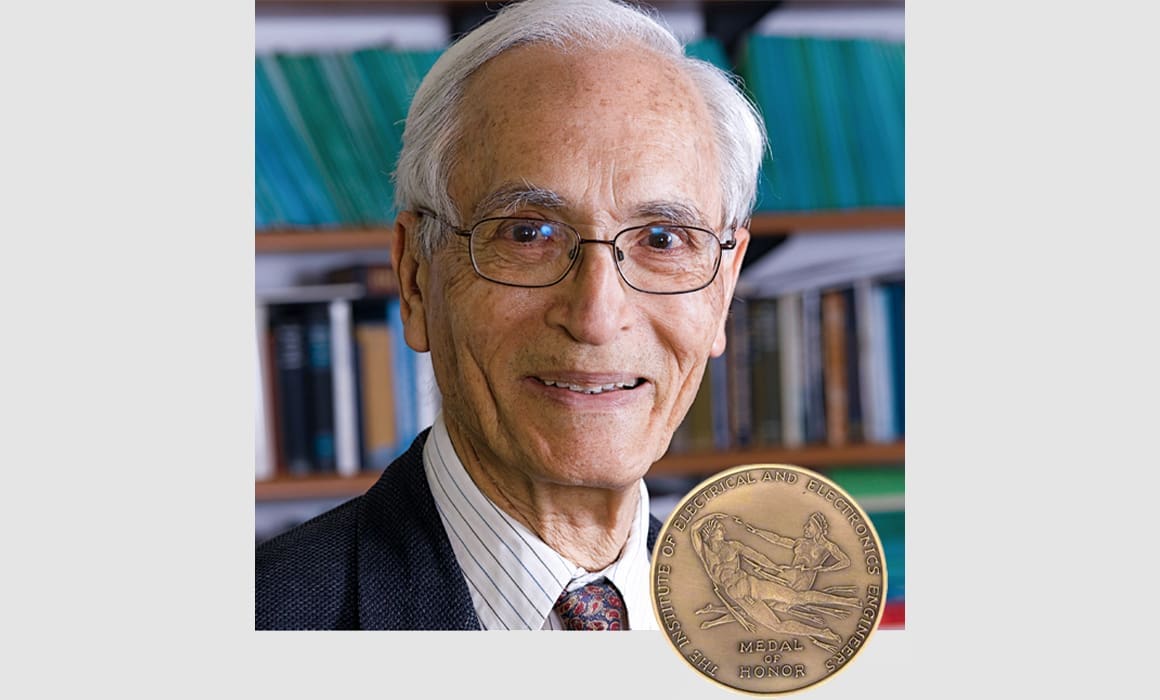
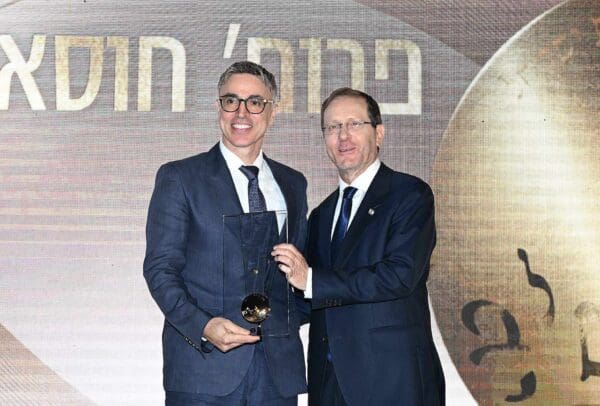
Distinguished Professor Emeritus Jacob Ziv recently received one of science’s most prestigious awards — the 2021 International Institute of Electrical and Electronics Engineers (IEEE) Medal of Honor. The medal is awarded to a single person each year for exceptional contributions to science and technology. Technion Prof. Ziv of the Andrew and Erna Viterbi Faculty of Computer and Electrical Engineering is the first Israeli to have won this honor. Anyone who routinely shares emails and photos on the internet, experiences the unparalleled daily impact of Prof. Ziv’s contributions. His Lempel-Ziv Data Compression Algorithm, developed with Technion Professor Abraham Lempel, serves as…

The Juice Keepers: Students Take First Prize in European Food Contest A group of enterprising, environmentally conscious Technion students might just have solved a problem that has been vexing PepsiCo for years — preventing fruit juices from spoiling. The juice industry loses an estimated $32 million annually as the result of a bacteria found naturally in the ground and in fruit trees that affects the quality of the juice and leads to spoilage. Pasteurization typically destroys bacteria in foods, but can’t be used with fruit juices without compromising taste and nutritional value. PepsiCo has long sought a creative solution to…

Like quality controls built into an assembly line, the body has a vital protein control mechanism that maintains homeostasis. Because proteins play many critical roles in the body, doing most of the work in our cells, this system, called proteostasis, continually tests the quality of the proteins, fixing or sweeping away damaged ones. Technion researchers have demonstrated, for the first time, how this quality control system breaks down with aging, leading to neurodegenerative diseases of the elderly such as Alzheimer’s and Parkinson’s, as well as Huntington’s and ALS. When the body is functioning correctly, proteins undergo a physical process called…
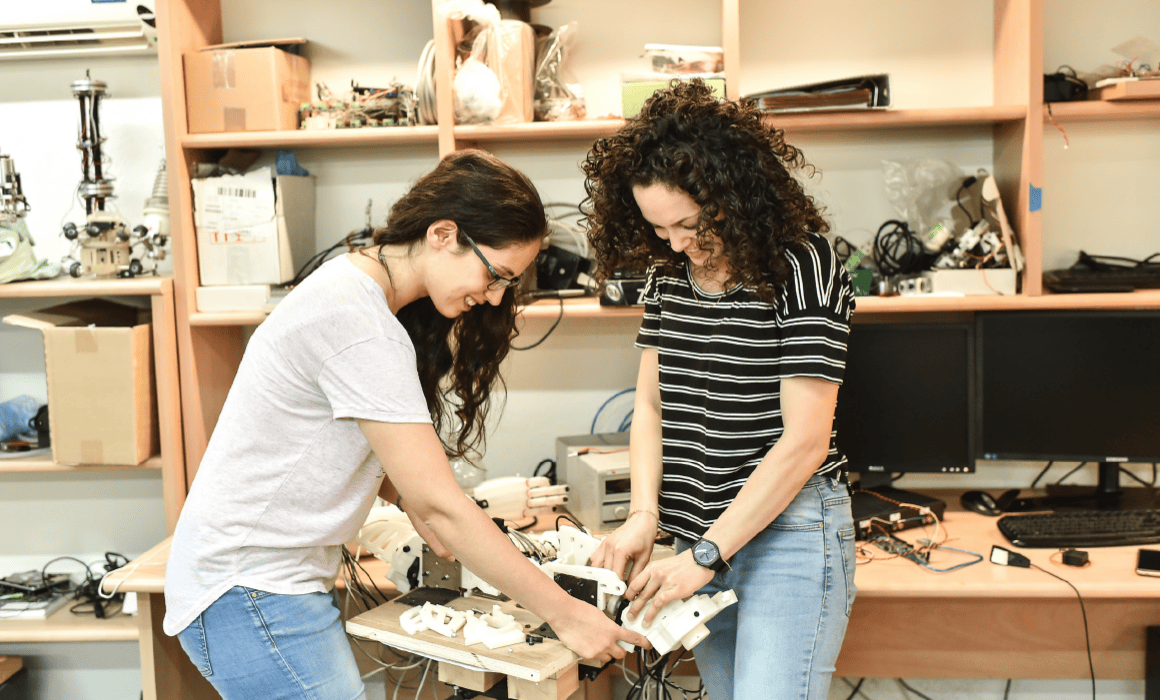
The Technion is one of the main drivers of Israel’s Start-Up Nation, with more than 70% of its graduates employed in high-tech. To harness students’ abundance of creativity and innovation, the Technion created an all-encompassing home for entrepreneurial activities. Known as t-hub, the Technion Entrepreneurship and Innovation Center, promotes entrepreneurial thinking and education through interdisciplinary curricula and programs that embrace collaboration, while focusing on the commercialization of research. Established in 2018 with a $2.7 million grant from Israel’s Council for Higher Education, t-hub offers: An MBA for entrepreneurs that combines a master’s degree in business administration with practical support for…
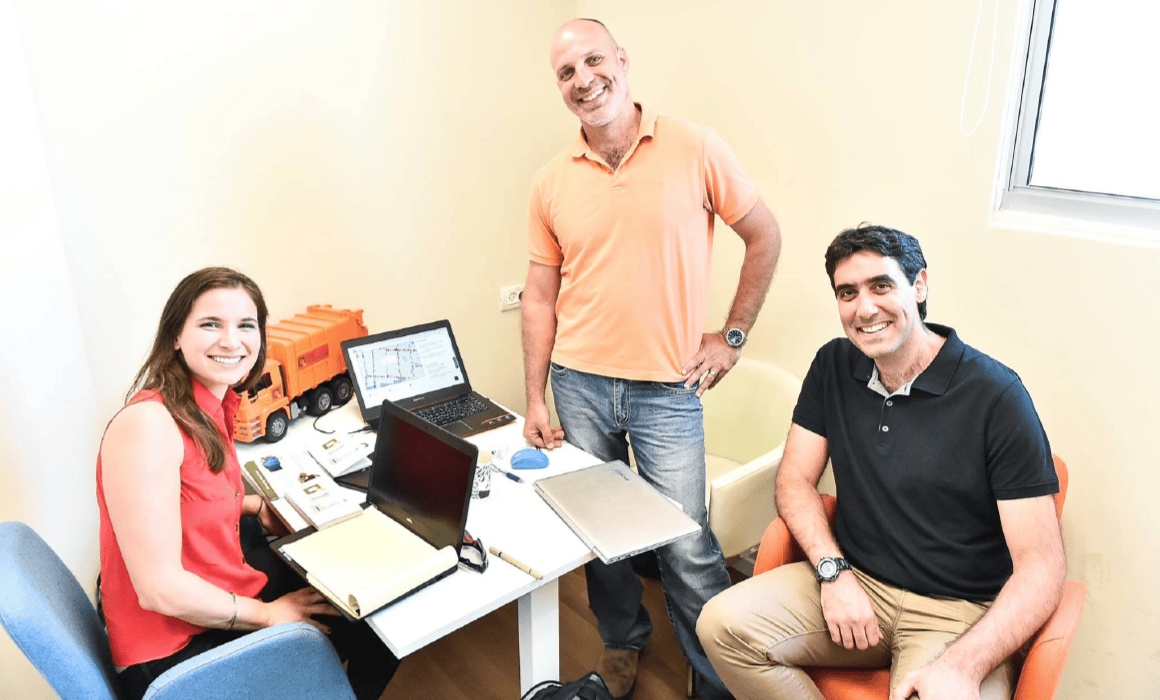
Acceptance into one of the top tech accelerators is not an easy task. Entrepreneurs can spend years building their startup’s reputation only to then get shot down. But for Technion graduates, the university offers its own accelerator. The Technion DRIVE Accelerator helps first-time entrepreneurs conquer the challenges of moving from academia to commercialization in a 9-month funding and acceleration program for pre-seed and seed companies. DRIVE’s vision is to become a leading generator of new deep technology ventures and next-generation tech leaders who will change the world for the better. DRIVE accepts only companies that are either founded by an…
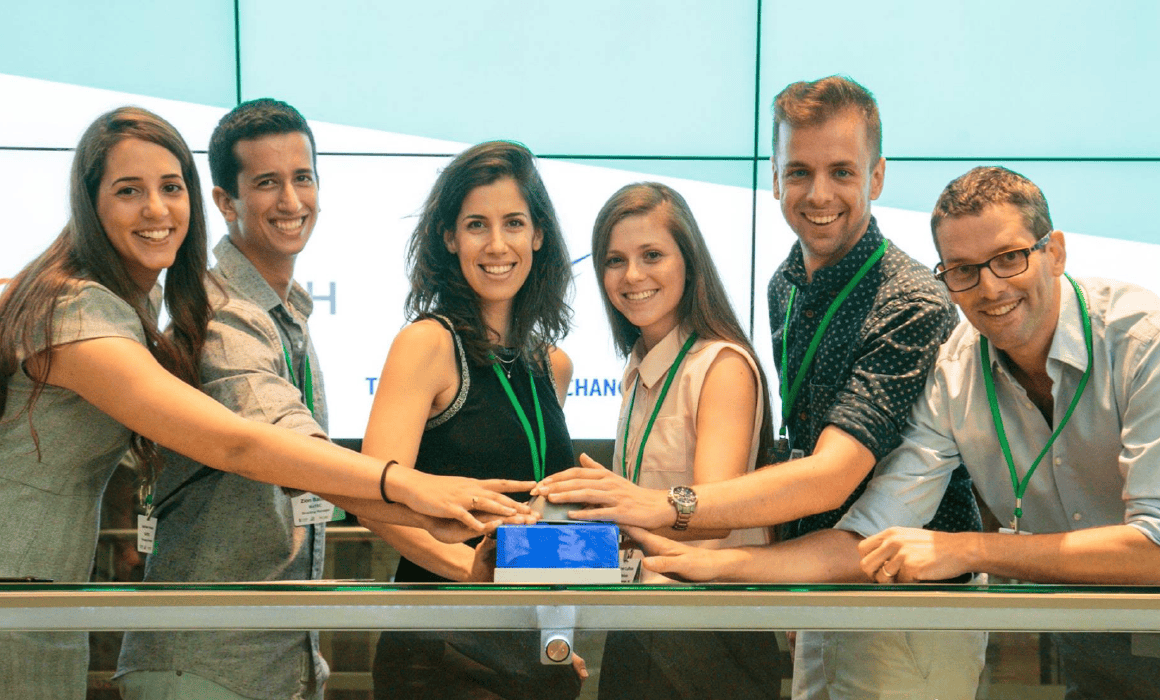
BizTEC, Israel’s premier competition for promising startup ideas, is not for the faint of heart. Participants entering BizTEC have already endured rigorous workshops to hone their idea. They might even have won some tech hackathons. But BizTEC is the ultimate prize. “BizTEC is one of the best technology programs in Israel.” – Sleem Hasan, a BizTEC investor Mr. Hasan is a businessman from the United Arab Emirates and attended this year’s final BizTEC event, Demo Day, following the September peace treaty between Israel and the UAE. Established in 2004 as an internal Technion competition, BizTEC went nationwide and today is…
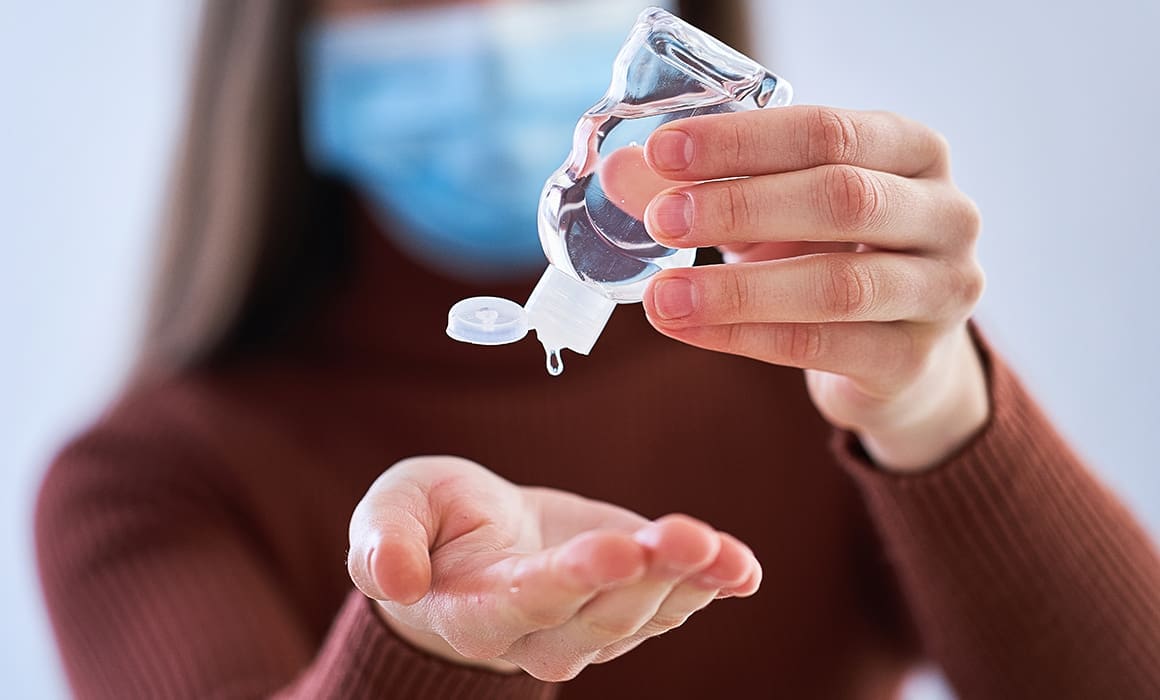
Most hand sanitizers with at least 60% alcohol are effective against the coronavirus. But they don’t provide long-lasting protection and can disrupt the body’s microbiomes, killing off the good bacteria with the bad. Second-year students at the Technion developed a gel that works for hours and selectively attracts just the SARS-CoV-2 virus. The ingenious research won the Technion student team a gold medal at the prestigious synthetic biology competition, iGEM (International Genetically Engineered Machine). “We knew that when it came to the COVID-19 crisis we could not just wait in hope of positive developments,” said Tomer Antman ’23, one of…

The Technion, which has played a key role in greening Israel’s desert, has created a physical model of a corn field to study the impact of high winds on crops. Agricultural areas with different vegetative height canopies can whip up strong winds that have significant implications for crops. Focusing on transition areas where, for example, an agricultural field meets a forest, the model allows scientists to study the rate at which moisture evaporates, known as evapotranspiration. Their findings could lead to the development of more economical and efficient irrigation plans based on wind forecast models. Built in the Technion Environmental…