Why the Perfect Pitch is Your Biggest Mistake
September 23, 2026

















The Technion’s story has been intertwined with Israel’s for more than a century, from laying the foundations for a new nation to shaping its future.

Step inside Israeli innovation at the David and Janet Polak Visitors Center. Experience our 360° immersive movie and tech exhibition. Open to individuals and groups.
Learn More
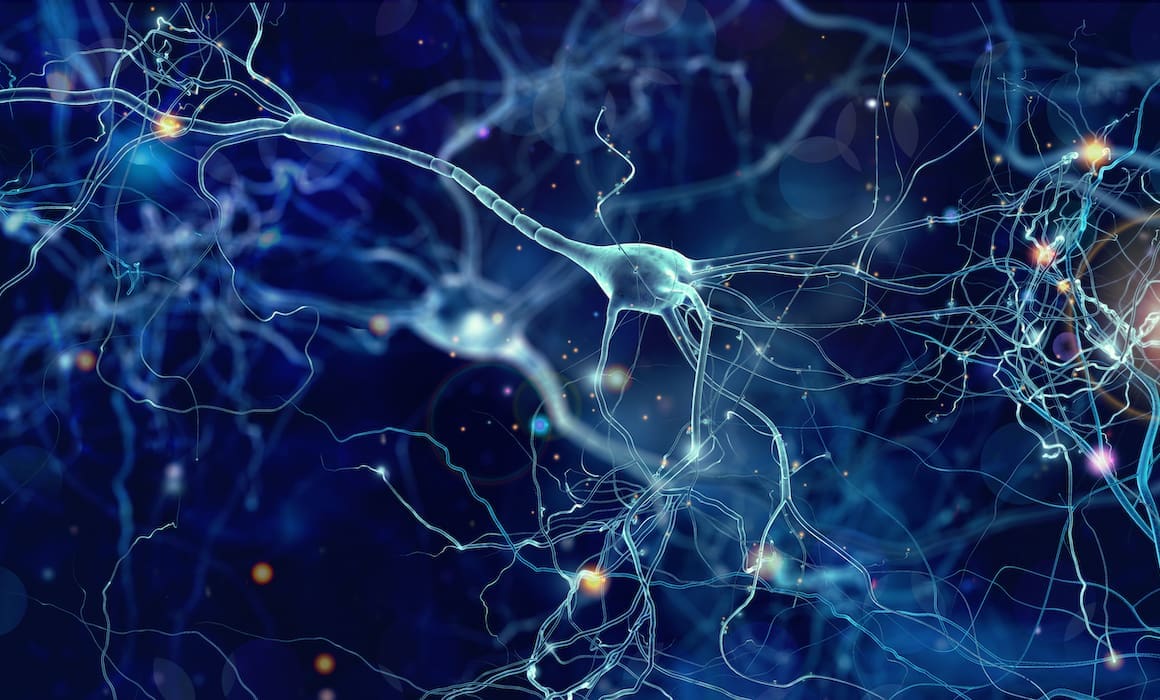
So the runny nose you’ve been enduring all week is “just a virus.” You know the drill: drink plenty of liquids and wait it out. Why is it that there’s an abundance of antibiotics while virus-fighting drugs are so much harder to come by? Unlike antibiotics, in which one strain of penicillin can treat multiple bacterial infections including pneumonia, scarlet fever, and strep throat, antiviral drugs are typically designed to target just a single virus. This narrow scope makes it unprofitable for drug companies to invest in developing new antivirals. The obvious solution is to develop antiviral drugs that can…

Even 20 years later, the words ring loud and clear in Hila Rubenstein’s ears. “You got in? But you’re not good at math!” As a sixth grader, Rubenstein studied hard to test into a prestigious private school. She was elated when she learned she passed the tests and was accepted. But that joy quickly faded when she told her math teacher. Today, Rubenstein is completing her Ph.D. at the Technion – Israel Institute of Technology, after completing a bachelor’s and master’s degree at the Technion and serving in the Israeli Defense Forces’ Intelligence Elite Unit 8200. Yet it was clear…
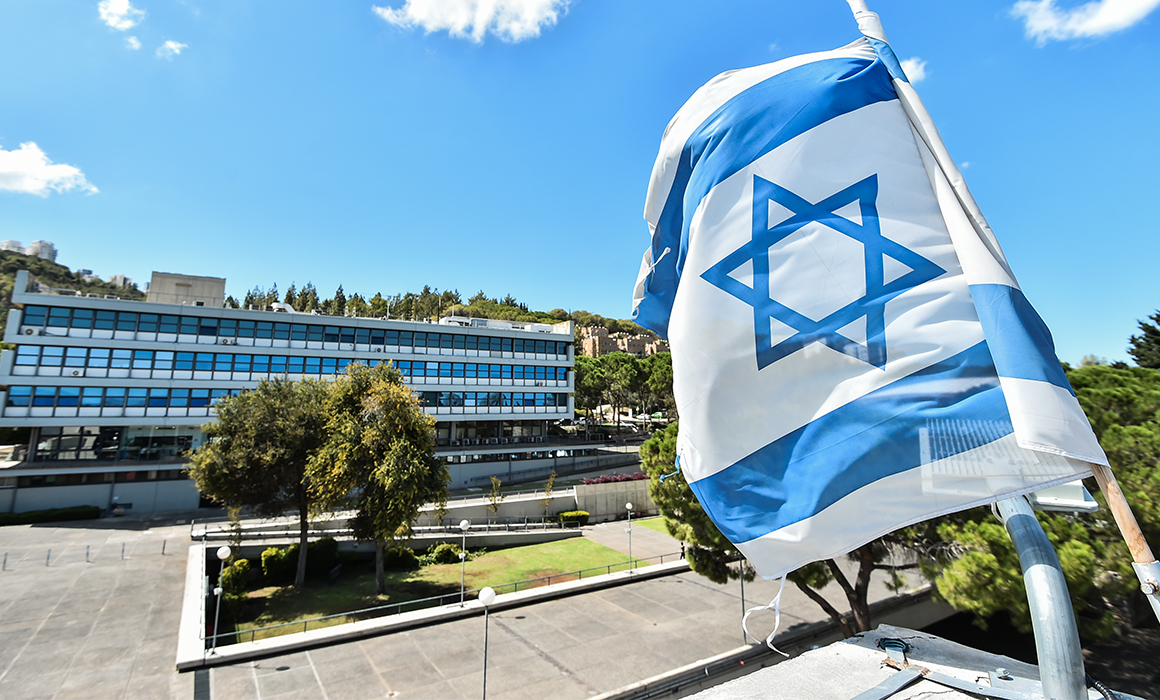
Read a special message from Professor Uri Sivan, President of the Technion. This coming Thursday, we celebrate Yom Ha’Atzmaut (Independence Day), marking the 73rd anniversary of the establishment of the State of Israel. Yom Ha’Atzmaut is preceded by Yom HaZikaron, the Day of Remembrance for all those who gave their lives in the defense of Israel. I cannot think of any other country that places side by side a solemn day of memory with a day of total celebration, acting as a sober reminder that Independence comes at a price. The two loud, ear-piercing sirens that ring through Israel’s streets…
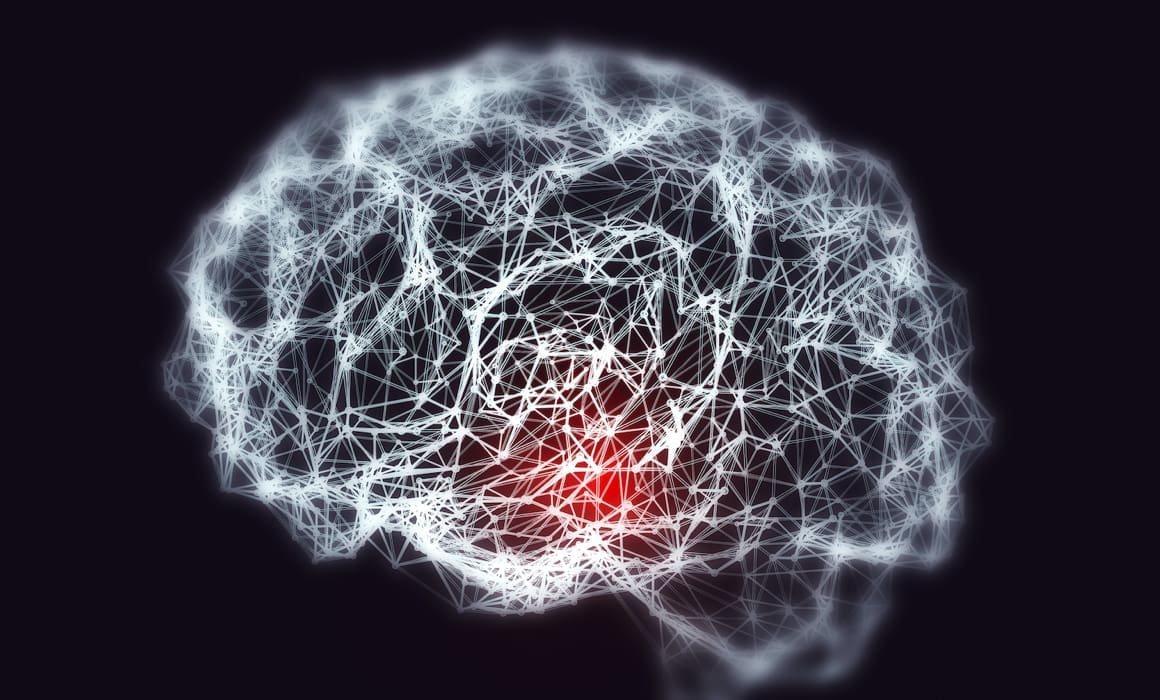
In her lab in the Allen and Jewel Prince Center for Neurodegenerative Disorders of the Brain, Technion Associate Professor Simone Engelender is focusing on the molecular mechanisms driving neurodegeneration, particularly in Parkinson’s disease. Although palliative treatments do exist, there is currently no cure for this disease, whose symptoms can range from rigidity to tremors to dementia. Parkinson’s disease triggers the degeneration of a specific brain region called the substantia nigra, where an abnormal protein known as alpha-synuclein accumulates. Prof. Engelender and her team are studying how this accumulation occurs on the molecular level and the problems to which it can…

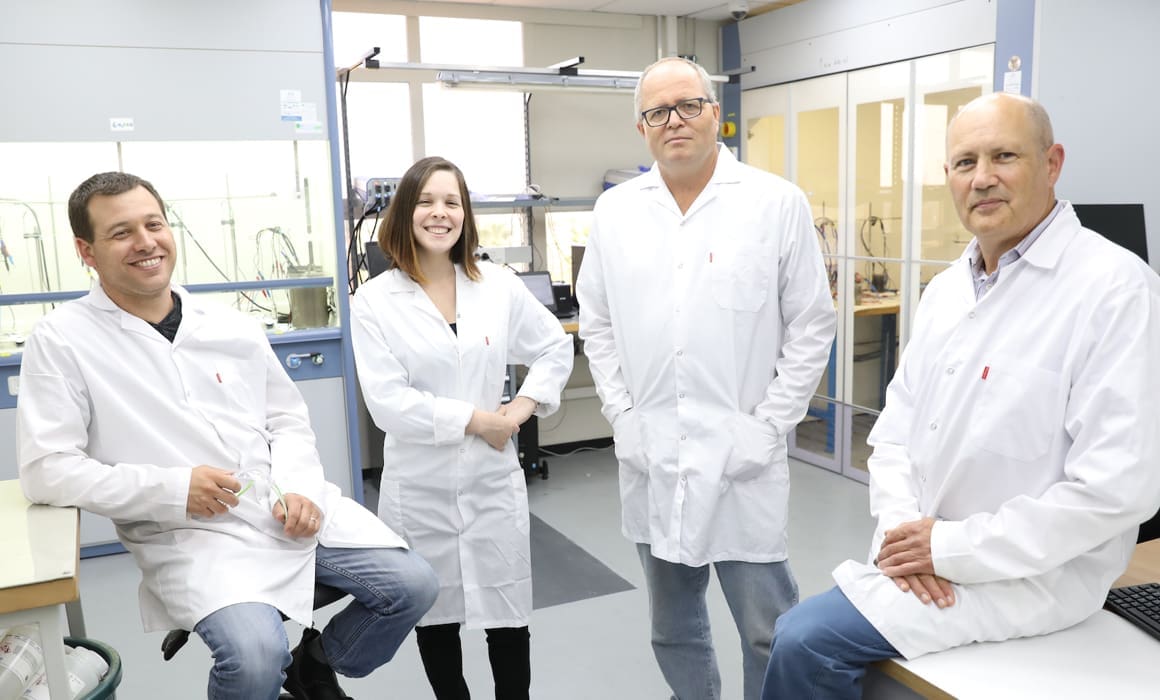
Technion-born H2Pro has taken a major step towards commercializing its innovative technology in hydrogen energy — thanks to a boost from philanthropist-climate change guru Bill Gates. His Breakthrough Energy Ventures completed a $22 million investment round into the startup, which is developing a more efficient way to make clean hydrogen fuel from electricity. Hydrogen can be stored for years, transported easily, and used to generate heat (by burning) or electricity (in fuel cells). When it is produced through clean methods of electrolysis, the only waste product is pure water, making hydrogen gas one of the most sought-after alternatives to fossil…
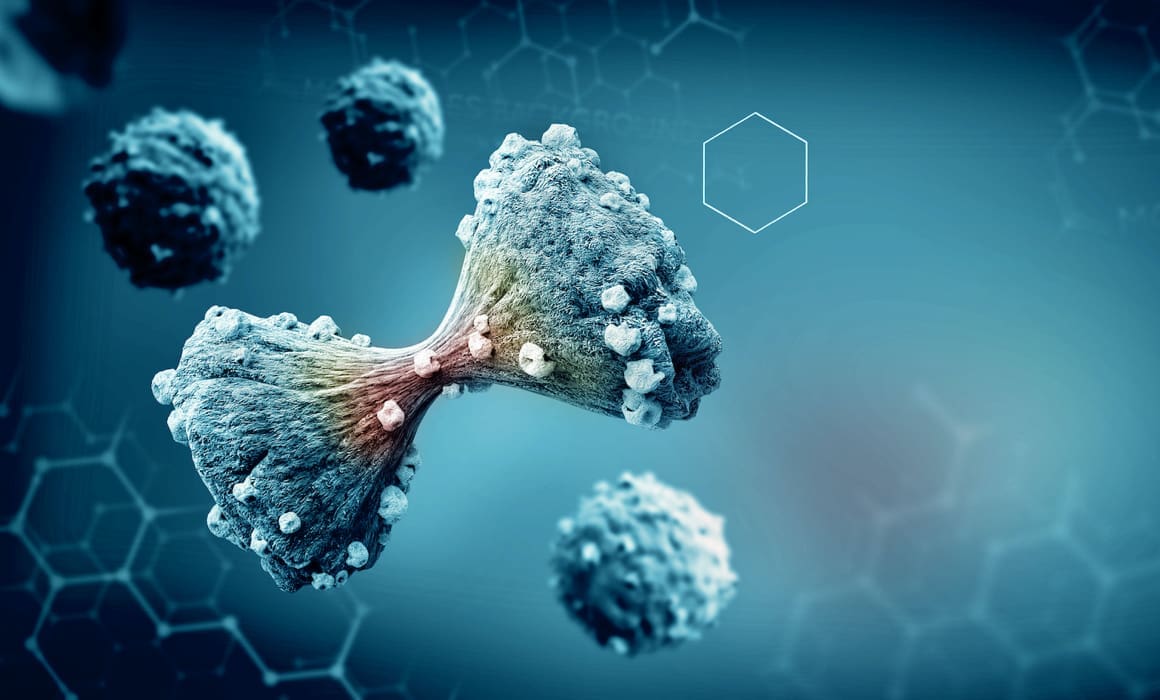
When Associate Professor Avi Schroeder, a member of the Wolfson Faculty of Chemical Engineering and head of the Louis Family Laboratory for Targeted Drug Delivery and Personalized Medicine Technologies, encountered a challenge differentiating between live cells extracted from tumors and dead cells inside them, assistance came from Professor Yuval Shaked. He provided valuable laboratory assistance that not only resolved the problem but pointed toward a new technique enhancing the study of relatively hard-to-penetrate tumors, such as those associated with pancreatic cancer. “The Rappaport Technion Integrated Cancer Center’s collaborative and cross-disciplinary approach to cancer research—involving outstanding medical doctors, engineers and basic…

The Rappaport Technion Integrated Cancer Center (RTICC) is proving itself to be a hotbed of innovation in the realm of personalized medicine. The cancer research community—both at the Technion and worldwide—has increasingly recognized that each patient can benefit from an individual course of treatment based on the particular conditions inside the body. One patient may respond well to a specific pain medication while the next patient does not. In the realm of cancer treatment, for example, a medicine designed to target HER2-positive breast cancer will be more effective in treating a patient with this variant of the disease than otherwise….

Pictured above: Students return to campus. The Technion campus opened for the 2021 spring semester on Sunday, March 21, using a model of hybrid teaching – a combination of online and frontal teaching – in accordance with the Ministry of Health’s restrictions and “green” guidelines. After a challenging year of online study, students who pre-registered and presented a vaccine certificate were able to begin returning to classrooms, campuses, and frontal learning. The Technion buildings and faculties were well prepared for the students’ return. The security unit has assigned bouncers, security guards, scouts, and certified COVID-19 inspectors on the isolated campus…
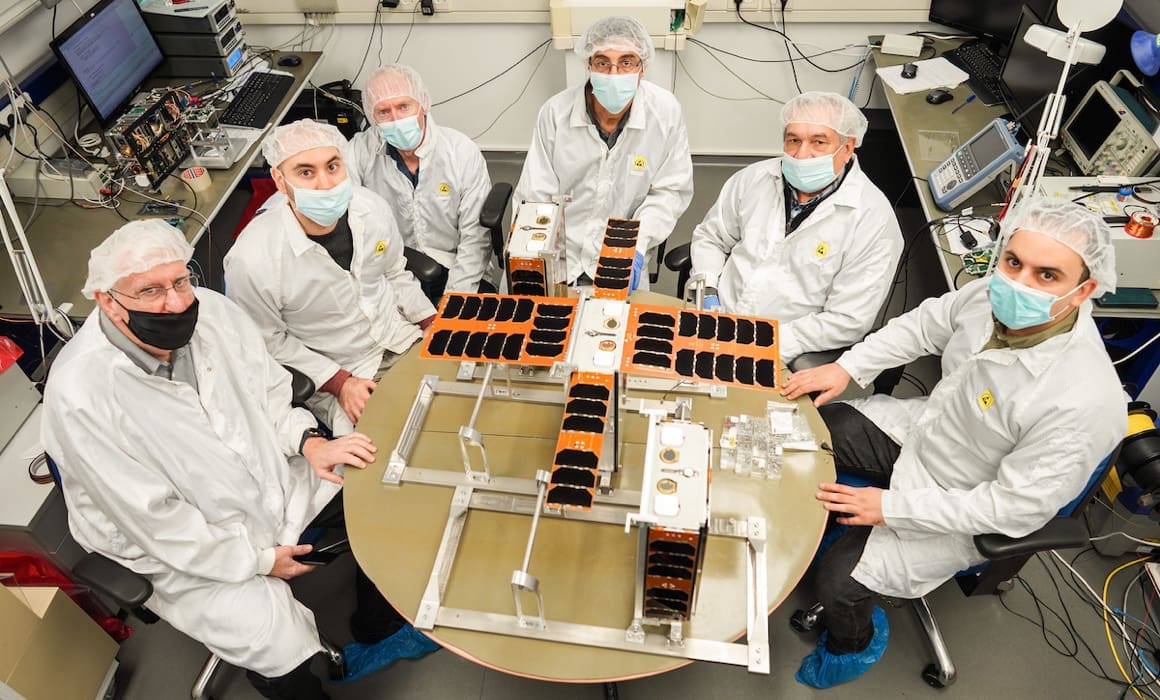
Pictured above: Engineers & researchers from the Asher Space Research Institute at Technion – Israel Institute of Technology with the nanosatellites After a two-day mechanical delay, the autonomous satellite group developed at the Technion as part of the Adelis-SAMSON project was launched into space on Monday, March 22. The satellites were launched from the Baikonur Cosmodrome in Kazakhstan – the world’s first spaceport, and the first site to send a human into space (April 1961, Yuri Gagarin). Four hours and twenty minutes after the launch, the Adelis-SAMSON satellites entered orbit. Thirty minutes later, they “woke up” and began operating. Their…

Technion Professor Hossam Haick has taken a big step forward to commercialize his acclaimed artificial nose technology into a breath test for COVID-19. His company, NaNose Medical, is partnering with California-based BrainChip Holdings Ltd., which makes artificial intelligence chips, to create an easy-to-use portable device for physicians called DiaNose that could prove more accurate than existing PCR tests. Prof. Haick’s NaNose nanosensor technology can identify signature scents of COVID-19 and other diseases in a person’s exhaled breath. In developing the COVID test, NaNose Medical collected 130 breath samples from patients with and without the virus. That data was then used…
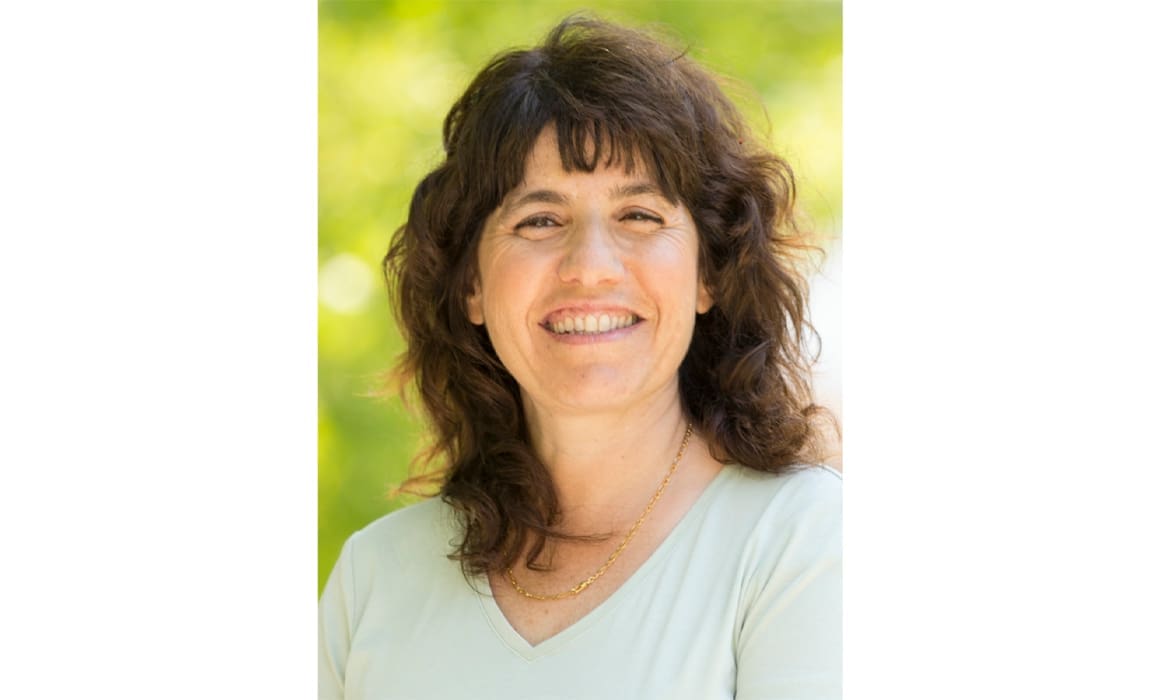
The American National Academy of Engineering (NAE) announced the admission this month of 106 new members and 23 international (non-American) members, including Dr. Yoelle Maarek, who earned her doctorate from the Henry and Marilyn Taub Faculty of Computer Science at the Technion. She is now Vice President of Research at Alexa Shopping at Amazon. Dr. Maarek is being recognized by the NAE for her “contributions to online information retrieval and data management, and leadership in applied industrial research.” After completing her undergraduate studies in engineering from the Ecole Nationale des Ponts et Chaussées in Paris, Dr. Maarek went on to…