Why the Perfect Pitch is Your Biggest Mistake
September 23, 2026

















The Technion’s story has been intertwined with Israel’s for more than a century, from laying the foundations for a new nation to shaping its future.

Step inside Israeli innovation at the David and Janet Polak Visitors Center. Experience our 360° immersive movie and tech exhibition. Open to individuals and groups.
Learn More
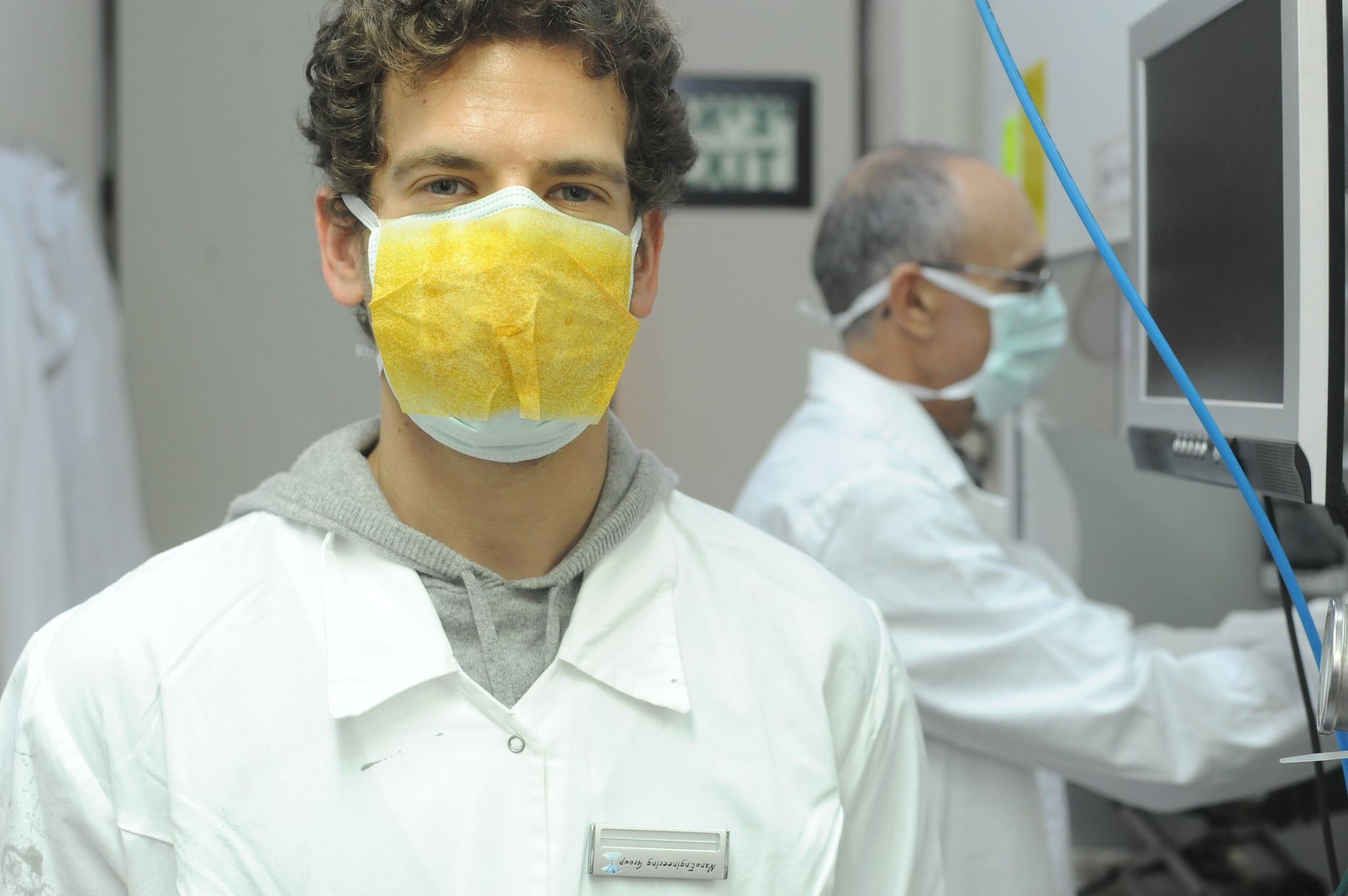
In late March, the Technion came out with one of the first personal protective equipment (PPE) developments for medical teams treating the coronavirus on the frontlines — the “Maya” sticker. Now, the adhesive decal, which boosts the efficiency of surgical masks by 100%, has gone into mass production at the Dykam paper plant in Kibbutz Ein Harod. As of mid-August, Dykam was turning out 5,000 stickers per day and had plans to increase production to one million per month. Invented by Technion Professor Eyal Zussman, who holds the Yeshayahu Winograd Chair in Fluid Mechanics and Heat Transfer in the Faculty…
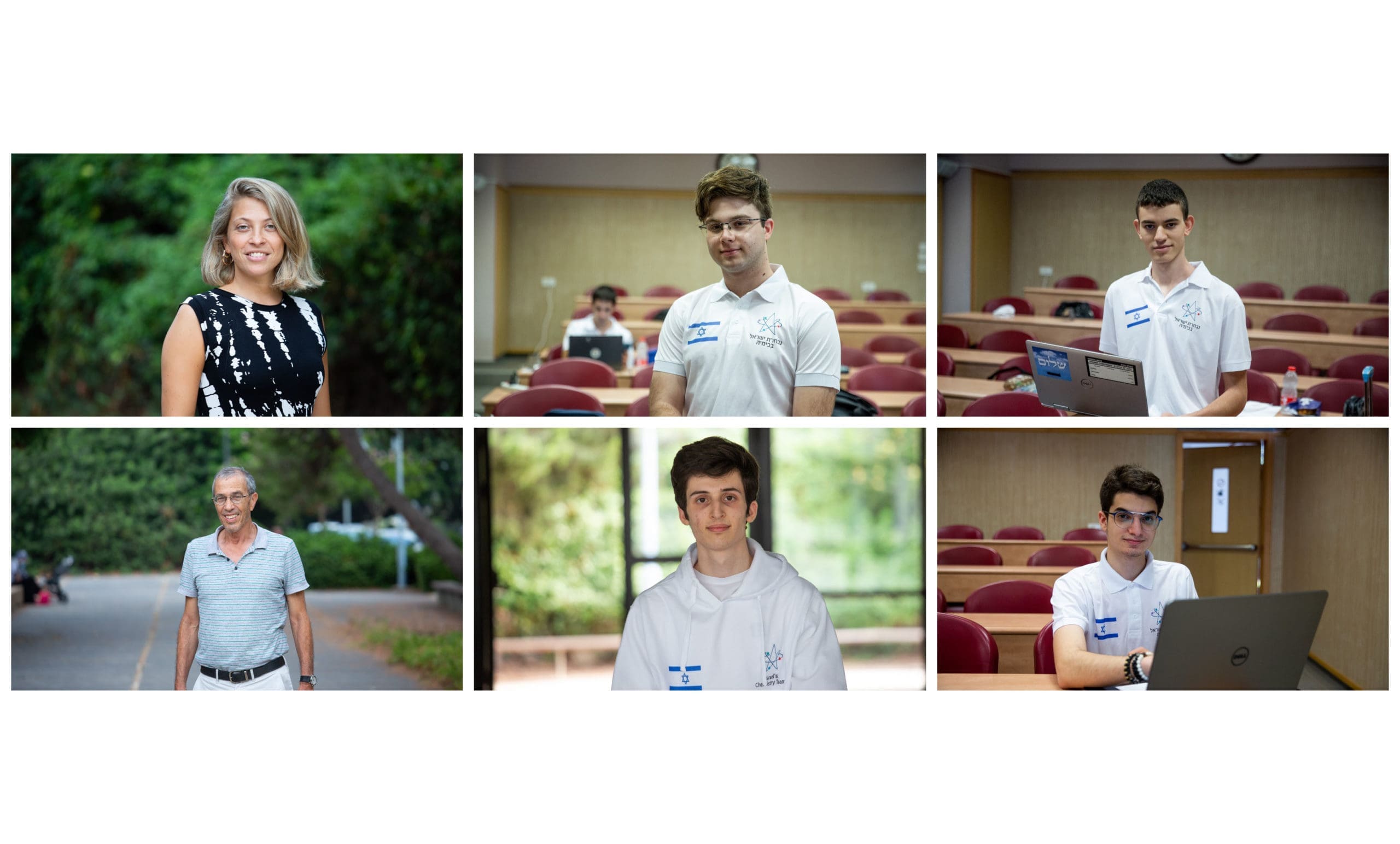
The coronavirus pandemic didn’t stand in the way for the Technion-trained Israeli Chemistry Team to win medals at the International Chemistry Olympiad (IChO), including Israel’s first gold in a decade. The annual competition tests the world’s most talented high school students on their chemistry knowledge and skills in a five-hour laboratory practical and a five-hour written theoretical exam. Israel’s four team members were among 240 young students from 60 countries around the world to compete in this year’s 52nd competition, hosted by Turkey but held virtually. “Israel’s students, the country’s future generation, reach extraordinary international achievements in science competitions time…
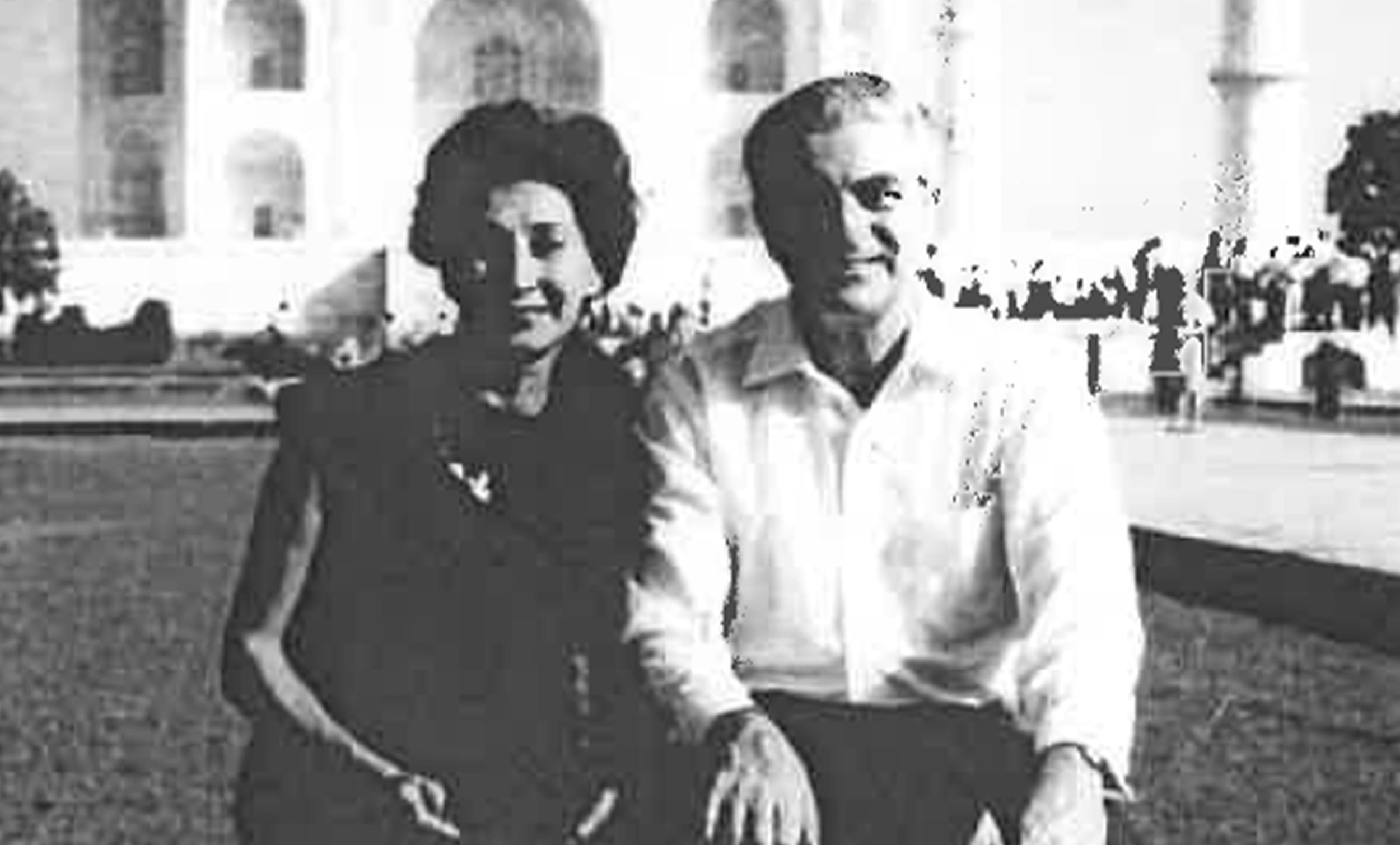
Though we did not have the fortune to know the late Lewis and Joan Lowenstein, we are grateful for their values and commitment to helping others. For many years now, the Lewis and Joan Lowenstein Foundation has funded various initiatives that support Technion students, from Second Chance Scholarships in Haifa to masters fellowships at the Joan & Irwin Jacobs Technion-Cornell Institute, to an apartment in the graduate student village at the Technion, named in honor of Lewis and Joan Lowenstein. In 2020, the Lowenstein Foundation made a gift to name the entrance lobby at the Technion’s Polak Visitor’s Center, highlighting…
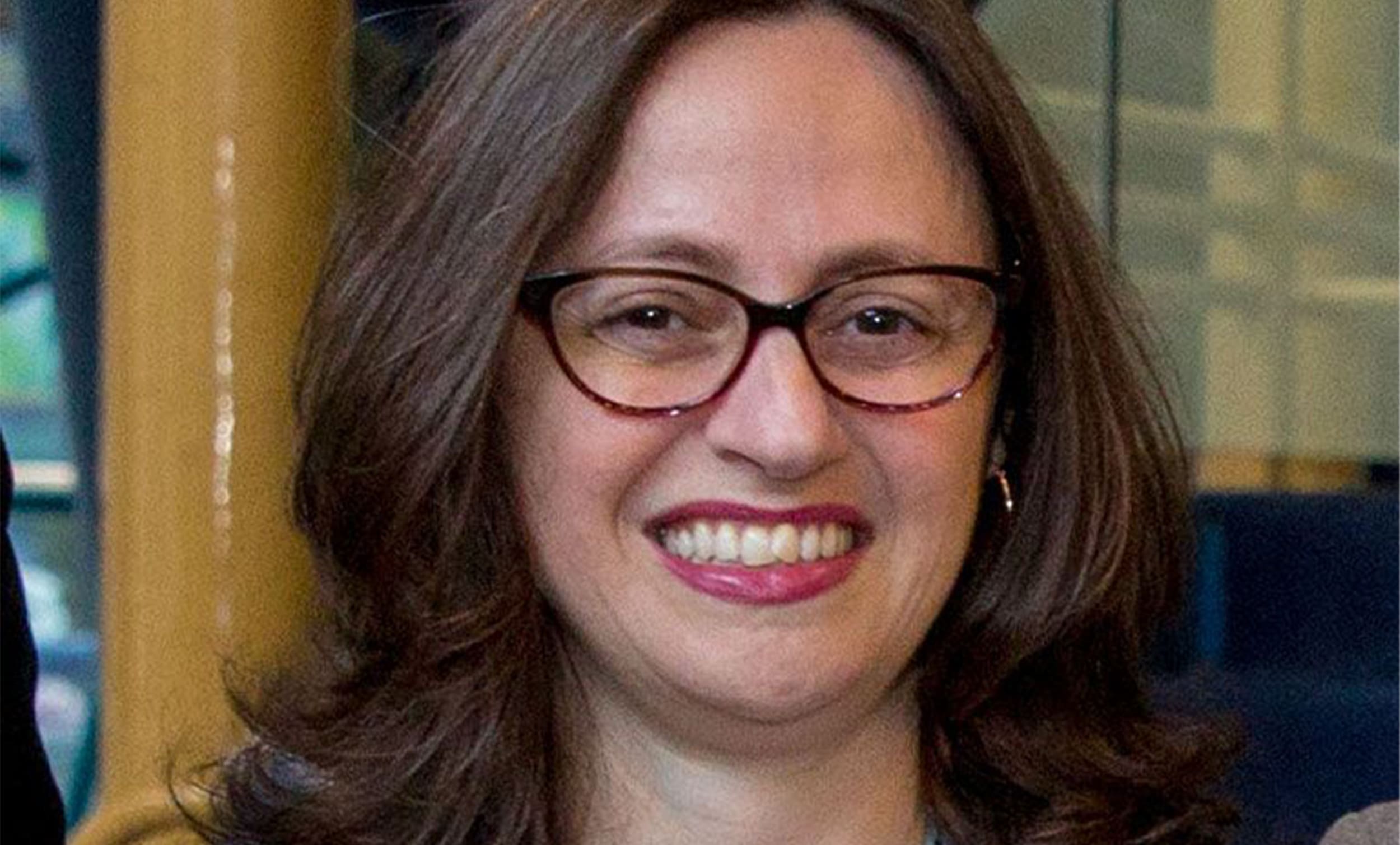
People who have just learned they have a tumor face heart-wrenching questions such as: is it cancerous? Will it spread? Metastasis, the spread of cancer cells from the primary tumor to new areas of the body, is responsible for an alarming 90% of cancer-related deaths. But knowing the risk of metastasis early on can help determine the most effective treatment and improve the patient’s outcome. A research team led by Technion Professor Daphne Weihs of the Faculty of Biomedical Engineering has developed and tested a biomechanical technology to predict whether a tumor is cancerous, and if so, the likelihood of…
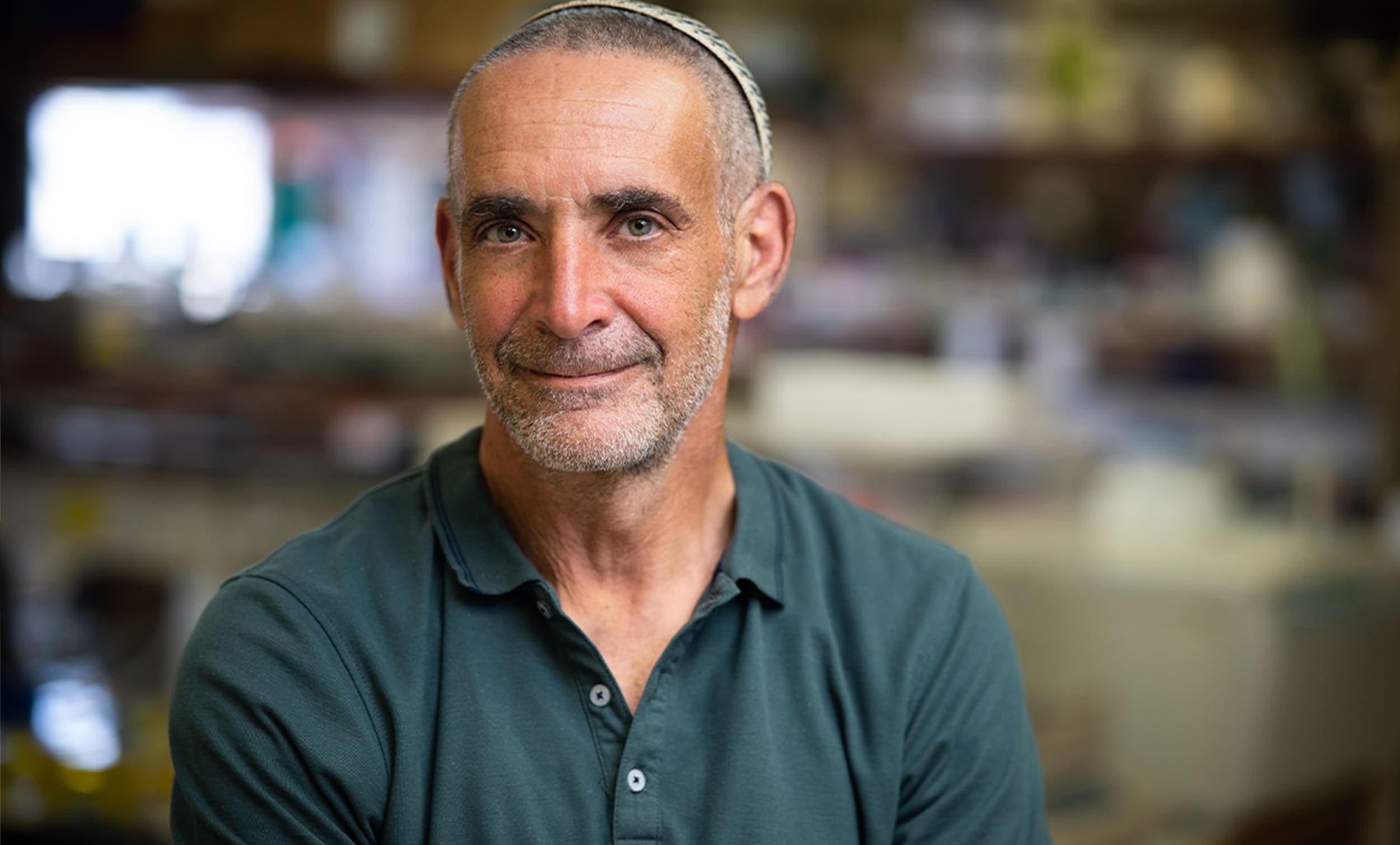
More than 30 million people in the U.S. are living with diabetes, a disease for which there is no cure. The most common treatment focuses on intensive therapy to reduce blood sugar levels, but in some diabetics this approach can actually be harmful and significantly increase mortality rates. Now, a team of researchers led at the Technion by Professor Andrew P. Levy, MD, of the Rappaport Faculty of Medicine, has developed and patented a method for predicting the safety and effectiveness of diabetes treatment for specific patients. The discovery will help physicians determine which methods to use and which to…
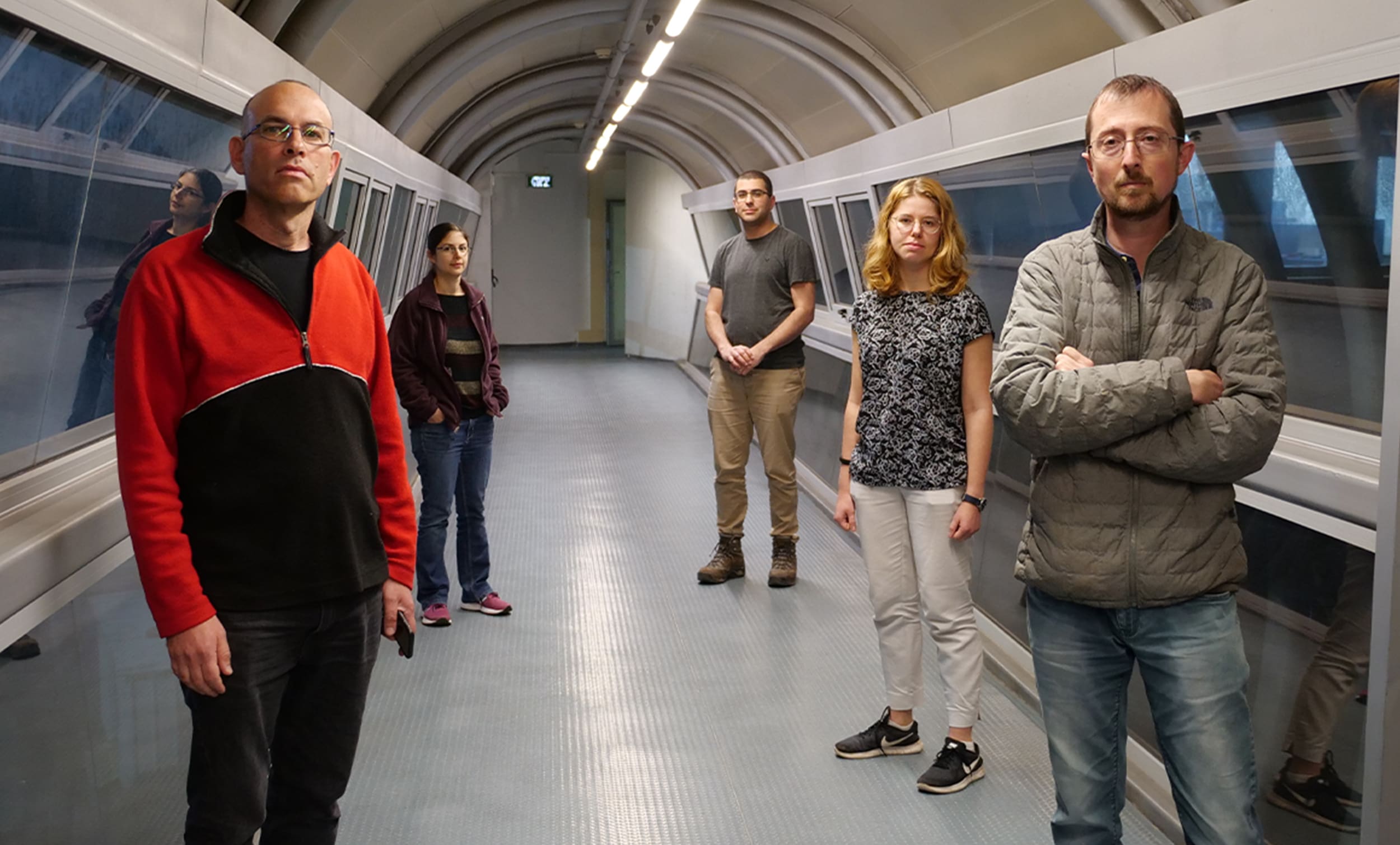
The best way to stop the spread of the coronavirus is by identifying carriers and keeping them away from healthy people. That requires testing — and a lot of it. Researchers at the Technion and Rambam Health Care Campus are undergoing a final validation of their “pooling” test, which would dramatically increase testing capacity and speed. They hope the test will be available for widespread use by winter, when people could be suffering from a second wave of coronavirus, or a combination of COVID-19 and the flu. “In winter, a lot of people will have respiratory diseases and will really…
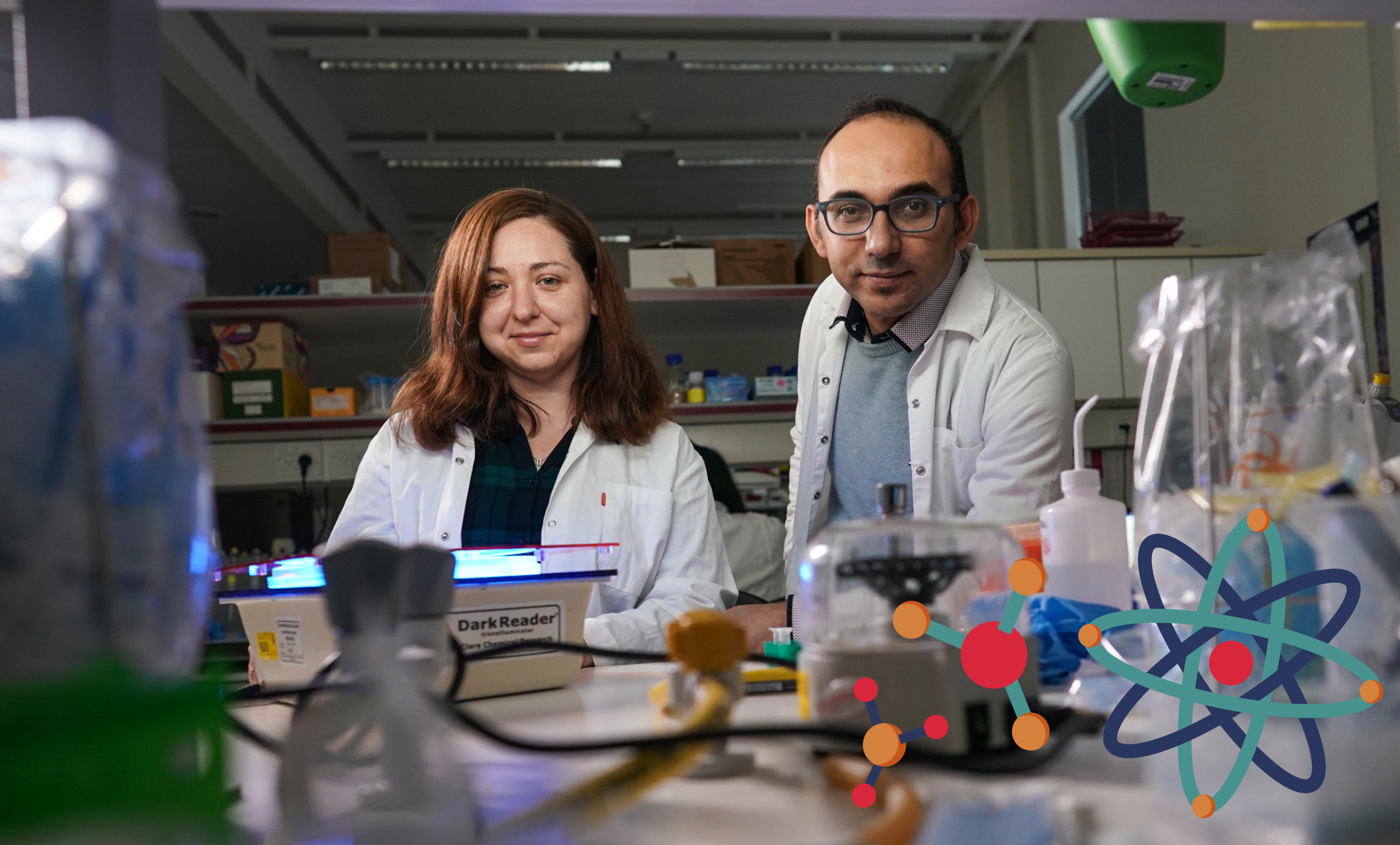
You could say tinkering is in his genes. When Ramez Daniel was only 12, he cobbled together a car that ran on electricity. Now the assistant professor in the Faculty of Biomedical Engineering at the Technion tinkers with a very different kind of material: human cells. Prof. Daniel works in the fast-growing field of synthetic biology to understand how these fundamental units of life can be engineered to treat diseases and warn of dangerous medical conditions. While pursuing his bachelor’s degree at the Technion and his graduate studies at Tel Aviv University, Prof. Daniel designed electrical circuits. “At my heart,…
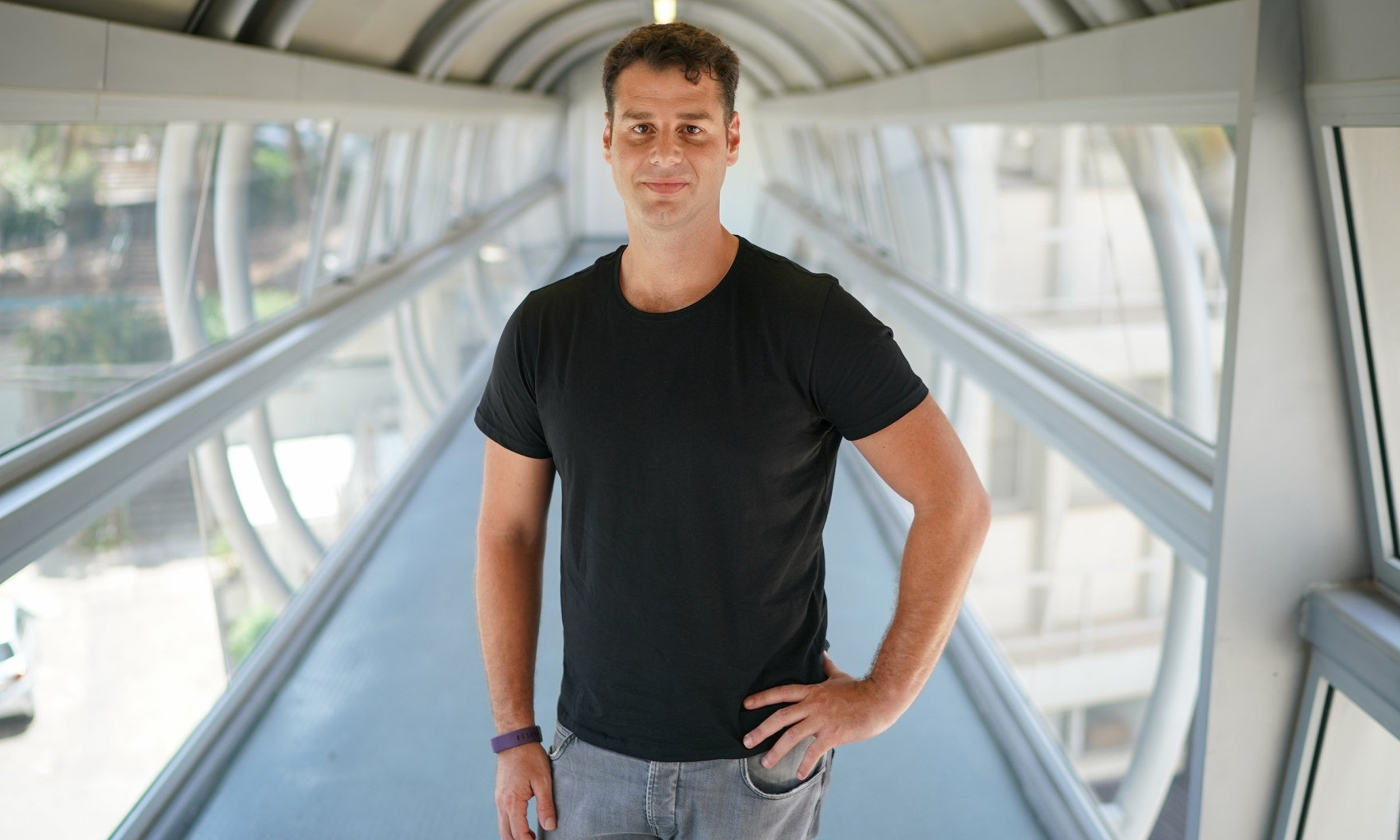
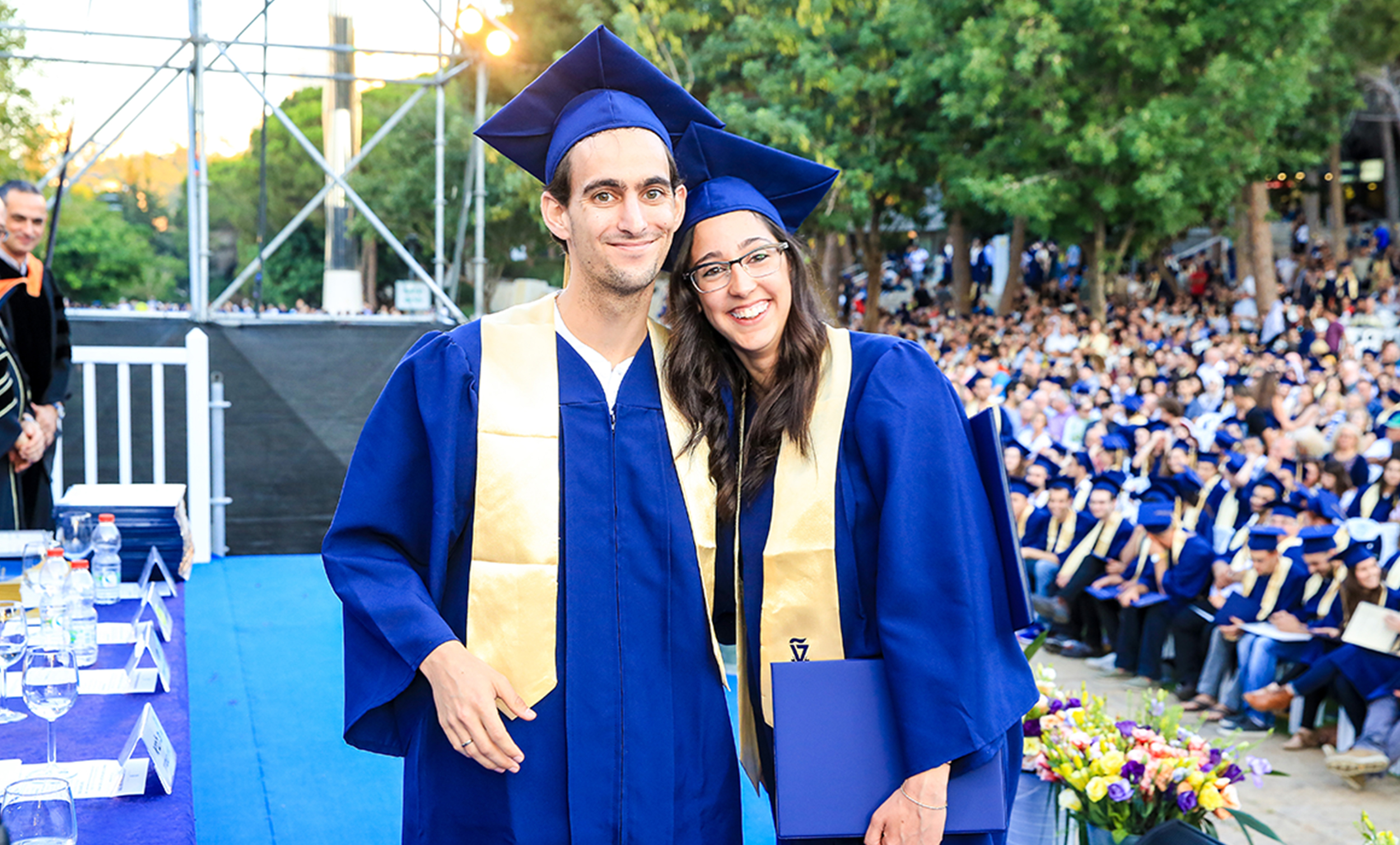
Since its first class in 1924, the Technion has graduated over 111,000 alumni. Today, more than 70% are employed in the high-tech sectors that drive Israel’s economic growth, helping to build the country’s reputation as the Startup Nation. These brilliant alumni are working for multinational giants, shattering glass ceilings, moving stock markets, and creating technologies that benefit mankind.
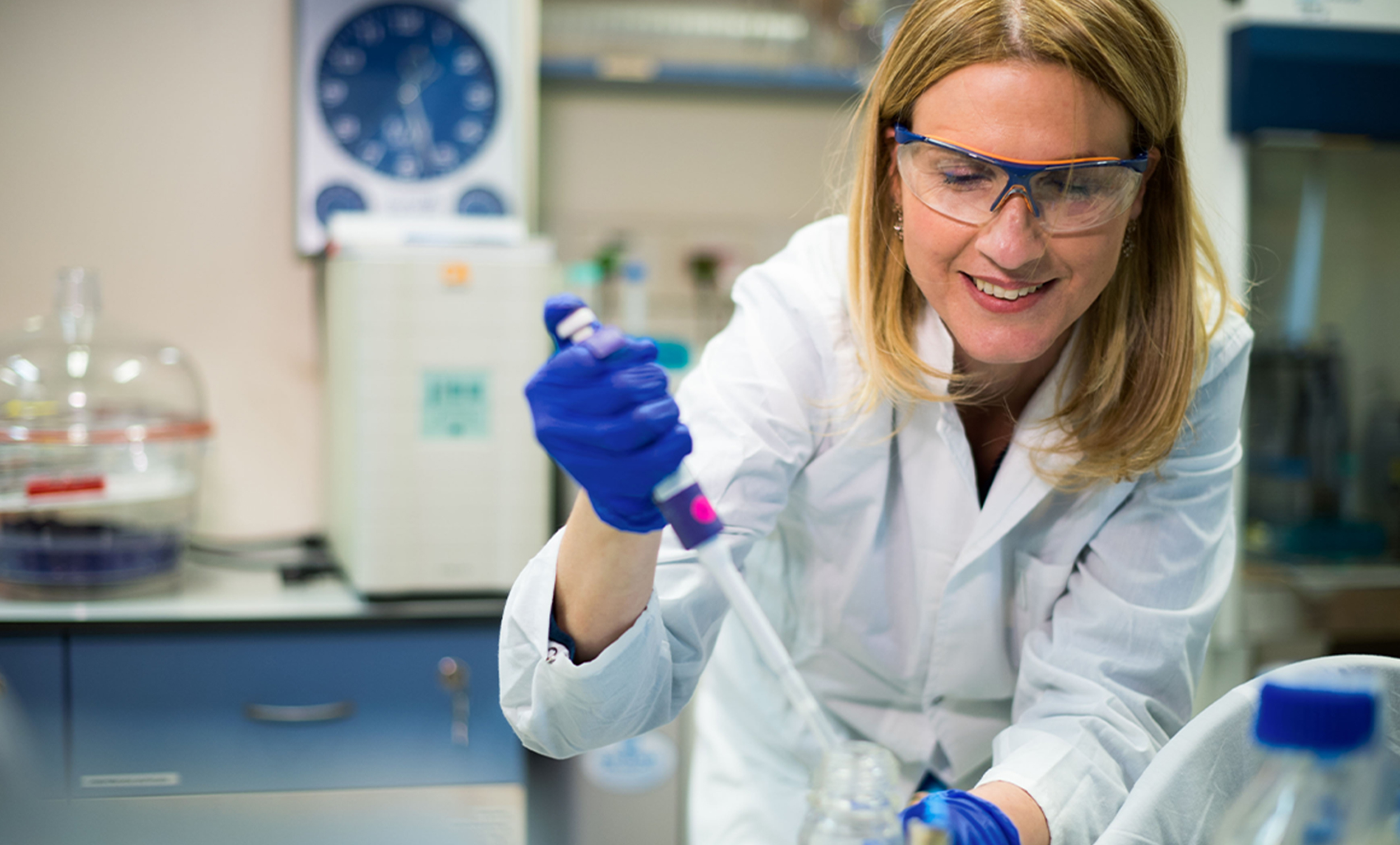
Virtually everyone has been impacted by either Alzheimer’s or Parkinson’s disease. Watching as a beloved grandparent or friend experiences cognitive decline is heartbreaking. And as the number of older Americans grows, so too will the number of cases. Americans with Alzheimer’s are slated to rise from about 5.8 million people today to 13.8 million by midcentury, while the number of Americans age 45 or older with Parkinson’s is forecasted to jump from about 930,000 today to 1,238,000 in a decade. Technion researchers are on the front lines battling both degenerative diseases. Professor Ester Segal, who often speaks with American Technion…

As a field service technician in the Israeli Air Force, Mor Hayat B.S. ’19 was responsible for preparing aircraft in the event of an attack. The planes had to be ready for action around the clock, recalls the recent Technion graduate. “The sirens could go off at four in the morning or nine at night. I needed to be alert all the time.” Except she had a problem. She’d find herself falling asleep while making her security rounds. “I fell asleep on the wings, inside the motor, under the wheels. I can’t remember a place on the plane I wasn’t…
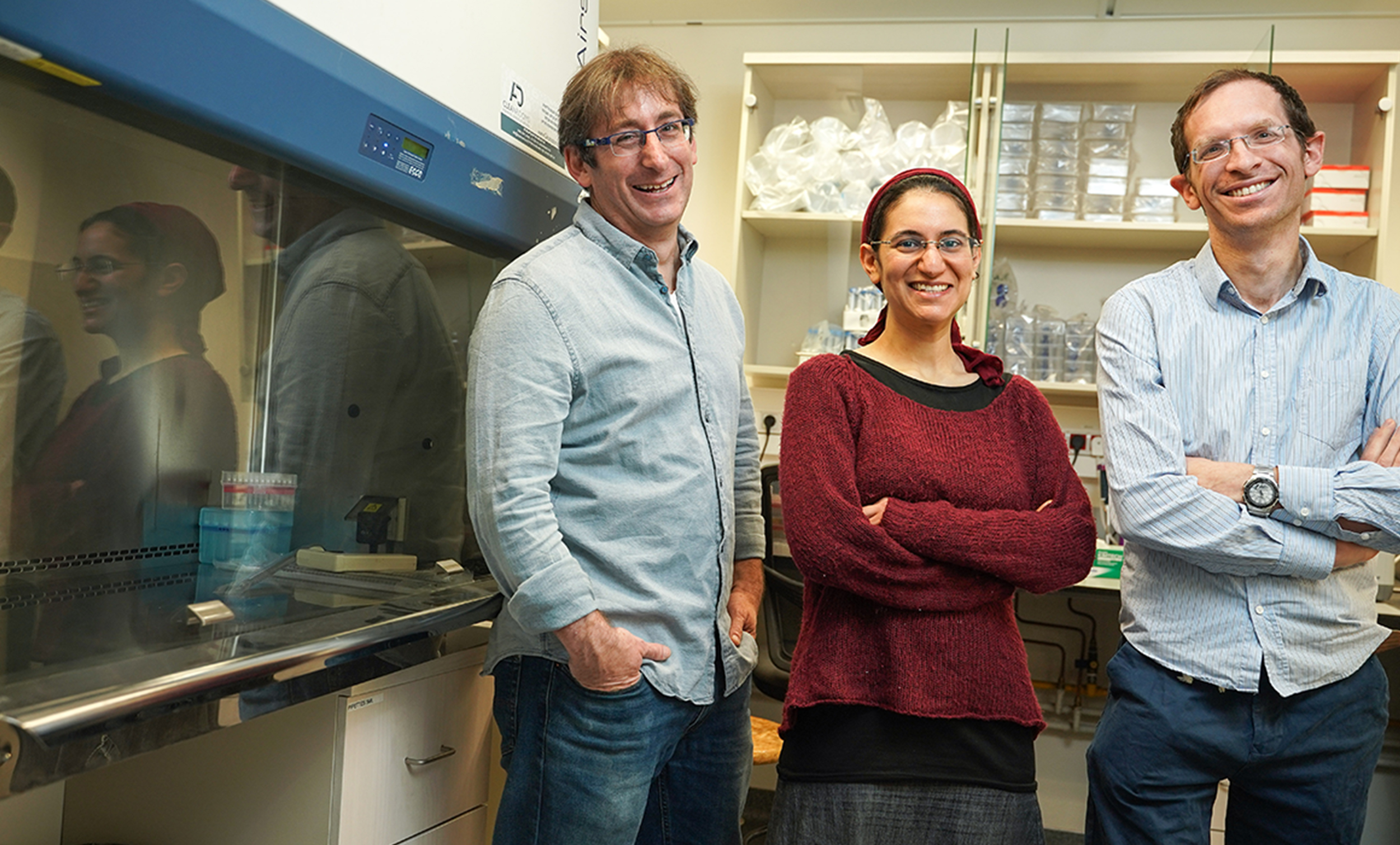
Walk through any of the Technion’s campuses, and you’ll find dozens and dozens of faculty members dedicated to research projects that push the boundaries of their fields. The Technion is committed to making sure research that can change the world reaches consumers as quickly as possible. Technion Technology Transfer (T3) is the unit that identifies the most promising research and helps bring it from the lab to the marketplace. T3 helped commercialize a drug for early-stage Parkinson’s, known as Azilect to consumers. And the new Innovation and Entrepreneurship Center, or T-Hub, serves as an umbrella for entrepreneurial ventures that encourage…