Something Fresh in the State of Denmark
October 06, 2026























The Technion’s story has been intertwined with Israel’s for more than a century, from laying the foundations for a new nation to shaping its future.

Step inside Israeli innovation at the David and Janet Polak Visitors Center. Experience our 360° immersive movie and tech exhibition. Open to individuals and groups.
Learn More
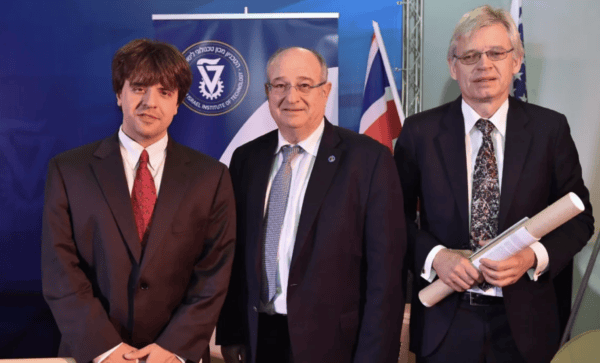
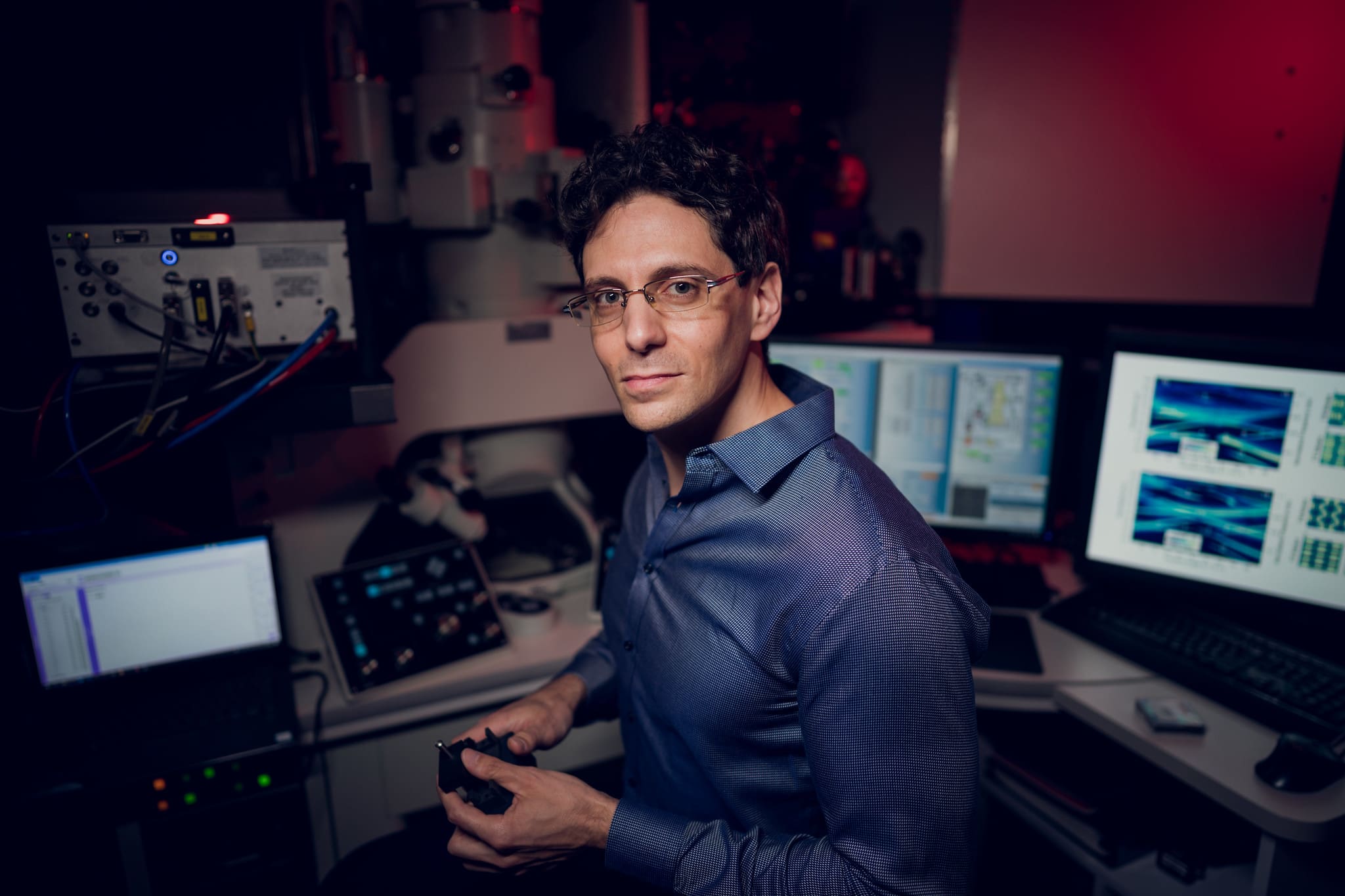
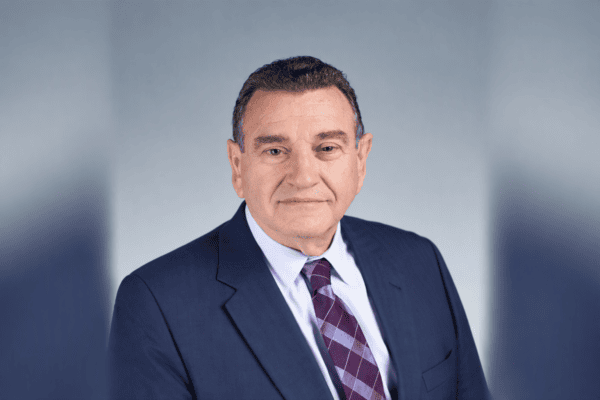
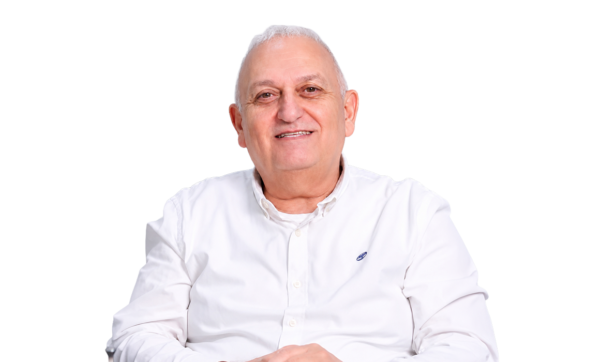
Pictured Above / Moussa Youdim
Professor Emeritus Moussa Youdim from the Rappaport Faculty of Medicine at the Technion – Israel Institute of Technology is the recipient of the 2022 Israel Prize for Life Sciences in recognition of his pioneering, groundbreaking scientific achievements in the field of neuropharmacology.
The committee noted that Prof. Youdim, “… has placed generations of undergraduates and graduates, many of whom hold key positions, in Israeli academia and in the biotechnology industry. His publications have received wide international acclaim and have won him many awards.”
Technion President Professor Uri Sivan said, “It is my honor to congratulate Prof. Youdim on being awarded the Israel Prize for Life Sciences in recognition of his transformative contributions to science and medicine. The applicative and far-reaching nature of his achievements make him a member of an elite group of scientists privileged to see their research applied to benefit humankind. Prof. Youdim’s brilliant work has brought about a dramatic change in the understanding of neurodegenerative diseases and literally transformed the quality of life of Parkinson’s patients the world over.”
Prof. Youdim was exposed to the world of brain biochemistry (neurochemistry) while at McGill University Medical School in Canada. He abandoned his medical studies to pursue a doctorate in biochemistry and psychiatry, and a few years later immigrated to Israel to lead the pharmacology department at the Technion Rappaport Faculty of Medicine.
In the Faculty of Medicine, Prof. Youdim and his colleague Professor John Finberg began developing a Parkinson’s drug together with Teva. By 1981, they knew they had an effective drug to treat Parkinson’s, but it wasn’t until 2006 that the drug Azilect® (Rasagiline) was approved by the FDA for treating Parkinson’s patients. Azilect is effective in treating various stages of Parkinson’s disease both as a single drug and in combination with the drug L-dopa. It is the first drug that not only eases the symptoms of the disease but actually slows it down, especially when given in the early stages of development.
For decades, Prof. Youdim managed the Eve Topf Center for the Study of Neurodegenerative Diseases at the Rappaport Faculty of Medicine, as well as the U.S. National Parkinson Foundation Centers of Excellence for Neurodegenerative Diseases Research. He has published about 800 articles on various topics related to the brain, brain diseases, and the nervous system. In recognition of his work, Prof. Youdim has twice won the Hershel Rich Prize from the Technion. He has also received the EMET Prize for Brain Science and close to 50 other important international awards, and now the Israel Prize.