Something Fresh in the State of Denmark
October 06, 2026



























The Technion’s story has been intertwined with Israel’s for more than a century, from laying the foundations for a new nation to shaping its future.

Step inside Israeli innovation at the David and Janet Polak Visitors Center. Experience our 360° immersive movie and tech exhibition. Open to individuals and groups.
Learn More
It’s 3:00 in the morning and you’ve been tossing and turning for hours. You’re thinking, “maybe I shouldn’t have had that late-night martini, or gotten more fresh air during the day?”
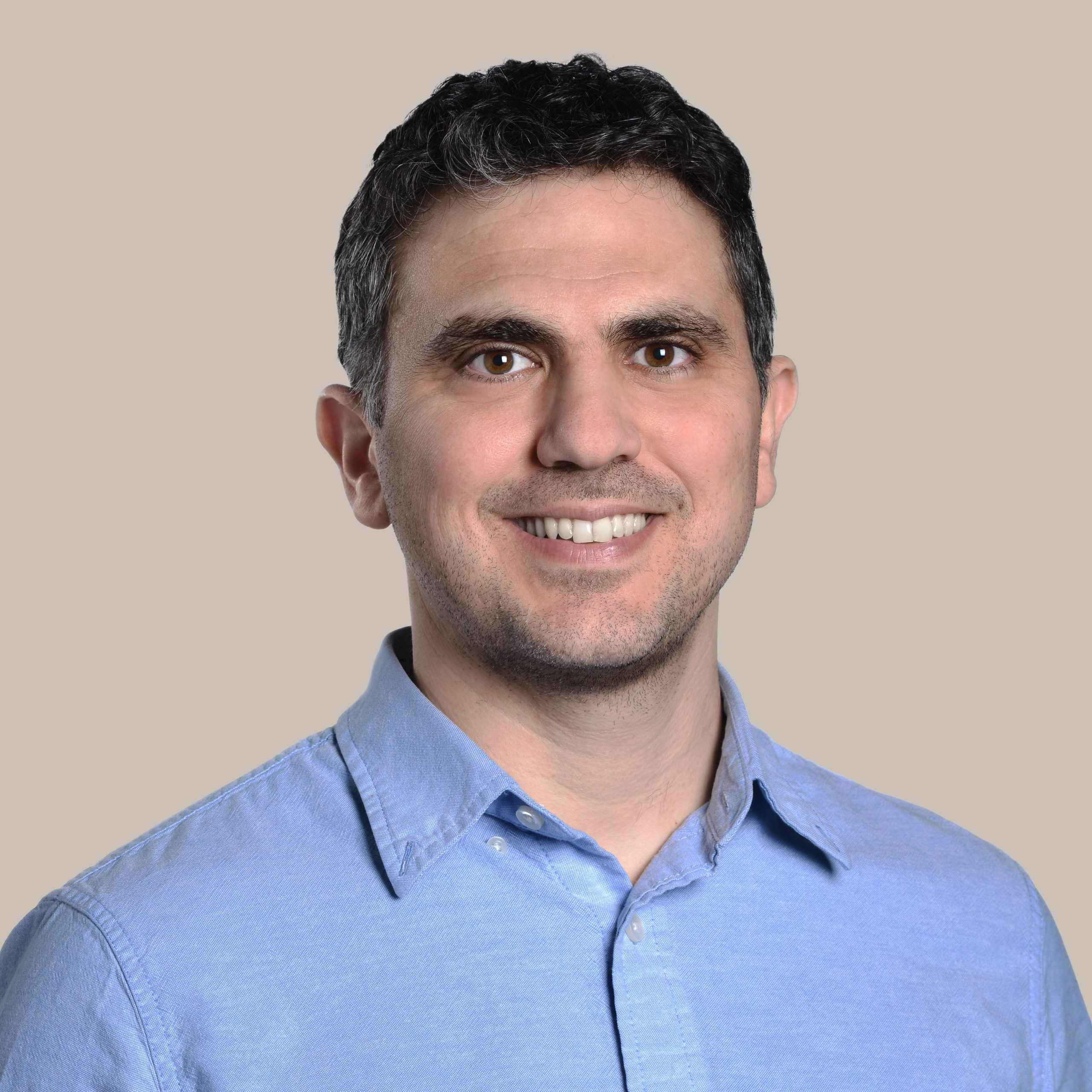
Wesper, a wireless at-home sleep kit with an app, not only analyzes your sleep but takes the information to the next level, offering actionable advice. “We help you connect the dots,” said Amir Reuveny, Wesper CEO and a graduate of the Technion.
Currently there’s a gap in the marketplace for people seeking a restful night’s sleep. “People can either go to a sleep lab, where they stay overnight in a strange place hooked up to wires with doctors watching their every breath,” said Reuveny. “Or they can track their sleep with a smartphone app or wearable.” While sleep tracking apps give information on how long and deeply you slept, what do you do with that information? “That’s where we come in,” he said.
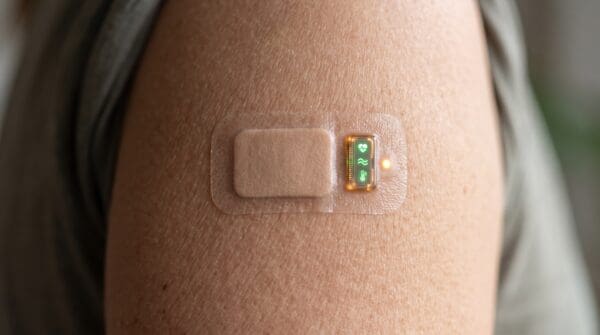
Users receive a test kit with smart lima-bean-shaped body patches. Seeing what you can’t while you’re sleeping, the sensors in the patches analyze your snoring and sleep positions, and measure heart rate and respiratory effort — gathering much of the same indicators as in a sleep clinic. The data is then analyzed by Wesper’s algorithms, and users awake to a report with some sleeping tips, i.e. stop drinking coffee earlier so it leaves your body before bedtime. First-time users have free access to a sleep specialist. Named after the calm of a whisper and a church vesper, Wesper provides medical-grade data, the accuracy of a sleep lab, and solutions — all from the comfort of your own bed.
Reuveny traces his inspiration for Wesper to his dad. “He didn’t have a good night’s sleep for years,” Reuveny recalls. He’d pace about all night, then Reuveny would find him sleeping in odd positions on the living room couch, where he had collapsed at around dawn. He was eventually diagnosed with sleep apnea.
With his dad’s struggles ingrained in his memory, and 70 million Americans suffering from chronic sleep problems, Reuveny decided to find a solution. “I wanted to make something impactful that can help people,” he said.
So in 2017, Reuveny became a fellow at the Jacobs Technion-Cornell Institute in the Runway Startup Postdoc Program, which is aimed at doctorates with an entrepreneurial bent. Its curriculum is designed to help Ph.Ds. transition from academia to business, and turn promising research into tech products and services. Qualified participants take courses and workshops on business management, receive hands-on mentoring by industry professionals, and are given a research budget. “This was the right program at the right time and in the right place,” he said.
“Runway gave me the knowledge, the training, and the time to develop my idea. Runway helped me figure out the right path so that we could obtain funding and build a team.”
While in the Runway Program, Reuveny co-founded Tatch, the predecessor to Wesper. Tatch focused on developing diagnostic technology for sleep apnea. More recently, he broadened the concept to focus more generally on sleep health and launched Wesper.
Long a member of the Technion family, Reuveny received his Technion bachelor’s degree in 2005 in both electrical engineering and physics. He earned his master’s degree from Tel Aviv University, and his Ph.D. at the University of Tokyo. He also served in the elite intelligence unit 8200 of the Israel Defense Forces.
“Treating sleep disorders is very lonely,” he said. “You don’t have a roadmap, you don’t know where to go, and you’re not in control. We created a platform that empowers people with best-in-class data and access to top notch sleep specialists to pinpoint the source of their sleeping issues.”