The Technion’s story has been intertwined with Israel’s for more than a century, from laying the foundations for a new nation to shaping its future.

From medicine to security, explore how the Technion is advancing Israel and improving lives around the world.
View All Impact Areas
Explore stories, news, insights, and data across articles, videos, and podcasts.
view all content types
of all universities in the world*
of the student body are women
companies founded by graduates and faculty in the last 10 years
The Technion’s story has been intertwined with Israel’s for more than a century, from laying the foundations for a new nation to shaping its future.
Explore ATS, the Technion, and the people behind the breakthroughs redefining what's possible for Israel and the world.
Learn More About ATSATS is a community of supporters, innovators, and champions of possibility united by one mission: transforming Israel and the world through science and discovery.
Learn MoreFor more than 100 years, the Technion has been Israel's technological engine and leading driver of innovation, technology, and entrepreneurship, transforming ideas into impact.
Learn More
Step inside Israeli innovation at the David and Janet Polak Visitors Center. Experience our 360° immersive movie and tech exhibition. Open to individuals and groups.
Learn MoreFrom medicine to security, explore how the Technion is advancing Israel and improving lives around the world.
View All Impact AreasExplore stories, news, insights, and data across articles, videos, and podcasts.
view all content typesExplore ATS, the Technion, and the people behind the breakthroughs redefining what's possible for Israel and the world.
Learn More About ATSAs Seen in the Cornell Chronicle
Everybody needs a buddy – especially Navy divers. Working underwater is physically taxing, visibility is low, and divers can easily become exhausted or suffer from insufficient oxygen or nitrogen narcosis, resulting in cognitive impairment. The problem with relying on a partner who can come to your rescue, however, is that they are vulnerable to the same conditions.
That’s why Cornell researchers are working to understand how robots can assist humans in dangerous and physically challenging environments.
“We have these tools with amazing capacity, but for them to work with people, they need to be able to understand people,” said Andrea Stevenson Won, associate professor of communication in the College of Agriculture and Life Sciences. “So if we have a robot buddy that can work with a diver when they’re doing these dangerous, challenging tasks in this really stressful setting underwater, then we can leverage all of the strength of the person – their intelligence, their ability to make good decisions quickly, to change strategies on the fly – and we can have a robot buddy that can keep them safe so that they can do that job again the next day.”
This research was done in collaboration with Joan and Irwin Jacobs Technion-Cornell Institute Assoc. Prof. Shiri Azenkot.
by
news.cornell.edu (opens in a new tab)
on
May 15, 2025
Understand the innovative Jacobs Technion research aimed at ensuring the safety of divers with the help of robotic companions in the sea.
2 mins
X (opens in a new tab) / Facebook (opens in a new tab) / LinkedIn (opens in a new tab) / Email / Copy Link
Jacobs Technion-Cornell Institute / Biotech / Engineering / Faculty /
Since October 7, 2023, the global academic community has witnessed an unprecedented surge in campaigns to ostracize Israeli universities. What began as campus protests has hardened into “silent boycotts”—institutional breaks, journal desk rejections, and quiet exclusions from research consortia. Yet, those leading this isolation campaign fail to realize a fundamental truth: cutting ties with Israeli […]
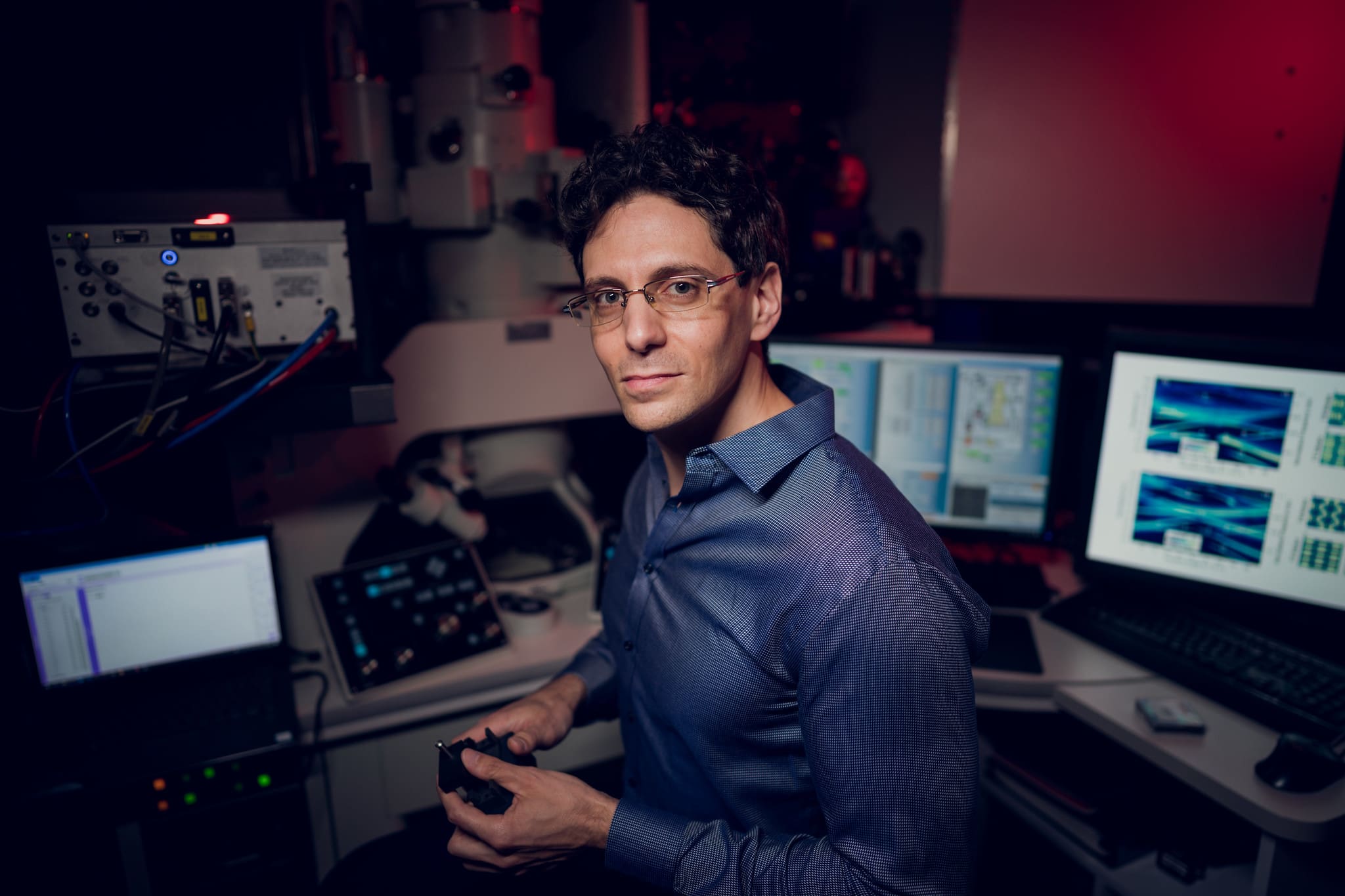
Dark points within a changing wave pattern can shift faster than light, even while the waves carrying energy move far more slowly. An electron microscopy experiment has tracked that counterintuitive behavior in a thin material sample. The moving features are locations where a measured wave field cancels to zero. Their motion describes an evolving pattern, […]
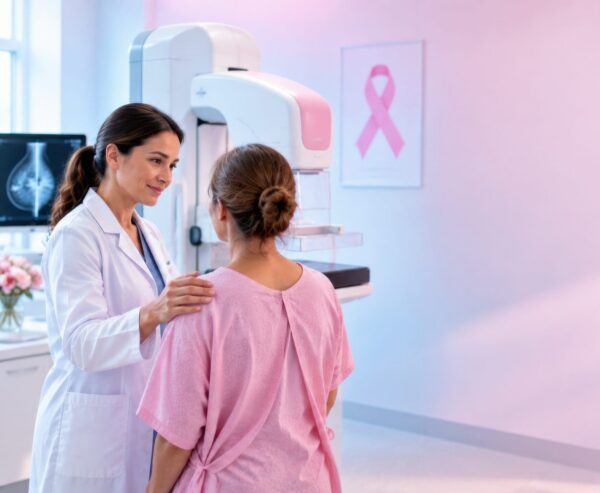
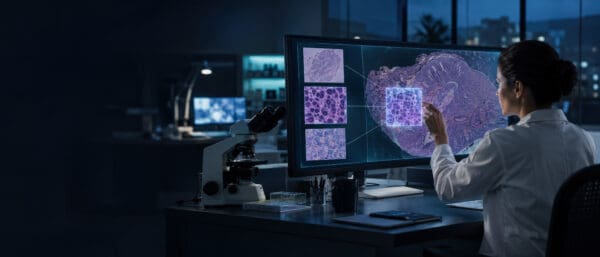
A Breakthrough From the Technion Together with collaborators from leading medical centers in Israel, the United States, Europe, and Australia, Shamai and his team at the Technion have developed an AI model that predicts both the risk that breast cancer will return and whether a patient is likely to benefit from chemotherapy — offering a […]
Stay on top of the latest breaking scientific discoveries from Israel and the Technion. Subscribe to the ATS newsletter.