Something Fresh in the State of Denmark
October 06, 2026




























The Technion’s story has been intertwined with Israel’s for more than a century, from laying the foundations for a new nation to shaping its future.

Step inside Israeli innovation at the David and Janet Polak Visitors Center. Experience our 360° immersive movie and tech exhibition. Open to individuals and groups.
Learn More

A new implant developed at the Technion – Israel Institute of Technology may offer a self-regulating treatment for diabetes, according to a new study in collaboration with MIT, Harvard, Johns Hopkins University, and the University of Massachusetts. The study, led by Assistant Professor Shady Farah of the Faculty of Chemical Engineering at the Technion, was peer-reviewed and was published in Science. It introduced a “living, cell-based implant” that works as a pancreas and is protected against immune rejection by a novel system. According to the statement, the implant “continuously senses blood-glucose levels, produces insulin within the implant itself, and releases…

While our understanding of artificial intelligence’s exact impact on society remains incomplete, its potential to touch every sector of our lives is well known and highly promising for science and scientific discoveries. However, we are at a critical juncture where we must answer lingering concerns and questions surrounding AI’s influence on society before continuing to scale its power. What kinds of data should AI models be able to access? Is AI safe to use in healthcare? Will AI eliminate much-needed jobs? Ultimately, what does it look like to develop and use AI technology responsibly and ethically? We acknowledge that we…

Prof. Jacob “Yasha” Grobman has been appointed the new director of the Israel Museum and will take up the post in March, the museum announced Tuesday. Grobman is a full professor at the Faculty of Architecture and Town Planning at the Technion – Israel Institute of Technology in Haifa, where he served as dean from 2019 to 2022. He is also the founder and principal of Grobman Architects, an award‑winning firm specializing in public construction. In addition to his academic and professional work, Grobman has curated and initiated exhibitions in museums and galleries and has written architectural programs for cultural…

As technology becomes more ingrained in daily life, domestic abusers and perpetrators of human trafficking are using it in insidious new ways that can target their victims even from a distance. That’s why Nicola Dell, a computer and information scientist at Cornell Tech, studies technology-facilitated abuse and how to stop it. Her pioneering work helps survivors of intimate partner violence and human trafficking so they can regain their personal and digital safety. Dell’s research focuses on predicting and warding off the potential actions of attackers who can bypass many types of security precautions simply through their intimate knowledge of their…

Led by a repeat founder and a world-renowned robotics pioneer, the Israeli startup EndoCure has developed a robotic platform capable of producing 3D images with 10 times the density of an MRI. “Current imaging methods, MRI, CT, and manual ultrasound, often fail to detect small or deep tumors, are highly operator-dependent, and are either expensive, invasive, or inconsistent,” says EndoCure. “This creates major gaps in diagnosis, delays in treatment, unnecessary surgeries, and poor patient outcomes.” Founded in 2023 by Dr. Hadas Ziso, a repeat founder with 20 years of MedTech experience, and Prof. Moshe Shoham, a robotics pioneer who was…

If New York City hopes to maintain its international reputation as a technological powerhouse, then it must recognize and accelerate the vital role international collaboration plays in its progress. Cornell Tech and the Joan & Irwin Jacobs Technion–Cornell Institute on Roosevelt Island make clear the undeniable local and global benefit of academic collaboration across borders and how its impact extends far beyond the sum of its parts. In 2010, when the city requested proposals from leading universities to create an academic hub focused on applied sciences, entrepreneurship and job creation, Cornell University and the Technion – Israel Institute of Technology…
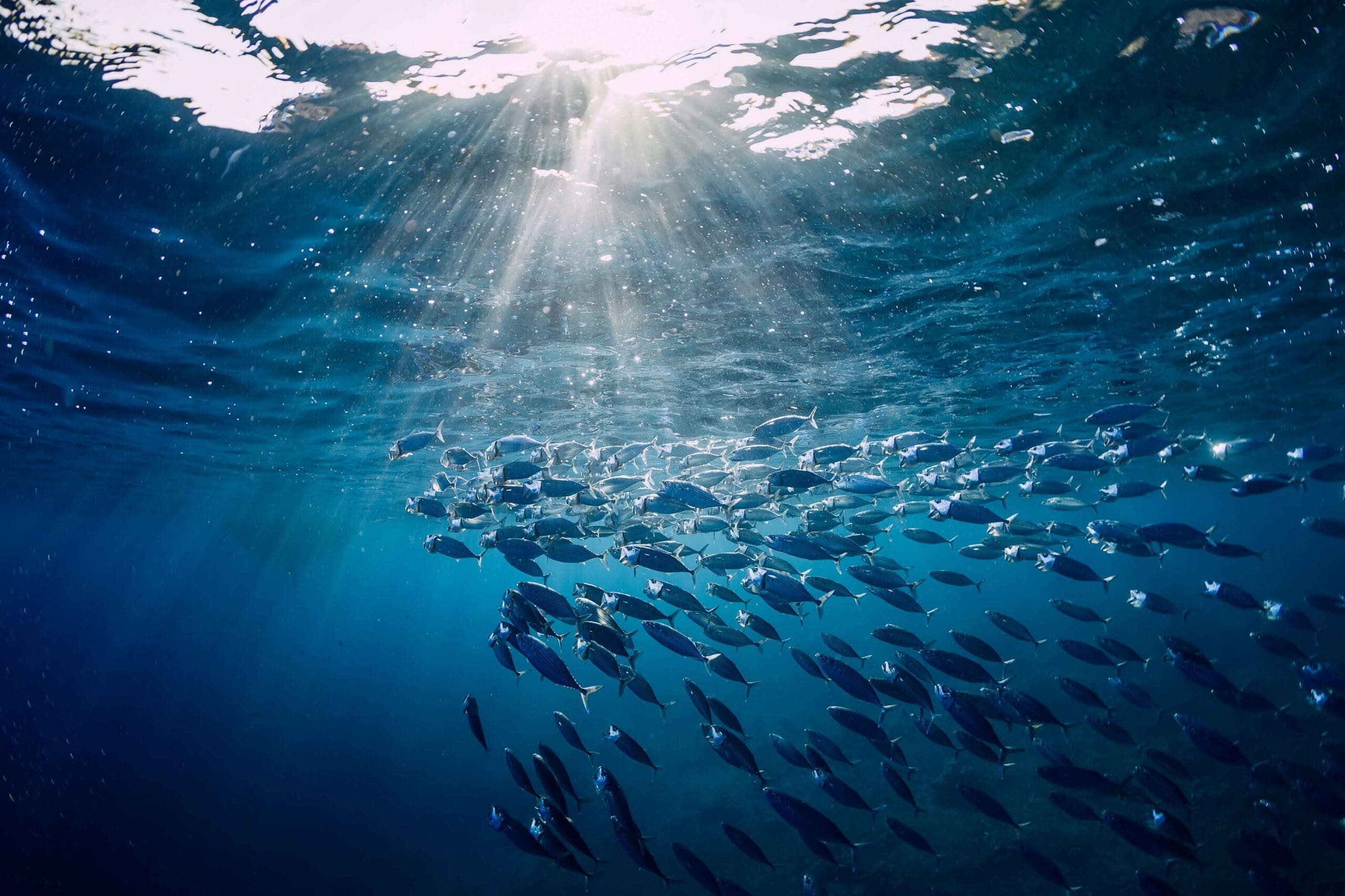
A new Israeli study shows that listening to the sounds fish make while eating can enable real-time monitoring, early detection of disease and more precise feeding in aquaculture ponds. The research will be presented on Tuesday at the International Sea The Future 2026 conference in Eilat, hosted by the Agriculture and Food Security Ministry and the Negev, Galilee and National Resilience Ministry. Contrary to the common perception of the underwater world as silent, it is in fact rich with sound. Marine environments are filled with communication signals between animals, noises created by movement and even sounds accompanying everyday activities such…
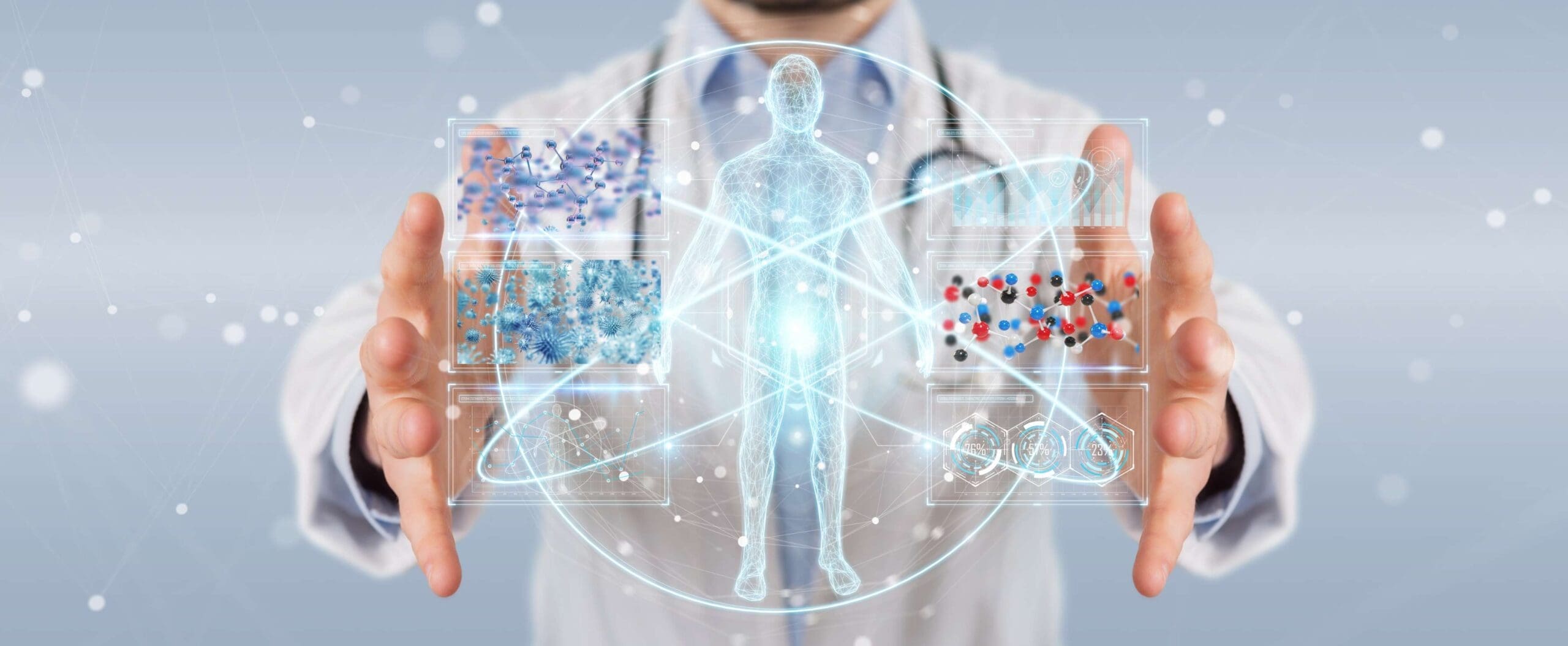
Israeli researchers have developed an innovative method that enables medicine to be manufactured within the body itself. The pioneering approach, not yet tested on humans, uses live, harmless bacteria that act like tiny factories, producing therapeutic proteins inside the body, exactly where they are needed. “We are accustomed to thinking that to introduce a drug into the body, it must be manufactured in a factory and then delivered via a capsule or an injection,” said Prof. Boaz Mizrahi of the Technion – Israel Institute of Technology’s lab for biomaterials in the Faculty of Biotechnology and Food Engineering. “This could be…
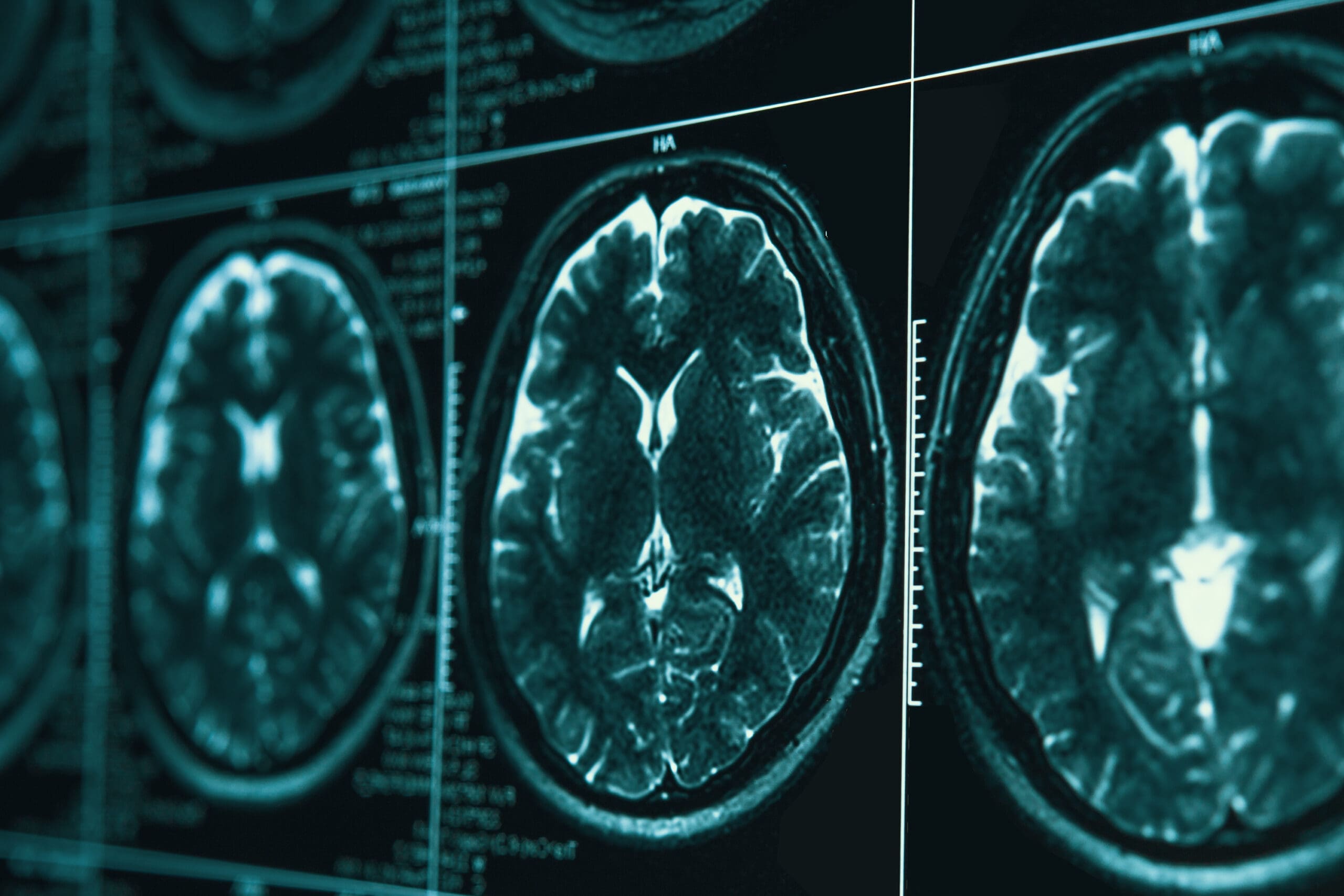
In a surprising discovery, researchers at the Technion – Israel Institute of Technology have found that a cellular system tasked with disposing of toxic proteins—crucial in preventing Alzheimer’s disease—may actually be helping the disease spread across the brain. The study, led by Professor Michael Glickman, dean of the Technion’s Faculty of Biology, and postdoctoral researcher Dr. Ajay Wagh, reveals that, instead of breaking down defective proteins inside the cell, neurons may be pushing this “trash” into surrounding brain tissue. Their findings were published recently in the journal Proceedings of the National Academy of Sciences (PNAS). At the heart of the…

There are at least two key resources vital for human existence and progress: Water and power. Israel has partly solved the water problem, with state-of-the-art desalination technology. Engineers figured out how to force high-pressure seawater through semi-permeable membranes that filter out salt and other impurities, leaving behind desalinated water – a process known as reverse osmosis. Some of the desalinated water is actually pumped into the Sea of Galilee, which is desperately shallow. As for energy, offshore natural gas deposits have helped ensure a reliable source of electric power for all Israelis, plus an unprecedented $35 b. gas contract for…

Over the past decade, there has been a growing understanding that we need to rethink not just how we build the structures of the future, but from what materials we build them. The main reason is that the construction industry is one of the world’s leading sources of environmental pollution. Cement production—the most widely used building material—alone accounts for roughly 8% of global carbon emissions. In response, science and technology are advancing to develop alternative, sustainable building materials with lower carbon footprints, often based on recycled resources while preserving strength and quality. As part of a joint initiative by researchers…

SpaceX has transformed the aerospace industry with its reusable rockets — radically lowering the cost of lifting satellites into space while bringing internet service to all corners of the globe with its Starlink network. Now, Elon Musk’s privately held company is eyeing what could be the largest initial public offering ever as it faces multiple challenges — including landing Americans on the moon, satisfying the billionaire’s ambitious if quixotic desires to colonize Mars and potentially putting AI data centers into orbit. The company is seeking to raise more than $30 billion with an IPO perhaps late next year that would…