Something Fresh in the State of Denmark
October 06, 2026





























The Technion’s story has been intertwined with Israel’s for more than a century, from laying the foundations for a new nation to shaping its future.

Step inside Israeli innovation at the David and Janet Polak Visitors Center. Experience our 360° immersive movie and tech exhibition. Open to individuals and groups.
Learn More

Japan has failed twice to make its mark on the moon in the last 12 months, but optimism surrounds its latest attempt which could see the Asian nation become the fifth country to touch the lunar surface. “I have no reason to believe that Japan wouldn’t be successful,” said Kari Bingen, director of the Aerospace Security Project and a senior fellow in the International Security Program at the Center for Strategic and International Studies (CSIS). “The two failures they had earlier were very different ones.” Bingen warned that despite the country’s strong space science program, the mission is “very technically…
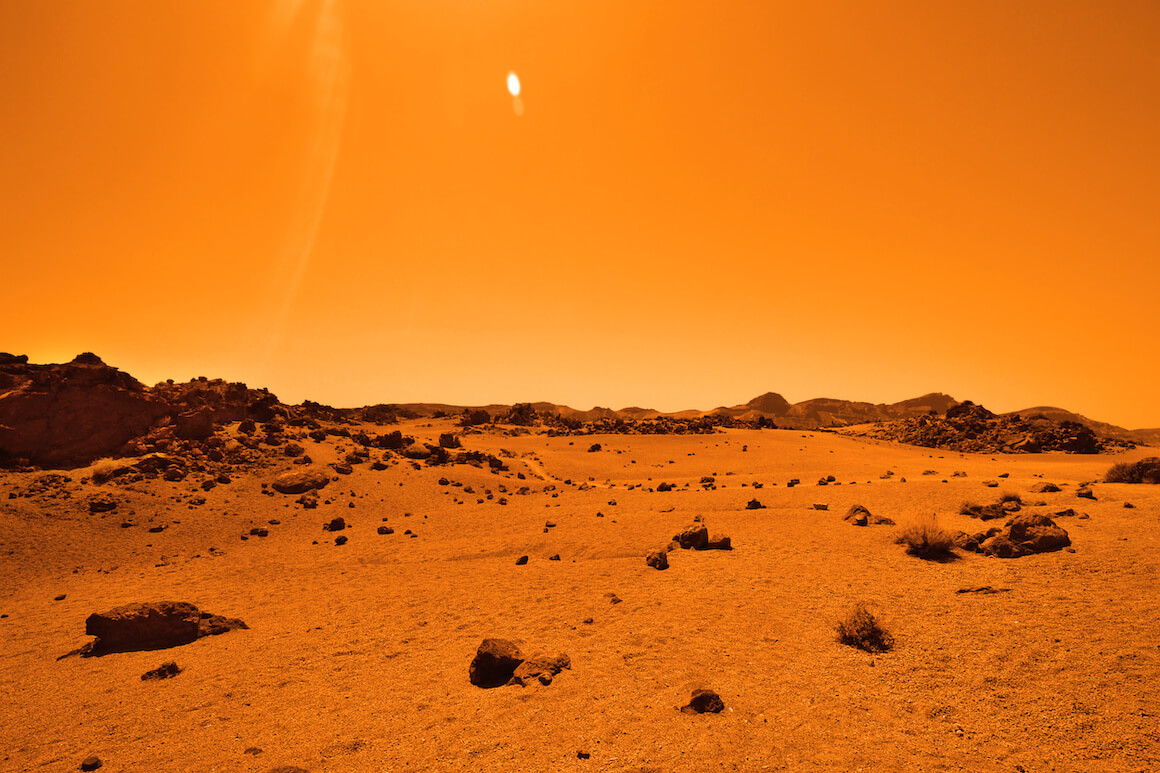
Mars is one of the most explored components of the solar system, yet there are always more discoveries to unveil on Earth’s planetary neighbor. On Earth we are able to take direct measurements to understand our planet’s meteorological activities, but on Mars scientists must use evidence in the landscape to discern this information instead. One such feature of the red planet’s landscape are barchan dunes in deserts, crescent-shaped sand dunes formed by wind patterns predominantly in one direction in areas with a limited supply of sand. Such aeolian-derived dunes are significantly impacted by the atmospheric circulation on the planet’s surface, with new research published in Geophysical Research Letters finding…

Private space companies like Virgin Galactic Holdings Inc. and Blue Origin could provide a significant booHow Pst to the speed and frequency of space research projects, according to Moran Bercovici, a mechanical engineering professor at the Technion – Israel Institute of Technology. Bercovici is involved in the Fluidic Telescope Experiment (FLUTE) with NASA, which aims to revolutionize space astronomy. He feels that private space companies have a great deal to offer scientific research. “They make space more accessible to research teams around the world,” he told MarketWatch. “In the future, the private companies have all the incentives to streamline this…
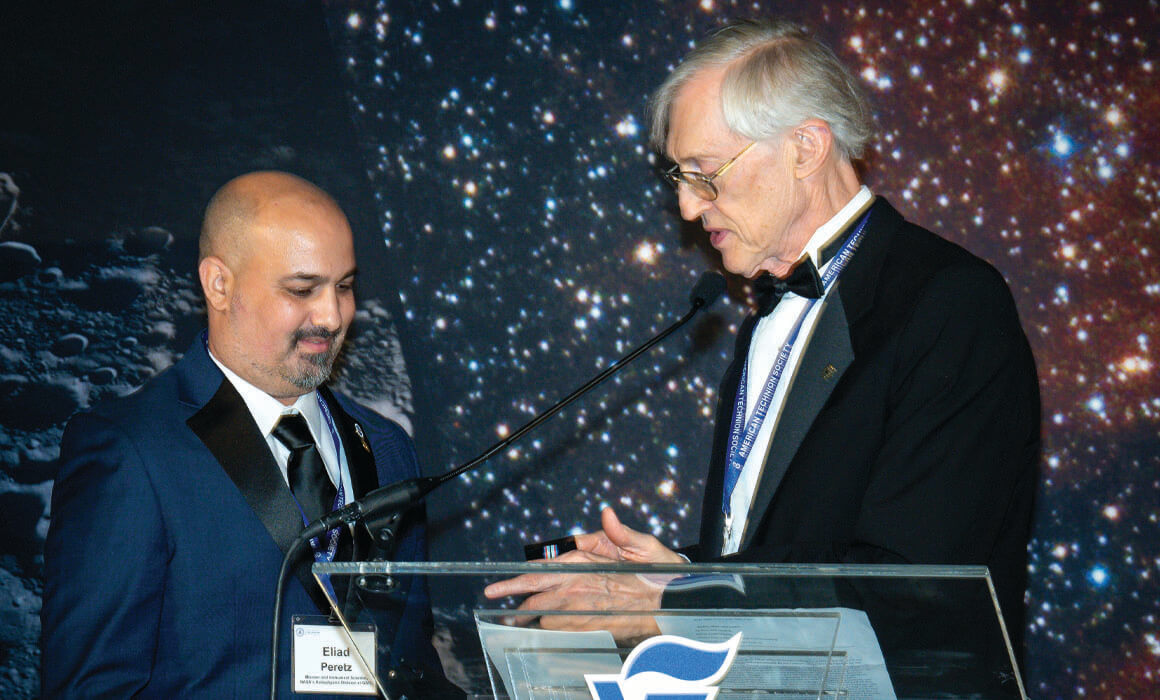
Eliad Peretz ’13 was just 10 years old when he decided what he wanted to do in life. Helping his grandfather harvest olives, the pair would return at dusk, “lay back on blankets on the lawn, and look up at the sky,” Dr. Peretz recalled. “Those were the moments that helped me identify my path.” By fifth grade, he wrote what he called his first five-year plan, already knowing he wanted to work at the National Aeronautics and Space Administration (NASA). Earlier this year, the NASA scientist and Technion alumnus was awarded the NASA Exceptional Achievement Medal — entering the…
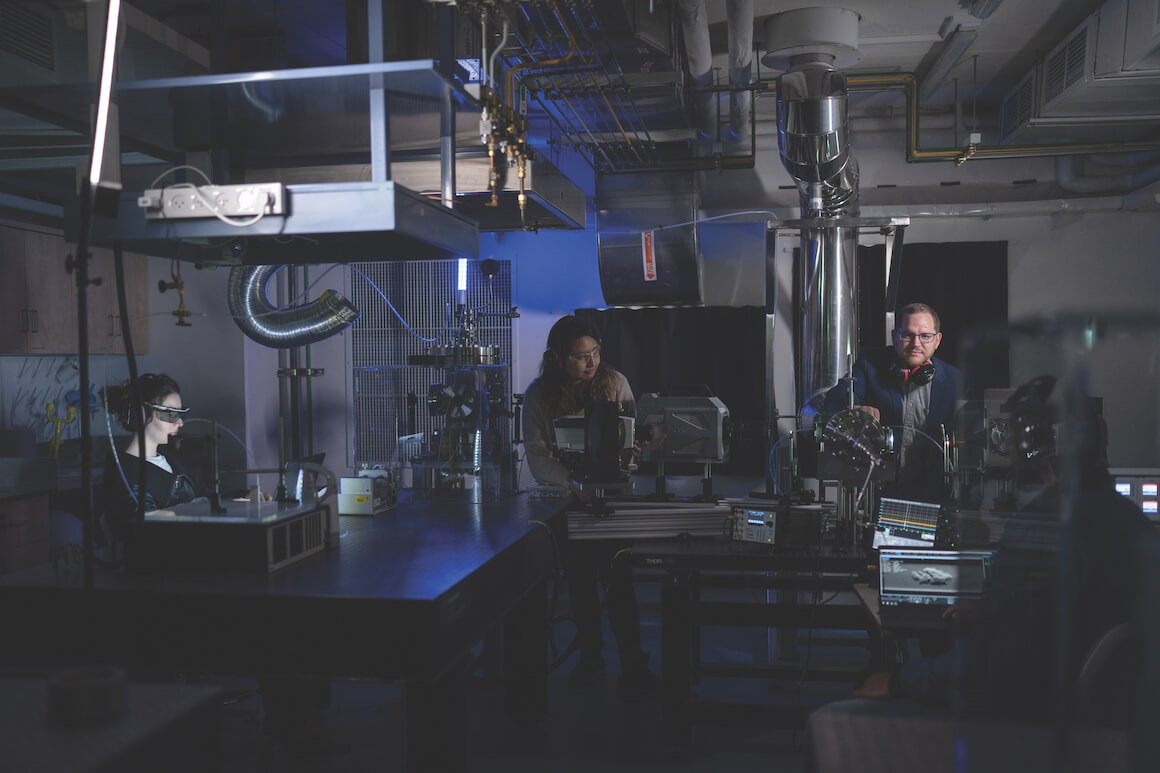
A decade from now, travelers could be flying in a jet that emits no carbon into the atmosphere. The fuel powering that aircraft may have its origins in the Technion’s Faculty of Aerospace Engineering. Technion researchers are working on a variety of projects to develop alternative jet fuels derived from ammonia and hydrogen. While considerable barriers remain, both substances — when produced cleanly with renewable power — have the potential to run jet engines as well as gas turbines to generate carbon-free electricity. “If you want to live in a world where we reduce the carbon dioxide in the air…

With the ongoing climate crisis and the speed with which it is hitting us, more and more researchers and entrepreneurs are looking for solutions outside of the box. Experts warn that these ideas are very dangerous, that the governments do not fully know how to deal with climate engineering, and that billionaires are looking at this as yet another frontier from which they can profit. In a series of interviews, Calcalist spoke to various climate experts about innovative solutions to tackle the crisis. “We won’t succeed in reducing greenhouse gas emissions to zero,” says Professor Yoram Rosen, head of the…
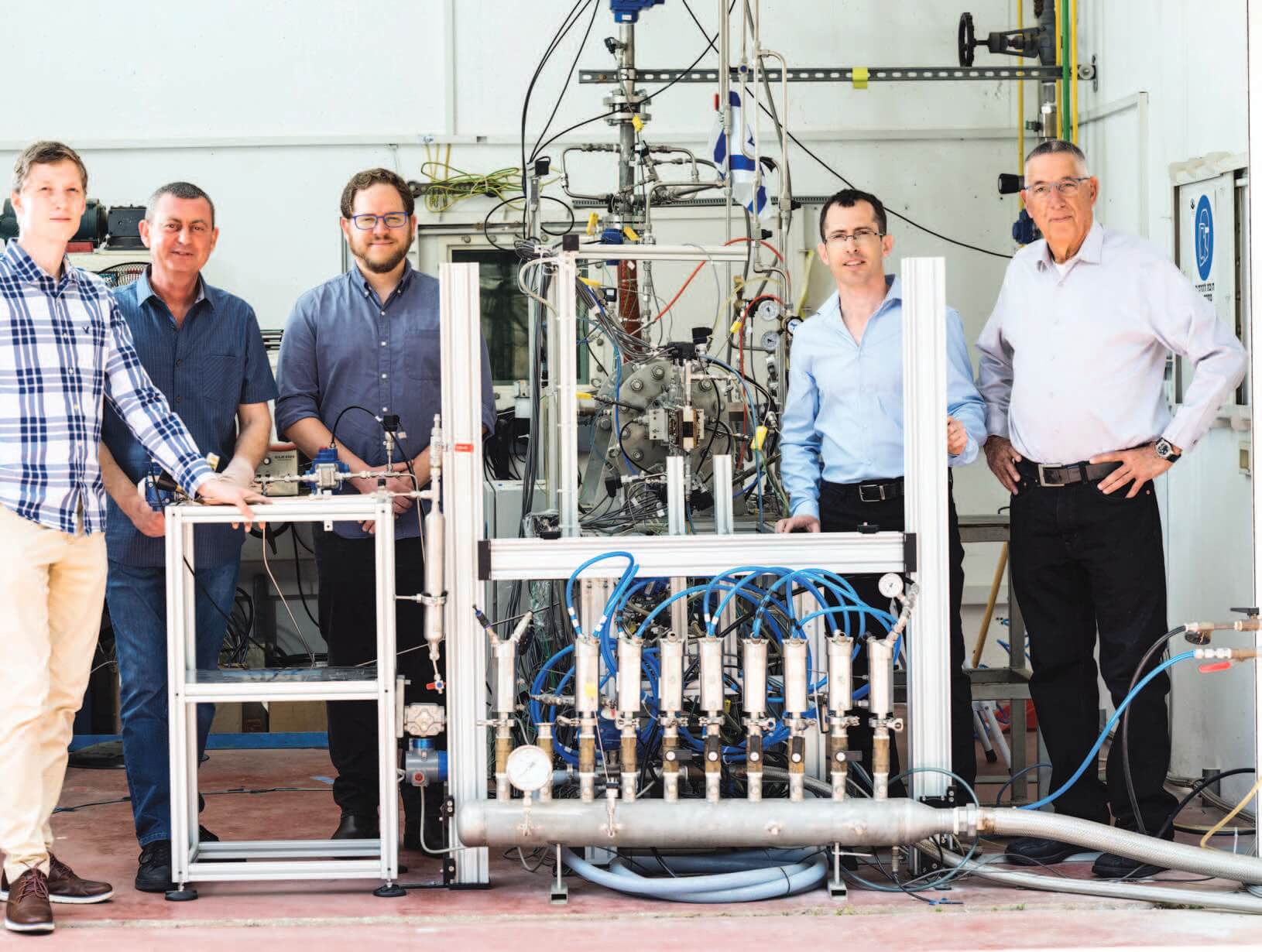
Technion Sets Up a Center for High-Speed Flight Imagine traversing the oceans and back in a few short hours or, within a single day, flying to and from an orbital hub as a space tourist or a spacelab research assistant. Hypersonic flight is key to these and other human ambitions in space and on earth. Aerospace engineers have been grappling with the challenges of high-altitude hypersonic flight since the 1960s – when the United States’ North American X-15 research aircraft achieved an astounding 6.7 times the speed of sound (also referred to as Mach 6.7), hitting an altitude of 354,200…
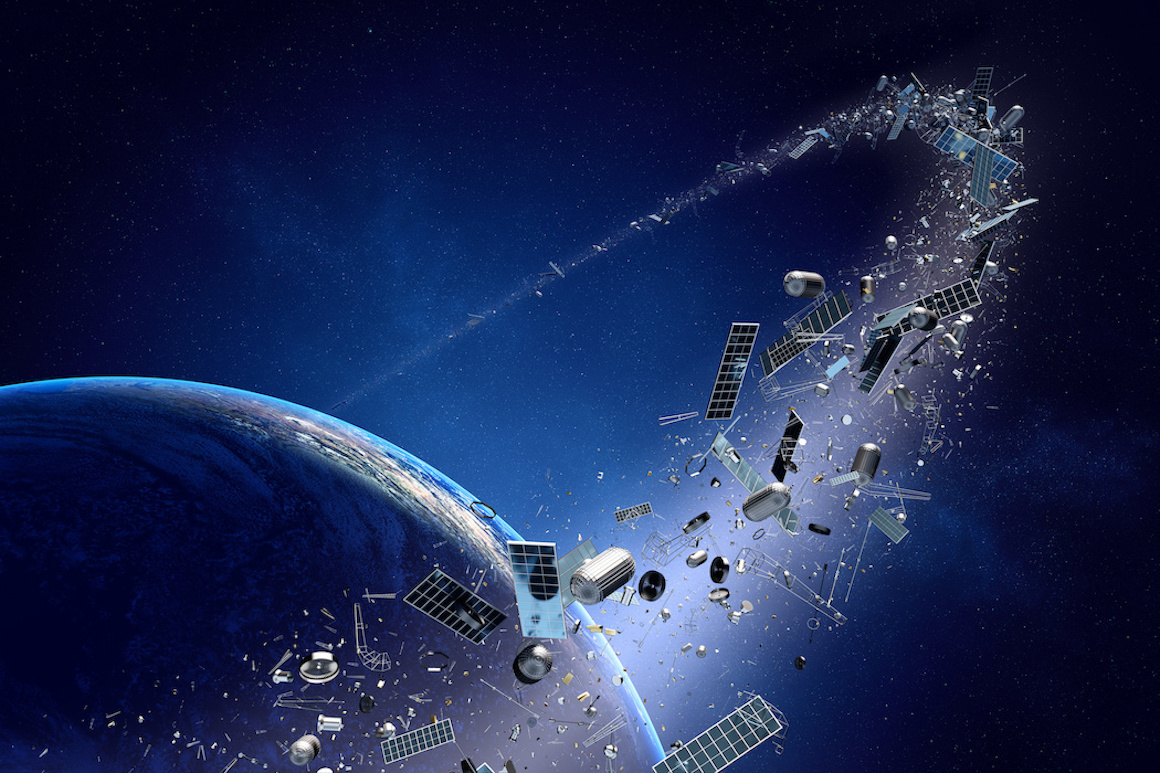
Space is getting crowded. In addition to the thousands of satellites already orbiting Earth, about 14,000 new satellites are expected to be launched by the end of the decade. That translates into about 9,000 tons of space debris, says Igal Kronhaus, former Technion professor-turned-space-tech startup entrepreneur. It’s gotten so bad that the United States issued new regulations in 2022 that “won’t allow the launch of a satellite unless it has a convincing capability to move out of the way after five years from the end of the mission,” Kronhaus says.

When the world stopped due to the pandemic, so, too, did plans to explore outer space. In 2019, NASA had five missions scheduled for the next three years, which were halted due to COVID. With NASA behind schedule, Israeli-American scientist Eliad Peretz helped put the organization back on track. Peretz, 40, is the mission and instrument scientist for NASA’s Heliophysics Science Division at the NASA Goddard Space Flight Center In Greenbelt. After the onset of COVID, Peretz assisted in a mission called GTOSat for a small spacecraft team to map radiation belts around earth. Peretz helped develop a mission to…

The Fluidic Telescope (FLUTE) project team, jointly led by NASA and Technion – Israel Institute of Technology, envisions a way to make huge circular self-healing mirrors in-orbit to further the field of astronomy. Larger telescopes collect more light, and they allow astronomers to peer farther into space and see distant objects in greater detail. These next-generation large space observatories would study the highest priority astrophysics targets, including first generation stars – the first to shine and flame out after the Big Bang – early galaxies, and Earth-like exoplanets. These observatories could help address one of humanity’s most important science questions:…

One aspect of how industrial 3D printing works that is hard to grasp at first, is its ability to build parts inside of other parts. A metal 3D printer makes an object one hair-thin horizontal layer at a time. So imagine 3D printing an item like a chain. It’s constructed already linked in completely solid circles. By contrast, in traditional manufacturing, individual links are first straight, then bent, and joined together one at a time, which is slower, more labor intensive, and has weak points at each link. It’s the same age-old manufacturing principle for jewelry as it is for…
Technion aerospace engineers in collaboration with U.S. software giant PTC have created a 3D-printed micro turbojet engine in one piece — not an easy feat considering the complexity of the many moving parts in a traditional jet engine. While it is not the world’s first 3D-printed jet engine, Associate Professor Beni Cukurel and Dr. Ronen Ben Horin, a senior research fellow at the Technion and a VP of Technology at PTC, can lay claim to being the first to make the printed engine in a single, complete assembly. “This microturbine engine is meant to be an iconic part that demonstrates…