Something Fresh in the State of Denmark
October 06, 2026
















The Technion’s story has been intertwined with Israel’s for more than a century, from laying the foundations for a new nation to shaping its future.

Step inside Israeli innovation at the David and Janet Polak Visitors Center. Experience our 360° immersive movie and tech exhibition. Open to individuals and groups.
Learn More

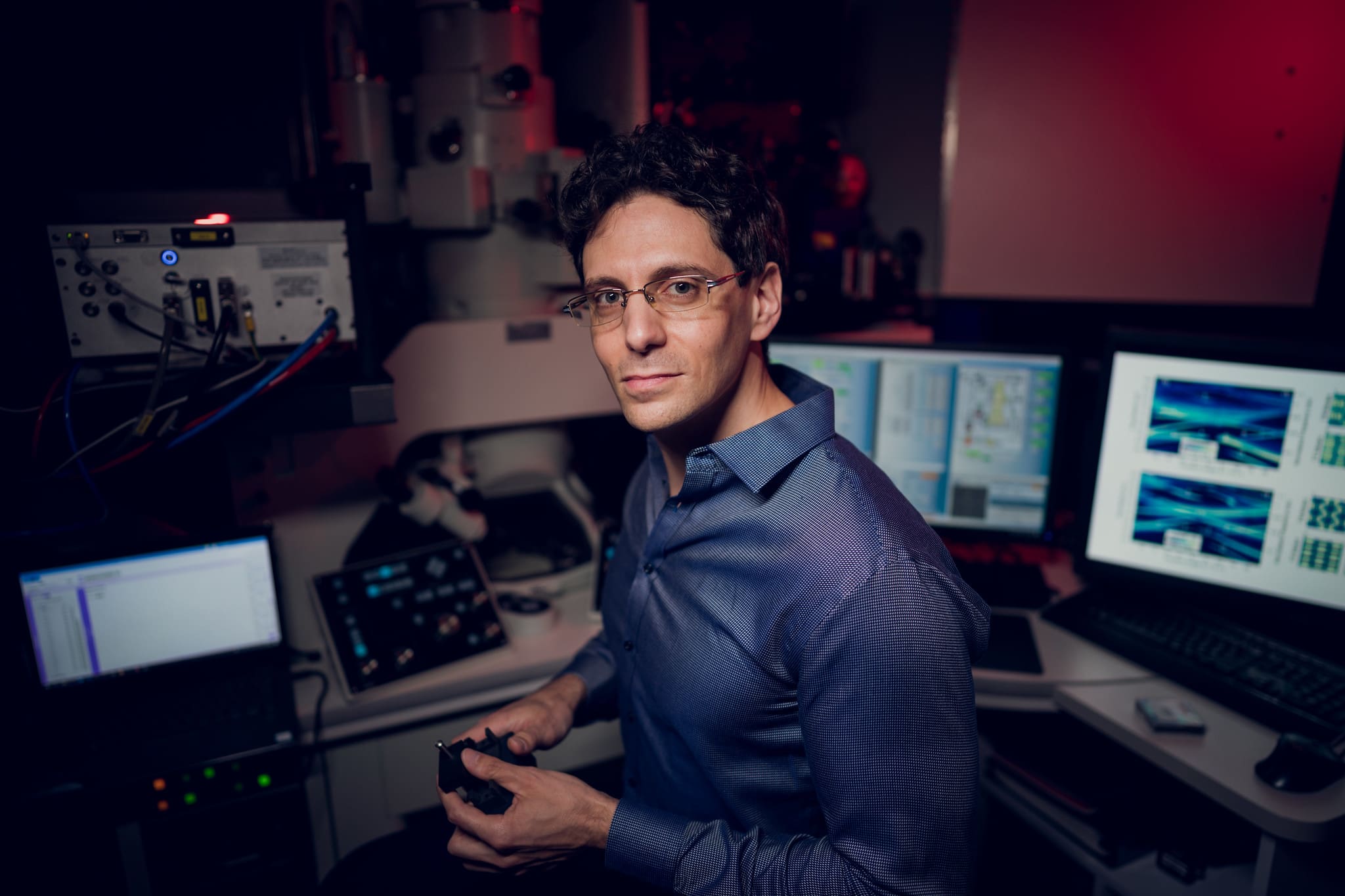
A computer that stores and processes data in a single chip is able to tell apart different people’s handwriting. Professor Shahar Kvatinsky, of the Technion, in Haifa, says combining its RAM and CPU allows it to function much more like a human brain, and opens up a whole new world of opportunities. To demonstrate its capabilities, he and his team presented the chip with different examples of handwritten letters. The chip learned which one was which with each example, and achieved a 97 per cent accuracy in recognition. “We like to describe a computer as a ‘brain’, but entirely separate…

The Technion and the University of Toronto have launched an AI-based collaboration that advances the use of AI in the field of medicine. The partnership between the Technion’s Artificial Intelligence Hub (Tech.AI) – specifically Tech.AI.Biomed – and the University of Toronto’s leading Temerty Center for Artificial Intelligence Research and Education in Medicine (T-CAIREM) will bring together faculty members and research students from both institutions to develop advanced responses to the medicine of the future around challenges of common interest. The venture kicked off with a joint workshop attended by dozens of scientists and research students from both universities held May…
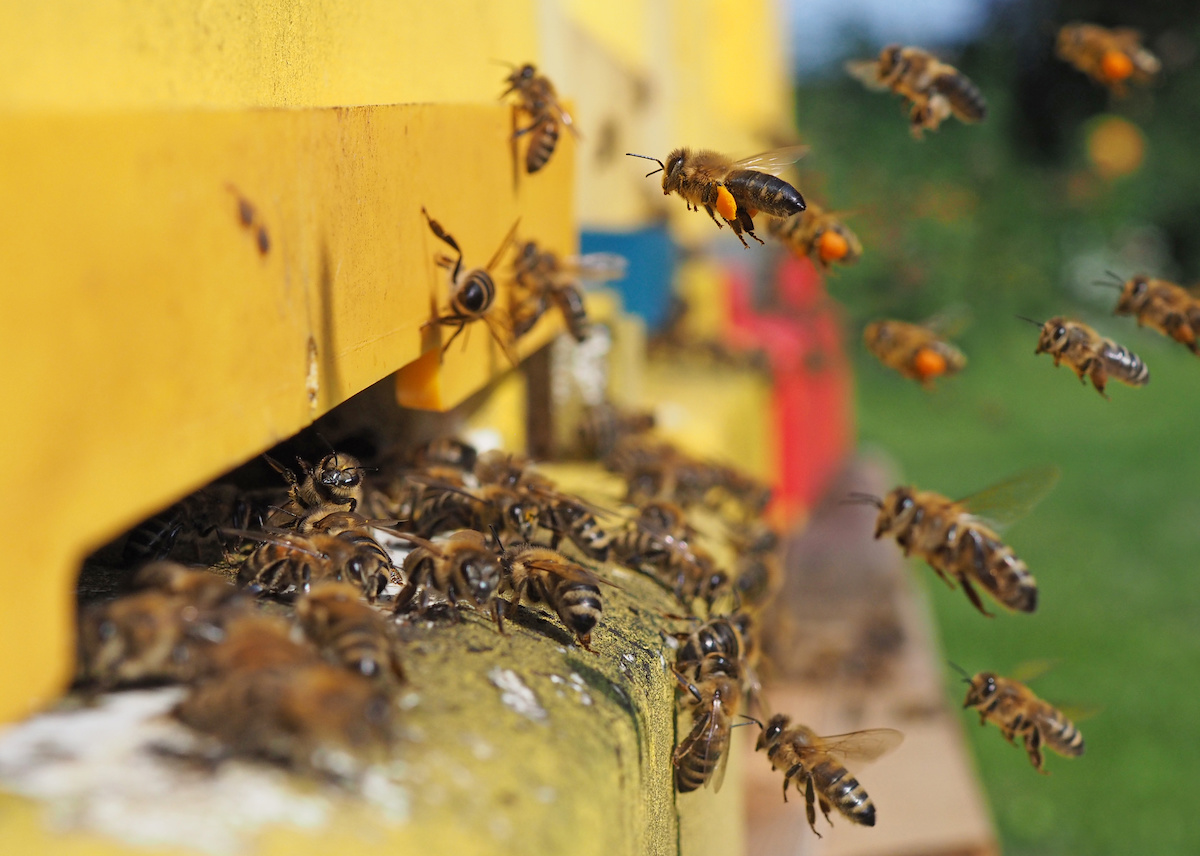
Bees are crucial to our survival. Did you know they pollinate one in every three bites of food we eat? Or that without bees, more than 100,000 species of plants would become extinct? But bees are in danger, as more than half of just North America’s native bee species are declining in size with a quarter of the 4,000 species at risk of extinction. In the hopes of combating this global problem, Israeli startup BeeHero – led in part by Co-founder, CTO, and Technion alumnus Yuval Regev – is using sensors to monitor beehive health and conducting bee-related research. BeeHero’s…

Have you ever wondered what you would have looked like living in Ancient Greece? Or even how you’d change in a high-tech future? Now, thanks to a new artificial intelligence (AI)-powered “time machine” from MyHeritage, you can see yourself throughout the past – and even in the future. Led by Technion alumnus, Founder, and CEO Gilad Japhet, the platform provides AI-generated images depicting you in different eras. Users need only upload about 10 photos of themselves taken from different angles, pay around $12 – $18 depending on the package chosen, and then wait for 90 minutes or less for results….

A total of 2% of children around the world are diagnosed with an autism spectrum disorder. Most struggle with clear communication and verbalization, making it difficult for the child to communicate their needs to others. An AI-powered app created by SocialMind Autism, led in part by Technion alumna and company CTO Dana Porrat, may hold the solution to this problem. The app gives parents and caregivers practical guidance on moments of attempted verbalization they may have otherwise overlooked, mainly targeting children under five as those years are the most critical in building language skills. SocialMind Autism gives personalized feedback within…

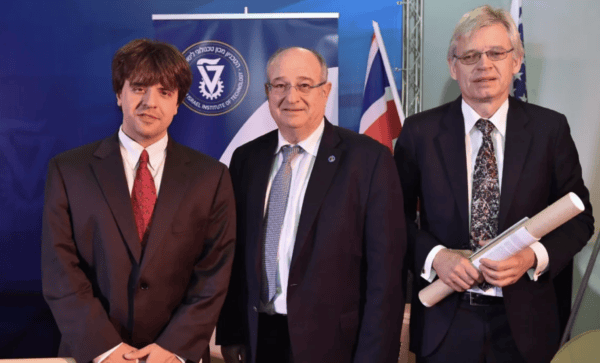
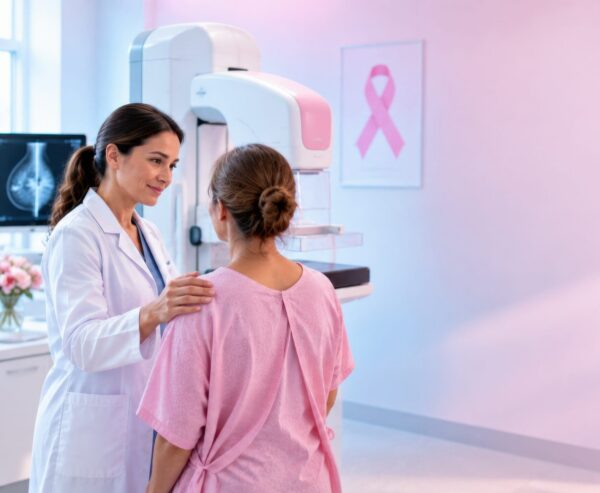
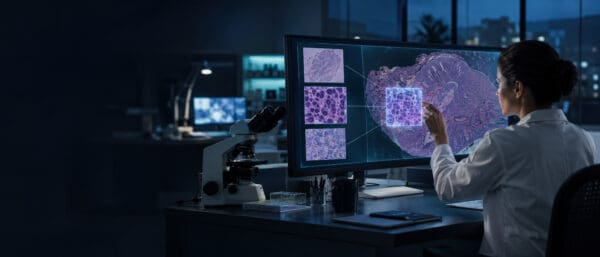
Pictured Above / L-R: Amir Livne, Dr. Gil Shamai and Prof. Ron Kimmel One in nine women globally will be diagnosed with breast cancer during their lifetime, and the numbers are only increasing as a result of factors, including increased lifespan and modern lifestyles. Personalized immunotherapy treatment is a necessity now more than ever, but the number of doctors and pathologists who specialize in examining tissue for specific diagnoses needed for personalized medicine is declining. To help combat this problem, Technion researchers have developed an artificial intelligence (AI) neural network that simplifies and improves the diagnostic process. Even better, the…

Drowning is the leading cause of accidental deaths for children under five – and most of these tragedies happen despite close adult supervision in private swimming pools. Children under the age of five generally do not struggle, shout, or splash before they drown but instead slowly sink to the bottom of the pool without alerting an adult that they need help. To combat these heartbreaking tragedies, Israel-based startup Coral Smart Pool has created an AI-powered lifeguard that scans the pool constantly for potential drowning risks. The virtual lifeguard, Mylo, uses cameras both above and below the water to track movement…
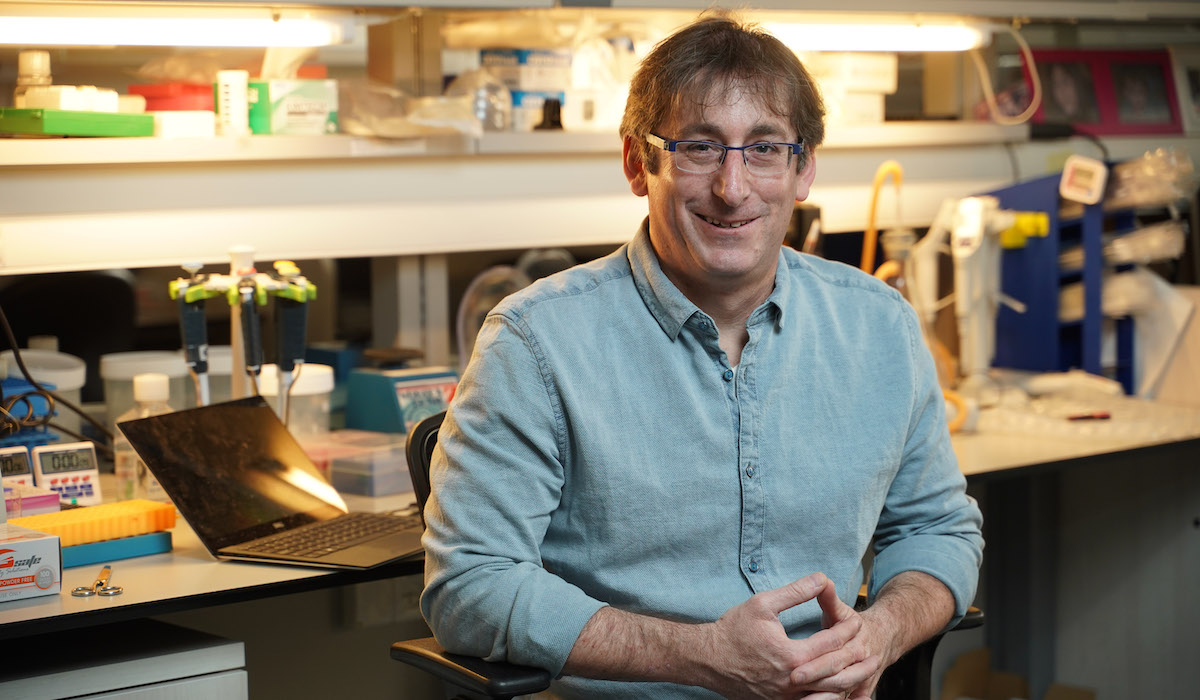
Pictured Above / Professor Shai Shen-Orr Building upon an existing, multi-year cooperation agreement that began in 2019, Pfizer Inc. recently invested $20 million in CytoReason, an Israeli startup co-founded by Technion Professor Shai Shen-Orr. The new agreement gives Pfizer the option to license CytoReason’s artificial intelligence (AI) led platform for drug development as well as fund additional research projects for the company. The partnership’s value is estimated to grow to $110 million by 2027. CytoReason’s technology makes data-driven decisions on drug development quickly and cost effectively by collecting data from pharmaceutical companies to simulate human disease and then uses their…

Recently, Google acquired Israeli startup BreezoMeter for an estimated $200-250 million. Cofounded in 2014 by Technion alumni CEO Ran Korber, CMO Ziv Lautman, and CTO Emil Fisher, BreezoMeter aims to monitor air quality and improve individuals’ health through atmospheric data collected by sensing stations and AI trained to detect different pollutants. Google already has activity in environmental technology systems, including Google Earth Engine, Explorer, and the Air View project, so BreezoMeter will be a welcome addition. BreezoMeter’s technology provides users with hyperlocal air quality data through machine learning and advanced algorithms. The information it shares currently includes environmental data and…
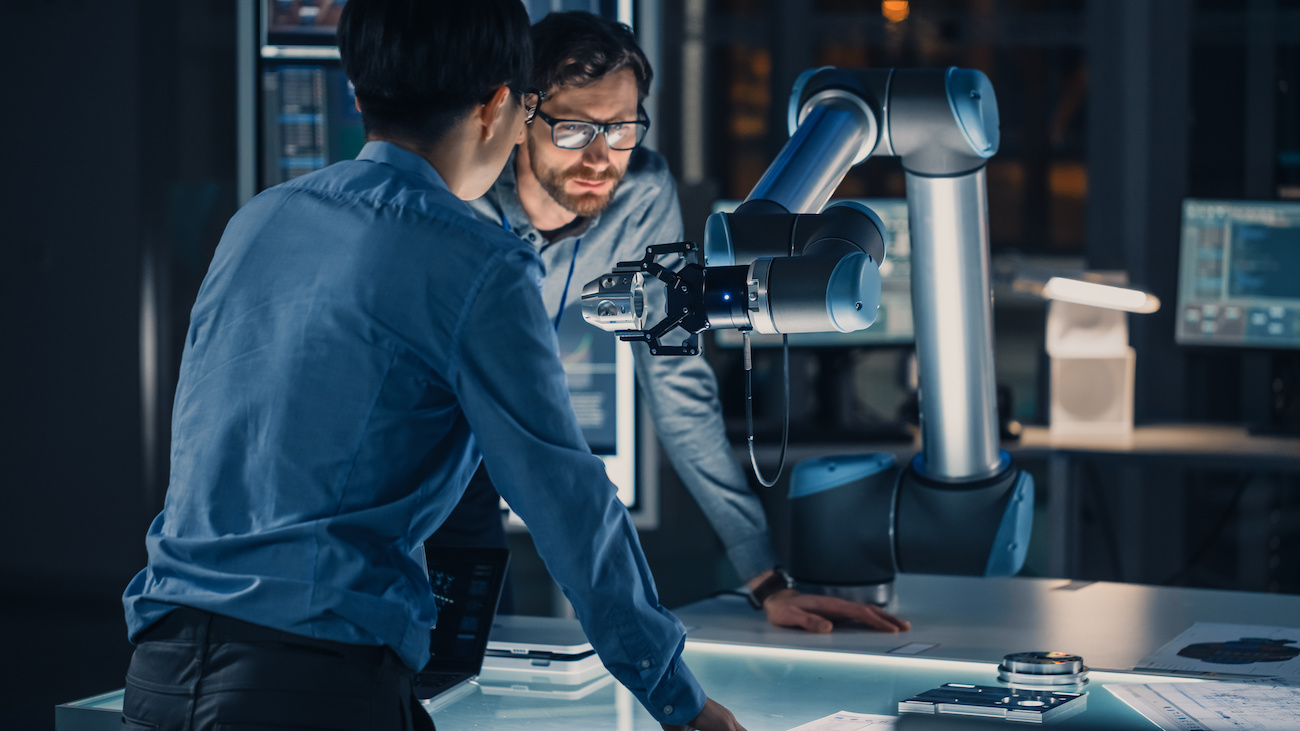
For the second year in a row, the Technion is ranked first in Europe in the field of artificial intelligence (AI) according to CSRankings, which are highly regarded for their metrics-based ranking of top computer science institutions. The repeat win further solidifies the Technion’s position as a leading institution in AI. It was also ranked 16th in the world in AI and 10th in the world in the subfield of learning systems. The Technion recruits researchers and students from all Technion units for interdisciplinary AI research by increasing the number of new programs and initiatives in its various fields with…
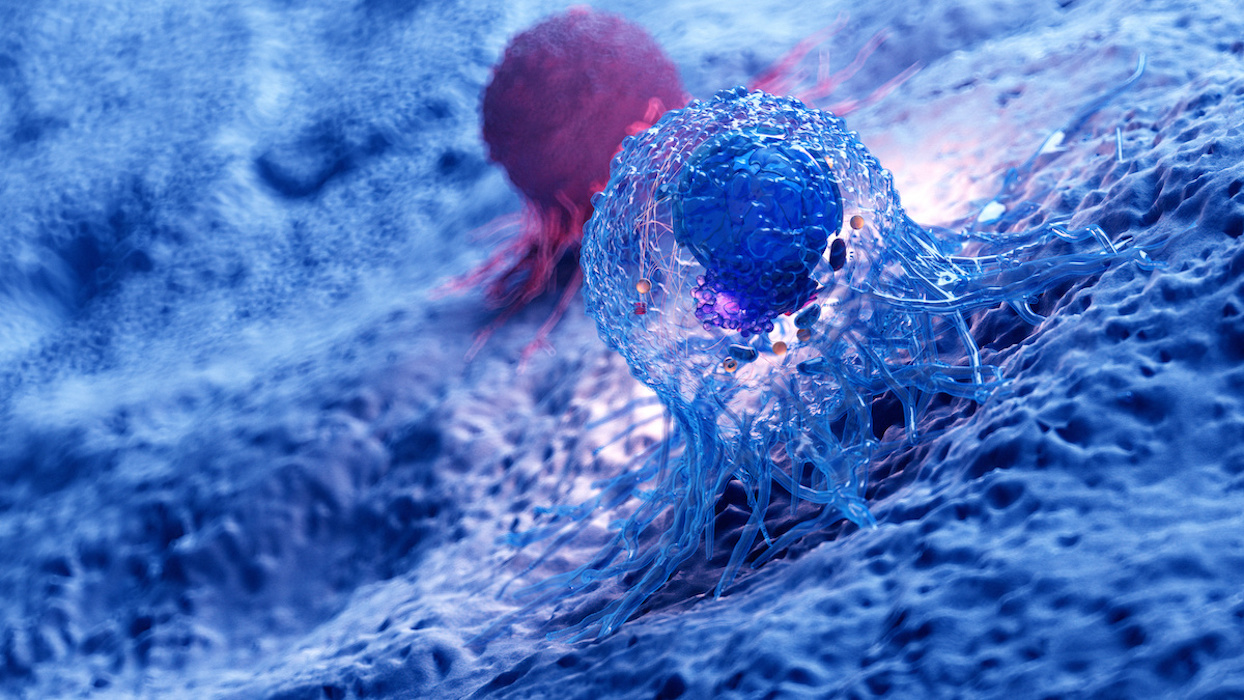
Immunotherapy is an evolving novel treatment that triggers the body’s own immune system to fight cancer cells. But it doesn’t work for everyone or on every type of cancer. And determining whether it will work for a particular patient takes up precious time. But there is hope on the horizon: Technion researchers are using artificial intelligence (AI) to speed up the process of making that determination, saving time in ascertaining the patient’s proper treatment plan. The study was conducted by Professor Keren Yizhak of the Ruth and Bruce Rappaport Faculty of Medicine at the Technion. Immunotherapy helps the immune system…

Have you filled a prescription for antibiotics recently? Used a virtual fitting room to try on clothes at home? Admired a new building going up in your community? You have computer science to thank — yes, even for that virtual fitting room! Computer science has improved almost every aspect of our modern lives, even for the Luddites among us. Researchers at the Technion are taking it one step further, pushing the boundaries of computer science to deliver useful, innovative solutions to complex problems plaguing our society. Minimizing Antibiotic Resistance … with Computers The use of antibiotics, while essential to curing…