Something Fresh in the State of Denmark
October 06, 2026





























The Technion’s story has been intertwined with Israel’s for more than a century, from laying the foundations for a new nation to shaping its future.

Step inside Israeli innovation at the David and Janet Polak Visitors Center. Experience our 360° immersive movie and tech exhibition. Open to individuals and groups.
Learn More

To bring a new drug to market costs on average $1.3 billion, according to a recent report in the Journal of the American Medical Association, and takes up to 20 years. These astronomical sums do factor in the billions of dollars and years of research invested in what potentially promising therapies that ultimately lead nowhere, according to David Harel, the co-founder and CEO of CytoReason, an Israeli startup using AI and reams of data on the human body to create computational models of diseases affecting mankind. “Developing new drugs is very, very expensive. And the reason it’s expensive is not only…

By the time Sara Smolley was born, her grandmother was unable to talk to her. She had been diagnosed with early onset Parkinson’s disease at the age of just 40, which stripped her of much of her motor capabilities. “More than anything, it was her speech that was impacted,” says Smolley, the co-founder and VP Partnerships of Voiceitt, an Israeli speech recognition platform for people who have non-standard speech. “Of course, that affected her ability to build a relationship with my brothers and me, as we couldn’t understand what she was saying,” she tells NoCamels. The AI-powered Voiceitt platform is designed…
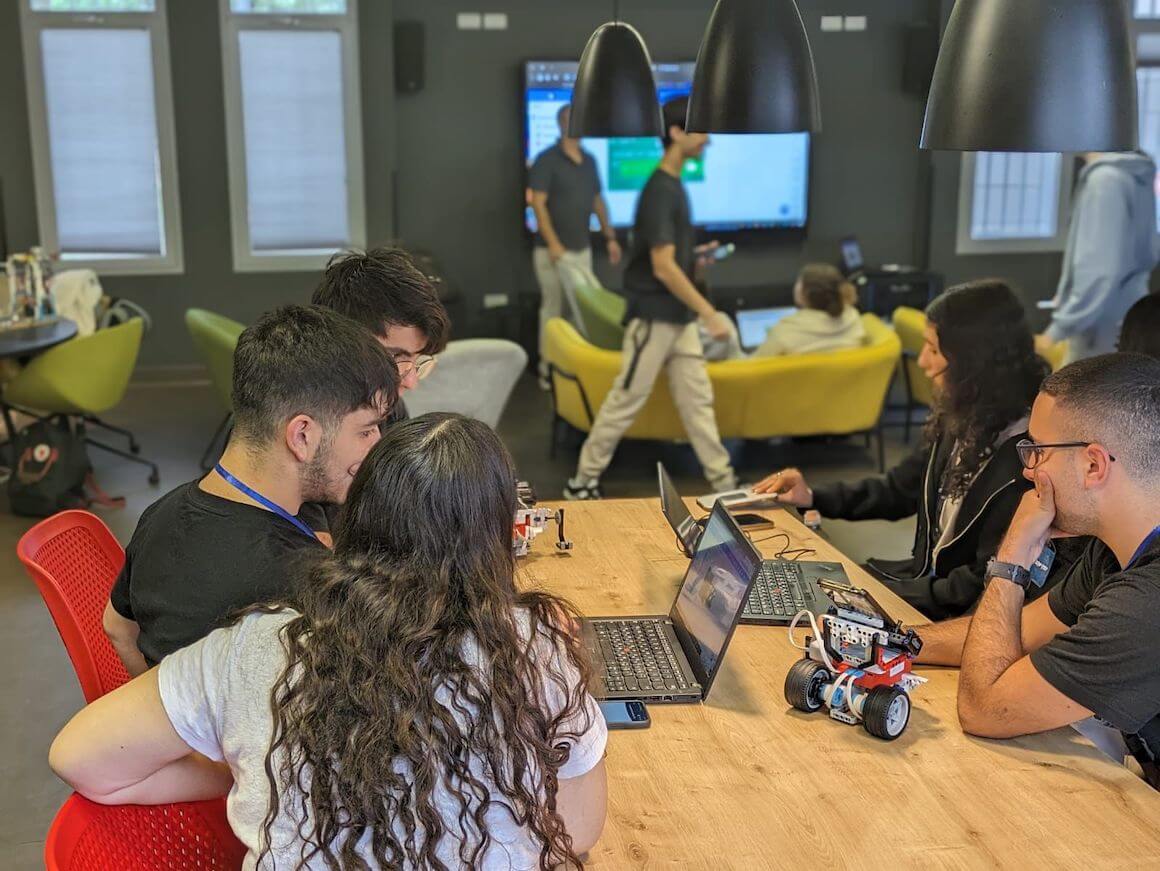
More than 250,000 Israelis are refugees in their own land, having been evacuated from the north and south of the country due to the Israel-Hamas war in the south and threats from Hezbollah in the north. The Technion is providing many with housing and other services and is offering a one-week robophysics program for outstanding 11th- and 12th-graders who have been displaced. Partnering with Atidim, a nonprofit organization dedicated to providing educational opportunities to bright young people from Israel’s underserved and marginalized communities, 30 high school students participated in a robophysics program created by the Technion’s Andrew and Erna Viterbi…
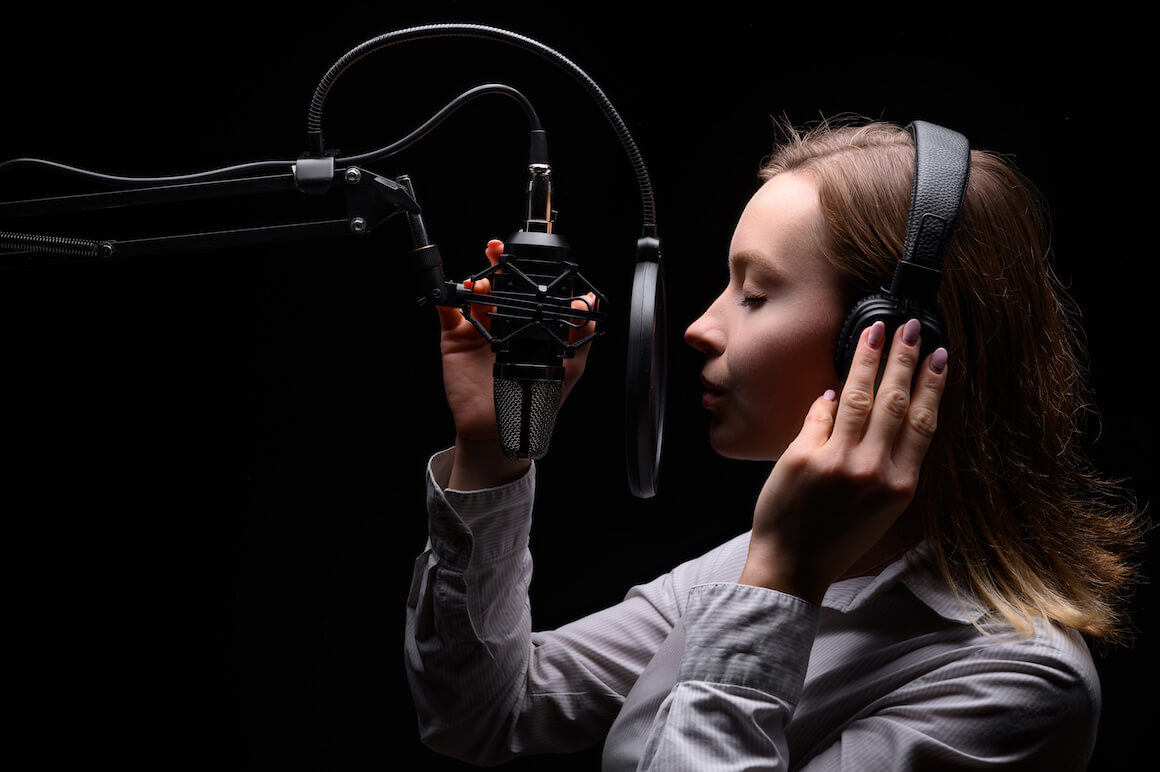
An Israeli startup that uses artificial intelligence to dub movies and TV shows into different languages has launched the first initiative of its kind to provide fair compensation to voice actors for the use of their voices in AI-powered dubbing and other synthetic voice projects. Deepdub uses proprietary AI to generate synthetic voices that capture the emotion and delivery of the original performances, but in a new language. The technology streamlines the labor-intensive dubbing process and reduces costs, while matching the quality of traditional workflows. Now, the startup’s new Voice Artist Royalty Program will save the submitted audio samples of voice actors in…
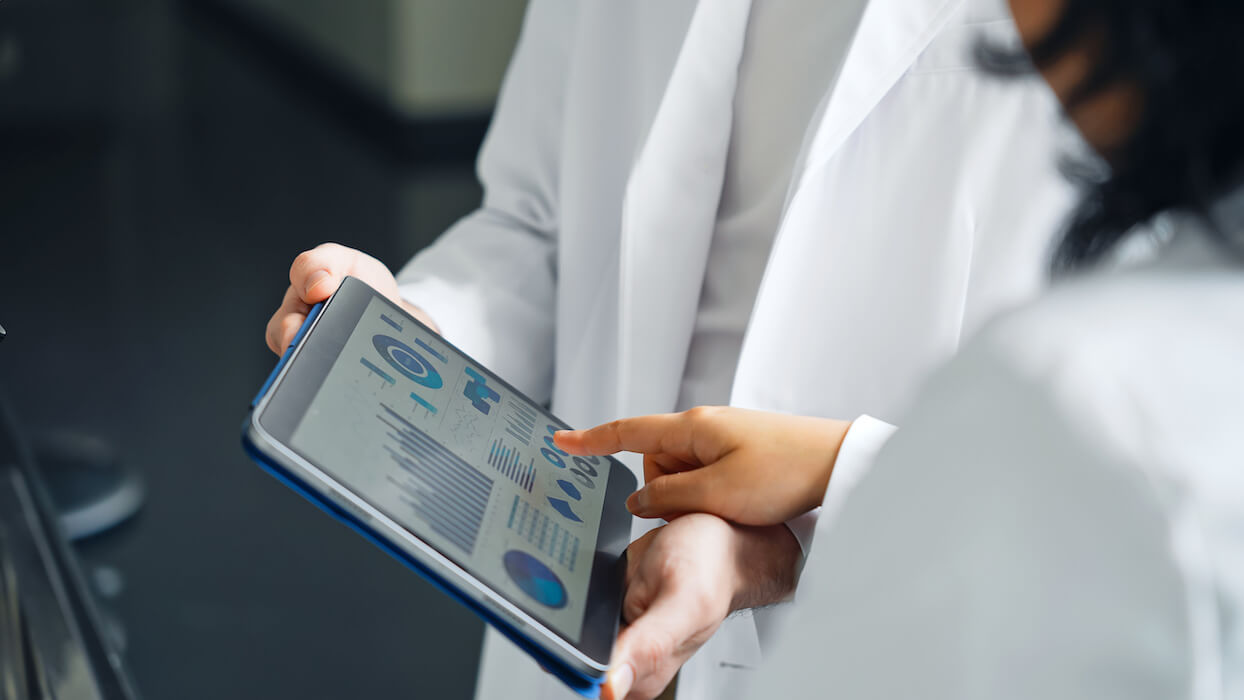
American-Israeli startup PhaseV is on a mission to overcome one of the most significant challenges of drug development: the clinical trial phase, the longest and most expensive part of the process. A recent Deloitte report reveals that, on average, a single new drug takes $2.3 billion and seven years to develop. Yet many candidates fail the clinical phase even if the biology works. That makes for a poor return on investment and wasted potential for treating diseases. “The development process for new drugs must therefore be transformed and could be made much more efficient with digital technologies,” the report urges.

Israeli and US medtech companies have teamed up to create a program that uses artificial intelligence to identify patients at high risk for respiratory or pulmonary diseases such as lung cancer. The LungFlag AlgoMarker, which analyzes data from a patient’s electronic health record, is a collaboration between Medial EarlySign, a Hod Hasharon-based company that develops clinical predictive analytics, and Geisinger, an integrated healthcare system from Pennsylvania. Working with Geisinger, Medial EarlySign developed the program to facilitate earlier invention, which is a key feature of the American healthcare provider’s care model as it helps improve clinical outcomes, creates higher patient satisfaction and reduces…
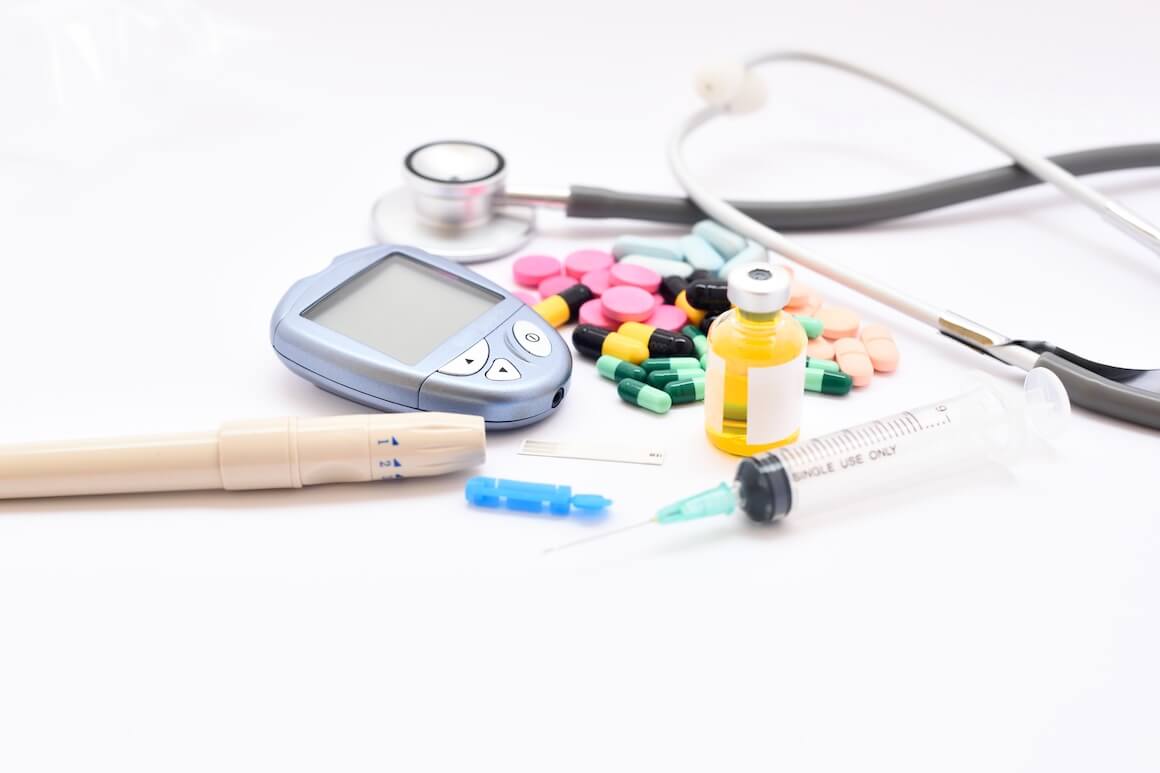
An Israeli startup that uses artificial intelligence to help manage treatment courses for diabetics has received a fifth clearance from the US Food and Drug Administration (FDA) for its endo.digital platform. The new FDA clearance allows DreaMed to expand the scope of its recommended care plans for diabetics on a fixed regimen of insulin doses that are administered via pump or injection. The endo.digital platform provides an automated total care plan for people with diabetes. The company says it is compatible with most devices used by diabetics to monitor their blood glucose levels and to administer insulin.

A data analytics company in Israel is offering its artificial intelligence tools to help predict where and when the country will suffer rocket attacks during the ongoing war with Hamas in the Gaza Strip – even suggesting the optimal time to take a shower without interruption. Sisense which uses machine learning to analyze data for companies, has made its technology available to Israeli government bodies and other institutions during the conflict. Israel has been under continuous rocket fire from Gaza since October 7, when terrorists breached the border fence into Israel, killing 1,400 people and abducting at least 240 more. More…
Despite initial support for Israel and largely universal condemnation of the Hamas attacks on October 7, the number of anti-Semitic incidents, campus protests, and online vitriol against Israel and Jews has skyrocketed. For many, social media has become a battlefield. Enter Zachary Bamberger, an American who immigrated to Israel. The Cornell graduate is currently working toward his master’s in the Technion’s Henry and Marilyn Taub Faculty of Computer Science. When he saw what was happening online, he sprang into action. Using his prodigious talents in machine learning and natural language processing research, he built a large language model (LLM) that…

Israel’s battle against misinformation and hate is overwhelming on most days. During a war, it goes on overdrive. By last measure, online anti-Semitism has spiked by a massive 1200% since October 7th. When faced with a river of hate from legions of enemy countries and sympathizers, Israel’s Hasbara (positive PR) efforts are chronically understaffed, under-funded and under-equipped

Machine-learning analysis of CT scans during admission to the emergency enables earlier detection of intracerebral hemorrhages and reduces mortality rate by over 30 percent, according to a study published in the International Journal of Emergency Medicine. Intracerebral hemorrhage, commonly known as bleeding into the brain, is the second most common cause of strokes (15-30%) and the most deadly. The research, conducted by Dr. David Orion, director of the Acute Stroke & Neuro-Endovascular Department of Sheba Medical Center in Israel, involved 587 patients and used Aidoc’s algorithm to analyze CT scans of their heads.

Moshe, a computer programmer who suffers from a life-long stutter, tried every kind of treatment to ease the jaw spasms, severe facial twitches and feelings of suffocation he experienced whenever he spoke. But every time he’d step out of a clinic or treatment center, he had no way of preserving the methods he had just been taught to manage his condition. That’s when he decided to use his technological skills to develop an algorithm capable of analyzing and monitoring his speech to ensure he was practicing these various stuttering techniques correctly. Six years later, he joined forces with speech language…