Something Fresh in the State of Denmark
October 06, 2026












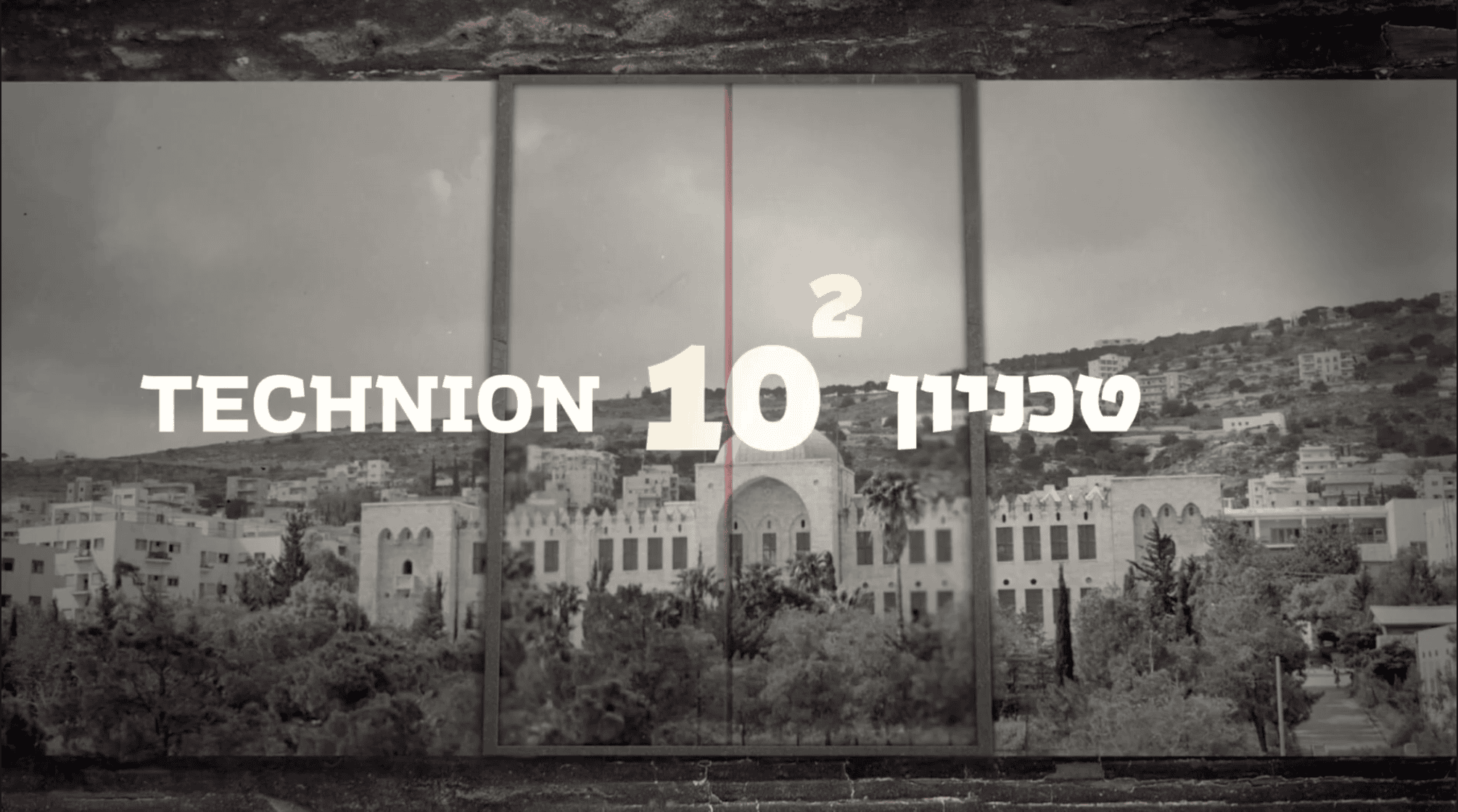




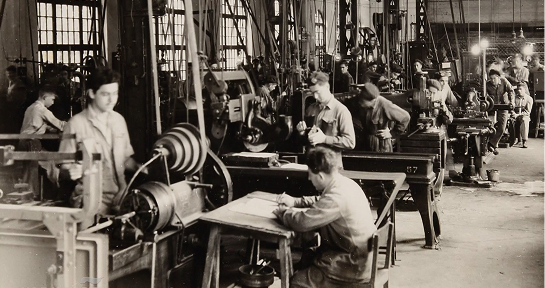
The Technion’s story has been intertwined with Israel’s for more than a century, from laying the foundations for a new nation to shaping its future.
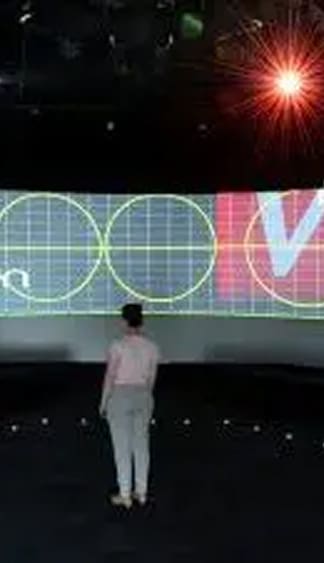
Step inside Israeli innovation at the David and Janet Polak Visitors Center. Experience our 360° immersive movie and tech exhibition. Open to individuals and groups.
Learn More

Unlike artificial language models, which process long texts as a whole, the human brain creates a “summary” while reading, helping it understand what comes next. In recent years, large language models (LLMs) like ChatGPT and Bard have revolutionized AI-driven text processing, enabling machines to generate text, translate languages, and analyze sentiment. These models are inspired by the human brain, but key differences remain. A new Technion – Israel Institute of Technology study, published in Nature Communications, explores these differences by examining how the brain processes spoken texts. The research, led by Prof. Roi Reichart and Dr. Refael Tikochinski from the…
Frankly, I think 100 years is too far to look into the future because we will see dramatic new scientific areas emerge 20 years from now. My grandfather immigrated to Israel in 1946 from Holland to be a Technion student in civil engineering. At that time, civil engineering and mechanical engineering were the most prestigious […]

AI video generators can’t understand the laws of physics solely by watching videos, scientists have found. Coming hot on the heels of chatbots and image generators, AI video generators like Sora and Runway have already been delivering impressive results. But a team of scientists from Bytedance Research, Tsinghua University, and Technion were curious to learn if such models could discover physical laws from visual data without any additional human input. While in the real world, we understand physics through math, in the world of video generation, an AI model that understands physics should be able to watch a sequence of…

Two AI-based startups in Israel are joining forces to combat the pests and diseases that destroy up to 40 percent of all food grown globally. Fermata uses cameras and artificial intelligence to monitor crops as they grow and automatically detect problems. yieldsApp translates that data into tailored recommendations, crop by crop, field by field, to maximize yields for the grower. The two companies have now announced a partnership that will merge their technologies and, they say, provide a “comprehensive farm management solution,” detecting problems and providing precise solutions. Farmers will receive “personalized, real-time insights that ensure crops get the right…

In this episode of the Technion Alumni Go Global podcast, predict the future with Dr. Kira Radinsky – CEO of Diagnostic Robotics, a global expert in the field of predictive algorithms, and a proud Technion alum. She was also named one of the MIT Technology Review’s 35 Young Innovators Under 35, Forbes 30 under 30 […]

Taking race into account when developing tools to predict a patient’s risk of colorectal cancer leads to more accurate predictions when compared with race-blind algorithms, researchers find. While many medical researchers have argued that race should be removed as a factor from clinical algorithms that predict disease risks, a new study finds that, at least for colorectal cancer, including race can help correct a data issue – inaccurate recording of family history for Black patients. Having relatives with colorectal cancer is a known risk factor for the disease, but Black patients are less likely to have an accurate recorded history…

Israeli agritech startup Nanovel has unveiled its new AI-powered autonomous robot capable of picking fruit off the trees for the fresh market. The company says the robot offers a worldwide solution to farm labor shortages and rapidly increasing costs, the two most pressing issues identified in a survey by the Western Growers organization, which works with farmers in Arizona, California, Colorado and New Mexico. According to Nanovel, the robot is the world’s first-of-its-kind system designed to pick citrus fruit in dense foliage, involving a high level of technological complexity, including advanced edge computing and AI-driven data analysis. The system includes…

Technion’s Entrepreneurial Impact In laboratories across the Technion campus, scientists are turning once unfathomable ideas into research they hope will become the next lifesaving cancer treatment, indispensable assistive device, or environmental discovery. The road to commercialization isn’t easy. But you wouldn’t know that from the success stories coming out of the Technion and the Jacobs […]

The Technion – Israel Institute of Technology has entered into a collaboration with global computational intelligence firm Altair. The new partnership will grant the Haifa-based university’s faculty, researchers, and students training and unlimited access to Altair’s data analytics and artificial intelligence (AI) platform, RapidMiner. Headquartered in Michigan, Altair has an Israel office is at the high-tech park in Yokneam Illit, in the north of the country. “Altair enables students to expand their skills and be real-world-ready with our best-in-class technologies and support,” said Altair Israel Managing Director Ariel Hadar. “Collaborating with Technion’s faculty will foster greater synergies between academia and…

Israeli company DeepDense, which specializes in AI medical imaging, has teamed up with US firm Spectrum Dynamics Medical, a leading innovator in digital imaging, to develop innovative applications for analysis of cardiac and spine diseases. By working together, the two companies aim to use DeepDense’s advanced AI technology to improve diagnostic accuracy, streamline workflows, and improve patient care. The DeepDense AI applications will be added to Spectrum Dynamics’ portfolio of solutions, along with the former’s unique 3D labeling tools. “The integration state of the art digital SPECT technology with advanced AI features will open the path to new capabilities in…

Israeli startup aiOla recently won the “Best Speech to Text Solution” award at the 7th annual AI Breakthrough Awards that recognizes the world’s most innovative achievements in the artificial intelligence industry. The Herzliya-based company beat more than 5,000 nominees from over 20 countries to clinch the prestigious prize. Among AI Breakthrough’s previous winners are OpenAI and Deloitte. The company’s voice-capture technology combines natural language processing (NLP), which understands human language as it’s spoken and written, with automatic speech recognition, which uses AI to process human speech into readable text. Thanks to this advanced model, aiOla’s technology can recognize more than…

Many of us rely on the internet for images we need in our daily work or correspondence. But all too often, the search doesn’t always hit the mark — despite continuous advances in artificial intelligence. For instance, you need a picture of a female CEO but most of the images popping up are of men. You’d like to playfully send your girlfriend a picture of roses in her favorite color, lavender, but you can only find red. Better results could be coming your way, thanks to a team of Technion doctoral students and alumni working with Technion Assistant Professor Yonatan…