Why the Perfect Pitch is Your Biggest Mistake
September 23, 2026



























The Technion’s story has been intertwined with Israel’s for more than a century, from laying the foundations for a new nation to shaping its future.

Step inside Israeli innovation at the David and Janet Polak Visitors Center. Experience our 360° immersive movie and tech exhibition. Open to individuals and groups.
Learn More
For decades, the Energy Tower by Dan Zaslavsky was one of the most audacious clean-energy ideas never built. And it was the first story we covered when Green Prophet was founded in 2007! Conceived by Dr. Phillip Carlson and championed by Professor Dan Zaslavsky of the Technion – Israel Institute of Technology, the Energy Tower proposed something almost magical: spray seawater into the top of a giant desert tower, cool the hot air, let it plunge downward at high speed, and generate electricity through turbines at the base. The hotter and drier the desert, the better it would work. Zaslavsky…
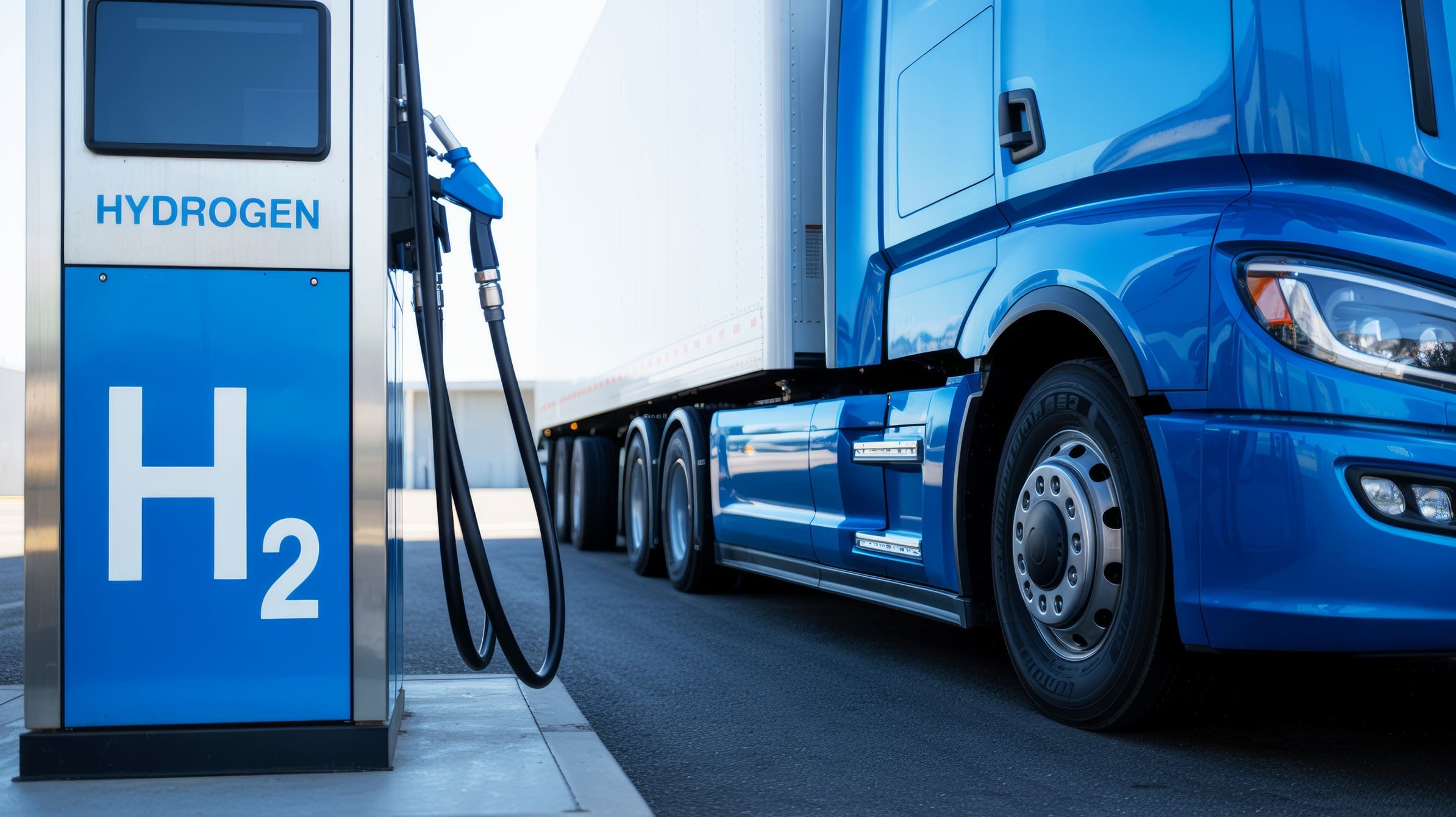
Researchers at the Technion – Israel Institute of Technology and Tianjin University in China say they have developed a new approach that could make hydrogen fuel cells more affordable, durable and efficient while allowing them to operate with ambient air. Their findings, published in Nature Energy, focus on anion-exchange membrane fuel cells, or AEMFCs, which generate electricity through a reaction between hydrogen and oxygen. Unlike some conventional fuel cell technologies, AEMFCs can use cheaper and more abundant materials, potentially reducing system costs. The technology is being studied for use in transportation, aviation, aerospace, drones, distributed energy systems, backup power and…

The Technion is a leader in sustainable innovation, where researchers transform breakthroughs in energy, water, materials, and climate technology into scalable solutions with global impact. Here are just a few examples of how that innovation moves from the lab into the world.

In recent decades, growing resources have been invested in the field of hydrogen as a raw material that aligns with the vision of a green economy and the use of sustainable energy. Hydrogen production is not a new process, but the aspiration to protect the environment and improve efficiency presents numerous technological challenges. A group of researchers at the Technion – Israel Institue of Technology and Sweden’s Chalmers University of Technology is presenting a breakthrough in the field – a development expected to significantly improve hydrogen storage capacity for future use. Growing awareness of the environmental damage caused by human…

When one of the world’s largest aerospace companies chooses an academic partner, it sends a powerful message. When that partner is the Technion – Israel Institute of Technology, the message is even clearer: world-changing innovation is happening in Israel — and it is being driven by excellence. Boeing and the Technion have marked a major […]

There are at least two key resources vital for human existence and progress: Water and power. Israel has partly solved the water problem, with state-of-the-art desalination technology. Engineers figured out how to force high-pressure seawater through semi-permeable membranes that filter out salt and other impurities, leaving behind desalinated water – a process known as reverse osmosis. Some of the desalinated water is actually pumped into the Sea of Galilee, which is desperately shallow. As for energy, offshore natural gas deposits have helped ensure a reliable source of electric power for all Israelis, plus an unprecedented $35 b. gas contract for…

Here’s a win-win opportunity if you grow grapes for a living. A startup in Israel is integrating solar panels into vineyards. They generate electricity (and revenue). And they give the farmer precise control over how much sunshine reaches the vine. The solar panels are fitted right above the grapes, tilting throughout the day – either to capture as much sunlight as possible for energy production, or to shade the vine to delay ripening and improve the flavor of the grapes. Generating solar energy in vineyards (agrivoltaics) is not a new idea. The challenge is to do it better than the…
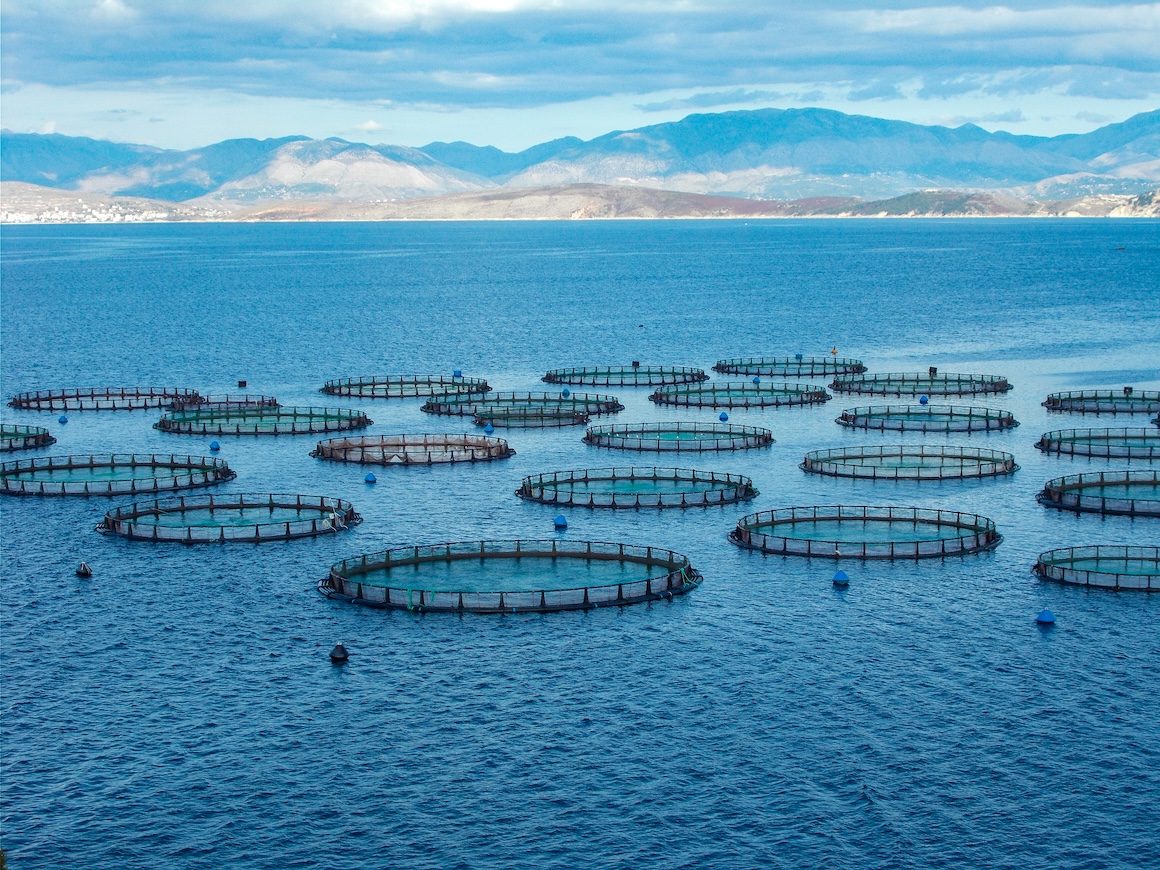
Let’s all agree on something: birds are great, but not when they’re pooping on our stuff. Obviously, this is true when it comes to windowsills, windshields and birthday parties at the park. But there are two places where our feathered friends are especially unwelcome: the burgeoning industry of water-based floating solar panel sites, and the many pools that make up the fish-farming industry. Here, birds can cause all kinds of trouble, by decreasing solar panel efficiency due to a hearty layer of poop, and by eating fish farmers’ livestock — which is problematic for both the farmers and the livestock…

An experimental setup built at the Technion Faculty of Physics demonstrates the transfer of atoms from one place to another through quantum tunneling between optical tweezers. Led by Prof. Yoav Sagi and doctoral student Yanay Florshaim from the Solid State Institute, the research was published in Science Advances. The experiment is based on optical tweezers—an experimental tool for capturing atoms, molecules, and even living cells using an optical potential created by laser beams focused on a micron-sized spot. How is this possible? The interaction of light with matter generates a force proportional to the intensity of the light. This force…

The ubiquitous urban thrum of scores of mopeds weaving their way through heavy traffic could soon be superseded by the hushed whisper of electric engines, courtesy of an Israeli company who says its replacement vehicles are cheaper, safer and more sustainable than gasoline guzzlers. The Tel Aviv-based Blitz Motors was founded in 2012 by CEO Raphael Moszynski, a Belgian-born Israeli who left a career in international banking in Britain and to pursue a desire to contribute to environmental protection. The company is a combination of two of his passions – motorbikes and sustainability. Moszynski has been riding two-wheelers for years,…

As the world becomes ever more concerned with the impact of climate change and increasing levels of greenhouse gasses, one company is on a mission to revolutionize the way we heat water – a major strain on energy usage. Sowillo Energy, based in the community town of Mikhmanim in northern Israel, has developed a system to use energy from the hot water wasted when we bathe or even when we wash the dishes or our clothes. When a person takes a shower and the hot water goes down the drain, the Sowillo system catches it before it enters the municipal…
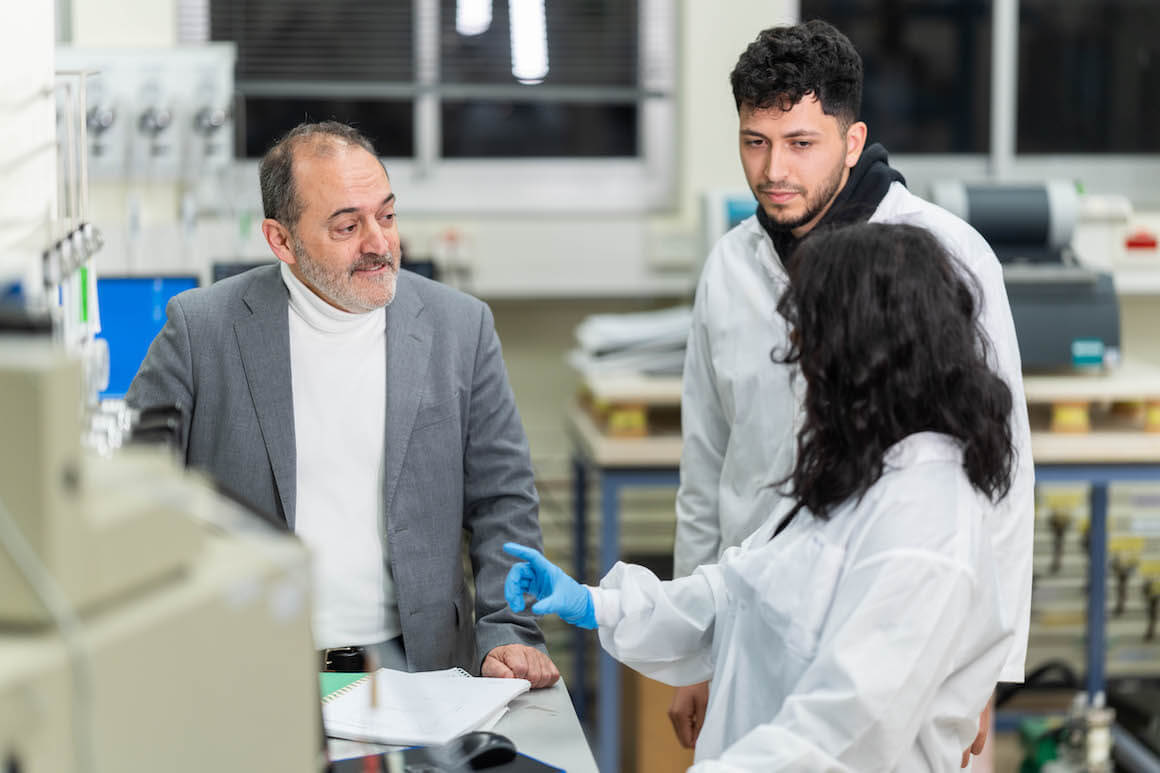
“If you have energy, you have everything — food, water, heating, defense,” said Professor Dario Dekel, director of the Nancy and Stephen Grand Technion Energy Program (GTEP) at the Technion. “Energy is critical for the future.” The GTEP has already made impressive breakthroughs in alternative and sustainable technologies, including fuel cells and batteries, green hydrogen and electrolyzers, water energy, renewable energies, and more. But the war with Hamas has made Israel’s need for energy security more crucial, even with the discovery of natural gas in the Mediterranean. “Given the political situation in Israel, you cannot depend on getting energy from…