Something Fresh in the State of Denmark
October 06, 2026















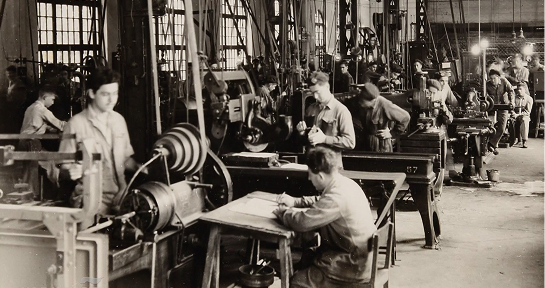
The Technion’s story has been intertwined with Israel’s for more than a century, from laying the foundations for a new nation to shaping its future.

Step inside Israeli innovation at the David and Janet Polak Visitors Center. Experience our 360° immersive movie and tech exhibition. Open to individuals and groups.
Learn More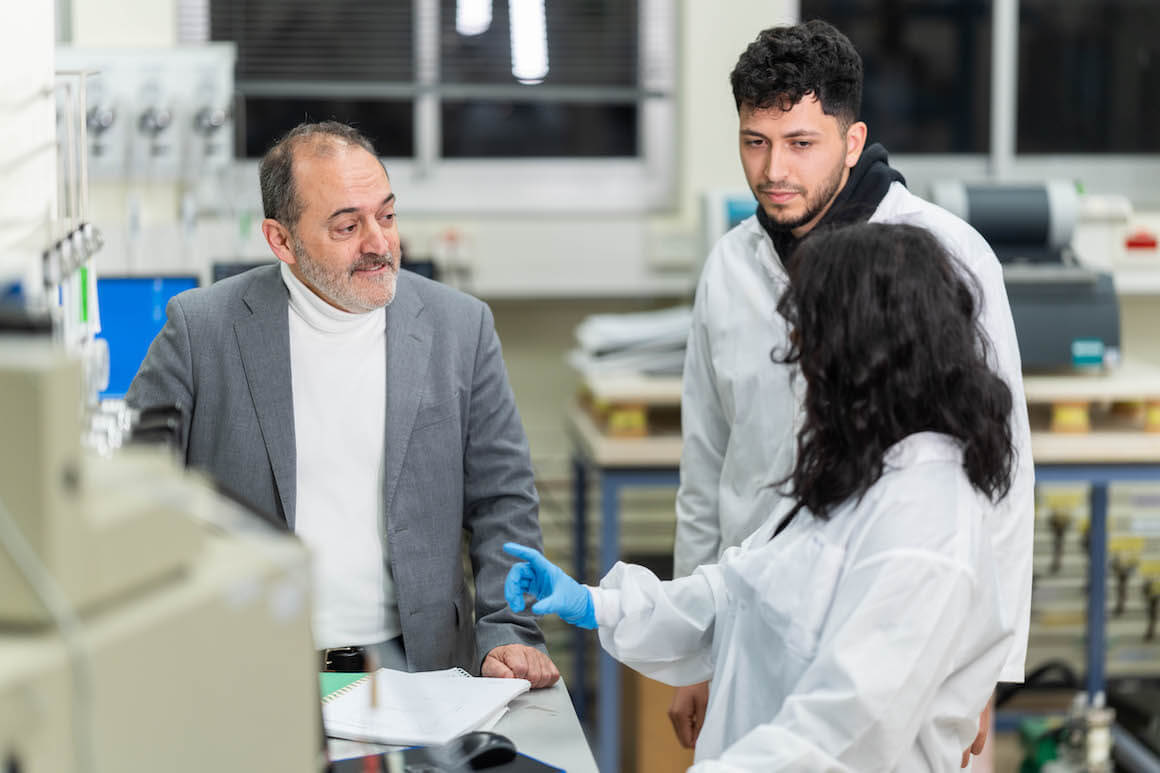
“If you have energy, you have everything — food, water, heating, defense,” said Professor Dario Dekel, director of the Nancy and Stephen Grand Technion Energy Program (GTEP) at the Technion. “Energy is critical for the future.”
The GTEP has already made impressive breakthroughs in alternative and sustainable technologies, including fuel cells and batteries, green hydrogen and electrolyzers, water energy, renewable energies, and more. But the war with Hamas has made Israel’s need for energy security more crucial, even with the discovery of natural gas in the Mediterranean.
“Given the political situation in Israel, you cannot depend on getting energy from others, and you cannot depend on a single source,” Prof. Dekel said. That’s why one of his priorities for GTEP is to develop technologies for distributed energy generation systems that would create various forms of energy at numerous sites, factories, or homes. “Having just a handful of power generation sites concentrated in a few places makes Israel vulnerable to targeted attacks that could potentially impair the nation’s electricity needs.”
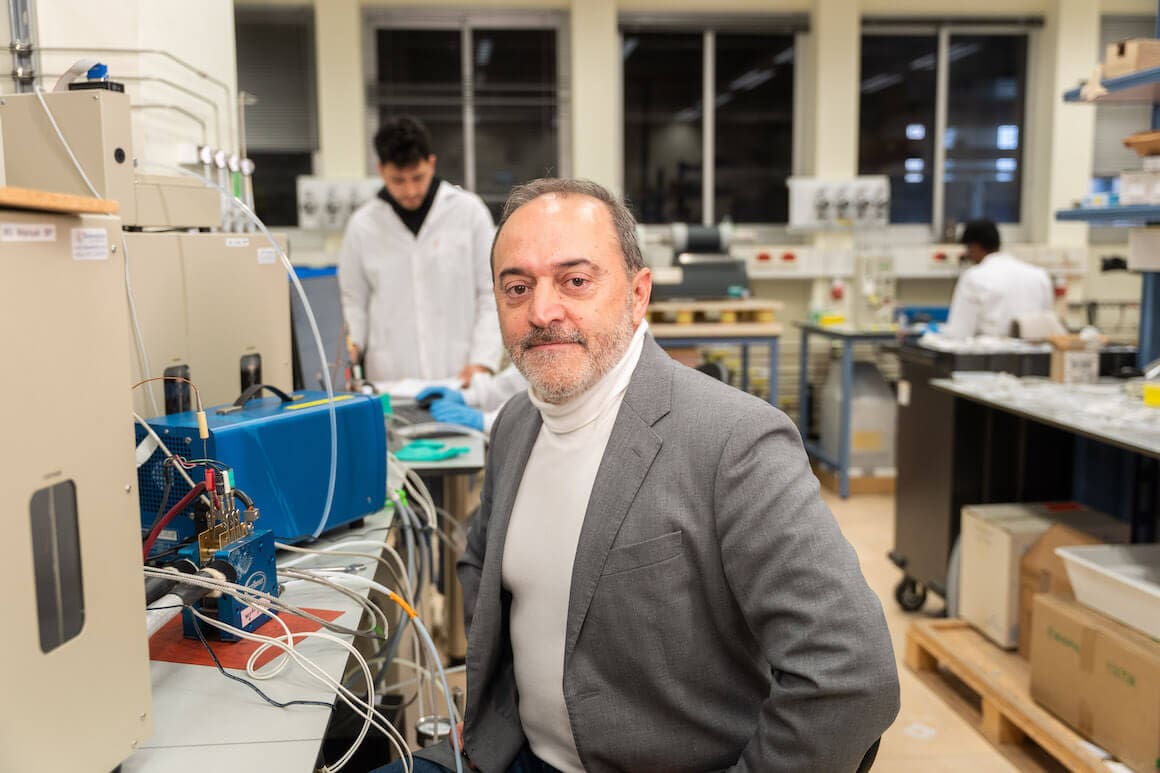
Additionally, Prof. Dekel has ambitious plans to grow the number of students in the GTEP interdisciplinary graduate program from some 20-plus to 70, advance ongoing green energy technologies, and move into new areas of renewable energy technology research, including harnessing energy from ocean waves and developing promising renewable and electrochemical green energy. “Imagine you have so much solar, so much wind, and so much wave energy. The electricity cost could be free — a life game-changer. This is indeed possible,” he said.
To help balance the intermittent energy output of those sources, Prof. Dekel, who has headed the Technion energy program since April 2023, plans to start GTEP research into advanced novel batteries, known as redox flow: “special batteries that can be used in the future to store huge amounts of energy.”
GTEP was established by the Technion in 2007 and then named for ATS supporters Nancy Grand and the late Stephen Grand in 2010. Its projects span many areas, but developing sustainable, safe, green hydrogen fuel cells and electrolyzers to store energy is the Holy Grail. Hydrogen is the world’s most abundant element, delivers the same energy punch as gasoline, and can be stored easily. Once produced, these highly efficient devices, called fuel cells, generate green electrical power, emitting only water vapor. But currently, most hydrogen fuel is still produced by burning polluting fossil fuels.
Technion Professors Gideon Grader and Avner Rothschild invented a water-splitting method for producing green hydrogen that is significantly more efficient, safe, and cost-competitive than fossil fuel hydrogen. To produce the energy at scale, their team launched startup H2PRO, which has earned numerous accolades and is collaborating with Morocco’s Gaia Energy to codevelop a gigawatt-scale energy project.
In other Technion-born startups aimed at developing hydrogen fuel, Professor Lilac Amirav launched QD-SOL, which produces affordable green hydrogen inside a solar panel. And Prof. Dekel is developing a novel membrane technology that allows for the replacement of precious catalysts in hydrogen fuel cells and water electrolyzers with more abundant, inexpensive metals such as iron, nickel, and cobalt.
GTEP support in energy research has spawned several startup companies and educated more than 100 graduate students who have fanned out into many different sectors of the Israeli workforce. “This is crucial for Israel and is part of the Technion legacy,” said Prof. Dekel. “GTEP focuses on developing new, clean sources of power that can assure Israel’s energy independence and security. In turn, these technologies make for a cleaner environment and positively affect the geopolitical situation.”