Why the Perfect Pitch is Your Biggest Mistake
September 23, 2026

























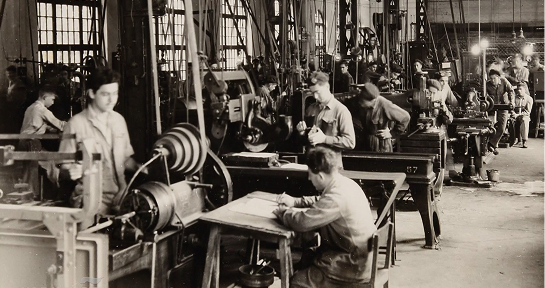
The Technion’s story has been intertwined with Israel’s for more than a century, from laying the foundations for a new nation to shaping its future.
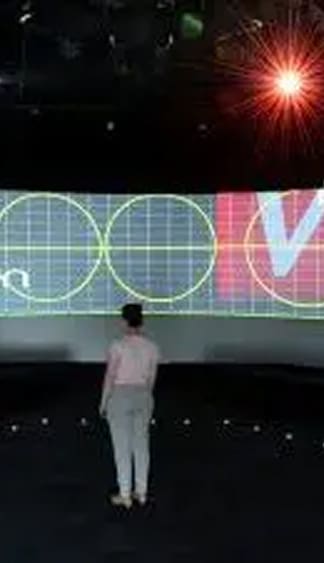
Step inside Israeli innovation at the David and Janet Polak Visitors Center. Experience our 360° immersive movie and tech exhibition. Open to individuals and groups.
Learn More

How can Israel, a land of 60% desert, use more than 100% of its available water and still have more for the future? Hear renowned water expert Prof. Furman talk about the ingenious technologies that made Israel a world leader in water conservation. This webinar was moderated by Rob Davidow. ABOUT THE SPEAKERProfessor Alex Furman […]
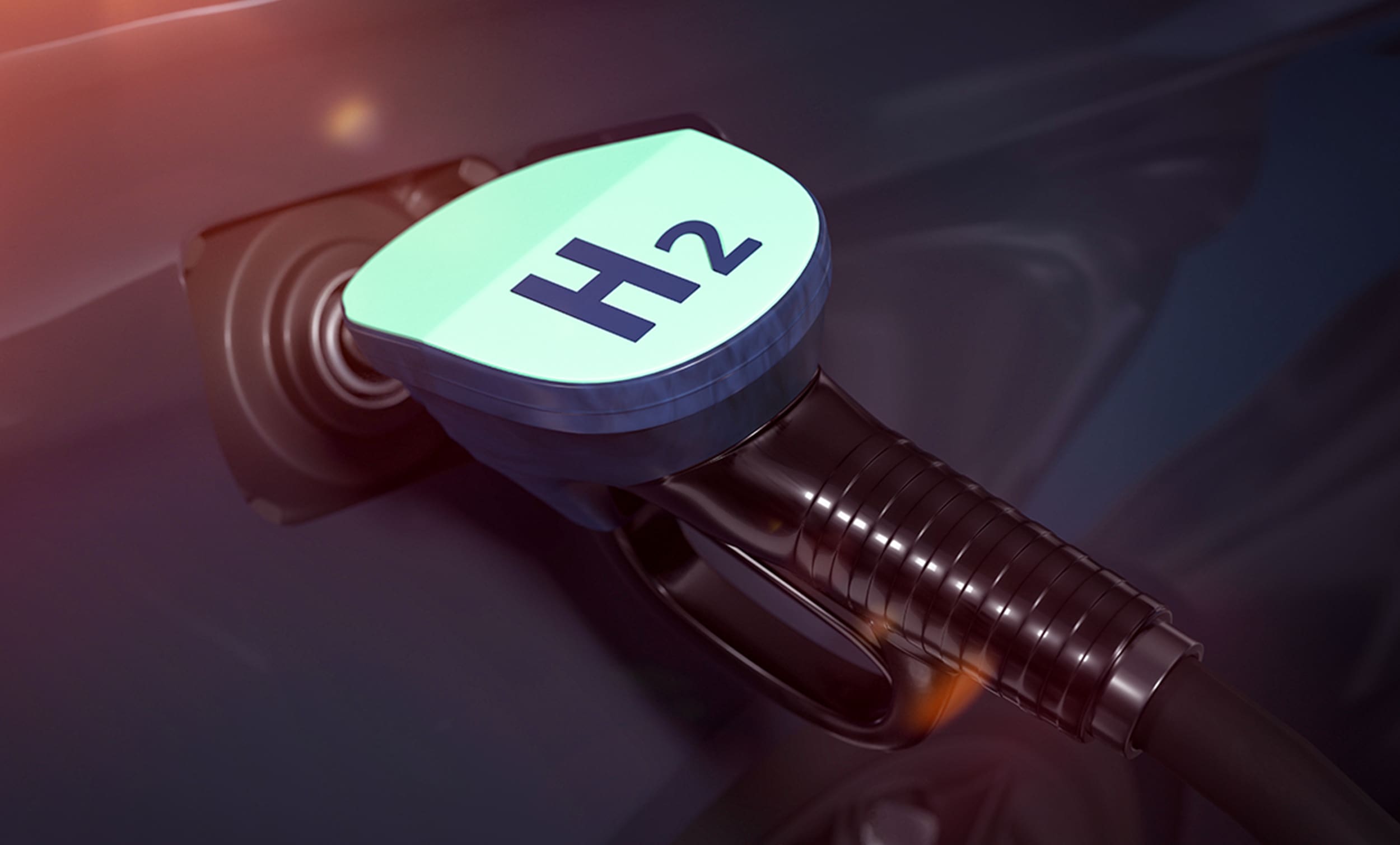
Hydrogen fuel cells hold exciting potential as an emissions-free energy carrier, but they are prohibitively expensive to manufacture. Technion scientists in collaboration with the University of Connecticut (UConn) are working on a project that could advance the commercialization of these highly efficient fuel cells, allowing people to travel longer distances and leaving a smaller carbon footprint. Fuel cells generate electricity through an electrochemical reaction of hydrogen and oxygen, found abundantly in nature, releasing just water and heat as byproducts. But currently, the most efficient catalyst for speeding up the chemical reaction is the precious metal platinum. The Technion-UConn collaboration, funded…
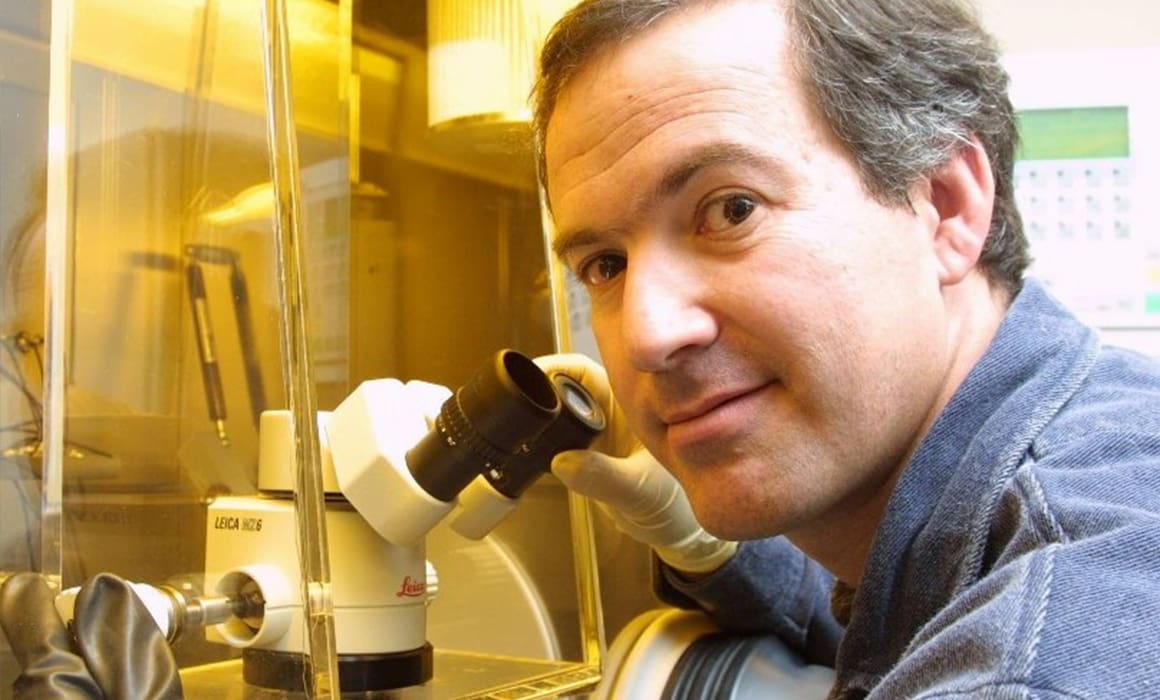
Video Transcript: Ben Gido, Environmental Engineer and Technion Student: Hi, I’m Ben Gido, an environmental engineer and working as a global wash coordinator for Israel. It is an Israeli-based international humanitarian organization. As part of my role in Israel, I encounter communities which are experiencing water stress and water shortage. I see the burden which […]

Hydrogen fuel is the key to a greener future. Produced from an inexpensive and readily available resource — water — it’s also the only byproduct of hydrogen-powered cars. Contrast that with the polluting fumes that gasoline-powered vehicles emit. Water Electrolysis Hydrogen is produced from water through a process known as water electrolysis. Water electrolysis splits individual molecules of water (H2O) into two hydrogen atoms and one oxygen atom using an electric current. This is done with a cathode and an anode. The cathode contributes electrons to the water and attracts oxygen, and the anode takes electrons from the water and…
To reduce our reliance on fossil fuels and protect our planet, solar power must become more efficient and less expensive. Right now, the dominant technology in the field, silicon-based solar cells, is too expensive to be widely adopted. Solar cells that use inorganic nanocrystals or “quantum dots” could be a cheaper alternative, but they are generally less efficient at turning solar energy into electricity. Technion researchers have found a new way to generate an electrical field inside quantum dots, paving the way for more energy-efficient nanocrystal solar cells. Their findings were published in the October 9, 2011, issue of Nature…