Something Fresh in the State of Denmark
October 06, 2026





























The Technion’s story has been intertwined with Israel’s for more than a century, from laying the foundations for a new nation to shaping its future.

Step inside Israeli innovation at the David and Janet Polak Visitors Center. Experience our 360° immersive movie and tech exhibition. Open to individuals and groups.
Learn More
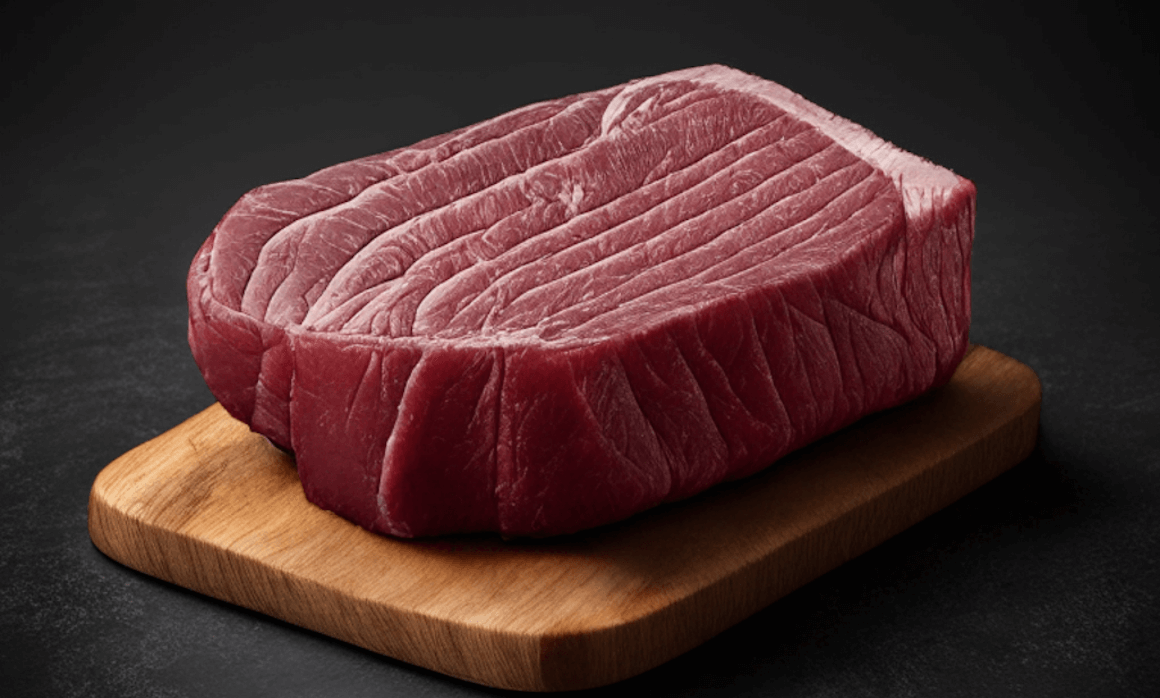
Imagine juicy burgers sizzling on the grill, made from beef cells without environmental impact or harm to animals. Or cookies that release nutritious protein as they rise in the oven. Teaming up with the nonprofit think tank the Good Food Institute in Israel, the Technion is establishing the Sustainable Protein Research Center (SPRC) to conduct research to develop and help commercialize forward-looking food technologies like these. Professor Yoav Livney, who helped Technion students create the prizewinning “Algalafel,” a falafel enriched with the microalgae spirulina, is leading the endeavor. At a time when the world is battling the dual challenges of…
Professor Uri Sivan will begin his second term as Technion President in October 2023. In spite of the COVID-19 pandemic and ensuing instability that marked his first term, he nonetheless achieved objectives to ensure the Technion’s continued growth and advancement. In this Q&A, he recaps highlights of his tenure to date and looks at what’s up next. ◼ What were some of the highlights of your first term? President Uri Sivan: During these challenging years we have established or are setting up no less than 12 research centers; repositioned the Technion in the changing academic-industry ecosystem; reformed some of our…

Placing 79th globally and 4th among European technological universities, the Technion continued its climb upward in the newest iteration of the Shanghai Ranking, considered the foremost ranking of the world’s top 1,000 universities. The Technion’s ascent from 83rd position last year and 94th two years ago is just one more indication of the increasing influence of the Technion on the world stage. In the field of artificial intelligence, the Technion has been ranked #1 in Europe for the last two years by another prestigious organization, CSRankings. “By addressing the grand challenges of the 21st century, the Technion will continue…

With the ongoing climate crisis and the speed with which it is hitting us, more and more researchers and entrepreneurs are looking for solutions outside of the box. Experts warn that these ideas are very dangerous, that the governments do not fully know how to deal with climate engineering, and that billionaires are looking at this as yet another frontier from which they can profit. In a series of interviews, Calcalist spoke to various climate experts about innovative solutions to tackle the crisis. “We won’t succeed in reducing greenhouse gas emissions to zero,” says Professor Yoram Rosen, head of the…

Evan Jordan can tell when you are stressed, even though he’s never met or interacted with you. An assistant professor of health and wellness design at Indiana University’s School of Public Health-Bloomington, Jordan and his team use GPS tracking to find connections between a person’s environment and their mental health. The data could be stunningly revealing. Why? Because where we are in the world and how much we move is a big indicator of our mental health. Studies suggest that if we take a lot of walks to the park, we’re statistically less likely to have anxiety and depression. If…
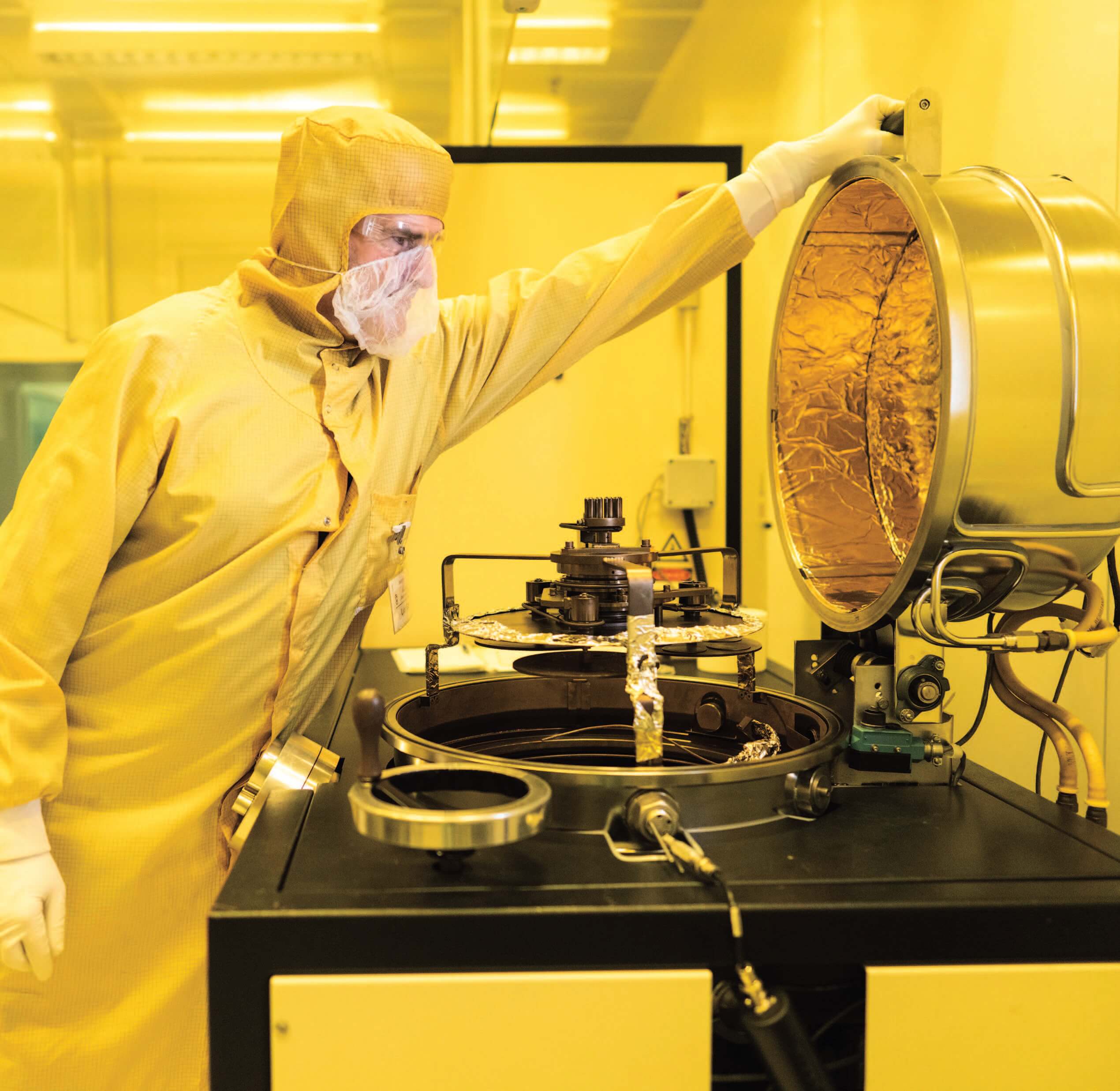

(Nanowerk News) Refractive index – the ratio of the speed of electromagnetic radiation in a medium to its speed in a vacuum – can be modulated fast enough to generate photonic time crystals (PTCs) in the near-visible part of the spectrum, a new study published in the journal Nanophotonics demonstrates (“Time-refraction optics with single cycle modulation”). The study’s authors suggest that the ability to sustain PTCs in the optical domain could have profound implications for the science of light, enabling truly disruptive applications in the future. PTCs, materials in which refractive index rises and falls rapidly in time, are the…
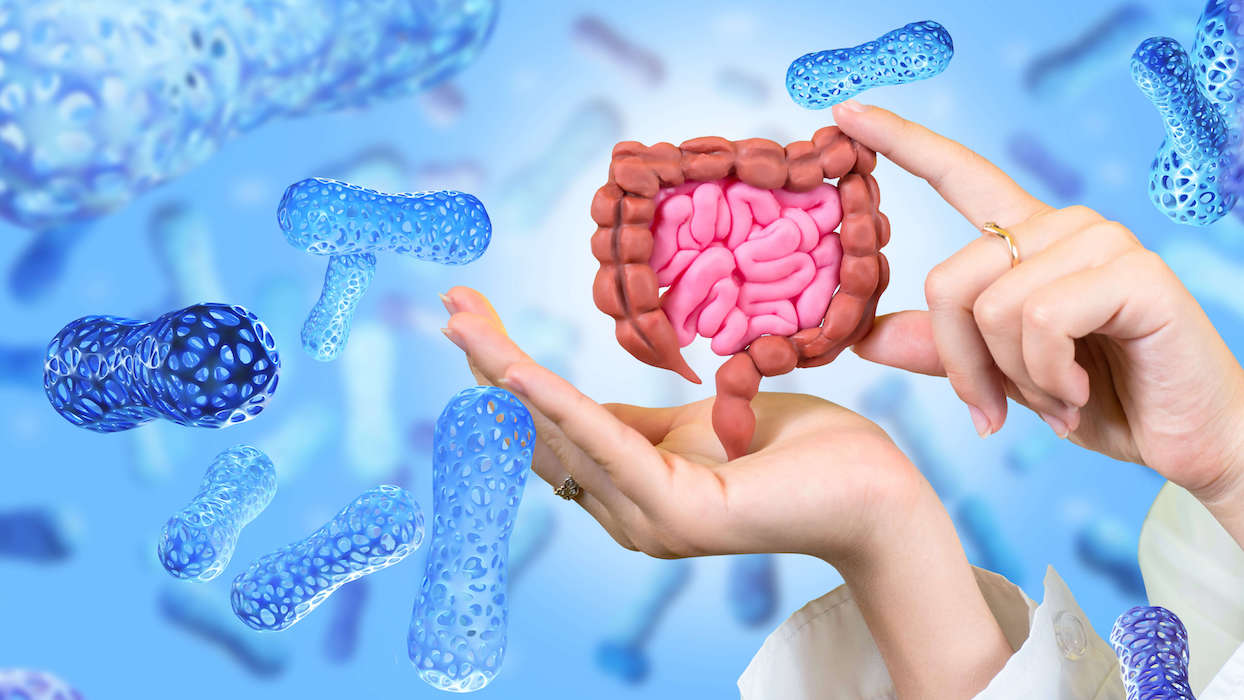
There are thousands of kinds of bacteria – microscopic, single-celled organisms that are among the earliest known life forms on earth and live in every possible environment all over the world. They might be airborne or found in water, plants, soil, animals and even humans, where some cause dangerous diseases such as salmonella, pneumonia, meningitis, tuberculosis, anthrax, tetanus and botulism. However, many bacteria, including the ones that comprise the human gut microbiome, do good rather than harm. Bacteria can even be turned into tiny factories that manufacture needed products. Now, researchers at the Faculty of Biotechnology and Food Engineering at…

Dr. Martin and Grace Rosman have long supported Technion students by providing scholarships, funds for student reservists, dormitory housing, and the highly successful Rosman-Atidim Program, which gives disadvantaged youth the chance to attend the Technion. Once again, Technion students are at the forefront of the couple’s vision and generosity as they establish a new computer center for state-of-art supercomputing. The Rosmans laid the ceremonial cornerstone for the Martin and Grace Druan Rosman Performance Computer Data Center during the Technion Board of Governors meeting in June. “The need for very fast computers is growing exponentially and it is very difficult to…

The development of high-performance alternatives to silicon in microelectronics has been brought nearer by researchers at the Technion-Israel Institute of Technology in Haifa who stretched an oxide material at an atomic level, thus controlling its conductivity. They said this is a “milestone advancement towards making efficient switches, which are the basic building blocks of computer chips.” Researchers in the Viterbi Faculty of Electrical and Computer Engineering have been able to control an emerging material that they regard as a possible future alternative to silicon in microelectronics. This is a timely development, because scientists and engineers face challenges in continuing the transistor shrinking…

While there are countless scientific breakthroughs that could help fight the world’s bourgeoning climate woes, “the problem lies in bringing together the science and technology people and the entrepreneurs” to make these innovations effective, said Noam Sonnenberg, director of the Israel Innovation Institute’s PLANETech community. In the interest of tackling this important, high impact challenge the Technion and the PLANETech community recently began a unique collaboration that will bring together researchers from different academic departments with entrepreneurs and investors interested in ClimaTech. The two groups recently conducted the first of a series of meetings that will explore research in foodtech,…
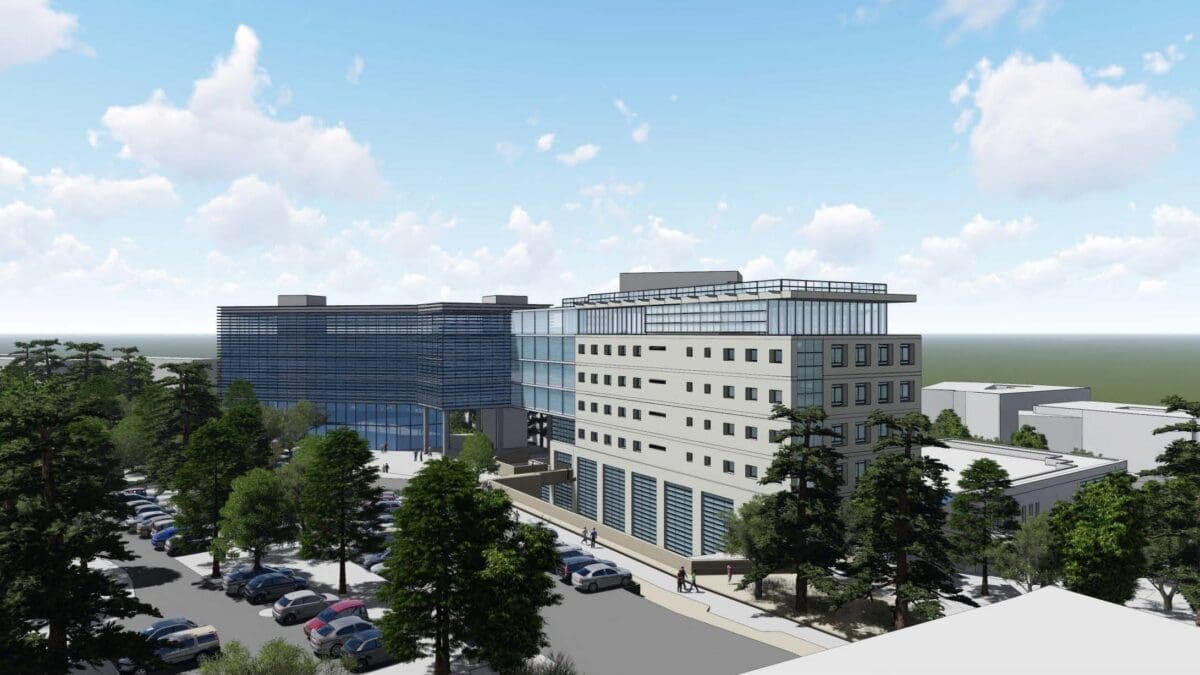
Mastering the ABCs of perspective, scale, and hand-drafting are only part of what it takes to become an architect. You also need teamwork, compromise, and social responsibility. That’s why Technion Assistant Professor Dan Price and teaching fellow Michal Bleicher of the Faculty of Architecture and Town Planning created Design-Build Studio 1:1 — a course that […]