Something Fresh in the State of Denmark
October 06, 2026




























The Technion’s story has been intertwined with Israel’s for more than a century, from laying the foundations for a new nation to shaping its future.

Step inside Israeli innovation at the David and Janet Polak Visitors Center. Experience our 360° immersive movie and tech exhibition. Open to individuals and groups.
Learn More

Researchers have theorized a new mechanism to generate high-energy “quantum light,” which could be used to investigate new properties of matter at the atomic scale. The researchers, from the University of Cambridge, along with colleagues from the U.S., Israel and Austria, developed a theory describing a new state of light, which has controllable quantum properties over a broad range of frequencies, up as high as X-ray frequencies. Their results are reported in the journal Nature Physics. The world we observe around us can be described according to the laws of classical physics, but once we observe things at an atomic scale,…

Throwing out trash can be an icky, and sometimes even confusing, experience. To better understand how humans interact with robots, Cornell University researchers recently created and released two trash and recycling bots to do some dirty work in a Manhattan plaza. And for most of the people who interacted with the adorable barrel bots, the robots’ helpful interceptions of waste were welcomed. The study involved two robots. One was blue, and one was gray, and they were mounted on recycled hoverboard parts and equipped with 360-degree cameras. The bots received all sorts of reactions, from onlookers expressing their appreciation to treating…

Glioblastomas are one of the most malignant and lethal cancers. Despite recent treatment advancements, median survival is only 12 to 16 months. In 2015, the Optune device, a novel, non-invasive treatment modality was approved by the FDA for use alongside standard treatment regimens for newly diagnosed glioblastomas after a large-scale clinical trial found that it extended overall survival by at least 5 months (1,2). The Optune device is a wearable, portable instrument that uses external electrodes attached to the scalp to continuously deliver electric fields to the tumor site. But what exactly is going on under the cap? In 2000,…
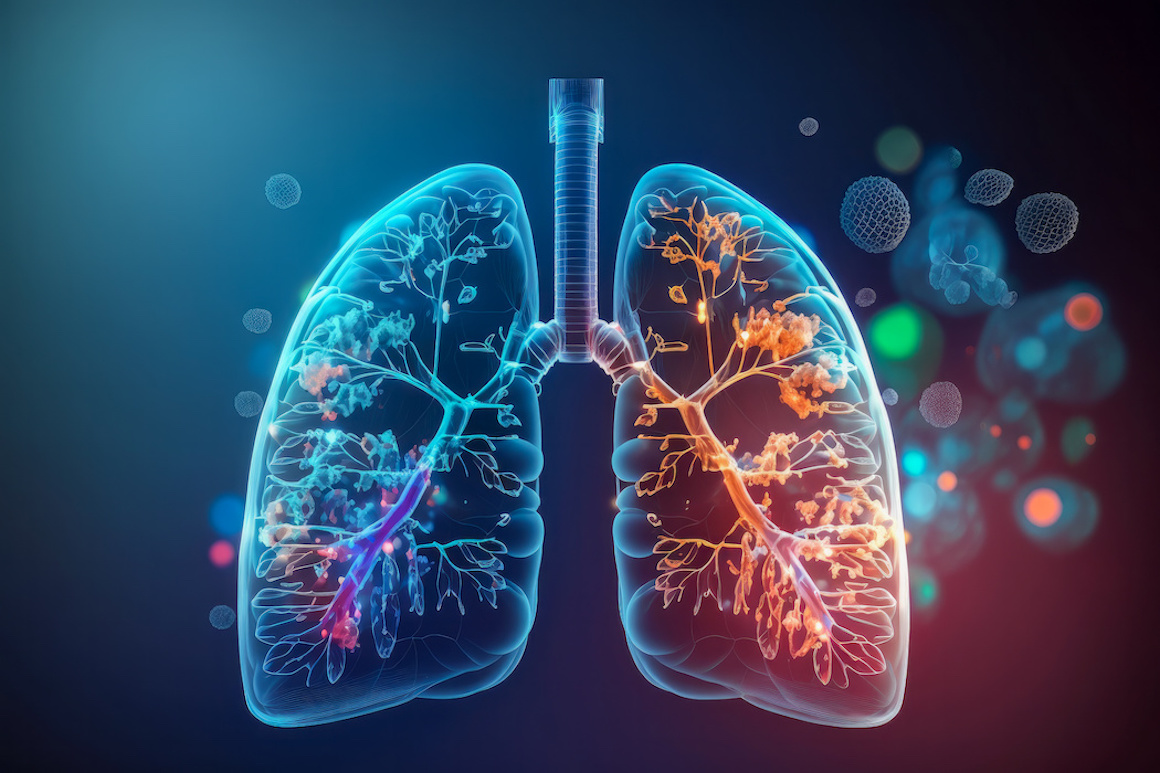
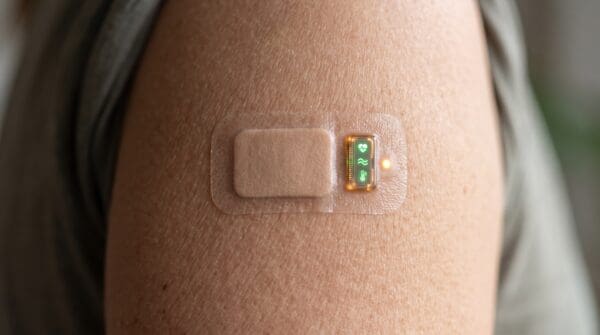
“One of the most important factors in the success of the treatment of a disease is early diagnosis, but what happens when the patient does not feel bad and there are no external symptoms of the disease? There is a huge gap today between the importance of early diagnosis and what actually happens, a lack of continuous contact between the population and the medical centers. In our laboratory at the Technion we are trying to bridge the gap between the clinics and the patients through technological developments. How do we do this? Devices and facilities that can be kept in…
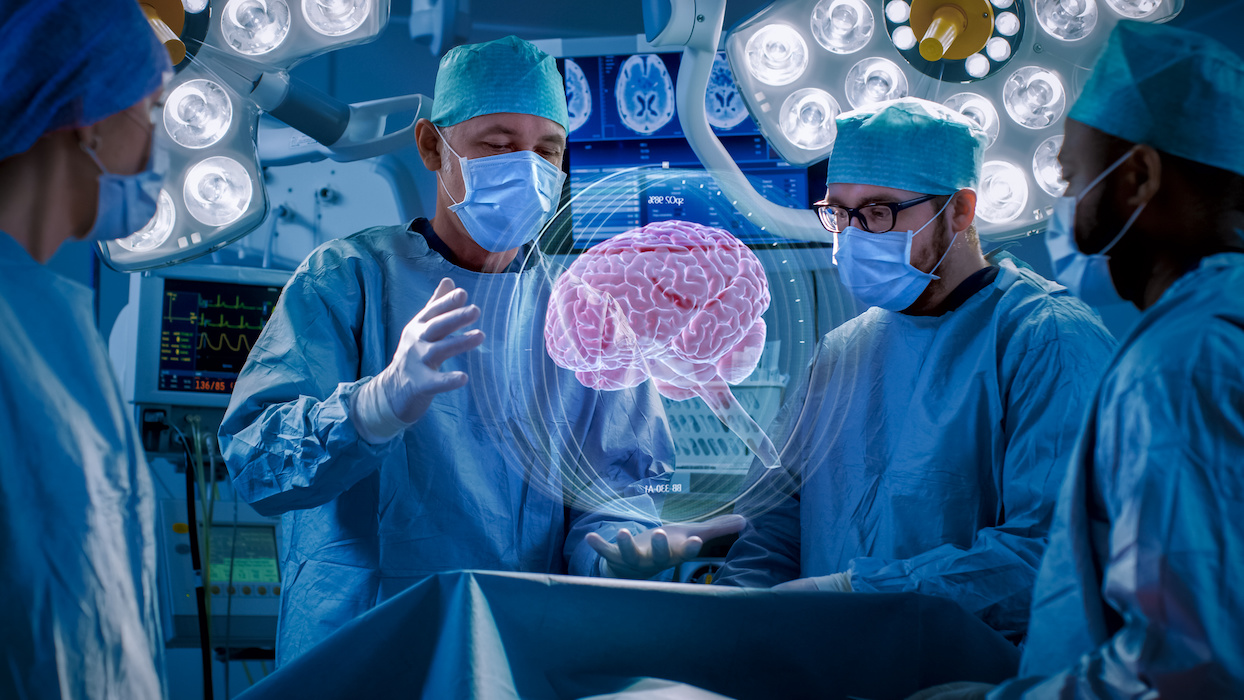
A tiny robot developed in Israel is no bigger than a pen, yet it has all the tools a brain surgeon needs to operate on a patient. Tamar Robotics has developed the world’s smallest and most accurate robotic system for minimally invasive brain surgery, with a diameter of just 10mm (0.4in). It’s equipped with a camera, two steerable and bendable robotic arms that can hold classic surgical tools, and an extendable scaffolding that makes it easier to see and maneuver the tools within the target workspace. The company is based near Haifa and was founded by Prof. Moshe Shoham, who…
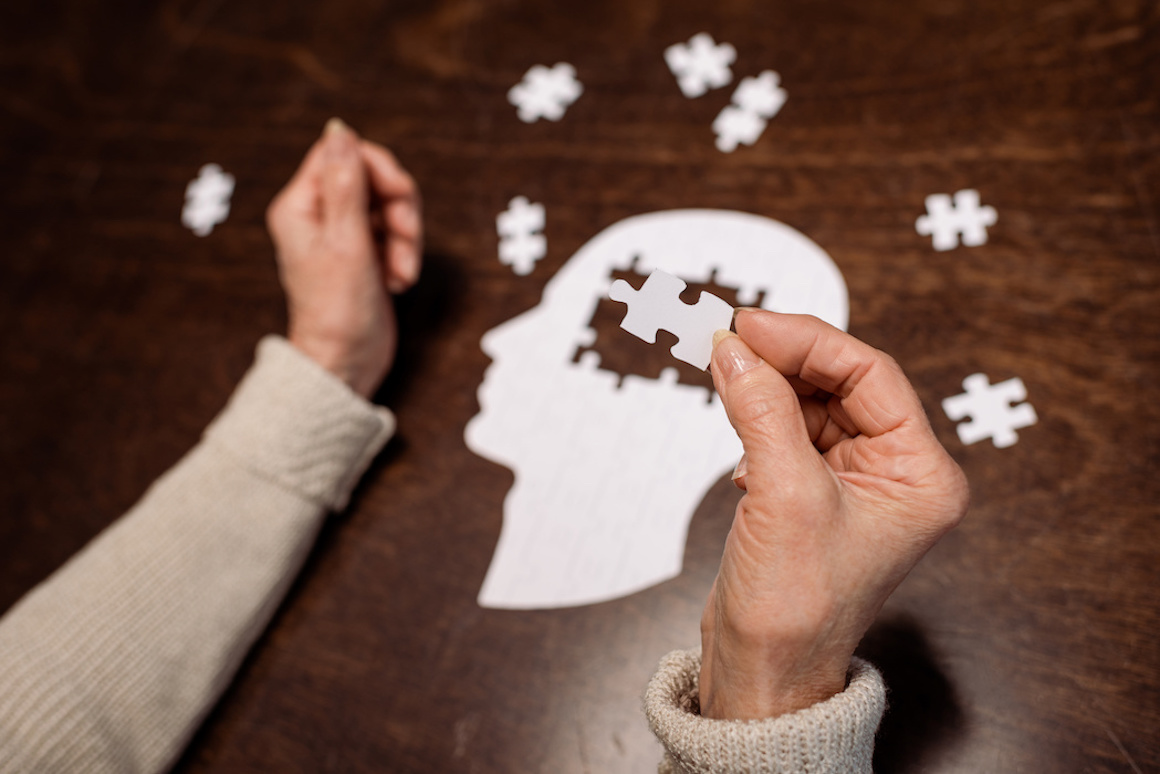
How agile are your fingers? Finger dexterity is a highly developed human skill that is vital for a huge range of activities including eating with a knife and fork, tying shoelaces, typing and playing musical instruments. This ability is based not only on the unique anatomy of the human hand, but also on complex brain capabilities. The brain controls finger dexterity via intricate mechanisms that have long challenged scientists in various fields. Now, a study conducted at the Technion-Israel Institute of Technology in Haifa sheds light on this subject and, according to the researchers, is likely to lead to the…

For hundreds of years, Passover Seder meals have looked remarkably similar in households across the world. Alongside the matzah are symbolic foods including a flame-broiled egg, bitter lettuce and roasted shank bone as well as raw veggies and a cinnamon-scented fruity dip. A typical Seder dinner menu begins with chicken-and-matzah-ball soup and a fish appetizer followed by poultry, lamb or beef and topped off by a cake made with multiple eggs for leavening. Today, this picture is starting to look out of sync with animal-free dietary trends. Flexitarians are the primary drivers of this shift, as well as vegans, vegetarians…

In the hopes of aiding traumatic brain injury (TBI) sufferers with regaining their fine motor skills, Technion researchers conducted a study to shed light on how the brain controls finger dexterity through intricate mechanisms. They believe their findings could lead to the development of innovative rehabilitation strategies that are adaptable to individual patients’ needs. Led by Professor Firas Mawase and graduate student Gili Kamara of the Technion Faculty of Biomedical Engineering, the researchers developed a unique ergonomic device that enables in-depth testing of the strength of a patient’s fingertips. The device allowed them to analyze the ability to learn and…

The Fluidic Telescope (FLUTE) project team, jointly led by NASA and Technion – Israel Institute of Technology, envisions a way to make huge circular self-healing mirrors in-orbit to further the field of astronomy. Larger telescopes collect more light, and they allow astronomers to peer farther into space and see distant objects in greater detail. These next-generation large space observatories would study the highest priority astrophysics targets, including first generation stars – the first to shine and flame out after the Big Bang – early galaxies, and Earth-like exoplanets. These observatories could help address one of humanity’s most important science questions:…

One aspect of how industrial 3D printing works that is hard to grasp at first, is its ability to build parts inside of other parts. A metal 3D printer makes an object one hair-thin horizontal layer at a time. So imagine 3D printing an item like a chain. It’s constructed already linked in completely solid circles. By contrast, in traditional manufacturing, individual links are first straight, then bent, and joined together one at a time, which is slower, more labor intensive, and has weak points at each link. It’s the same age-old manufacturing principle for jewelry as it is for…

‘Smart cities’ are the epitome of modern-day life — teaming with technology-based infrastructure such as sophisticated surveillance cameras, timed traffic lights, and automated garbage pickup. Right? Well, what about the human equation? Between 2017 and 2021, municipal authorities recorded an unusually high rate of elderly residents who had passed away in their homes and were found only after their bodies had started decomposing. Clearly, their absence had gone unnoticed for quite some time. “Loneliness is an important issue in life: it’s a 21st century epidemic; We must not ignore it,” said Assistant Professor Meirav Aharon-Gutman, head of the Smart Social…

A computer that stores and processes data in a single chip is able to tell apart different people’s handwriting. Professor Shahar Kvatinsky, of the Technion, in Haifa, says combining its RAM and CPU allows it to function much more like a human brain, and opens up a whole new world of opportunities. To demonstrate its capabilities, he and his team presented the chip with different examples of handwritten letters. The chip learned which one was which with each example, and achieved a 97 per cent accuracy in recognition. “We like to describe a computer as a ‘brain’, but entirely separate…