Something Fresh in the State of Denmark
October 06, 2026






























The Technion’s story has been intertwined with Israel’s for more than a century, from laying the foundations for a new nation to shaping its future.

Step inside Israeli innovation at the David and Janet Polak Visitors Center. Experience our 360° immersive movie and tech exhibition. Open to individuals and groups.
Learn More

The frequency and duration of droughts has increased by nearly a third since 2000, affecting much of Europe this past summer, including Switzerland. Hundreds of thousands of Floridians were left without clean drinking water when Hurricane Ian hit this fall and the same fate awaited residents of Mississippi just months earlier when severe storms contaminated its wastewater treatment facilities. Access to clean drinking water is becoming increasingly scarce, as more than 2.1 billion people globally lack safe drinking water at home, according to UN reports. That’s why preserving clean water — wherever and however we can — has become a…
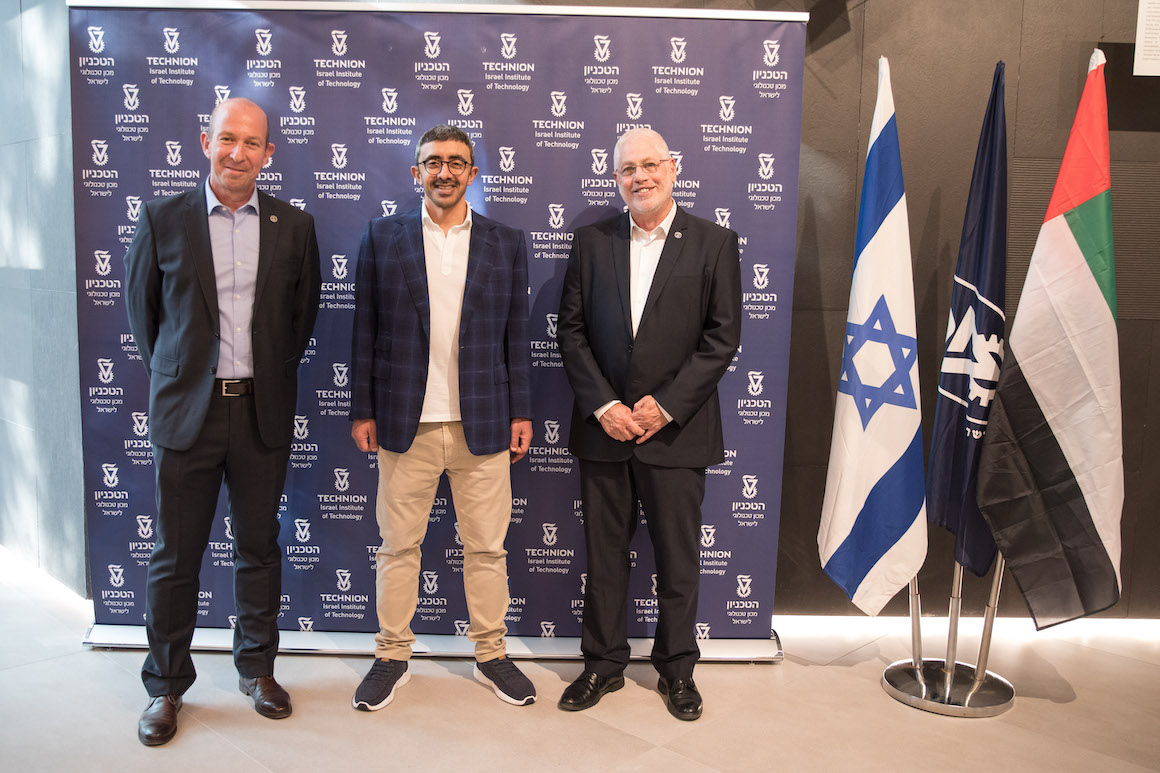
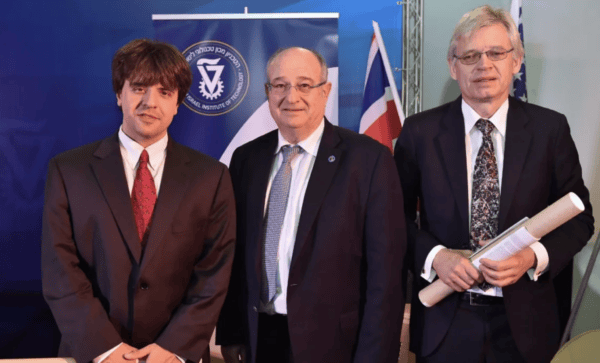
Pictured Above / (L to R) Professor Alon Wolf, The Minister of Foreign Affairs of the United Arab Emirates, Sheikh Abdullah bin Zayed Al Nahyan, and President Uri Sivan H.H. The Minister of Foreign Affairs of the United Arab Emirates, Sheikh Abdullah bin Zayed Al Nahyan, visited the Technion on September 17 — the last stop on his journey in Israel to mark two years since the signing of the Abraham Accords. “The Abraham Accords with the United Arab Emirates are a window of opportunity for scientific and technological cooperation,” Technion President Professor Uri Sivan told Foreign Minister Bin Zayed…

Joan and Irwin Jacobs Technion-Cornell Institute Assistant Professors Volodymyr Kuleshov and Emma Pierson were recently awarded National Science Foundation (NSF) Faculty Early Career Development Awards. They will each receive between $400,000 and $600,000 from the NSF program over the next five years to fund their educational research projects. Assistant Prof. Kuleshov’s research will focus on improving genome sequencing through novel techniques using artificial intelligence (AI) and machine learning. Current methods of analyzing genetic data grapple with the magnitude and complexity of the data sets despite the decrease in cost of genome sequencing over the past two decades that enabled the…
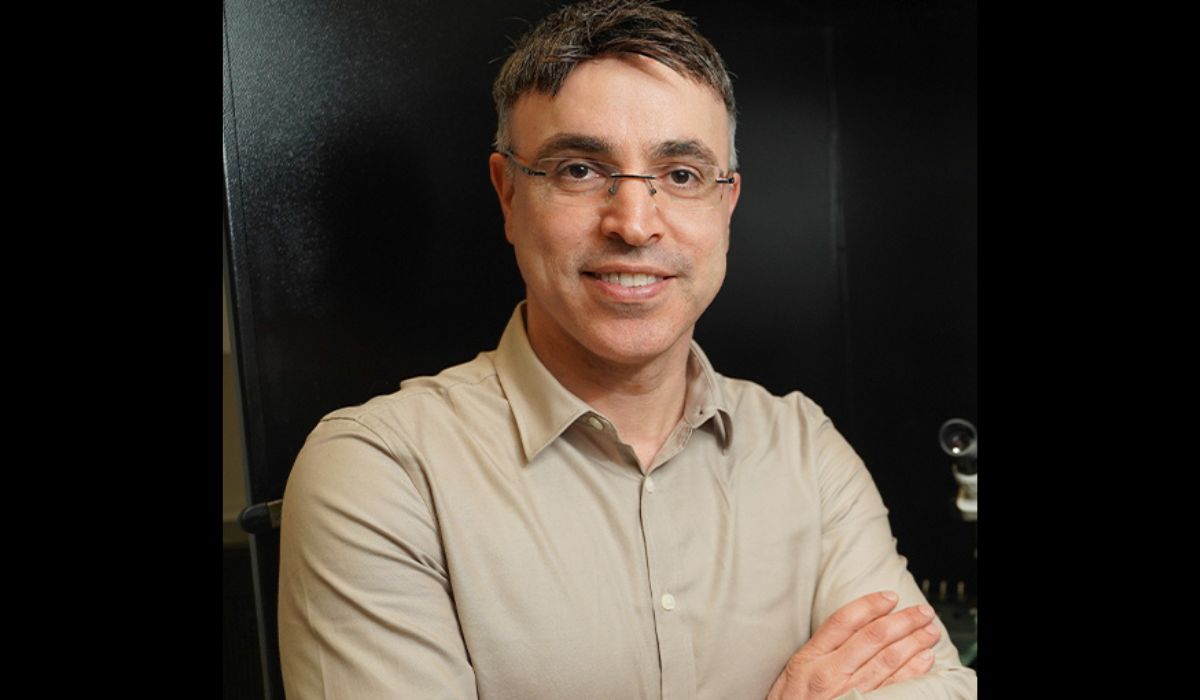
Professor Hossam Haick of the Wolfson Faculty of Chemical Engineering and the Russell Berrie Nanotechnology Institute (RBNI) at the Technion has been awarded three European research grants through the Horizon Europe program, totaling 4.2 million euros. Prof. Haick, the dean of undergraduate studies at the Technion and an expert in nanotechnology and non-invasive disease diagnosis, was awarded the grants for his research in cancer treatments. For the first grant, Prof. Haick will focus on understanding the risk factors surrounding lung cancer more closely, including personal risk factors such as lifestyle and pollutant exposure, external factors such as urban environments, transportation,…

Used in many aspects of everyday life, programmable logic controllers (PLCs) control systems such as transportation services, factories, power stations, smart buildings, traffic lights, and more. Since such systems control automatic responses to changing environmental stimuli within frequently encountered structures, preventing them from being hacked into by those with nefarious intentions is of the utmost importance. Siemens, a multinational industrial manufacturer, is known across the industry to have the top security measures in place for their controller firmware systems. But a team of researchers from the Technion’s Henry and Marilyn Taub Faculty of Computer Science recently found a way to…
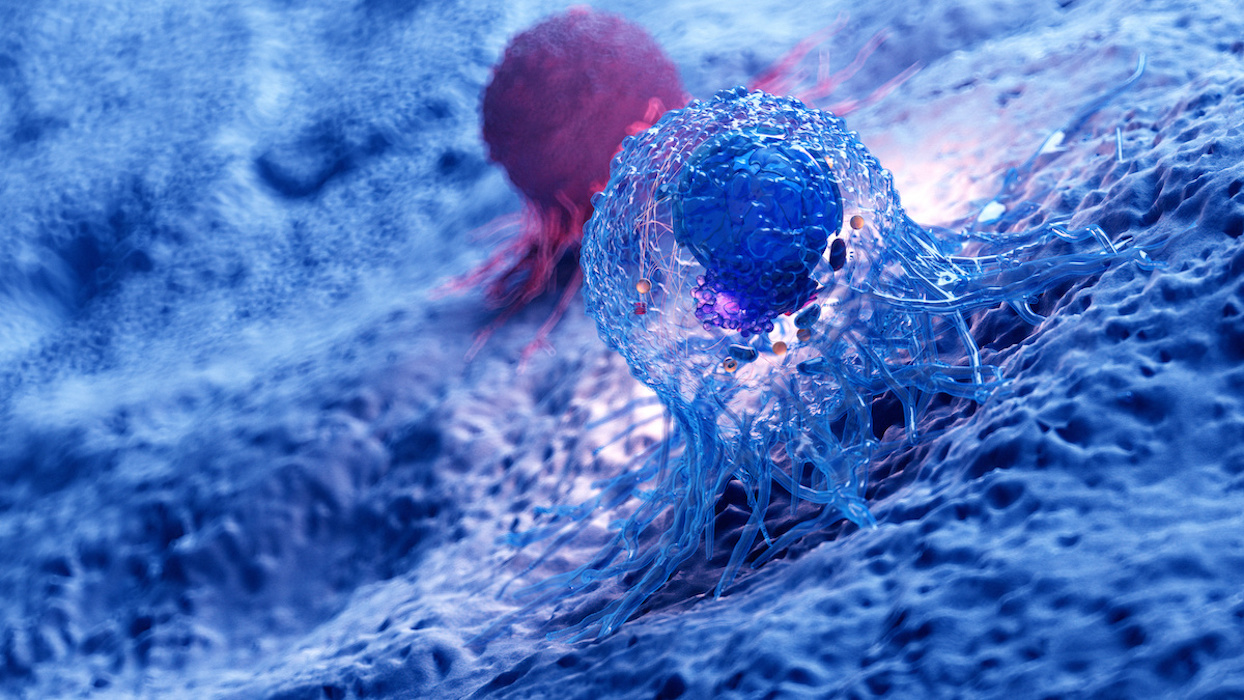
Immunotherapy is an evolving novel treatment that triggers the body’s own immune system to fight cancer cells. But it doesn’t work for everyone or on every type of cancer. And determining whether it will work for a particular patient takes up precious time. But there is hope on the horizon: Technion researchers are using artificial intelligence (AI) to speed up the process of making that determination, saving time in ascertaining the patient’s proper treatment plan. The study was conducted by Professor Keren Yizhak of the Ruth and Bruce Rappaport Faculty of Medicine at the Technion. Immunotherapy helps the immune system…
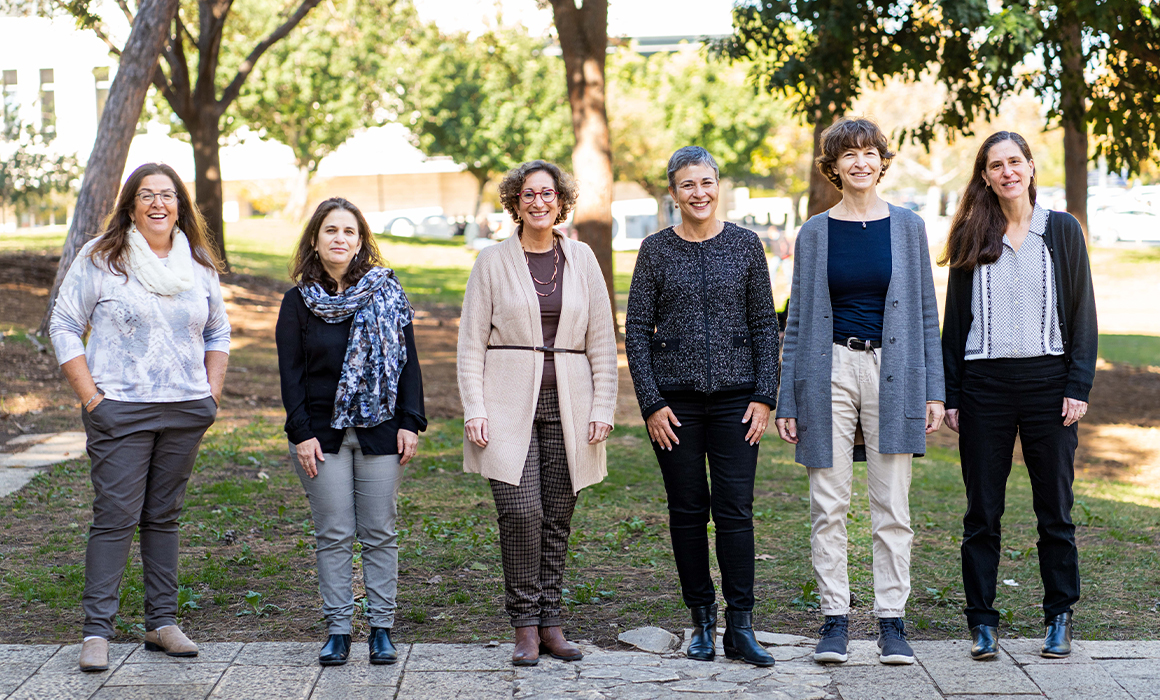
The Technion has been a magnet for trailblazing women in the science, technology, engineering, and mathematics fields since it first opened its doors in 1924. That inaugural class of just 17 students included one woman, who came to the Technion to study architecture and civil engineering at a time when women were discouraged from pursuing higher education. The ranks of Technion women have grown significantly since 1924. Thanks to the concerted efforts of Professor Shimon Marom, executive vice president for academic affairs, about 40% of all appointments relating to promotions and tenure for academic staff are women. The number of…

Astrophysicist Prof. Ehud Behar is intent on unearthing the mysteries of extragalactic events. Stellar explosions. The merging of neutron stars. Black holes. Outer space hosts jaw-dropping phenomena. But too often, we’re late to the viewing party. These spectacular occurrences emit flashes of light, sometimes including prompt, intense gamma-ray bursts, alerting physicists to their presence. Yet by the time we record them here on Earth, we lose the early time windows to study the events. Professor Ehud Behar and his team are looking to fix this time lag with their Gamma-Ray Burst Localizing Instrument (GALI). This shoebox-sized device can identify the…
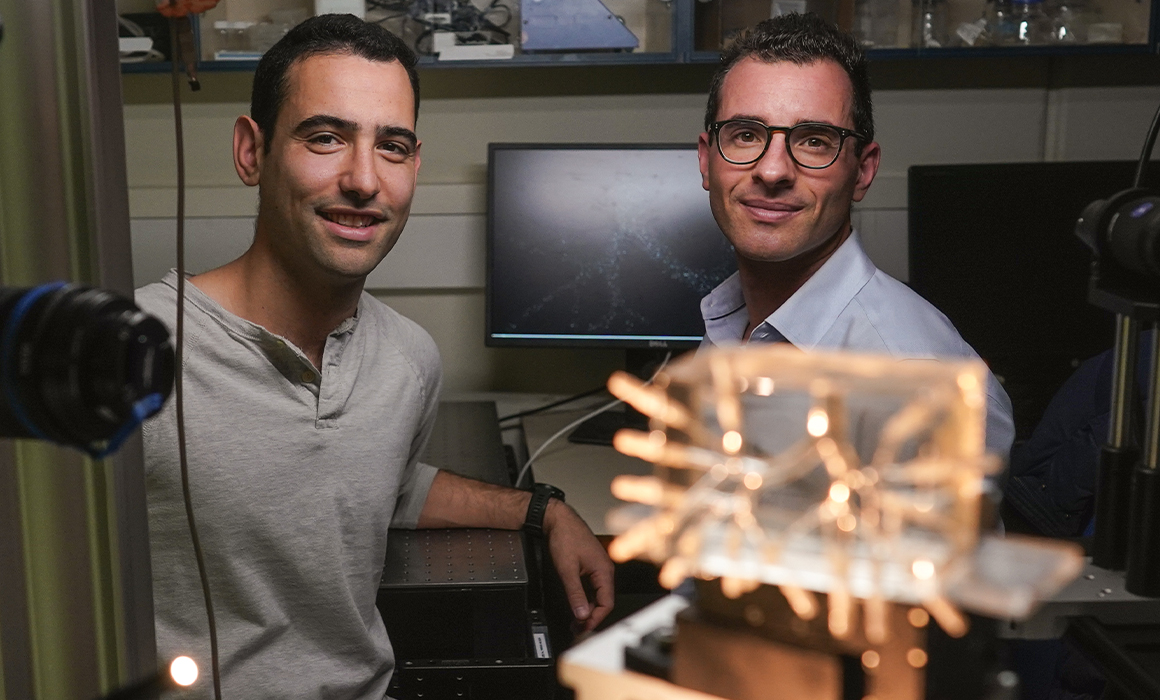
Groundbreaking, Multidisciplinary Research Explores Radical New Frontiers in Medicine Understanding that medicine has much to contribute toward our knowledge of engineering, and vice versa, the Technion is one of few technical institutions in the world that boasts its own medical school. Technion faculty have facilitated robust cross-disciplinary research and consistently seeded and executed bold new breakthroughs that have pushed the boundaries of medicine. Here are four exciting discoveries from our talented bench of medical researchers.

Almost every commodity, from detergents to penicillin to fertilizer, is produced industrially through catalysts, substances introduced to speed up chemical reactions. Yet as indispensable as they are, many catalysts used in industry today create significant environmental waste and economic inefficiency. The Technion’s soon to be established Center for Sustainable Processes and Catalysis aims to discover novel, green catalysts from naturally abundant elements so that industrial processes will require less energy and become more sustainable. Distinguished Professor Ilan Marek, chair of the Center, spoke at the ATS Presidential Forum in March 2022 along with clean energy specialists Assistant Professor Charlotte Vogt…
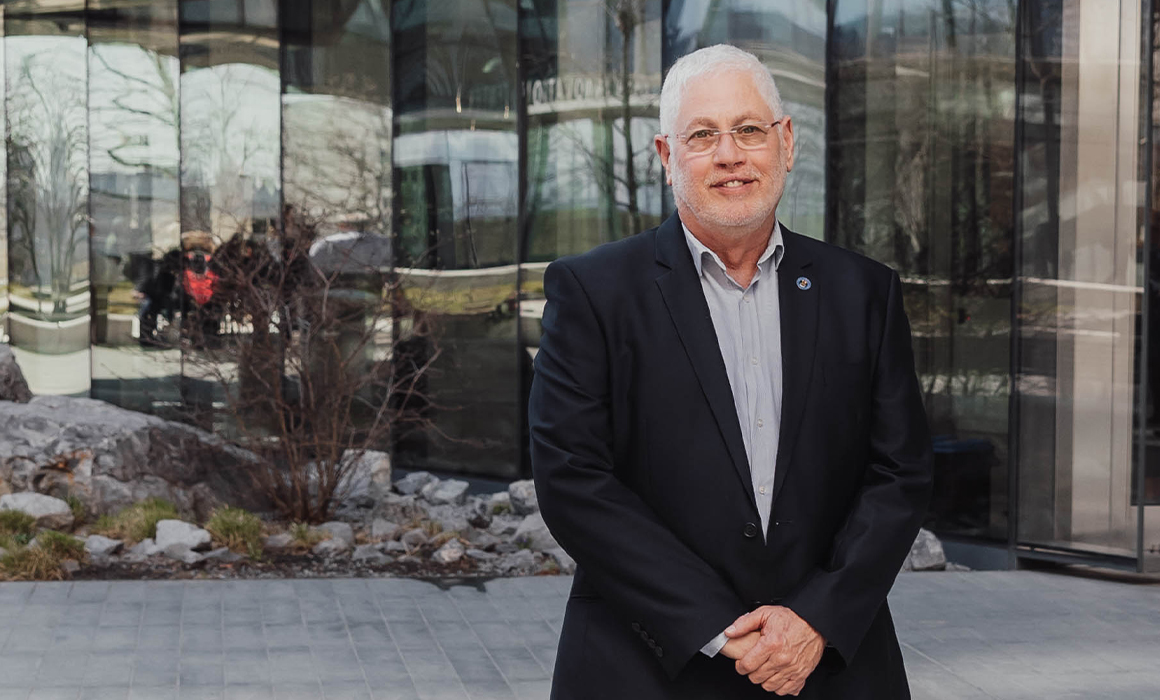
What the Next 100 Years Will Look Like Almost 100 years ago, 17 students began studying at the Technikum, a new university on the slopes of Mount Carmel. The first courses at what we now know as the Technion marked a defining moment for the Jewish settlement in Palestine — The Technikum was Palestine’s first academic institution and the Middle East’s first technological-scientific university. Back then, the Technion offered just two tracks of study: civil engineering and architecture. Today, about 14,000 students can choose from more than 50 undergraduate and 83 graduate programs clustered into 18 academic faculties. The Technion…
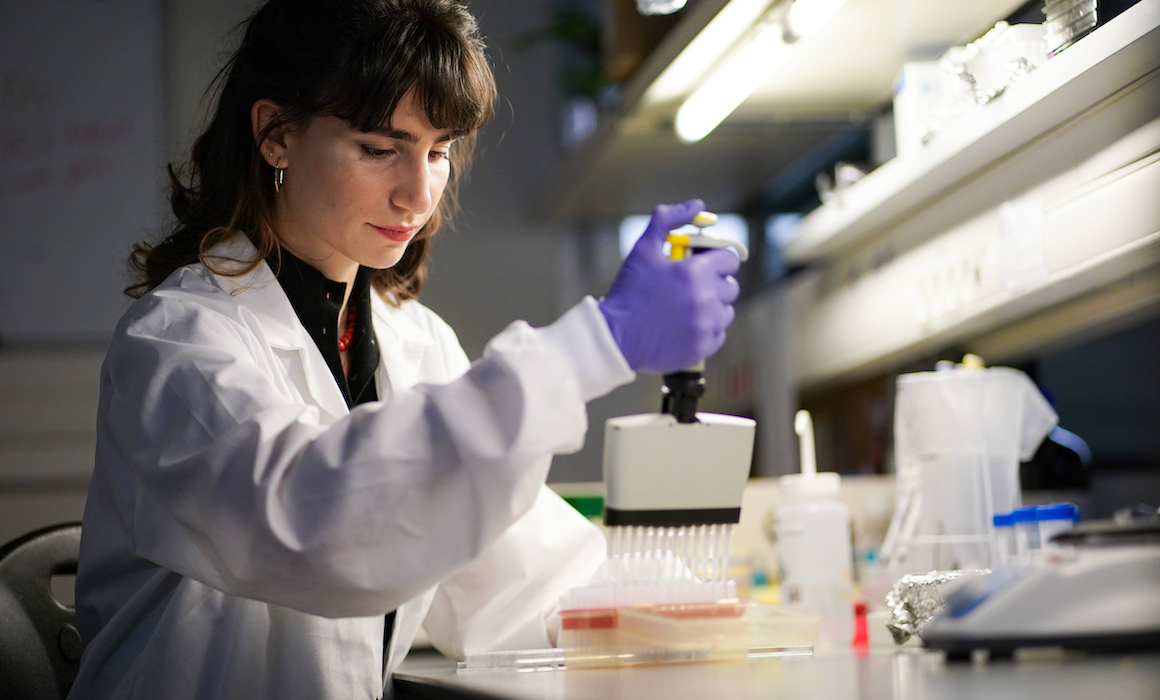
Tamar Koren, an MD/PhD candidate at the Asya Rolls Lab within the Technion’s Rappaport Faculty of Medicine, researches the extent to which a patient’s psychological or mental state may cause or exacerbate an actual disease. Koren’s work forms part of the Technion Human Health Initiative. (Photo by Nitzan Zohar/Technion) If thinking you’re sick can make you feel sick, is there a way to train your brain — and your body — to reverse that process and restore you to health? That’s the central question that Tamar Koren, an MD-PhD candidate at the Technion – Israel Institute of Technology in Haifa…