Something Fresh in the State of Denmark
October 06, 2026




























The Technion’s story has been intertwined with Israel’s for more than a century, from laying the foundations for a new nation to shaping its future.

Step inside Israeli innovation at the David and Janet Polak Visitors Center. Experience our 360° immersive movie and tech exhibition. Open to individuals and groups.
Learn More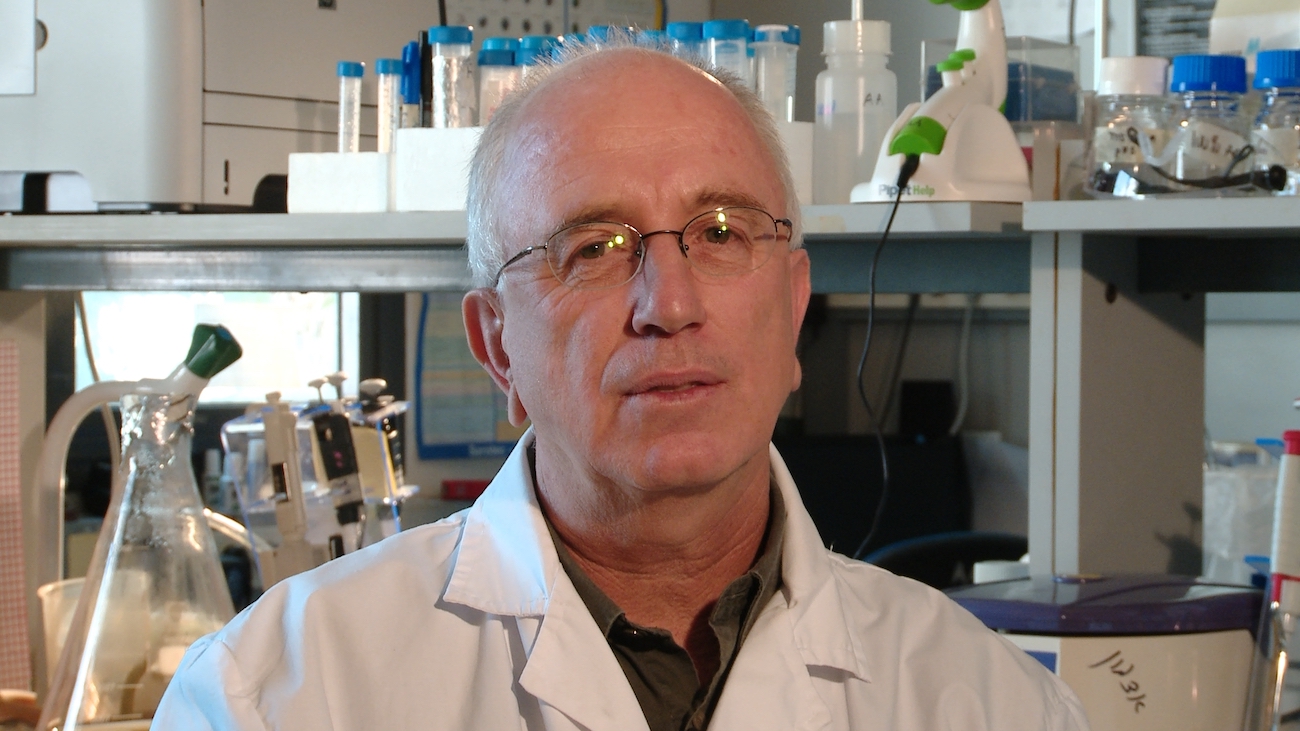
Lung cancer is the most common cause of cancer-related deaths for men and women, taking the lives of more than 1.5 million people around the world each year. A new study by researchers at the Technion and Sheba Medical Center found that lung fluid, collected and analyzed through a simple technique, can be used to more quickly diagnose and better treat lung cancer.
Because specific molecules called HLA (human leukocyte antigen) help bind peptides to our cells, the researchers hypothesized and proved that they could be used to match the specific treatment to each individual patient. The peptides were collected from fluid that accumulated in patients’ lungs. Under normal circumstances, this fluid would be removed and disposed of since it restricts patients’ breathing, so gathering the peptides from it does not require additional procedures or tests but rather utilizes what would otherwise be medical waste. The group is the first to utilize lung fluid in order to identify and analyze HLA, or tumor, peptides for treatment purposes, which could lead to novel regimens for late-stage cancer.
Additionally, HLA molecules help each cell communicate to its environment what is going on inside of it by presenting proteins on the cell’s surface. This communication is important when cells turn cancerous, in which case it will display various peptides from aberrant proteins. In response to these changes, the immune system should attack and destroy the cell in order to protect the body from the disease.
The key to the group’s research is the HLA molecules that present the aberrant peptides on the cell’s surface. These molecules, which vary between people, are located in the outer membrane of almost every bodily cell and are released by the cells into different bodily fluids along with their peptide cargo. Previous research attempted to acquire tumor-specific peptides through tumor needle biopsies, but the quantity was insufficient for use in immunotherapy treatment development. The group’s findings within lung fluids provided the solution.
The team was able to filter out a large amount of HLA molecules from patients’ lung fluid and subsequently used mass spectrometry analysis to pinpoint the peptides that the HLA molecules presented. They then reconstructed the aberrant tumor-specific proteins using the information gathered. Based on these findings, they demonstrated that these peptides can be used for research to match the best existing treatments to patients and to potentially initiate the correct immune response that would be desired in a future vaccine.
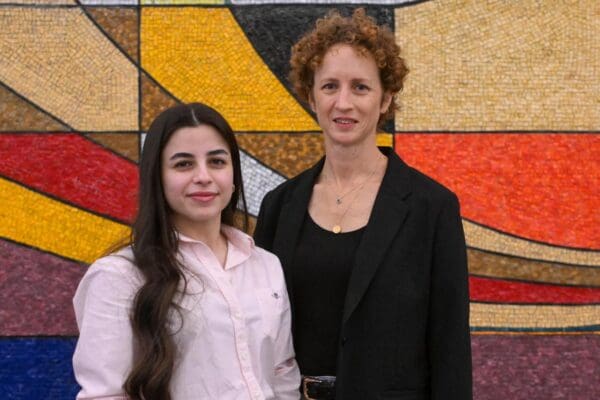
The research was led by Technion Professor Arie Admon and Dr. Michael Peled from Sheba Medical Center and was conducted by Ph.D. student Sofia Khazan-Kost. Their findings were published in the Journal for Immunotherapy in Cancer (JITC).